

Cargo from China: The Ultimate 2025 Shipping and Logistics Guide
Moving cargo from China represents a cornerstone of modern international trade for thousands of businesses worldwide. Consequently, finding a reliable partner like China Freight Hub is essential to navigate the complexities of global logistics. In this comprehensive guide, we will explore the various methods, costs, and strategies involved in transporting goods from Chinese ports to your destination. Furthermore, we provide actionable insights to help you reduce expenses and improve delivery schedules.
Why Shipping Cargo from China is Essential for Global Trade
China remains the world’s primary manufacturing hub, producing everything from electronics to industrial machinery. Therefore, the ability to efficiently move cargo from China determines the success of many retail and manufacturing operations. Indeed, the sheer volume of exports ensures that shipping lanes are well-established and highly competitive.
Moreover, the infrastructure in Chinese port cities like Shanghai and Shenzhen is world-class. This allows for rapid processing and loading of goods onto international vessels. Nevertheless, shippers must still manage various logistical hurdles, including fluctuating freight rates and complex customs regulations.
Additionally, the diversity of available shipping routes means businesses can tailor their logistics to specific needs. Whether you require speed or cost-savings, there is a solution available. Consequently, understanding these options is the first step toward building a resilient supply chain.
What are the Main Methods for Moving Cargo from China?
Businesses typically choose between several primary transportation modes based on their budget and urgency. For instance, sea freight is the most common choice for large-scale shipments due to its cost-effectiveness. It allows for the transport of massive volumes of goods in standard shipping containers.
On the other hand, air freight offers the fastest transit times for high-value or time-sensitive items. While it is significantly more expensive than ocean transport, it reduces the risk of inventory stockouts. Accordingly, companies often use air transport for electronics, fashion, and medical supplies.
Furthermore, specialized services like Amazon FBA shipping cater to e-commerce sellers who need direct delivery to fulfillment centers. These services often include labeling and prep work to meet strict platform requirements. As a result, sellers can focus on marketing while logistics experts handle the heavy lifting.
How Does Sea Freight Compare to Other Shipping Options?
When evaluating how to move cargo from China, it is vital to compare all available modes objectively. Sea freight offers the lowest cost per unit but requires the longest lead times. In contrast, rail and air options provide varying degrees of speed at higher price points.
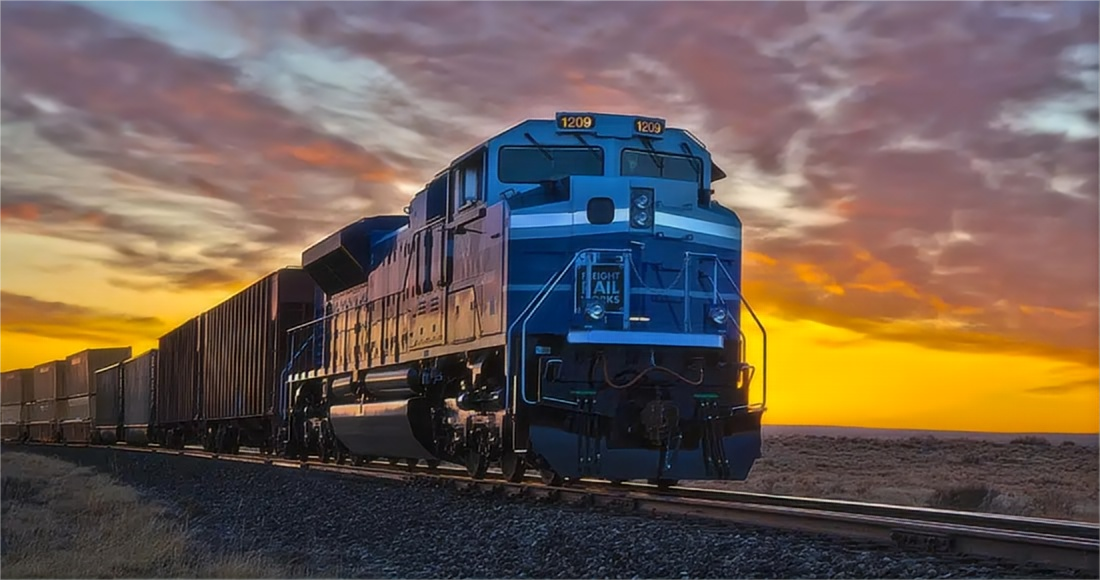
For example, rail freight has emerged as a popular middle-ground solution for shipments to Europe. It is faster than the ocean but cheaper than the air. This makes it an excellent alternative for mid-value industrial goods.
To help you decide, we have compiled a comparison of the primary shipping methods used for cargo from China.
| Shipping Method | Cost Range | Transit Time | Best For |
|---|---|---|---|
| Sea Freight | Low ($1,500 – $4,500) | 20 – 45 Days | Bulk goods, FCL/LCL |
| Air Freight | High ($5 – $12/kg) | 3 – 7 Days | Urgent, high-value |
| Rail Freight | Medium ($2 – $5/kg) | 15 – 22 Days | Mid-value to Europe |
| Express Service | Very High ($8 – $15/kg) | 2 – 5 Days | Samples, small parcels |

Understanding the Costs of Transporting Cargo from China
Shipping costs are influenced by several dynamic factors, including fuel surcharges and seasonal demand. During peak seasons, such as the months leading up to the holidays, rates can increase by 20% or more. Therefore, booking your shipments well in advance is a smart strategy to secure better pricing.
Specifically, the choice between Full Container Load (FCL) and Less than Container Load (LCL) impacts your final bill. FCL is generally more economical if you have enough goods to fill at least 15 cubic meters. Conversely, LCL allows you to pay only for the space you use, which is ideal for smaller businesses.
The following table provides typical 2025 market rates for major routes from China.
| Route | 20GP Container | 40HQ Container | Avg. Transit |
|---|---|---|---|
| China to USA West | $1,800 – $2,400 | $2,900 – $3,800 | 14 – 18 Days |
| China to USA East | $2,800 – $3,600 | $4,500 – $5,800 | 30 – 35 Days |
| China to Europe | $2,000 – $2,700 | $3,200 – $4,400 | 28 – 35 Days |
| China to Australia | $900 – $1,300 | $1,500 – $2,100 | 12 – 18 Days |
Cost-Saving Strategies
To minimize expenses, consider consolidating multiple small orders into a single LCL shipment. Moreover, optimizing your packaging to reduce dead space can lower your dimensional weight charges. Another effective tactic is to negotiate Incoterms that give you more control over the freight selection process.
Note: Freight rates are subject to change based on fuel costs, carrier capacity, and seasonal demand. Contact us for a current quote tailored to your specific shipment.
Which Option Should You Choose for Your Business?
Selecting the right method for your cargo from China depends on your specific priorities. If your primary goal is to minimize costs and your timeline is flexible, sea freight is the undisputed winner. However, if you are launching a new product and need it in stock immediately, air freight is the better choice.
For those moving goods to landlocked regions or specific European hubs, rail freight offers a sustainable and faster alternative to the sea. Additionally, for very small shipments or document delivery, express service provides the most convenience. Indeed, a hybrid approach often works best for growing companies.
Consider the following decision framework: Budget priority suggests sea freight; Speed priority suggests air or express; Reliability for mid-value goods suggests rail freight.
Essential Documentation for Smooth Customs Clearance
Navigating the legal requirements of international trade is often the most challenging part of moving cargo from China. Errors in documentation can lead to costly delays or even the seizure of your goods. Consequently, many businesses utilize customs brokerage services to ensure full compliance.
The standard document package usually includes a Commercial Invoice, a Packing List, and a Bill of Lading. Furthermore, depending on the product type, you might need a Certificate of Origin or specific safety certifications. Therefore, verifying these requirements before the cargo leaves the port is essential.
To ensure a smooth process, always double-check that the HS Codes on your documents are accurate. This determines the duty rates you will pay and helps customs officials categorize your goods correctly. Without a doubt, preparation is the key to avoiding administrative headaches.
Real Case Studies: Successful Cargo Shipments from China
Case Study 1: Electronics Distribution. Route: Shenzhen, China to Los Angeles, USA. Cargo: Consumer electronics, 65 CBM, 12,000 kg. Container: 1 x 40HQ. Shipping Details: Carrier: COSCO. Port of Loading: Shenzhen. Port of Discharge: Los Angeles. Route Type: Direct. Cost Breakdown: Ocean Freight: $3,200. Origin Charges: $450. Destination Charges: $600. Customs and Duties: $1,200. Total Landed Cost: $5,450. Timeline: Booking to Loading: 3 days. Sea Transit: 15 days. Customs Clearance: 2 days. Total Door-to-Door: 20 days. Key Insight: Direct routing saved 5 days compared to transshipment options.
Case Study 2: Industrial Machinery. Route: Ningbo, China to Hamburg, Germany. Cargo: Machine parts, 8 CBM, 2,500 kg. Container: LCL. Shipping Details: Carrier: Major carrier. Port of Loading: Ningbo. Port of Discharge: Hamburg. Route Type: Rail Freight. Cost Breakdown: Freight: $1,800. Origin Charges: $300. Destination Charges: $400. Customs and Duties: $850. Total Landed Cost: $3,350. Timeline: Booking to Loading: 4 days. Rail Transit: 18 days. Customs Clearance: 3 days. Total Door-to-Door: 25 days. Key Insight: Rail provided a 10-day advantage over sea freight for this urgent industrial order.

Regional Logistics: Shipping to North America and Europe
The logistics strategy for moving cargo from China varies significantly depending on the destination region. For instance, North America routes primarily focus on major West Coast ports like Los Angeles and Long Beach. From there, intermodal trucking or rail moves the goods further inland.
In contrast, shipping to Europe often involves choosing between the northern ports like Rotterdam or the southern Mediterranean routes. Moreover, the expansion of the ‘New Silk Road’ has made rail a highly viable option for Central European destinations. Consequently, your choice of port can significantly impact both cost and transit time.
Regardless of the destination, working with a freight forwarder who understands regional nuances is vital. They can help you navigate local port congestion and choose the most efficient inland transport options. As a result, your supply chain remains agile and responsive to market changes.
Final Thoughts on Transporting Cargo from China
In conclusion, successfully moving cargo from China requires a balance of strategic planning, method selection, and reliable partnerships. By understanding the differences between sea, air, and rail freight, you can choose the option that best aligns with your business goals. Furthermore, staying informed about current market trends and customs regulations will help you avoid unnecessary delays.
As global trade continues to evolve, maintaining an efficient logistics chain remains a competitive advantage. Therefore, prioritize transparency and communication with your freight forwarder to ensure your goods arrive safely and on time. Whether you are shipping a single pallet or multiple containers, the right approach makes all the difference.

Ready to streamline your logistics?
Managing cargo from China does not have to be a stressful experience for your business. Our team of logistics experts is ready to help you optimize your shipping routes and reduce total landed costs. Send Inquiry today to receive a customized quote tailored to your specific freight needs.
Request Quote