

Railway Shipping From China: 2026 Guide to Costs and Times
Navigating the complexities of global logistics requires a balance between speed and cost-effectiveness. As of early 2026, many businesses find that China Freight Hub provides the ideal middle ground through intermodal rail solutions. Railway shipping from china has evolved into a reliable alternative for importers who need faster transit than sea freight but cannot justify the high expense of air transport.
What is Railway Shipping From China and How Does it Work?
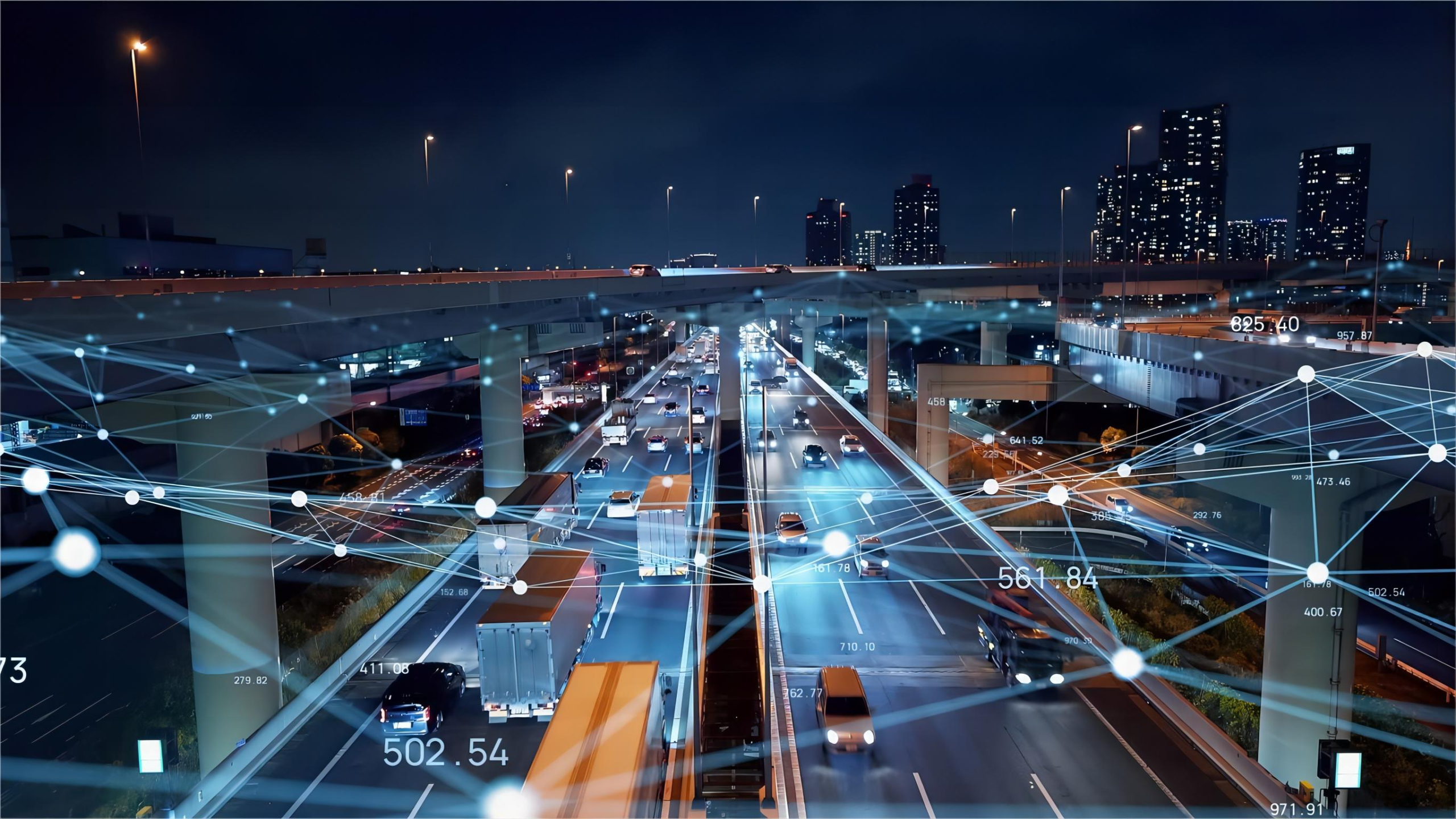
Specifically, the Trans-Eurasian rail network connects major Chinese industrial hubs like Xi’an, Chengdu, and Zhengzhou directly to European terminals. This modern Silk Road utilizes high-speed rail corridors to move 20GP, 40GP, and 40HQ containers across thousands of miles. Choosing rail freight allows shippers to bypass the congested maritime routes often seen in the South China Sea.
Furthermore, the process involves sophisticated coordination between different national rail systems. Consequently, cargo often undergoes bogie exchanges at borders such as the Alashankou or Khorgos crossings to account for different track gauges. This seamless integration ensures that your supply chain remains resilient against port strikes or maritime weather delays.
Additionally, the infrastructure for railway shipping from china has seen significant investment throughout 2025 and into 2026. Indeed, new dry ports have opened, providing enhanced cargo handling capabilities and faster consolidation for less-than-container load (LCL) shipments. Therefore, small and medium enterprises can now access the same logistics efficiency once reserved for large corporations.
How Does Railway Shipping Compare to Other Shipping Options?
Objectively, selecting the right transport mode depends on your specific cargo volume and delivery schedule. While sea freight remains the cheapest option for massive bulk, it often suffers from longer lead times and unpredictable port congestion. In contrast, railway shipping from china offers a fixed schedule that is significantly more reliable for just-in-time manufacturing.
Moreover, the environmental impact is a growing concern for modern businesses in 2026. Rail transport produces substantially lower CO2 emissions compared to air freight, making it a sustainable choice for green supply chains. Below is a detailed comparison of the primary shipping methods available for the China-to-Europe route.
| Shipping Method | Cost Range | Transit Time | Best For |
|---|---|---|---|
| Air Freight | High ($5-9/kg) | 5-9 Days | Urgent/High Value |
| Rail Freight | Medium ($150-250/CBM) | 15-22 Days | Mid-sized/Regular |
| Sea Freight | Low ($80-120/CBM) | 35-45 Days | Bulk/Non-urgent |
Typical Transit Times for Railway Shipping From China in 2026
Generally, the transit time for rail shipments has stabilized as of Q1 2026. Most trains departing from Central China reach major European hubs like Warsaw or Duisburg within 14 to 18 days. However, the total door-to-door duration must account for local trucking and customs clearance at both ends.
For instance, a shipment from a factory in Shenzhen might take 3 days to reach the rail terminal in Xi’an. After the rail journey, final mile delivery in Germany or France usually adds another 2 to 4 days. To summarize, you should plan for a 22 to 25-day window for a complete end-to-end delivery cycle.
| Origin City | Destination | Rail Transit | Total Door-to-Door |
|---|---|---|---|
| Xi’an | Warsaw, Poland | 12-14 Days | 18-20 Days |
| Chengdu | Hamburg, Germany | 15-17 Days | 21-23 Days |
| Zhengzhou | Liege, Belgium | 16-18 Days | 22-24 Days |
| Chongqing | Budapest, Hungary | 14-16 Days | 20-22 Days |
Calculating Railway Shipping From China Costs
Budgeting for your logistics requires an understanding of both freight rates and ancillary charges. In 2026, railway shipping from china costs are influenced by fuel surcharges and seasonal demand spikes. Typically, a full container load (FCL) for a 40HQ container ranges between $3,500 and $5,500 depending on the specific route and time of year.
Nevertheless, LCL rates are more economical for smaller volumes, often quoted per cubic meter. You must also factor in terminal handling charges (THC), documentation fees, and insurance. For a comprehensive solution, many importers choose door to door services to simplify their billing and avoid hidden costs.
Note: Freight rates are subject to change based on fuel costs, carrier capacity, and seasonal demand. Contact us for a current quote tailored to your specific shipment.
| Container Type | Europe West | Europe East | Central Asia |
|---|---|---|---|
| 20GP FCL | $2,800 – $3,600 | $2,400 – $3,100 | $1,500 – $2,200 |
| 40HQ FCL | $4,200 – $5,800 | $3,800 – $4,900 | $2,500 – $3,400 |
| LCL (per CBM) | $180 – $260 | $150 – $220 | $90 – $140 |
Essential Customs Documentation for Rail Freight
Proper documentation is the cornerstone of a successful import strategy. Because rail routes cross multiple borders, your paperwork must be flawless to prevent delays at transit points. Utilizing a professional customs brokerage ensures that your commercial invoices, packing lists, and certificates of origin comply with both Chinese and destination country regulations.
Specifically, the International Consignment Note (CIM) is the primary transport document for rail. This document functions similarly to a Bill of Lading in sea freight, serving as a contract of carriage. Furthermore, you must ensure that HS codes are accurately declared to avoid heavy fines or cargo seizures during spot checks.
Case Studies: Successful Rail Shipments in 2026
Case Study 1: Solar Panel Distribution. Route: Xi’an, China to Hamburg, Germany. Cargo: 500 Solar Inverters, 28 CBM, 4500 kg. Container: 1 x 40HQ. Shipping Details: Direct rail service via Alashankou. Cost Breakdown: Rail Freight $4,850, Origin Charges $450, Destination Charges $600. Total Landed Cost: $5,900. Timeline: 16 days rail, 23 days door-to-door. Key Insight: Choosing rail saved 15 days compared to sea freight, allowing the client to meet a strict installation deadline.
Case Study 2: Electronics Retailer. Route: Chengdu, China to Warsaw, Poland. Cargo: Consumer Electronics, 12 CBM. Container: LCL. Shipping Details: Consolidation service. Cost Breakdown: Freight $2,100, Customs $350. Total Landed Cost: $2,450. Timeline: 14 days rail, 20 days door-to-door. Key Insight: LCL rail allowed the retailer to maintain lower inventory levels by shipping smaller batches more frequently.
Case Study 3: Fast Fashion Apparel. Route: Zhengzhou, China to Liege, Belgium. Cargo: Textiles, 65 CBM. Container: 2 x 40HQ. Shipping Details: Weekly block train service. Cost Breakdown: Total Landed Cost $11,200. Timeline: 18 days rail. Key Insight: Based on Q3 2025 market rates, the client avoided the 2026 peak season sea freight surcharges by locking in rail contracts early.

Which Option Should You Choose? A Decision Framework
Choosing the best shipping method requires a strategic look at your business priorities. If your primary goal is cost reduction and you have a 50-day lead time, sea freight is unbeatable. However, for high-value goods like automotive parts or electronics, the faster transit time of railway shipping from china justifies the higher freight rate.
Consider air freight only for emergency stockouts or extremely high-margin items where every hour counts. For regular, high-volume trade between Asia and Europe, rail provides the most balanced supply chain solution. Consequently, many large retailers now split their shipments: 70 percent via sea for base stock and 30 percent via rail for seasonal peaks.
Final Thoughts on Rail Logistics
To summarize, railway shipping from china has become a cornerstone of modern international trade in 2026. It provides a unique combination of speed, reliability, and environmental sustainability that neither sea nor air can match individually. By integrating rail into your logistics strategy, you can significantly reduce lead times while maintaining a healthy bottom line. Trust China Freight Hub to handle your complex rail requirements and ensure your cargo arrives safely and on time.

Need a tailored shipping solution?
Ready to optimize your supply chain with reliable railway shipping from china? Contact our logistics experts at China Freight Hub today for a personalized quote and expert guidance on your next shipment. Send Inquiry: https://chinafreighthub.com/