

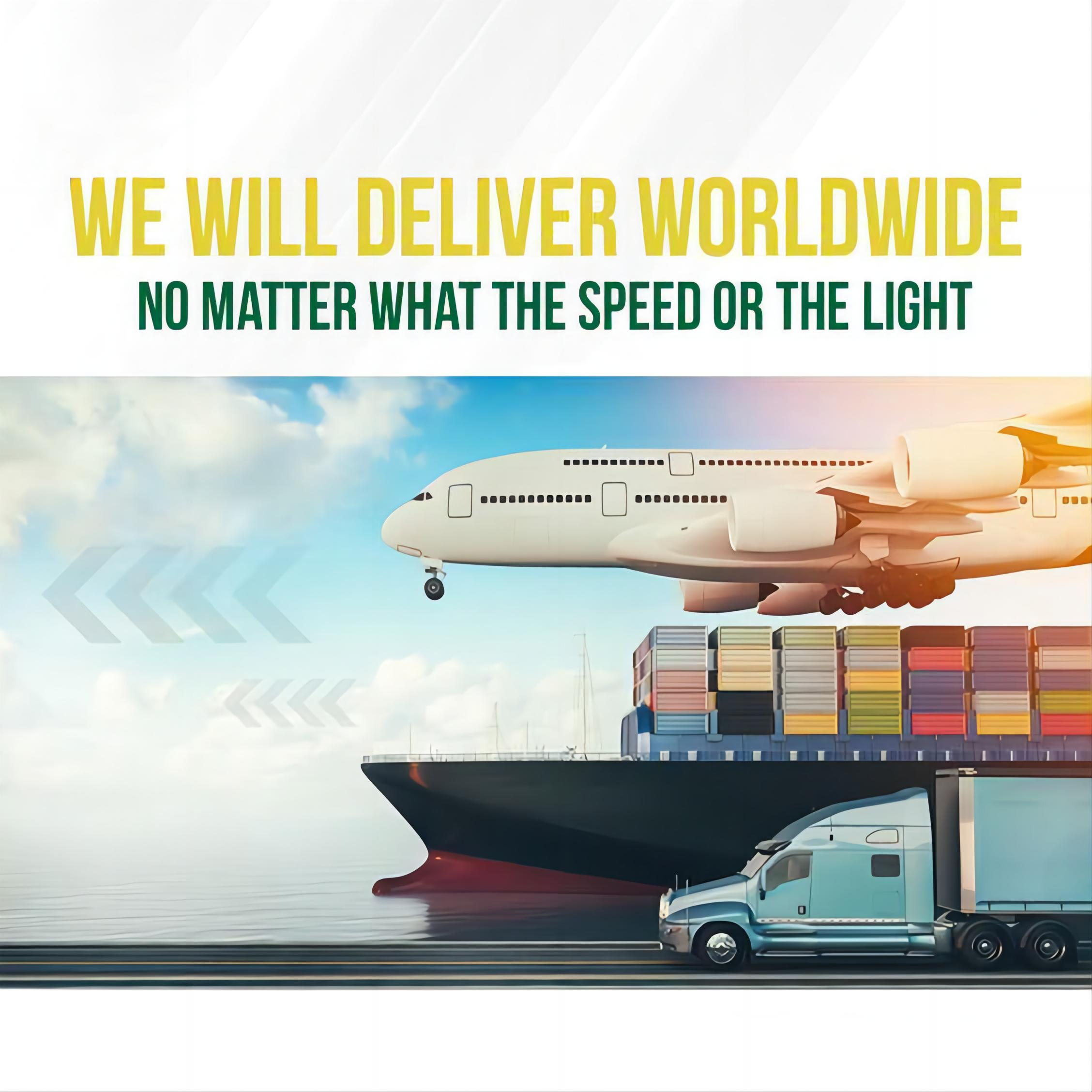
FBA Logistics China: Your Ultimate 2026 Guide to Amazon Shipping
“Navigating the complexities of global trade requires a robust strategy, especially when managing your Amazon inventory. Efficiently handling FBA logistics China is the cornerstone of a successful e-commerce business in today’s competitive market. China Freight Hub provides the expertise and infrastructure necessary to ensure your products reach Amazon fulfillment centers safely and on time.”
What is FBA Logistics China and Why is it Critical in 2026?
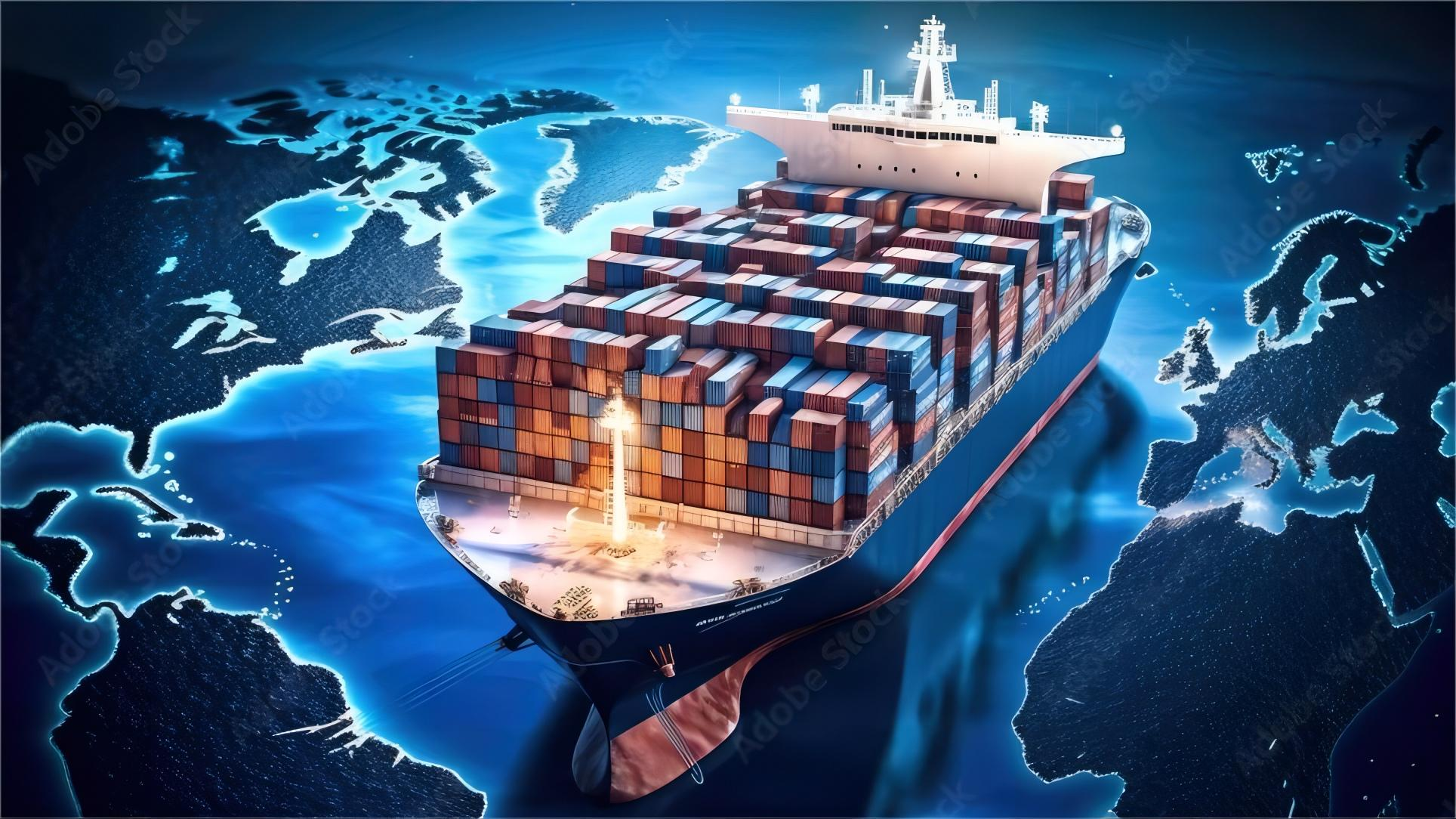
❖FBA logistics China refers to the entire process of moving goods from Chinese manufacturers to Amazon fulfillment centers across the globe. Consequently, this involves sourcing, quality control, international freight, customs clearance, and final mile delivery. Specifically, in 2026, the landscape has evolved with more integrated digital tracking and stricter compliance requirements at destination ports.
Sellers must prioritize efficiency because even minor delays in the supply chain can lead to stockouts and lost rankings. Therefore, choosing a partner that understands the nuances of Amazon’s strict receiving guidelines is essential. Meanwhile, market conditions in 2026 show a stabilization of rates, yet capacity management remains a top priority for high-volume sellers.
Logistics trends currently emphasize sustainability and speed, with many carriers adopting greener fuels and faster routing. Furthermore, the integration of real-time data allows sellers to monitor their shipments with unprecedented accuracy. As a result, those who master their logistics strategy gain a significant competitive advantage in the global marketplace.
How to Choose the Right Shipping Method for FBA Logistics China?
❖Choosing the appropriate shipping method depends largely on your budget, cargo volume, and required delivery speed. For instance, sea freight remains the most economical choice for large, heavy shipments that do not require immediate delivery. Conversely, air freight offers the speed necessary for high-value goods or urgent inventory replenishment.
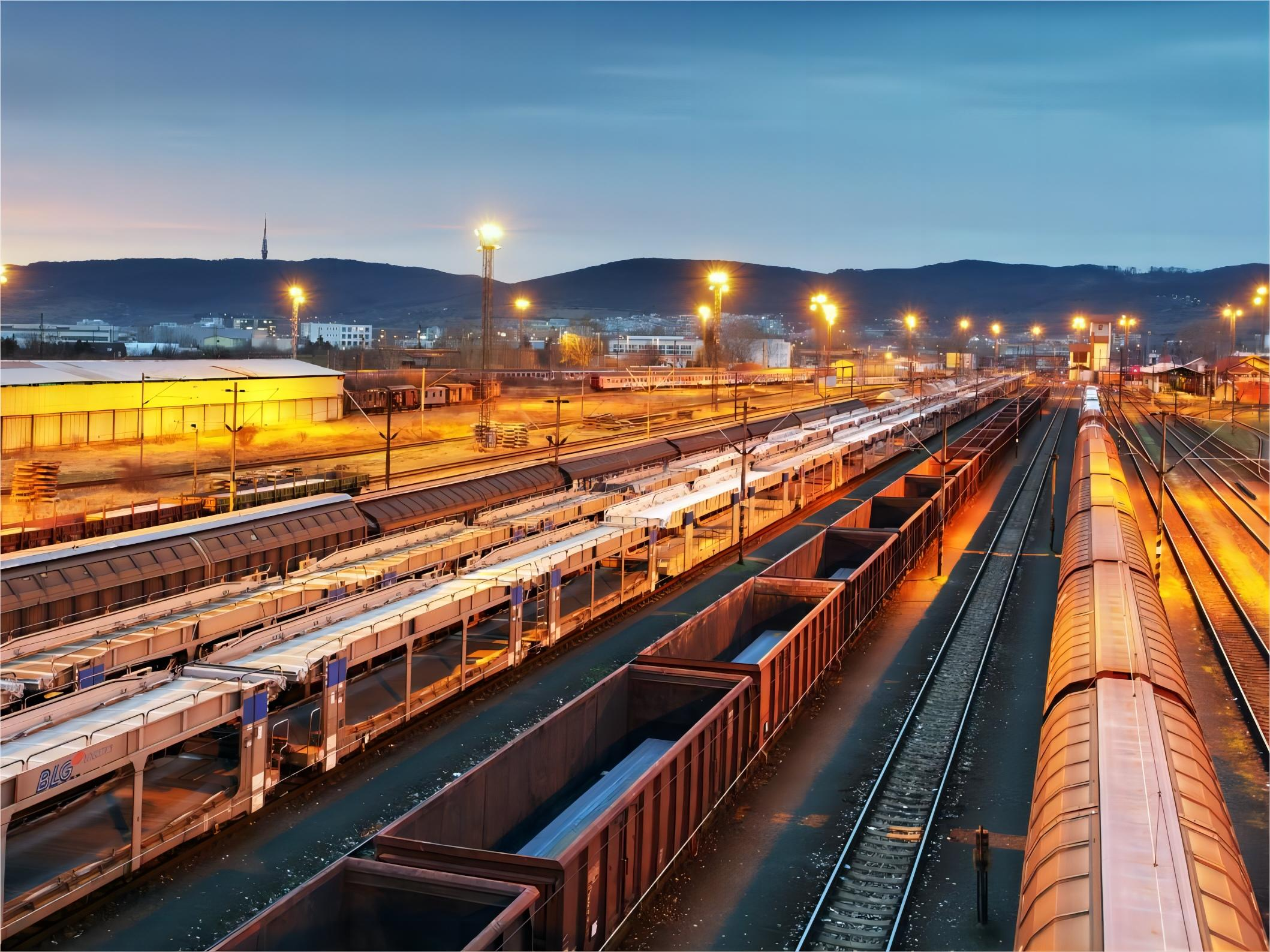
Additionally, rail freight has become a viable middle ground for shipments destined for Europe, offering a balance between cost and transit time. However, sellers must evaluate the specific needs of their product line before committing to a mode of transport. Indeed, a hybrid approach often yields the best results for maintaining a consistent inventory flow without overspending on logistics.
| Method | Transit Time | Cost Level | Best For |
|---|---|---|---|
| Air Freight | 5-9 Days | High | Urgent/High-Value |
| Sea Freight (FCL) | 18-35 Days | Low | Bulk Inventory |
| Sea Freight (LCL) | 22-40 Days | Medium | Small Shipments |
| Rail Freight | 15-22 Days | Medium | Europe Shipments |

Understanding Shipping Costs and Transit Times for 2026
❖Shipping costs for Amazon FBA are influenced by fuel surcharges, seasonal demand, and carrier capacity. Specifically, in early 2026, we have seen ocean freight rates stabilize compared to the volatility of previous years. Nevertheless, sellers should always account for peak season increases which typically occur between August and October.
Transit times vary significantly based on the destination and the efficiency of the port of discharge. For example, shipments to the US West Coast are considerably faster than those heading to the East Coast or inland warehouses. Consequently, planning your production schedule around these transit windows is vital for maintaining healthy inventory levels.
Note: Freight rates are subject to change based on fuel costs, carrier capacity, and seasonal demand. Contact us for a current quote tailored to your specific shipment.
| Route | Rate Range | Transit Time | Frequency |
|---|---|---|---|
| China to USA West | $2,800 – $3,800 | 14-18 Days | Daily |
| China to USA East | $4,500 – $6,000 | 30-35 Days | Weekly |
| China to Europe | $3,000 – $4,200 | 28-35 Days | Bi-Weekly |
| China to Australia | $1,400 – $2,000 | 12-18 Days | Weekly |
How Does Sea Freight Compare to Other Shipping Options?
❖While sea freight is the backbone of FBA logistics China, it is not always the optimal choice for every scenario. Specifically, while a 40HQ container might cost $3,500, sending the same volume via air could exceed $20,000. However, the air shipment arrives in a fraction of the time, which is critical for new product launches or seasonal spikes.
Direct routes typically cost 10-15% more than transshipment options but save significant time and reduce the risk of cargo handling damage. Moreover, choosing between FCL (Full Container Load) and LCL (Less than Container Load) requires a careful analysis of your total volume. For shipments under 15 CBM, LCL is often more economical, though it may involve longer transit times due to consolidation processes.
| Method | Cost Range | Transit Time | Best For | Limitations |
|---|---|---|---|---|
| Sea Freight | $0.50-$1.50/kg | 20-45 Days | Bulk Goods | Slow Speed |
| Air Freight | $4.00-$8.00/kg | 5-10 Days | Urgent Stock | High Cost |
| Rail Freight | $1.50-$3.00/kg | 15-25 Days | Europe Routes | Limited Areas |
| Express | $6.00-$12.00/kg | 3-5 Days | Samples | Very Expensive |
Which Option Should You Choose? A Decision Framework
❖Budget priority dictates a heavy reliance on sea freight and LCL shipping to minimize overhead. If your margins are tight, planning far in advance allows you to utilize the slowest, cheapest routes without impacting your sales. Furthermore, consolidation services in China can help reduce costs by combining multiple supplier orders into a single shipment.
Speed priority requires air freight or expedited sea services like Matson, which offer faster discharge and inland delivery. When stock levels are dangerously low, the cost of air freight is often justified by the profit preserved from staying in stock. Additionally, hybrid solutions like sea-air combinations can offer a compromise between speed and expenditure.
Cargo type also plays a role in your decision. For instance, oversized or hazardous materials may be restricted from air transport or require specialized sea containers. Therefore, always consult with your logistics partner to ensure your cargo complies with carrier and Amazon safety regulations.
The Role of Customs Brokerage in FBA Logistics China
❖Navigating international regulations is one of the most challenging aspects of FBA logistics China. A professional customs brokerage service ensures that all documentation is accurate and compliant with local laws. Consequently, this prevents costly delays and potential seizures of goods at the border.
Documentation requirements in 2026 have become more stringent, particularly regarding product safety and origin verification. Specifically, customs authorities now require detailed electronic manifests well before the vessel arrives. Therefore, working with an experienced broker who stays updated on these changes is a prerequisite for smooth operations.
Importers must also be aware of duty rates and potential trade barriers that could affect their landed cost. By conducting a thorough duty analysis before shipping, you can avoid unexpected expenses and maintain your pricing strategy. Ultimately, a proactive approach to customs is the best way to ensure your supply chain remains uninterrupted.
Door to Door vs. Port to Port: What is Best for Amazon Sellers?
❖Most Amazon sellers prefer a door to door service because it simplifies the entire logistics chain. In this model, the freight forwarder handles everything from the factory pickup in China to the final delivery at the FBA warehouse. As a result, the seller can focus on marketing and sales rather than managing multiple logistics providers.
Port to port shipping may offer lower base rates but requires the seller to manage customs and inland transportation separately. This often leads to hidden costs and coordination headaches, especially for those not based in the destination country. Indeed, for the majority of FBA businesses, the convenience and predictability of door-to-door solutions outweigh the minor cost savings of a port-to-port arrangement.
Furthermore, door-to-door services often include FBA prep and labeling, ensuring that your goods meet Amazon’s strict requirements upon arrival. This reduces the risk of shipments being rejected by the fulfillment center. Consequently, investing in a comprehensive service package is often the most cost-effective long-term strategy for growing brands.
Real-World Case Studies for FBA Logistics China
❖Case Study 1: Electronics Shipment to USA West Coast. Route: Shenzhen, China to Los Angeles, USA. Cargo: Consumer Electronics, 18 CBM, 4,500 kg. Container: LCL. Shipping Details: Major carrier, Port of Loading: Shenzhen, Port of Discharge: Los Angeles. Route Type: Direct. Cost Breakdown: Ocean Freight: $1,450, Origin Charges: $350, Destination Charges: $650, Customs: $1,200. Total Landed Cost: $3,650. Timeline: Booking to Loading: 3 days, Sea Transit: 16 days, Customs Clearance: 2 days, Total Door-to-Door: 25 days. Key Insight: Utilizing a direct LCL route saved 10 days compared to transshipment options.
Case Study 2: Apparel Shipment to Germany. Route: Ningbo, China to Hamburg, Germany. Cargo: Cotton Apparel, 68 CBM, 12,000 kg. Container: 40HQ. Shipping Details: COSCO, Port of Loading: Ningbo, Port of Discharge: Hamburg. Route Type: Direct. Cost Breakdown: Ocean Freight: $3,800, Origin Charges: $450, Destination Charges: $800, Customs: $2,500. Total Landed Cost: $7,550. Timeline: Booking to Loading: 5 days, Sea Transit: 32 days, Customs Clearance: 3 days, Total Door-to-Door: 45 days. Key Insight: Bulk shipping via 40HQ minimized the per-unit cost for high-volume seasonal inventory.
Case Study 3: Kitchenware to UK. Route: Shanghai, China to Felixstowe, UK. Cargo: Stainless Steel Cookware, 25 CBM, 6,000 kg. Container: 20GP. Shipping Details: Maersk, Port of Loading: Shanghai, Port of Discharge: Felixstowe. Route Type: Direct. Cost Breakdown: Ocean Freight: $2,400, Origin Charges: $400, Destination Charges: $700, Customs: $1,800. Total Landed Cost: $5,300. Timeline: Booking to Loading: 4 days, Sea Transit: 34 days, Customs Clearance: 2 days, Total Door-to-Door: 48 days. Key Insight: Early booking allowed the seller to lock in Q1 2026 rates before the spring peak.
Common Challenges in FBA Logistics China and Solutions
❖Port congestion and equipment shortages remain persistent challenges in the global shipping industry. For example, during peak seasons, finding available containers in major Chinese hubs like Shanghai or Ningbo can be difficult. Therefore, we recommend booking your shipments at least 3-4 weeks in advance to secure space and equipment.
Documentation errors are another frequent cause of delays and extra costs. Simple mistakes on a commercial invoice or packing list can lead to intensive customs exams. Specifically, ensuring that your HS codes are accurate and that your product descriptions match the physical goods is essential for a smooth clearance process.
Amazon’s changing warehouse policies also require constant vigilance. If your labels are incorrect or your pallets are not built to specification, Amazon may refuse the shipment or charge significant non-compliance fees. Consequently, working with a forwarder that specializes in FBA logistics China is the best way to mitigate these operational risks.
Mastering Your FBA Logistics Strategy
Successfully managing FBA logistics China is a multi-faceted challenge that requires careful planning, expert partnerships, and a deep understanding of the global shipping market. By choosing the right transport mode and staying informed about 2026 market trends, you can ensure your inventory remains stable and your costs stay under control.
Reliability and transparency are the most important factors when selecting a freight forwarder. As the e-commerce landscape continues to evolve, having a partner like China Freight Hub will allow you to navigate the complexities of international trade with ease. Start optimizing your Amazon supply chain today to secure your success for the rest of 2026 and beyond.
Ready to streamline your logistics?
Streamline your supply chain and reduce costs with our expert FBA logistics China services. Whether you need sea, air, or rail freight, we provide reliable and transparent solutions tailored to your Amazon business. Contact us today to request a custom quote and start shipping with confidence. Visit our website to learn more: Visit https://chinafreighthub.com/services/amazon-fba/
Request Quote