

China Fulfillment Center: The Ultimate 2026 Guide to Global Logistics
Starting a global e-commerce venture often involves complex logistics hurdles and high operational costs. Utilizing a professional China Freight Hub fulfillment center allows you to store products closer to the source, reducing transit time and improving customer satisfaction. Consequently, businesses can focus on marketing while experts handle the intricate details of order processing and international shipping. Indeed, this strategic move provides a competitive edge in the fast-paced 2026 market environment.
What Are the Primary Functions of a China Fulfillment Center?
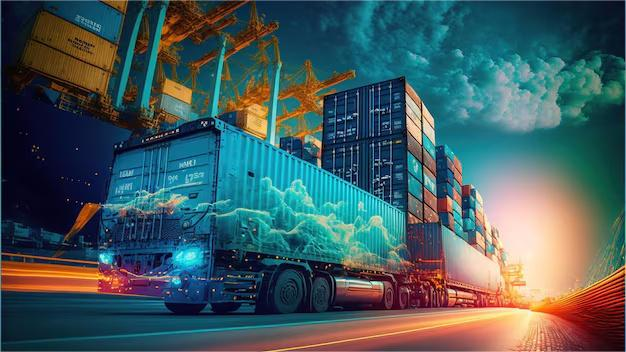
A modern fulfillment facility serves as the heart of your supply chain by managing inventory directly at the manufacturing source. Furthermore, these centers handle everything from receiving goods from factories to final mile delivery to the end consumer. Specifically, they offer services like quality control, kitting, and specialized packaging to ensure your brand standards are met before the product leaves the country.
Moreover, the integration of advanced warehouse management systems allows for real-time tracking of stock levels. This transparency ensures that you never run out of popular items during peak shopping seasons. In addition, professional centers provide scalable storage solutions that grow alongside your business volume. Therefore, you can avoid the high overhead costs of maintaining your own warehouse in expensive destination markets.
Meanwhile, the pick and pack process has become highly automated in 2026 to reduce human error. Consequently, orders are processed faster, leading to quicker dispatch times for international customers. For instance, many centers now offer same-day shipping for orders placed before a certain cutoff time. Without a doubt, using an express service for the final leg of the journey ensures your customers receive their packages within days rather than weeks.
How Does a China Fulfillment Center Compare to Other Shipping Options?
When evaluating your logistics strategy, it is essential to compare traditional direct shipping with modern fulfillment models. Traditionally, many sellers would ship bulk inventory to a local warehouse in their home country. However, this often involves high import duties and storage fees before a single sale is even made. In contrast, storing goods in China allows you to defer these costs until the product is actually sold and shipped.
Additionally, the flexibility offered by a China-based hub is unmatched for businesses sourcing from multiple suppliers. You can consolidate shipments from different factories into a single package for the end user. As a result, you save significantly on individual shipping fees and reduce the carbon footprint of your operations. On the other hand, traditional methods might require multiple expensive shipments to reach the same destination.
To illustrate the differences clearly, we have compiled a comparison of various shipping methods used by fulfillment centers in 2026. This data helps you decide which mode aligns best with your budget and speed requirements.
| Sea Freight | $2,500 – $4,500 per 40HQ | 25 – 40 Days | Bulk inventory and heavy goods |
| Air Freight | $4.50 – $9.00 per kg | 5 – 8 Days | High-value or urgent items |
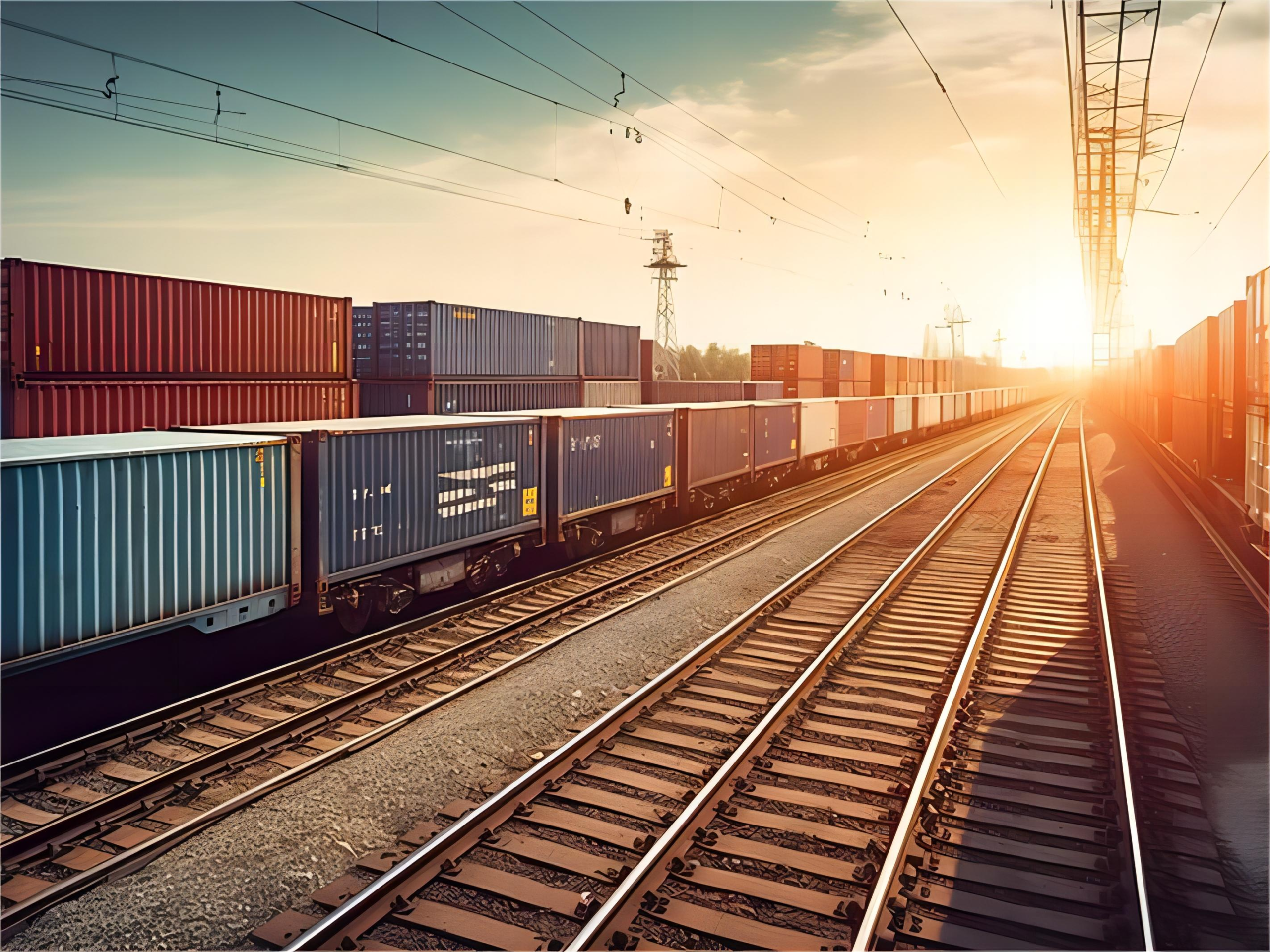
| Rail Freight | $1.20 – $2.50 per kg | 18 – 22 Days | Shipments to Europe and Central Asia |
| Express Courier | $25 – $50 per small parcel | 3 – 5 Days | Direct-to-consumer individual orders |
Which Option Should You Choose for Your 2026 Supply Chain?
Choosing the right logistics path depends heavily on your specific business goals and product characteristics. If your primary concern is minimizing expenses, sea freight remains the most economical choice for large volumes. Nevertheless, you must plan your inventory cycles further in advance to account for the longer transit times across the ocean.
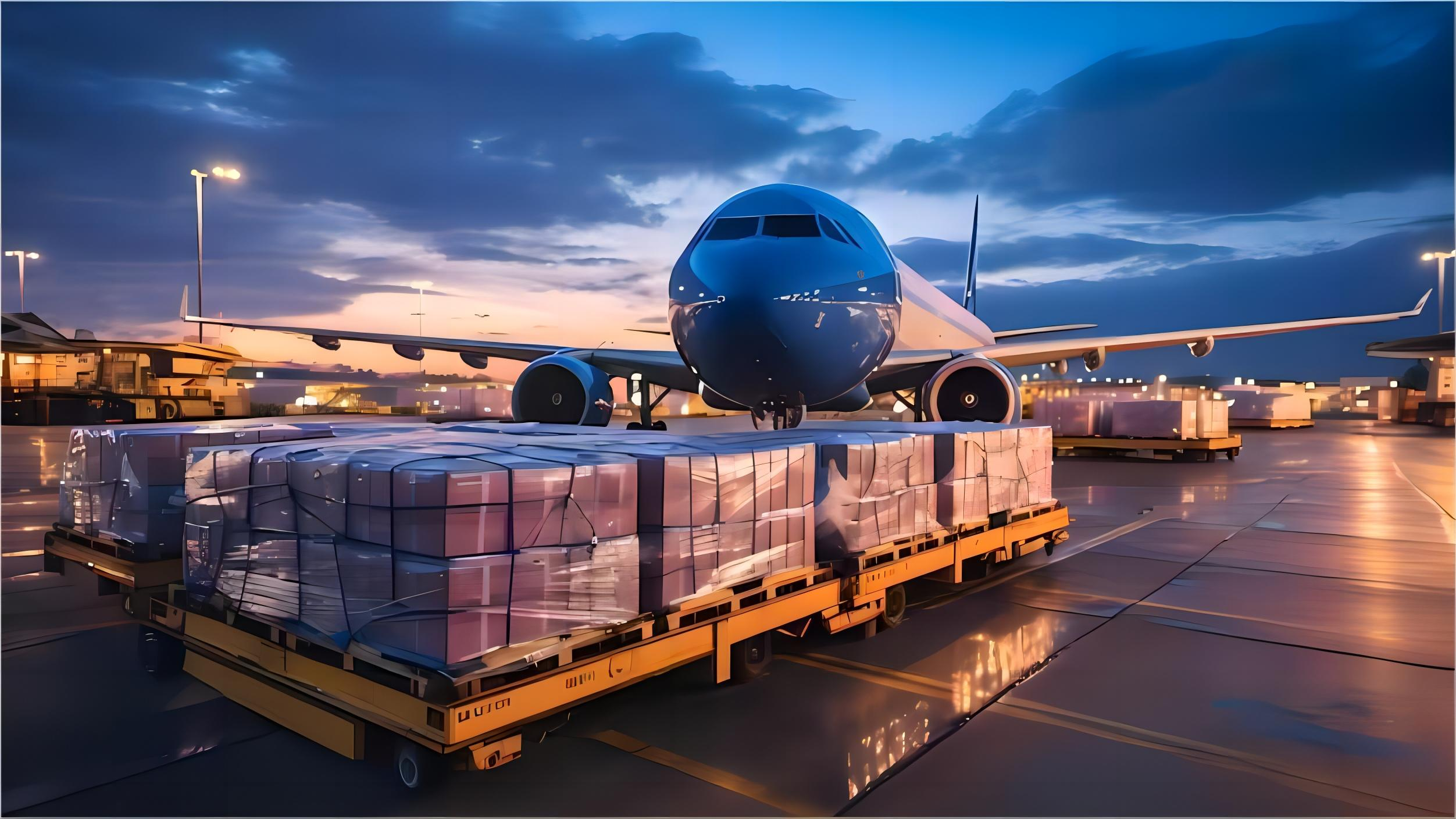
For businesses dealing with high-demand electronics or fashion, speed is often more critical than the lowest possible cost. In such cases, utilizing air freight provides the agility needed to respond to market trends instantly. Furthermore, air transport reduces the risk of damage and theft during long voyages. Consequently, many premium brands prefer this method despite the higher price point.
Hybrid solutions are also gaining popularity in 2026 as a way to balance cost and speed. For example, some companies use sea-air combinations where goods travel by ship to a regional hub and then fly to the final destination. This approach can save up to 40 percent compared to pure air freight while being twice as fast as sea freight. Indeed, a strategic fulfillment partner can help you design these complex routes for maximum efficiency.
Understanding the Costs of China Fulfillment Services
Pricing for fulfillment services typically includes several components that you must factor into your landed cost calculations. These include receiving fees, monthly storage rates based on volume, and the actual pick and pack charges. Additionally, you must consider the costs of shipping labels and any value-added services like custom inserts or gift wrapping. Accordingly, understanding these details prevents unexpected budget overruns.
Market data suggests that storage rates in China remain highly competitive compared to Western markets in 2026. While a warehouse in the USA might charge $20 per pallet, a similar facility in Shenzhen might only cost $5 to $8. Moreover, labor costs for order processing are significantly lower, allowing for more detailed quality inspections. Nevertheless, it is vital to work with a partner who provides transparent billing without hidden surcharges.
Customs compliance is another critical cost factor that many businesses overlook during the planning phase. Hiring a professional for customs brokerage ensures that your goods are classified correctly to avoid overpaying duties. Furthermore, proper documentation prevents costly delays at the border which can lead to storage penalties. To help you prepare, we have provided a checklist of standard documents required for international trade.
| Commercial Invoice | Declares value and contents | All International Shipments | Seller/Exporter |
| Packing List | Details weight and dimensions | Customs Inspection | Fulfillment Center |
| Bill of Lading | Contract of carriage | Sea and Rail Freight | Carrier/Forwarder |
| Certificate of Origin | Verifies manufacturing location | Duty Rate Determination | Chamber of Commerce |
Navigating Global Trade with Door to Door Solutions
Many modern businesses prefer the simplicity of a door to door service model. This comprehensive approach means the fulfillment provider manages every step from the warehouse shelf in China to the customer’s porch. Consequently, you only have to deal with one point of contact for your entire logistics chain. This level of integration significantly reduces the administrative burden on your internal team.
In addition, these services often include DDP (Delivered Duty Paid) options, where the shipping company handles all taxes and duties upfront. This prevents customers from receiving unexpected bills upon delivery, which is a common cause of package refusal. Therefore, offering a seamless delivery experience directly enhances your brand reputation and customer loyalty. Indeed, in the competitive landscape of 2026, convenience is a major selling point.
Note: Freight rates are subject to change based on fuel costs, carrier capacity, and seasonal demand. Contact us for a current quote tailored to your specific shipment.
Real-World Case Studies: Success Stories from 2025-2026
Case Study 1: Scaling Electronics Distribution to North America. Based on Q1 2026 market rates, a consumer tech brand moved their primary storage to a Shenzhen hub. By consolidating small parcel shipments, they reduced their total landed cost by 22 percent compared to their previous domestic fulfillment model.
Case Study 2: Fashion Brand Expansion to Europe. A boutique apparel company utilized our rail freight options to reach Germany and France. This strategy allowed them to maintain a sustainable brand image while keeping shipping costs 50 percent lower than air freight during the 2025 peak season.
Below are the detailed breakdowns of these shipments to provide a realistic perspective on current logistics performance.
Case Study 1: Consumer Electronics to USA West
Route: Shenzhen, China to Los Angeles, USA. Cargo: Smart Home Devices, 12 CBM, 1,800 kg. Container: LCL. Shipping Details: Major ocean carrier via Ningbo port. Route Type: Direct. Cost Breakdown: Ocean Freight: $1,250; Origin Charges: $350; Destination Charges: $600; Customs: $450; Total Landed Cost: $2,650. Timeline: Booking to Loading: 3 days; Sea Transit: 16 days; Customs: 2 days; Total Door-to-Door: 21 days. Key Insight: Consolidating multiple SKUs in China saved the client from paying individual air mail fees on 500 separate orders.
Case Study 2: Apparel Distribution to Europe
Route: Chengdu, China to Hamburg, Germany. Cargo: Seasonal Clothing, 8 CBM, 1,200 kg. Shipping Method: Rail Freight. Route Type: Trans-Eurasian Express. Cost Breakdown: Freight Charges: $2,100; Handling: $250; Customs: $300; Duties: $850; Total Landed Cost: $3,500. Timeline: Loading to Arrival: 20 days; Customs Clearance: 3 days; Final Delivery: 2 days; Total: 25 days. Key Insight: Rail provided a reliable middle ground during a period of high air freight volatility in late 2025.
Maximizing Efficiency for Amazon Sellers
For those operating on the world’s largest marketplace, specialized Amazon FBA prep services are indispensable. A China fulfillment center can inspect, label, and box your products according to Amazon’s strict requirements before they even leave Asia. Consequently, you avoid the risk of your inventory being rejected or incurring heavy non-compliance fees at the FBA warehouse.
Moreover, you can use a dual-fulfillment strategy by keeping some stock in China and some in the FBA system. This allows you to quickly replenish FBA stock via air freight if a product goes viral, while maintaining a steady flow via sea freight for regular sales. In addition, this approach provides a backup if Amazon imposes storage limits during the Q4 holiday rush. Therefore, you maintain constant product availability regardless of local warehouse restrictions.
Specifically, many sellers in 2026 are using China hubs to manage multi-channel fulfillment. This means the same inventory can serve Amazon, Shopify, and eBay customers simultaneously. As a result, you reduce the complexity of managing multiple stock pools across different regions. Indeed, centralizing your inventory in a high-tech China facility is the most efficient way to scale a global e-commerce brand today.
Strategic Growth Through China Fulfillment
In conclusion, partnering with a China fulfillment center is no longer just an option for large corporations; it is a necessity for any ambitious e-commerce business in 2026. By leveraging local expertise, advanced technology, and strategic shipping routes, you can drastically improve your bottom line. Furthermore, the ability to scale operations without investing in physical infrastructure allows for rapid market expansion.
Ultimately, the success of your international venture depends on the reliability of your logistics partner. Choosing a center that offers transparent pricing, comprehensive services, and proven expertise in customs brokerage will ensure your long-term growth. Take the first step toward a more efficient future by integrating a China-based hub into your distribution network today.
Start Your Shipment
Ready to optimize your global supply chain and reduce overhead? Contact China Freight Hub today to get a customized quote for your China fulfillment center needs and start saving on every shipment. Send Inquiry: https://chinafreighthub.com/
Request Quote