

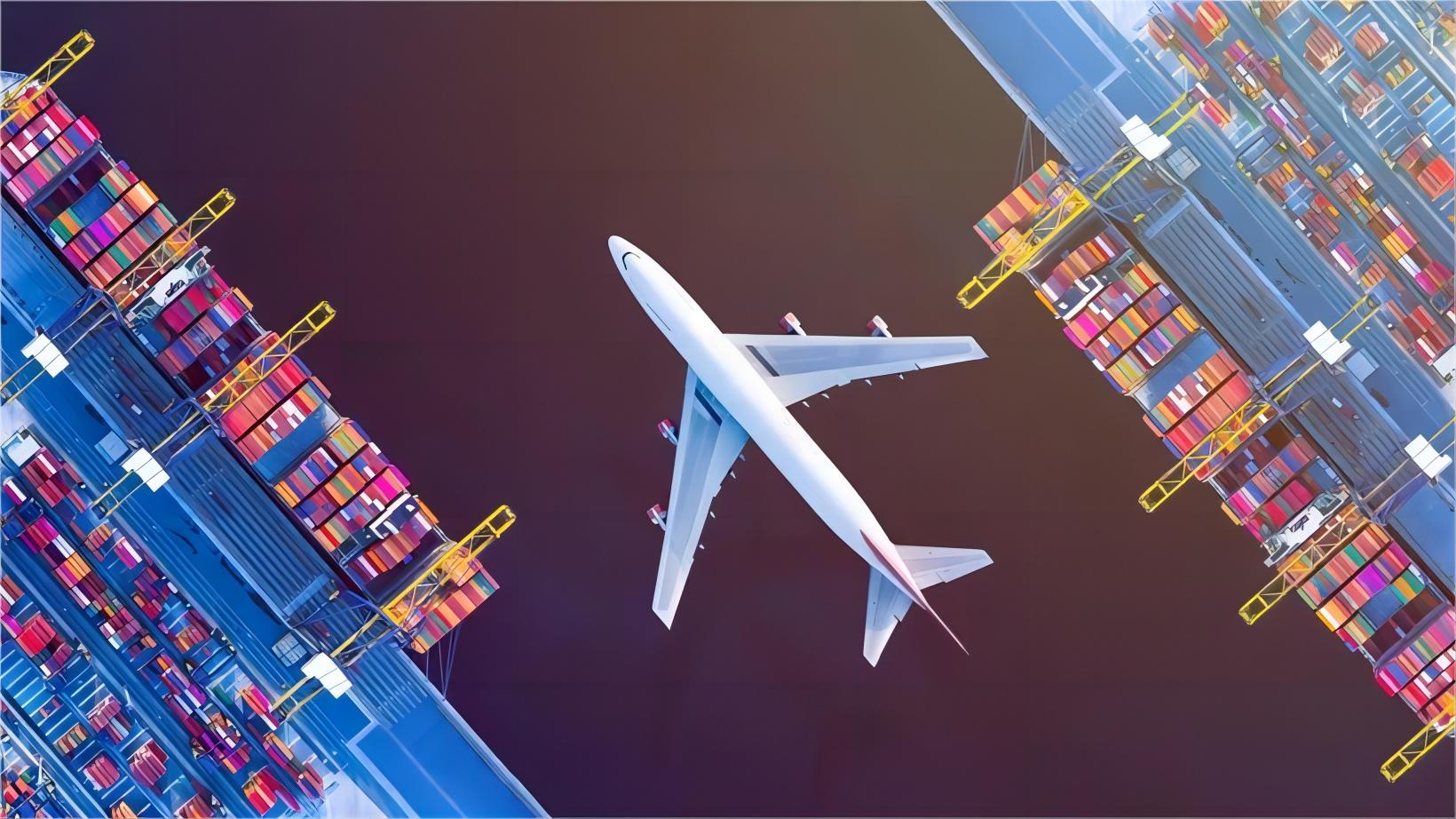
Shipping Agent China: Expert Logistics and Freight Solutions for 2026
Finding a reliable shipping agent china is the most critical step for any business looking to import goods from Asian markets in 2026. Without a professional partner, navigating complex logistics and changing regulations becomes a significant burden on your supply chain efficiency. This guide explores how to optimize your global trade operations through expert freight forwarding services and strategic planning.

Why You Need a Shipping Agent in China for Global Trade?
Managing international logistics requires deep expertise in local regulations and carrier networks. Consequently, a dedicated agent acts as your eyes and ears on the ground to ensure cargo safety. They handle everything from factory pickup to final delivery, which reduces the risk of costly delays.
Moreover, the logistics landscape in 2026 has become increasingly digital and fast-paced. Therefore, having a partner who understands real-time tracking and automated documentation is essential. Indeed, professional agents leverage their relationships with carriers to secure better freight rates than individual shippers could obtain.
Additionally, these experts provide value-added services such as quality inspections and cargo consolidation. As a result, you can combine multiple small orders into a single shipment to save on overall costs. Furthermore, they navigate the complexities of local labor laws and port operations to keep your schedule on track.
How Does Sea Freight Compare to Other Shipping Options?
When moving large volumes of goods, sea freight remains the most economical choice for most businesses. However, it requires careful planning due to longer transit times compared to air or express services. In 2026, ocean carriers have improved their scheduling, yet seasonal fluctuations still impact availability.
For shipments exceeding 15 cubic meters, a full container load (FCL) usually provides the best value. On the other hand, less than container load (LCL) is ideal for smaller batches that do not require a whole unit. Meanwhile, businesses must weigh the cost savings against the 30 to 40-day transit times common for long-haul routes.
Specifically, the table below illustrates how different methods stack up in terms of cost and speed. Choosing the right one depends entirely on your budget priorities and how quickly you need your inventory to arrive at its destination.
| Shipping Method | Cost Range | Transit Time | Best For | Limitations |
|---|---|---|---|---|
| Sea Freight (FCL) | Low ($2,500 – $4,500) | 25-40 Days | Bulk Goods | Slowest Speed |
| Air Freight | High ($5.50 – $9.00/kg) | 3-7 Days | High-Value Items | Weight Limits |
| Rail Freight | Medium ($1.50 – $3.00/kg) | 15-22 Days | Mid-range Budget | Land Routes Only |
| Express Service | Very High ($9.00+/kg) | 2-4 Days | Samples/Urgent | Highest Cost |
What Are the Benefits of Professional Air Freight Services?
If your business deals with perishable goods or high-tech electronics, air freight is the superior choice. Although the costs are significantly higher, the speed of delivery allows for much tighter inventory control. Consequently, you can respond faster to market trends and consumer demand without holding massive amounts of stock.
Furthermore, air transport offers enhanced security for sensitive cargo. Because the handling points are fewer than sea freight, the risk of damage or theft is greatly reduced. Indeed, most air shipments arrive at their destination within a week, including time for customs clearance and local delivery.
Nevertheless, businesses should be aware of volumetric weight calculations which can increase costs for light but bulky items. Therefore, it is important to optimize your packaging to minimize wasted space. In addition, working with an agent helps you find the best flight paths and avoid congested hubs during peak seasons.
Can Rail Freight Improve Your Supply Chain to Europe?
Rail logistics have become a vital middle ground for companies shipping between China and Western markets. For instance, rail transit is often twice as fast as sea freight while costing significantly less than air transport. This makes it an excellent alternative for automotive parts and industrial machinery that require a balance of speed and cost.
Accordingly, the Silk Road rail routes have expanded in 2026 to include more destination cities across the continent. However, it is important to note that rail is not an option for routes to Australia or North America due to geographical constraints. Meanwhile, for land-locked destinations, it provides a direct and reliable solution.
Additionally, rail freight is considered more environmentally friendly than air transport. As more companies focus on sustainability, this method helps reduce the overall carbon footprint of your supply chain. Thus, it serves as a strategic tool for both cost management and corporate responsibility.
How Does Amazon FBA Integration Work for Sellers?
E-commerce entrepreneurs often rely on specialized Amazon FBA shipping services to streamline their operations. This process involves shipping products directly from Chinese factories to Amazon fulfillment centers worldwide. Consequently, sellers can avoid the hassle of intermediate storage and local logistics management.
Moreover, a professional agent ensures that all packaging meets Amazon strict requirements. For example, improper labeling or palletizing can lead to rejected shipments at the warehouse. Therefore, using an experienced forwarder prevents these common pitfalls and ensures your products are ready for sale immediately upon arrival.
In addition, agents often provide inspection services before the goods leave China. This step is crucial because it identifies quality issues before the items are shipped across the ocean. As a result, you maintain high seller ratings and avoid the high costs associated with international returns.
Why Is Customs Brokerage Essential for Import Compliance?
Navigating the legal requirements of international trade is perhaps the most challenging aspect of importing. Specifically, customs brokerage services ensure that your documentation is accurate and compliant with local laws. Without this expertise, your cargo could be seized or subjected to heavy fines by customs authorities.
Indeed, the regulations in 2026 require detailed electronic filings and precise HS code classifications. For instance, a small error in the commercial invoice can lead to significant delays at the port of entry. Furthermore, professional brokers help you identify potential duty exemptions or trade agreements that could save you money.
Consequently, investing in professional brokerage is a form of insurance against supply chain disruptions. They manage the payment of duties and taxes on your behalf, ensuring a smooth transition through the border. Meanwhile, they stay updated on changing trade policies so your business remains ahead of any regulatory shifts.
What to Expect When Shipping from China to North America?
Routes to North America are among the busiest in the world, requiring sophisticated logistics management. Whether you are shipping to the West Coast or the East Coast, transit times and costs vary significantly based on the port of entry. For example, shipping to Los Angeles is generally faster but can face more congestion than smaller ports.
Furthermore, inland transportation from the port to your warehouse must be coordinated carefully. This often involves a combination of trucking and rail, known as intermodal transport. Therefore, a shipping agent who can manage the entire door-to-door process is invaluable for maintaining your delivery schedule.
Additionally, market data from early 2026 suggests that freight rates have stabilized, though peak season surcharges still apply during the late summer months. As a result, booking your shipments at least 3-4 weeks in advance is recommended to secure space on major carriers. In contrast, last-minute bookings often come with a significant price premium.
| Route | 20GP Container | 40HQ Container | Transit Time |
|---|---|---|---|
| China to USA West Coast | $1,800 – $2,400 | $3,000 – $3,800 | 14-20 Days |
| China to USA East Coast | $2,800 – $3,600 | $4,800 – $5,800 | 30-35 Days |
| China to UK / Europe | $2,100 – $2,900 | $3,600 – $4,600 | 30-38 Days |
| China to Australia | $900 – $1,300 | $1,500 – $2,200 | 12-18 Days |
How Do Logistics Trends Impact Shipping to Europe and Australia?
Shipping goods to Europe involves navigating diverse port systems and varying regional regulations. For instance, northern ports like Rotterdam offer excellent infrastructure but can be prone to winter weather delays. Conversely, Mediterranean ports might offer shorter sea transit but require more complex inland connections.
Meanwhile, shipments to Australia benefit from relatively shorter distances from major Chinese ports. However, strict biosecurity laws mean that your packaging and cargo must meet high cleanliness standards. Therefore, an agent experienced in the Australian market is essential to avoid quarantine delays or expensive cleaning fees at the border.
Moreover, logistics trends in 2026 show an increase in the use of smart containers that provide real-time temperature and humidity data. This technology is particularly useful for sensitive European wine imports or Australian agricultural exports. Consequently, businesses are increasingly choosing carriers that offer these advanced tracking capabilities.
Which Shipping Option Should You Choose?
Deciding on the best logistics strategy requires a clear understanding of your business priorities. If your primary goal is to minimize costs, sea freight is almost always the best choice for large shipments. However, you must be prepared to manage the longer lead times and carry higher inventory levels to compensate for the slow transit.
On the other hand, if you are launching a new product or need to restock quickly, air freight provides the necessary speed. For shipments that fall between these two extremes, rail freight or sea-air hybrid solutions offer a balanced approach. Specifically, for volumes under 100kg, express courier services are usually the most efficient and cost-effective option.
Ultimately, the best strategy often involves a mix of different methods. For example, you might ship 80 percent of your stock via sea freight to save money and 20 percent via air freight to ensure you never run out of inventory. Therefore, consult with your shipping agent to develop a customized logistics plan that fits your specific needs.
Real-World Case Studies and Logistics Scenarios
Case Study 1: High-Volume Electronics to the United States. Route: Shenzhen, China to Los Angeles, USA. Cargo: Electronic components, 68 CBM, 12,000 kg. Container: 40HQ. Shipping Details: Major carrier, direct route. Cost Breakdown: Ocean Freight $3,250, Origin Charges $450, Destination Charges $600, Customs and Duties $1,200. Total Landed Cost: $5,500. Timeline: 22 days door-to-door. Key Insight: Booking 4 weeks in advance saved the client 15 percent on peak season surcharges.
Case Study 2: Furniture Shipment to Germany. Route: Ningbo, China to Hamburg, Germany. Cargo: Flat-pack furniture, 12 CBM, 4,500 kg. Container: LCL. Shipping Details: Transshipment via Singapore. Cost Breakdown: Ocean Freight $1,100, Origin Charges $300, Destination Charges $550, Customs and Duties $800. Total Landed Cost: $2,750. Timeline: 38 days door-to-door. Key Insight: Consolidating multiple small orders into one LCL shipment reduced the per-unit cost significantly.
Note: Freight rates are subject to change based on fuel costs, carrier capacity, and seasonal demand. Contact us for a current quote tailored to your specific shipment.
Final Thoughts on Choosing a Shipping Agent in China
In conclusion, the success of your international trade operations depends heavily on the expertise of your chosen shipping agent china. By understanding the differences between sea, air, and rail freight, you can make informed decisions that balance cost and speed effectively. Furthermore, leveraging professional customs brokerage and specialized services like Amazon FBA integration will protect your business from unnecessary risks.
As we move through 2026, staying adaptable to market trends and maintaining a strong relationship with your logistics provider is essential. Therefore, take the time to evaluate your shipping needs and choose a partner that offers the reliability and transparency your business deserves. With the right support, your global supply chain can become a powerful competitive advantage.

Start Your Shipment
Optimizing your global supply chain starts with choosing the right partner to manage your logistics. Contact China Freight Hub today to receive a customized quote for your next shipment. Our team is ready to help you navigate the complexities of being a shipping agent china and ensure your cargo arrives safely and on time. Visit our website to learn more and start your inquiry.
Request Quote