

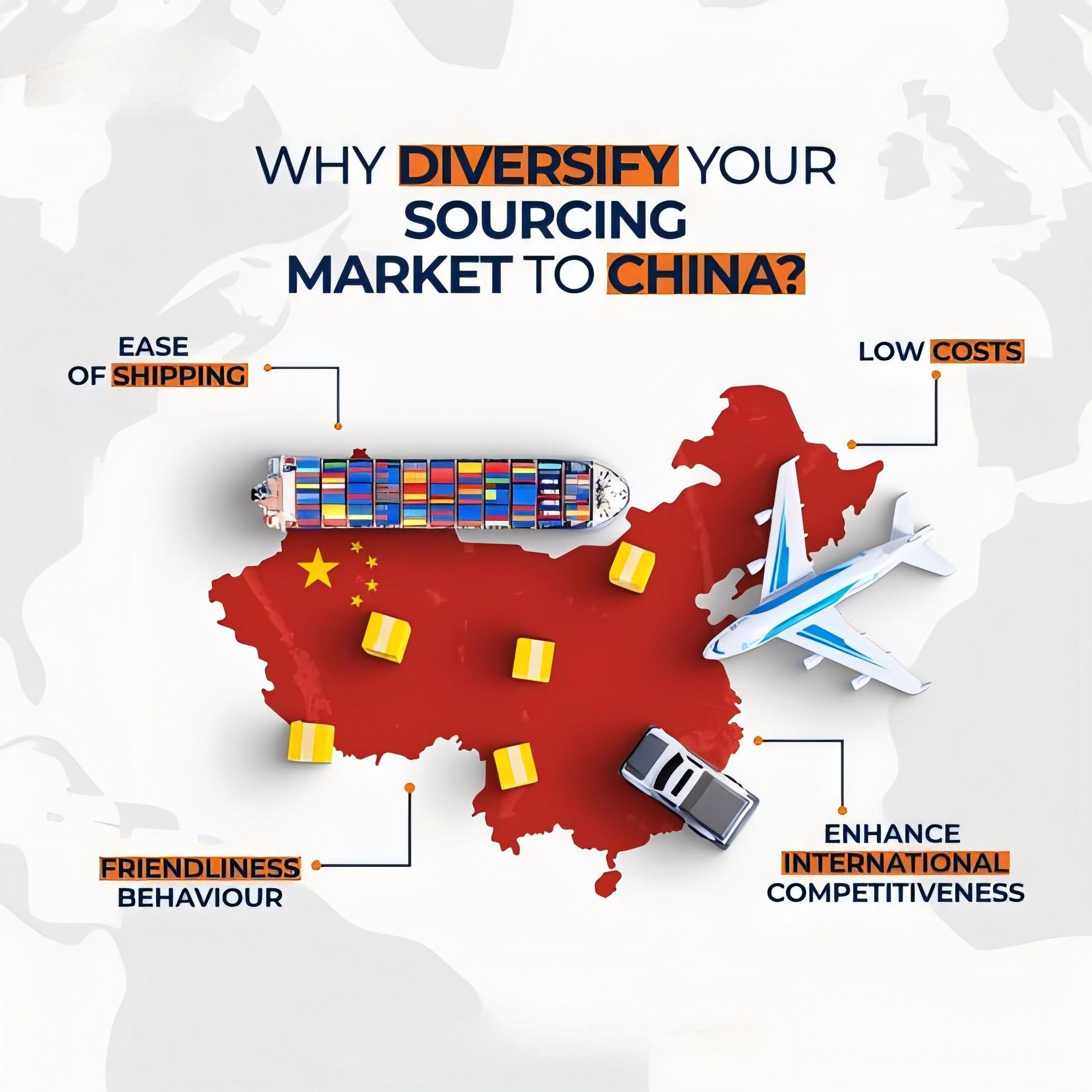
Import Shipping from China: The Ultimate 2026 Logistics Guide
“Navigating the complexities of global logistics requires a strategic approach to ensure your business remains competitive in 2026. Many entrepreneurs find that the ability to import shipping from china efficiently is the cornerstone of their supply chain success. At China Freight Hub, we specialize in simplifying these international transitions for businesses of all sizes. This comprehensive guide will provide you with the essential knowledge to manage your cargo effectively while minimizing unnecessary expenses.”

What Are the Primary Methods to Import Shipping from China?
❖Selecting the right transportation mode is the first critical decision you will face when planning your inventory movement. Most businesses rely on sea freight because it offers the most economical solution for large-scale shipments. This method is particularly suitable for bulky items or high-volume orders that do not require immediate delivery. Furthermore, ocean transport allows for both Full Container Load (FCL) and Less than Container Load (LCL) options to fit various budget constraints.
Alternatively, air freight serves as the fastest way to move goods across the globe when time is of the essence. While the costs are significantly higher than sea transport, the speed ensures that high-value electronics or fashion items reach consumers quickly. Consequently, many companies use air services to restock popular items during peak seasons or to fulfill urgent contractual obligations. You should evaluate your profit margins carefully before committing to this premium shipping method.
Moreover, rail freight has emerged as an excellent middle-ground solution for shipments destined for Europe. This method provides faster transit times than sea freight while remaining more affordable than air transport. It has become increasingly popular as the Silk Road rail networks have matured into reliable logistics corridors in 2026. Shippers often choose rail for industrial machinery and automotive parts that need a balanced approach to cost and speed.
How Much Does It Cost to Import Shipping from China in 2026?
❖Understanding current market rates is essential for accurate financial forecasting and price setting for your retail products. As of early 2026, freight rates have stabilized following the supply chain adjustments seen in previous years. However, fuel surcharges and seasonal demand still play a significant role in determining the final price you pay to carriers. For instance, shipping a standard 40-foot container to the United States West Coast currently ranges between 2,500 and 3,500 dollars depending on the specific port.
Additionally, businesses must account for local charges, documentation fees, and insurance premiums that add to the total landed cost. Many first-time importers overlook these ancillary expenses, which can lead to unexpected budget overruns during the final delivery phase. Therefore, requesting a comprehensive quote that includes all port-to-port and door-to-door fees is highly recommended. In contrast, LCL shipments are billed per cubic meter, making them ideal for smaller businesses testing new product lines.
Note: Freight rates are subject to change based on fuel costs, carrier capacity, and seasonal demand. Contact us for a current quote tailored to your specific shipment.
| Destination | 20GP Container | 40HQ Container | Avg Transit Time |
|---|---|---|---|
| USA West Coast | $1,800 – $2,400 | $2,800 – $3,800 | 14-18 Days |
| Europe Main Ports | $2,000 – $2,700 | $3,200 – $4,400 | 30-35 Days |
| Australia Ports | $900 – $1,300 | $1,500 – $2,100 | 12-20 Days |
| USA East Coast | $2,600 – $3,600 | $4,600 – $6,200 | 30-38 Days |
How Does Sea Freight Compare to Other Shipping Options?
❖Comparing different logistics strategies allows you to optimize your supply chain based on specific business goals and cargo requirements. While sea freight remains the backbone of global trade, it is not always the most effective choice for every scenario. For example, a 40HQ container from China to Europe might cost 4,000 dollars and take 35 days to arrive. Meanwhile, air freight for the same volume could exceed 20,000 dollars but delivers the goods in less than a week.
Indeed, the choice often comes down to a trade-off between the cost of capital and the cost of transportation. If your inventory is tied up on a ship for six weeks, you are essentially paying for the delay in your cash flow. On the other hand, the massive savings offered by ocean transport can be reinvested into marketing or product development. Hybrid solutions, such as sea-air via hubs like Dubai, offer a middle path for those seeking moderate speed at a lower price than pure air cargo.
| Shipping Method | Cost Range | Transit Time | Best For |
|---|---|---|---|
| Sea Freight | Lowest ($) | 30-45 Days | Bulk & Heavy Goods |
| Air Freight | Highest ($$$$) | 3-7 Days | Urgent & High Value |
| Rail Freight | Medium ($$) | 18-22 Days | China to Europe |
| Express | High ($$$) | 2-5 Days | Samples & Small Parcels |

Which Option Should You Choose for Your Business?
❖Determining the best path to import shipping from china depends on four primary factors: budget, speed, cargo type, and total volume. If your priority is absolute cost reduction, sea freight is the undeniable winner for almost any shipment over 2 cubic meters. However, if you are launching a new product and need to beat a competitor to market, air freight is the logical investment. Furthermore, you must consider the nature of your cargo, as hazardous materials or oversized machinery may have limited transport options.
Specifically, for shipments under 15 CBM, LCL at roughly 60 to 90 dollars per CBM is often more economical than renting a full container. Once you exceed the 15 CBM threshold, the flat rate of a 20GP container usually becomes the more cost-effective choice for your business. Additionally, direct routes typically cost 10 percent more than transshipment routes but can save up to a week of transit time. Weighing these trade-offs carefully will help you maintain a healthy bottom line while meeting customer expectations.
What Documents Are Required for Customs Brokerage?
❖Handling the paperwork correctly is the most important step in avoiding costly delays and potential fines at the border. Professional customs brokerage services ensure that all your declarations comply with local regulations and international trade laws. Without the proper documentation, your cargo could be held at the port for weeks, incurring significant storage fees. Consequently, you should always verify that your supplier provides a detailed commercial invoice and an accurate packing list.
Moreover, the Bill of Lading serves as the title to the goods and is required by the carrier to release the shipment to you. Depending on the product type, you might also need a Certificate of Origin to qualify for reduced duty rates under specific trade agreements. Therefore, maintaining a digital archive of all shipping documents is a best practice for modern importers. In 2026, many customs authorities have shifted to fully digital filing systems, making accuracy more critical than ever before.
| Document Name | Purpose | Required By | Criticality |
|---|---|---|---|
| Commercial Invoice | Proof of Value | Customs | Mandatory |
| Packing List | Cargo Details | Warehouse/Customs | Mandatory |
| Bill of Lading | Title to Goods | Carrier | Mandatory |
| Certificate of Origin | Duty Calculation | Customs | Optional/Advised |
How to Manage Amazon FBA Shipments from China?
❖Selling on global platforms requires a specialized logistics approach to meet the strict requirements of fulfillment centers. Utilizing an Amazon FBA shipping service can streamline this process by handling labeling, palletizing, and direct delivery. Amazon has very specific rules regarding how products must be packaged and delivered to their warehouses in North America and Europe. Failure to follow these guidelines can result in rejected shipments and additional handling fees that eat into your profits.
Furthermore, many successful sellers use a prep center in China to inspect goods before they are shipped across the ocean. This extra step ensures that any manufacturing defects are caught early, preventing negative customer reviews and high return rates. Consequently, choosing a freight forwarder with experience in FBA logistics is essential for maintaining a high seller rating. They will manage the appointment scheduling and last-mile delivery to ensure your inventory is checked in as quickly as possible.
Real-World Case Studies for 2026 Logistics
❖Reviewing actual shipping scenarios can provide valuable insights into the practical challenges and costs associated with international trade. These examples reflect the current market conditions and logistical realities businesses face when they import shipping from china in the 2026 landscape. By analyzing these cases, you can better prepare for your own shipments and avoid common pitfalls that others have encountered.
Case Study 1: Electronics Distribution Route: Shenzhen, China to Los Angeles, USA Cargo: High-end tablets, 5 CBM, 1,200 kg Service: Air Freight Cost Breakdown: – Air Freight: $6,500 – Documentation: $150 – Customs Clearance: $250 – Total Landed Cost: $6,900 Timeline: 6 days door-to-door Key Insight: The client prioritized speed to meet a product launch deadline, justifying the higher air freight expense.
Case Study 2: Home Furniture Retailer Route: Ningbo, China to Hamburg, Germany Cargo: Wooden Dining Sets, 40HQ Container Service: Sea Freight (FCL) Cost Breakdown: – Ocean Freight: $4,100 – Port Charges: $450 – Customs & Duties: $800 – Total Landed Cost: $5,350 Timeline: 34 days port-to-port Key Insight: Using a 40HQ container allowed the retailer to maximize volume and reduce the per-unit shipping cost significantly.

Why Is Understanding the Process to Import Shipping from China Essential?
❖Mastering the intricacies of international logistics allows you to build a more resilient and scalable business model. As global markets fluctuate, having a firm grasp on shipping methods and costs enables you to pivot your strategy quickly. For instance, if sea freight rates spike, you might shift to rail or air for smaller, higher-margin batches of inventory. Additionally, knowing the legal requirements prevents your goods from being caught in bureaucratic red tape at the port of entry.
Moreover, a well-managed supply chain improves customer satisfaction by ensuring that products are always in stock when needed. When you import shipping from china with professional help, you reduce the risks of damage, loss, or theft during transit. Therefore, investing time in learning these processes or partnering with an expert forwarder is a strategic move for long-term growth. In the competitive landscape of 2026, efficiency in logistics is just as important as the quality of the products themselves.
Final Thoughts on Importing from China
To summarize, the ability to import shipping from china effectively is a vital skill for any modern business involved in international trade. By choosing the right shipping method, understanding the cost structures, and managing documentation carefully, you can significantly improve your operational efficiency. Remember to stay updated on the latest 2026 market trends and maintain flexibility in your logistics planning to navigate any unforeseen challenges.
Ultimately, success in global commerce depends on the strength of your partnerships and the reliability of your logistics providers. Whether you are a small startup or a large corporation, the principles of efficient shipping remain the same: plan ahead, stay informed, and prioritize accuracy. We hope this guide has provided you with the clarity needed to take your next steps in the world of international shipping with confidence.

Ready to streamline your logistics?
Streamline your global supply chain today by partnering with the experts at China Freight Hub. Whether you need a competitive quote for sea freight or urgent air cargo solutions, our team is ready to assist you. Contact us now to discuss how we can help you import shipping from china with ease and efficiency. Visit our website or send an inquiry to get started with a personalized logistics plan.
Request Quote