

China Shipping Service: The Complete 2026 Logistics Strategy Guide
“Finding a reliable china shipping service is the cornerstone of any successful international trade operation in 2026. As global trade routes evolve and technology integrates deeper into the supply chain, businesses must navigate complex regulations and fluctuating market rates to maintain profitability. This comprehensive guide provides the essential insights needed to streamline your imports and secure the most efficient logistics pathways available today.”

What is the Best China Shipping Service for Your Business in 2026?
❖Selecting the right logistics partner requires a deep understanding of your specific cargo needs and the current market environment. In 2026, the industry has shifted toward high-tech tracking and greener fuel alternatives, which influences both cost and speed. Moreover, businesses now prioritize flexibility to handle sudden shifts in consumer demand or geopolitical changes.
Reliable freight forwarders now offer more than just transport; they provide comprehensive supply chain management. Therefore, you should evaluate potential partners based on their digital integration, customs expertise, and network of local agents. Additionally, a top-tier service will provide transparent pricing models that help you avoid hidden fees during the transit process.
Consequently, the best choice often depends on whether you value cost-savings or rapid delivery. For many, a hybrid approach that combines different modes of transport offers the perfect balance. Indeed, the right service provider will act as a strategic consultant rather than just a vendor, ensuring your goods move through the most efficient channels possible.
How Does Sea Freight Compare to Other Shipping Options?
❖Comparing different transport modes is essential for optimizing your logistics budget. While sea freight remains the most popular choice for bulk commodities, other methods offer distinct advantages for specific scenarios. For instance, air transport is unbeatable for time-sensitive electronics, while rail provides a middle ground for Eurasian routes.
Furthermore, the decision between FCL and LCL shipping significantly impacts your bottom line. Full Container Load (FCL) is generally more cost-effective for large volumes, whereas Less than Container Load (LCL) allows smaller businesses to share space and costs. Nevertheless, LCL often involves longer handling times due to the consolidation and deconsolidation processes at the ports.
Specifically, companies must weigh the environmental impact and carbon taxes that have become more prevalent in 2026. Ocean carriers are increasingly adopting LNG and methanol-powered vessels, which may affect freight rates but improve corporate sustainability ratings. As a result, choosing a method involves balancing speed, cost, and environmental responsibility.
| Shipping Method | Cost Range | Transit Time | Best For |
|---|---|---|---|
| Sea Freight | $1,500 – $4,500 per 40HQ | 18 – 40 Days | Bulk goods and large volumes |
| Air Freight | $4.50 – $9.00 per kg | 3 – 7 Days | High-value, urgent cargo |
| Rail Freight | $2,500 – $5,000 per 40HQ | 15 – 22 Days | Land-locked Europe destinations |
| Express Service | $7.00 – $15.00 per kg | 2 – 5 Days | Small parcels and samples |
Choosing Between Air and Rail for Faster Delivery
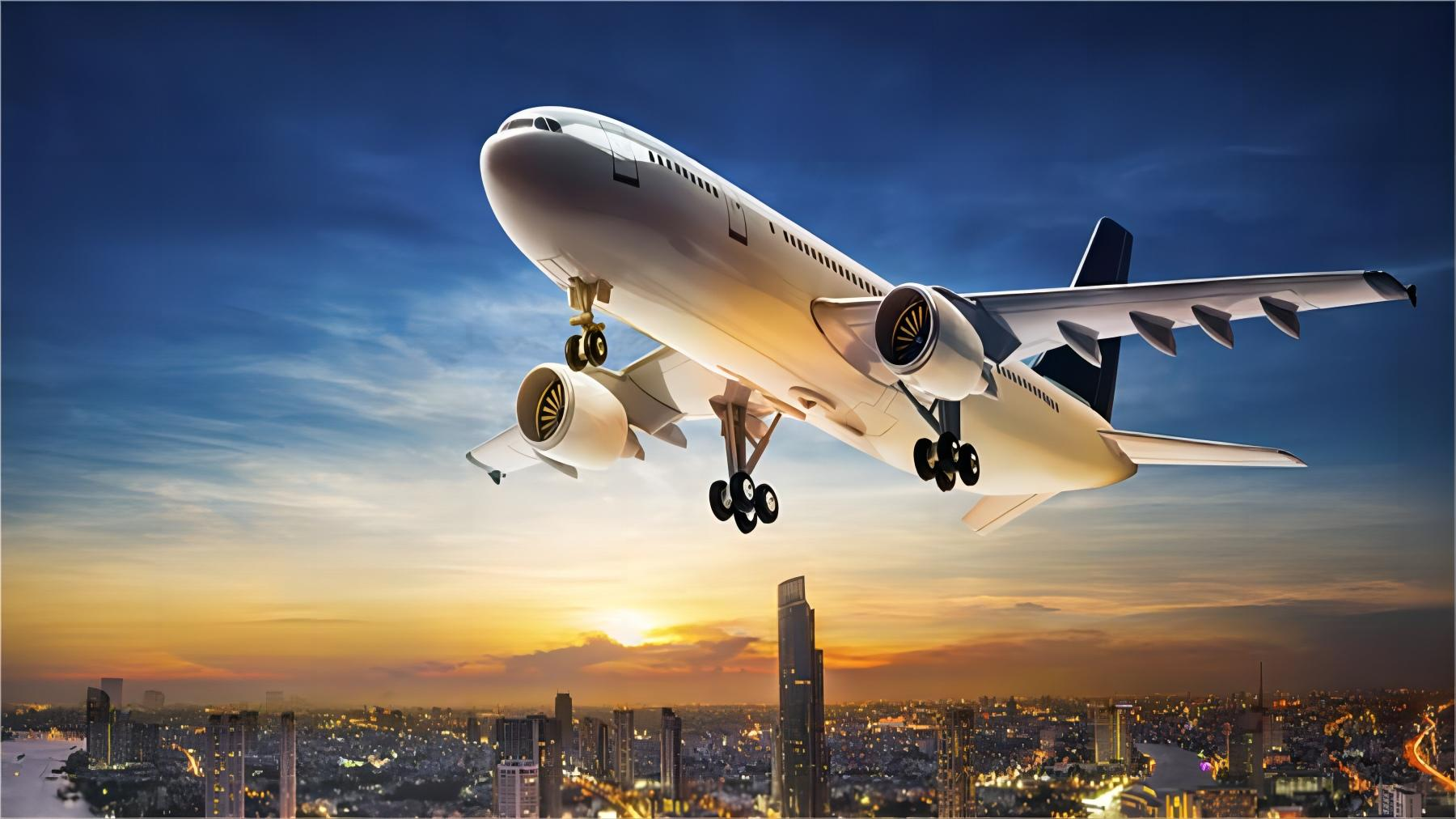
❖When speed is the primary concern, air freight stands out as the premium solution for global trade. Although the costs are significantly higher than ocean transport, the reduced transit time minimizes inventory holding costs and improves cash flow. Moreover, the high level of security in air terminals makes it ideal for shipping fragile or expensive items like medical equipment.
In contrast, rail freight has emerged as a powerhouse for the New Silk Road connecting China to Europe. This method offers a sustainable alternative that is faster than sea and cheaper than air. Consequently, many automotive and machinery manufacturers have shifted their cargo to rail to maintain tighter production schedules without the extreme expense of air transport.
Notably, the stability of rail schedules has improved significantly by early 2026. While sea routes can be affected by port congestion or weather events, rail corridors often provide more predictable arrival times. Therefore, businesses looking for a reliable mid-tier shipping speed should strongly consider rail as a core component of their logistics strategy.
Understanding 2026 Shipping Costs and Transit Times
❖Market data suggests that freight rates have stabilized in the first half of 2026 after the volatility seen in previous years. However, seasonal demand still plays a major role in pricing, with significant spikes during the pre-Lunar New Year and Q3 peak seasons. For example, rates typically increase by 20 percent during the August to October period as retailers prepare for the holiday rush.
Additionally, fuel surcharges and port handling fees vary by region and carrier. For shipments to the USA West Coast, transit times have improved due to better automation at major terminals like Long Beach and Los Angeles. Meanwhile, shipments to the East Coast via the Panama Canal may still face delays depending on water levels and transit slots.
Typically, a professional China shipping service will offer a landed cost calculation that includes all duties and taxes. This transparency is crucial for maintaining your profit margins and ensuring that your final retail price remains competitive. Without a doubt, staying informed about these cost drivers is essential for any modern importer.
| Destination | Sea (Days) | Air (Days) | Rail (Days) |
|---|---|---|---|
| USA West Coast | 14 – 18 | 3 – 5 | N/A |
| USA East Coast | 28 – 35 | 4 – 6 | N/A |
| Northern Europe | 30 – 38 | 5 – 7 | 18 – 22 |
| Australia | 12 – 18 | 3 – 5 | N/A |
Simplifying Logistics with Door to Door Solutions
❖Many modern businesses prefer a door to door service to minimize the complexity of their operations. This all-inclusive model covers everything from factory pickup in China to final delivery at your warehouse or office. Furthermore, it eliminates the need for the importer to coordinate between multiple different logistics providers and local trucking companies.
Specifically, this service is highly beneficial for e-commerce sellers using Amazon FBA platforms. By outsourcing the entire process, sellers can focus on marketing and sales while the freight forwarder handles labeling, palletizing, and customs compliance. Consequently, this leads to fewer errors and a much smoother transition through the various stages of the supply chain.
Indeed, the peace of mind offered by a single point of contact cannot be overstated. When issues arise at customs or during local delivery, your service provider takes full responsibility for resolution. As a result, the total landed cost might be slightly higher, but the savings in time and reduced risk often justify the investment for growing brands.
Case Studies: Real-World Logistics Success in 2026
❖Case Study 1: High-Volume Electronics to USA West Coast. Route: Shenzhen to Los Angeles. Cargo: Consumer Electronics, 25 CBM, 4500 kg. Container: 40GP. Carrier: Major Ocean Carrier. Port of Loading: Shenzhen. Port of Discharge: Los Angeles. Route Type: Direct. Cost Breakdown: Ocean Freight: $2,400; Origin Charges: $450; Destination Charges: $600; Customs: $1,200; Total Landed Cost: $4,650. Timeline: Booking to Loading: 3 days; Sea Transit: 15 days; Customs Clearance: 2 days; Total Door-to-Door: 24 days. Key Insight: Utilizing a direct route saved 5 days compared to transshipment options.
Case Study 2: Industrial Machinery to Germany. Route: Ningbo to Hamburg. Cargo: Precision Tools, 12 CBM, 3000 kg. Container: LCL. Carrier: Rail Service. Port of Loading: Ningbo (via Xi’an rail hub). Port of Discharge: Hamburg. Route Type: Rail. Cost Breakdown: Rail Freight: $3,200; Handling Fees: $500; Customs: $800; Total Landed Cost: $4,500. Timeline: Transit: 20 days; Customs: 3 days; Total Door-to-Door: 28 days. Key Insight: Rail provided a 40 percent cost saving over air freight while arriving 12 days faster than sea.
Case Study 3: Seasonal Apparel to Australia. Route: Shanghai to Sydney. Cargo: Summer Clothing, 18 CBM, 2000 kg. Container: LCL. Carrier: Regional Sea Carrier. Port of Loading: Shanghai. Port of Discharge: Sydney. Route Type: Direct. Cost Breakdown: Sea Freight: $1,100; Origin/Dest Charges: $700; Customs: $400; Total Landed Cost: $2,200. Timeline: Transit: 14 days; Customs: 2 days; Total Door-to-Door: 21 days. Key Insight: Early booking in Q2 avoided the Q3 peak season price hikes of 15 percent.
Strategic Tips for Reducing Your Shipping Expenses
❖Reducing your logistics costs requires a proactive approach and careful planning. One effective strategy is to consolidate multiple small shipments into a single FCL shipment whenever possible. Moreover, optimizing your packaging can reduce the volumetric weight of your cargo, leading to lower rates for both air and LCL sea freight.
Additionally, you should always negotiate rates during the off-peak season to secure more favorable long-term contracts. Many forwarders are willing to offer discounts for guaranteed volumes or consistent shipping schedules. Consequently, building a strong relationship with your China shipping service provider can lead to better service levels and priority space allocation during busy periods.
Finally, consider using bonded warehouses to defer duty payments until the goods are actually sold. This strategy improves your business’s liquidity and allows for better inventory management. Indeed, small adjustments in your shipping strategy can result in significant annual savings for your international trade business.
Final Thoughts on Navigating China Shipping in 2026
Successfully managing your international logistics requires a combination of market knowledge, strategic planning, and the right partnerships. By understanding the nuances of different freight modes and staying informed about current trends, you can ensure your goods arrive safely and cost-effectively. Whether you choose sea, air, or rail, the quality of your china shipping service will ultimately determine your operational success.
Furthermore, as technology continues to transform the industry, embracing digital tracking and automated customs processes will provide a significant competitive advantage. Always remember to factor in the total landed cost and potential seasonal fluctuations when planning your budget. With the right approach, your China-based supply chain can become a powerful engine for your business growth in the years to come.
Ready to streamline your logistics?
Ready to streamline your global logistics with a professional China shipping service? Contact China Freight Hub today to receive a competitive quote and discover how our expert team can optimize your supply chain for 2026. Send Inquiry: info@chinafreighthub.com
Request Quote