

China to UK Shipping Cost: 2026 Comprehensive Price Guide
Determining the exact china to uk shipping cost involves analyzing various logistics variables, from fuel surcharges to port congestion fees. As global trade dynamics evolve in 2026, British importers must stay informed about fluctuating freight rates to maintain healthy profit margins. Working with an experienced partner like China Freight Hub allows you to navigate these complexities with confidence and transparency. Consequently, this guide provides a detailed breakdown of current market rates and strategic advice for your upcoming shipments. Moreover, understanding the nuances of international transport will help you choose the most cost-effective method for your specific cargo needs.
✦
What Primary Factors Influence the China to UK Shipping Cost in 2026?
Several critical elements dictate the final price you pay when importing goods from Chinese manufacturing hubs to British ports. Primarily, the choice of transportation mode serves as the most significant cost driver, followed closely by the current price of marine and aviation fuel. Furthermore, seasonal demand spikes, particularly during the pre-Christmas rush and the weeks leading up to the Lunar New Year, can cause rates to double within a short period. Consequently, planning your supply chain schedule around these peak windows is essential for cost management.
Market volatility in 2026 remains influenced by regional geopolitical stability and global trade policy shifts. Additionally, port efficiency in major UK gateways like Felixstowe and Southampton plays a role in determining local handling charges and potential demurrage costs. Importers must also account for currency exchange rate fluctuations between the British Pound and the US Dollar, as most international freight contracts are settled in USD. Therefore, maintaining a buffer in your logistics budget is a prudent strategy for long-term stability.
Container availability and carrier capacity management also impact the daily spot rates for ocean transport. Specifically, when carriers implement blank sailings to maintain price floors, the cost for available space typically increases. On the other hand, an oversupply of new mega-vessels entering the market can lead to more competitive pricing for large-volume shippers. Understanding these macro-economic trends helps businesses anticipate price changes before they affect the bottom line.
Comparing Sea, Air, and Rail Freight Options for the UK Route
Selecting the right shipping method requires a careful balance between the urgency of the delivery and the available budget. For large-scale shipments where time is not the primary concern, sea freight remains the most economical solution for most businesses. However, if you are transporting high-value electronics or urgent fashion stock, the speed of air transport often justifies the higher expenditure. Rail freight has also emerged as a viable middle-ground option, offering faster transit than sea at a lower cost than air.
Each method carries its own set of advantages and limitations that affect the total landed cost. For instance, while sea freight offers the lowest price per unit, it requires longer lead times and higher inventory carrying costs. In contrast, air freight reduces the need for large safety stocks but can significantly erode profit margins on low-margin products. Consequently, many modern importers utilize a hybrid approach, split-shipping urgent items by air while the bulk of the order travels by sea.
Transit times have stabilized in early 2026, yet they remain subject to weather conditions and terminal congestion. Typically, sea freight takes between 30 and 40 days, whereas rail can reach London in 18 to 22 days. Air freight remains the fastest, usually arriving within 3 to 7 days depending on the service level chosen. Therefore, your decision should align with your customers’ expectations and your warehouse capacity.
| Method | Avg. Cost (2026) | Transit Time | Best For |
|---|---|---|---|
| Sea Freight (40HQ) | $3,500 – $4,500 | 30-40 Days | Bulk Goods |
| Air Freight (per kg) | $4.50 – $7.50 | 3-7 Days | High Value |
| Rail Freight (40HQ) | $5,500 – $7,000 | 18-24 Days | Urgent Bulk |
| Express Service | $8.00 – $12.00 | 2-4 Days | Samples |
Sea Freight Breakdown: LCL vs FCL Costs for UK Importers
Ocean transport is divided into two main categories: Full Container Load (FCL) and Less than Container Load (LCL). If your shipment is large enough to fill at least 70% of a 20ft or 40ft container, FCL is generally the most cost-effective choice. Moreover, FCL offers better security as the container is sealed at the origin and only opened at the destination. Consequently, the risk of damage or loss is significantly reduced compared to consolidated shipments.
LCL shipping allows businesses to share container space with other importers, paying only for the volume they occupy. While the base rate per cubic meter may seem attractive, LCL involves additional handling fees at both the loading and discharge ports. Furthermore, the consolidation and deconsolidation processes can add 5 to 7 days to the total transit time. Therefore, small businesses must weigh the per-unit savings of LCL against the potential for delays and higher handling charges.
Container pricing in 2026 has seen a slight increase due to updated environmental regulations and carbon taxes. Specifically, a 20ft container (20GP) from Shanghai to Felixstowe currently ranges between $2,000 and $2,800. For larger volumes, a 40ft High Cube (40HQ) container usually costs between $3,500 and $4,500. Nevertheless, these rates are subject to change based on the specific carrier and the time of booking.

Air Freight Pricing: Understanding Weight and Volume Charges
Calculating air freight expenses requires an understanding of chargeable weight, which is the higher of the actual weight or the volumetric weight. Because cargo space on aircraft is limited, carriers charge based on how much room a package occupies rather than just its mass. Consequently, bulky but light items like pillows or plastic toys can be surprisingly expensive to ship by air. To minimize these costs, businesses should focus on efficient packaging that reduces wasted space.
Standard air freight services typically utilize commercial airlines or dedicated cargo carriers to move goods between major hubs like Beijing and Heathrow. Additionally, premium express options provide door-to-door delivery with guaranteed timelines, though at a significantly higher price point. For instance, shipping a 100kg consignment via standard air might cost $500, while the express version could exceed $900. Therefore, it is vital to determine if the speed gain is worth the additional investment for your specific business model.
Market data as of early 2026 suggests that air freight rates have remained relatively high due to sustained demand for cross-border e-commerce. Currently, you can expect to pay between $4.50 and $7.50 per kilogram for shipments over 100kg. However, for smaller parcels, the rates can climb even higher. Indeed, comparing quotes from multiple carriers is the best way to ensure you are receiving a competitive market rate.
Rail Freight: The Iron Silk Road Middle Ground
The development of the rail freight network has provided a strategic alternative for UK-bound cargo. By connecting Chinese industrial cities directly to European rail hubs, this method bypasses the lengthy sea voyage around the Cape of Good Hope or through the Suez Canal. Consequently, rail transport offers a transit time of approximately 20 days, making it nearly twice as fast as sea freight. Furthermore, it is significantly more environmentally friendly than air transport, appealing to brands with strict sustainability goals.
Costs for rail freight are generally positioned between ocean and air rates, making it ideal for seasonal products that missed the sea freight window. For example, a 40ft container on the rail route might cost $6,000, which is more expensive than a ship but much cheaper than an airplane. Additionally, rail freight provides a more stable pricing structure with fewer surcharges than the volatile ocean freight market. Therefore, it serves as an excellent buffer for supply chains that require consistency and speed.
Rail infrastructure continues to improve in 2026, with more frequent departures from hubs like Xi’an and Chengdu. Meanwhile, the final leg of the journey to the UK often involves a short sea crossing or the Channel Tunnel. Because of this multi-modal nature, it is important to work with a forwarder who can manage the entire journey seamlessly. Overall, rail freight is a powerful tool for balancing the china to uk shipping cost against the need for rapid replenishment.
Real-World Case Studies for China to UK Routes
Case Study 1: Electronics from Shenzhen to London. Route: Shenzhen Port to London Gateway. Cargo: High-end consumer electronics, 28 CBM, 12,000 kg. Container: 40ft GP. Shipping Details: Direct sea freight via Maersk. Cost Breakdown: Ocean Freight $3,800, Origin Charges $450, Destination Charges $550, Customs and Duties (Estimated) $1,200. Total Landed Cost: $6,000. Timeline: Sea Transit 32 days, Total Door-to-Door 38 days. Key Insight: Booking 4 weeks in advance secured a rate 15% below the spot market average.
Case Study 2: Fashion Apparel from Shanghai to Manchester. Route: Shanghai Pudong to Manchester Airport. Cargo: Seasonal clothing, 2 CBM, 450 kg. Shipping Method: Standard Air Freight. Cost Breakdown: Air Freight $2,475 ($5.50/kg), Handling $200, Local Delivery $150, Duties $400. Total Landed Cost: $3,225. Timeline: Transit 5 days, Total Door-to-Door 8 days. Key Insight: Using air freight allowed the brand to capitalize on a viral trend before the market cooled.
Case Study 3: Household Goods from Ningbo to Felixstowe. Route: Ningbo Station to Felixstowe via Rail. Cargo: Kitchenware, 15 CBM, 6,000 kg. Container: LCL Rail. Cost Breakdown: Freight $2,100, Consolidation Fees $300, UK Customs $250. Total Landed Cost: $2,650. Timeline: Rail Transit 21 days, Total Door-to-Door 28 days. Key Insight: Rail provided the perfect balance for a mid-tier product that required faster delivery than sea but couldn’t afford air rates.
How Does Sea Freight Compare to Other Shipping Options?
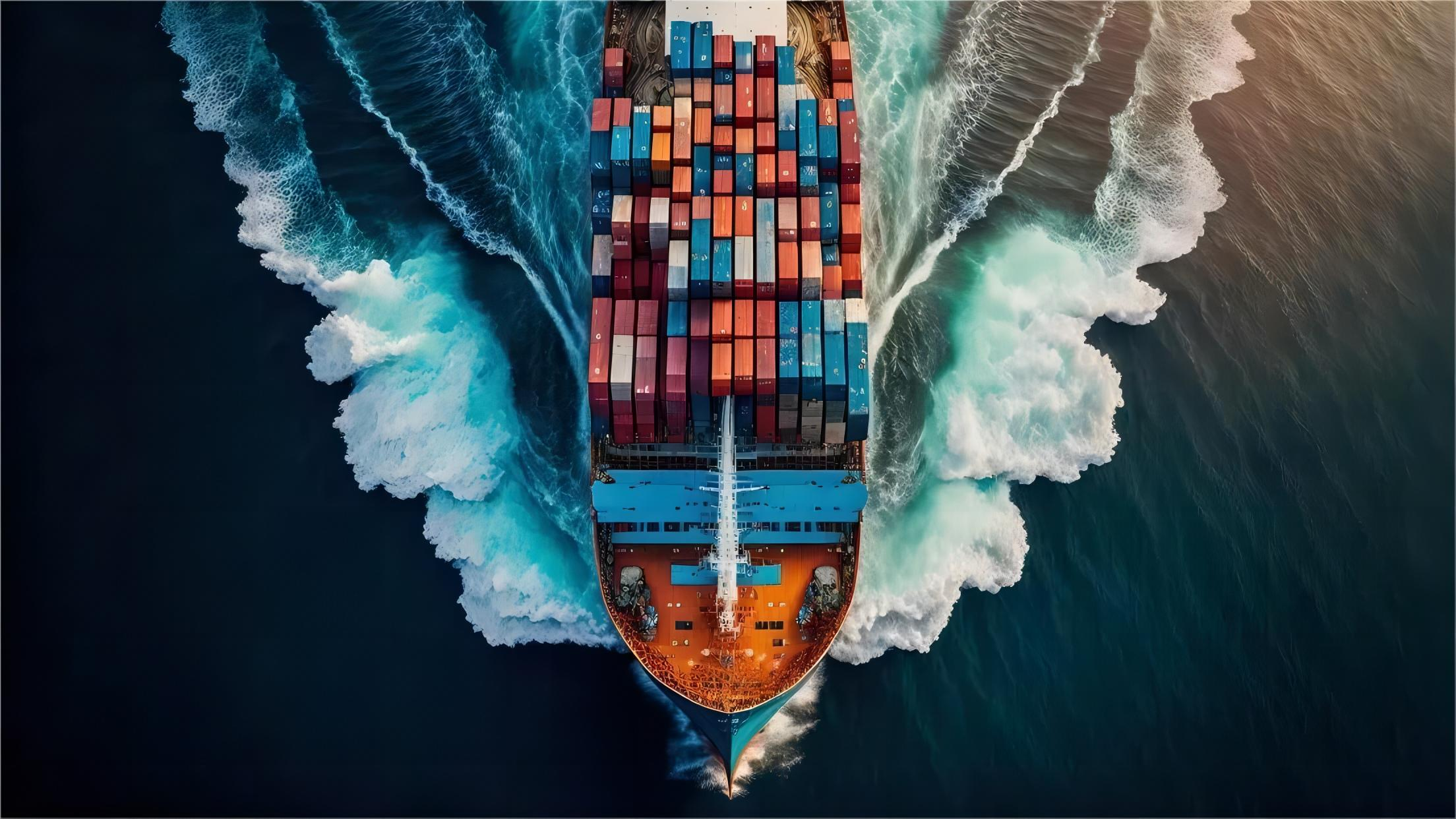
Analyzing the china to uk shipping cost through a comparative lens reveals that sea freight is unbeatable for volume but lacks the agility of other modes. While a 40HQ container costs roughly $4,000 for a 35-day journey, air freight for the same volume would be prohibitively expensive, likely exceeding $30,000. Therefore, sea freight is the foundation of most long-term supply chains. However, for shipments under 500kg, the gap between sea LCL and air freight begins to narrow when you factor in local handling fees.
Alternative strategies such as sea-air hybrid solutions are gaining popularity in 2026. This involves shipping goods by sea to a hub like Dubai and then flying them to the UK for the final leg. Consequently, this method reduces the transit time by 15 days compared to pure sea freight while keeping costs 40% lower than pure air freight. Such innovative approaches allow businesses to optimize their logistics spend based on specific inventory requirements.
Direct routes to the UK are generally 10% more expensive than transshipment routes via major European hubs like Rotterdam. Nevertheless, direct shipping saves approximately 5 to 7 days and reduces the risk of cargo damage during additional handling. For high-priority sea shipments, the extra cost for a direct service is often a worthwhile investment to ensure timely arrival at British warehouses.
| Shipping Method | Cost Range | Transit Time | Limitations |
|---|---|---|---|
| Sea Freight | $2,000 – $4,500 | 30-40 Days | Slowest Speed |
| Air Freight | $3,000 – $15,000+ | 3-7 Days | High Cost |
| Rail Freight | $5,000 – $7,500 | 18-24 Days | Limited Capacity |
| Sea-Air Hybrid | $4,000 – $8,000 | 18-22 Days | Complex Customs |
Which Option Should You Choose?
Budget priority: If your primary goal is to minimize the china to uk shipping cost, sea freight (FCL) is the clear winner for large shipments. For smaller volumes, LCL remains economical but requires careful planning to account for longer timelines. Speed priority: When time is of the essence, air freight or express services are necessary to meet tight deadlines. Cargo type: Heavy machinery and bulk raw materials are best suited for sea or rail, while perishables and high-tech components belong in the air.
Volume thresholds also play a major role in your decision-making process. For shipments over 15 CBM, moving from LCL to a 20ft FCL container often results in a lower cost per unit. Similarly, once a shipment exceeds 300kg, air freight becomes significantly more cost-effective than express courier services. For those selling on platforms like Amazon, utilizing specialized Amazon FBA shipping services can further streamline the process and reduce domestic logistics costs.
Trade-offs are inevitable in international shipping, and the ‘best’ option depends on your current business needs. In addition to cost and speed, consider the impact of potential delays on your customer satisfaction and brand reputation. Sometimes, paying a 20% premium for a more reliable rail or air service can save thousands in lost sales and penalties. To summarize, a diversified shipping strategy that uses different methods for different products is often the most resilient approach.
Hidden Costs: Customs, Duties, and Local Charges
The freight rate quoted by your forwarder is only one part of the total china to uk shipping cost. Importers must also account for UK import duties and Value Added Tax (VAT), which are calculated based on the CIF (Cost, Insurance, and Freight) value of the goods. Specifically, the UK Global Tariff applies to most goods originating from China, with rates varying significantly by product category. Consulting a professional customs brokerage service is highly recommended to ensure accurate classification and avoid costly fines.
Local charges at the UK port of entry can also add several hundred pounds to your final bill. These include Terminal Handling Charges (THC), documentation fees, and infrastructure levies imposed by the port authorities. Furthermore, if your cargo is selected for a customs inspection, you will be responsible for the examination fees and any storage costs incurred during the delay. Therefore, always ensure your documentation is 100% accurate and complete to minimize the risk of hold-ups.
Inland haulage from the port to your final warehouse is the final piece of the pricing puzzle. In 2026, trucking costs in the UK have seen moderate increases due to driver shortages and rising fuel prices. Consequently, choosing a port of discharge that is geographically close to your distribution center can significantly reduce these ‘last mile’ expenses. Overall, a comprehensive budget must include every step from the Chinese factory floor to the British customer’s door.
| Document Type | Purpose | Required For | Issuer |
|---|---|---|---|
| Commercial Invoice | Value Declaration | All Shipments | Supplier |
| Packing List | Cargo Details | All Shipments | Supplier |
| Bill of Lading | Title of Goods | Sea Freight | Carrier |
| C88 Form | Customs Entry | UK Import | Broker |
Mastering Your China to UK Logistics Strategy
Successfully managing the china to uk shipping cost requires a proactive approach and a deep understanding of the global freight market. By comparing sea, air, and rail options, businesses can find the ideal balance between speed, cost, and reliability. Furthermore, staying informed about 2026 market trends and potential hidden fees allows for more accurate budgeting and better financial health. Consequently, partnering with a knowledgeable freight forwarder is the most effective way to navigate the complexities of international trade.
As the logistics landscape continues to evolve, the most successful importers will be those who remain flexible and data-driven. Whether you are shipping a small LCL consignment or a fleet of 40HQ containers, every decision impacts your bottom line. Therefore, prioritize transparency, planning, and professional support to ensure your goods arrive safely and cost-effectively. In conclusion, while freight rates may fluctuate, a solid strategy will always provide a competitive advantage in the UK market.