

China to Germany Shipping Cost: 2026 Freight Rate Guide
Finding the most competitive china to germany shipping cost is essential for maintaining healthy profit margins in 2026. As global trade routes stabilize after recent disruptions, businesses must navigate a complex landscape of fuel surcharges and seasonal demand shifts. You can streamline your logistics by partnering with China Freight Hub to ensure efficient delivery across Europe. This comprehensive guide provides a detailed breakdown of current market rates, transit times, and strategic shipping options for your cargo.

What Determines the China to Germany Shipping Cost in 2026?
Calculating the total china to germany shipping cost requires an understanding of several dynamic market variables. Freight rates are not static and fluctuate based on global oil prices, carrier capacity, and seasonal peaks in demand. Moreover, the type of cargo you are shipping significantly influences the final quote provided by logistics providers.
Weight and volume represent the primary drivers of transport expenses across all modes of transit. For instance, heavy machinery will incur higher costs than lightweight consumer electronics due to the physical space and fuel required. Consequently, shippers must optimize their packaging to minimize dimensional weight charges that can unexpectedly inflate the budget.
Fuel surcharges remain a significant factor in the 2026 logistics environment as energy markets remain volatile. Carriers adjust these fees monthly to reflect current bunker fuel or jet fuel prices, making it vital to check for the most recent updates. Furthermore, currency exchange rates between the Euro and the Yuan can impact the landed cost of your goods.
How Does Sea Freight Compare to Other Shipping Options?
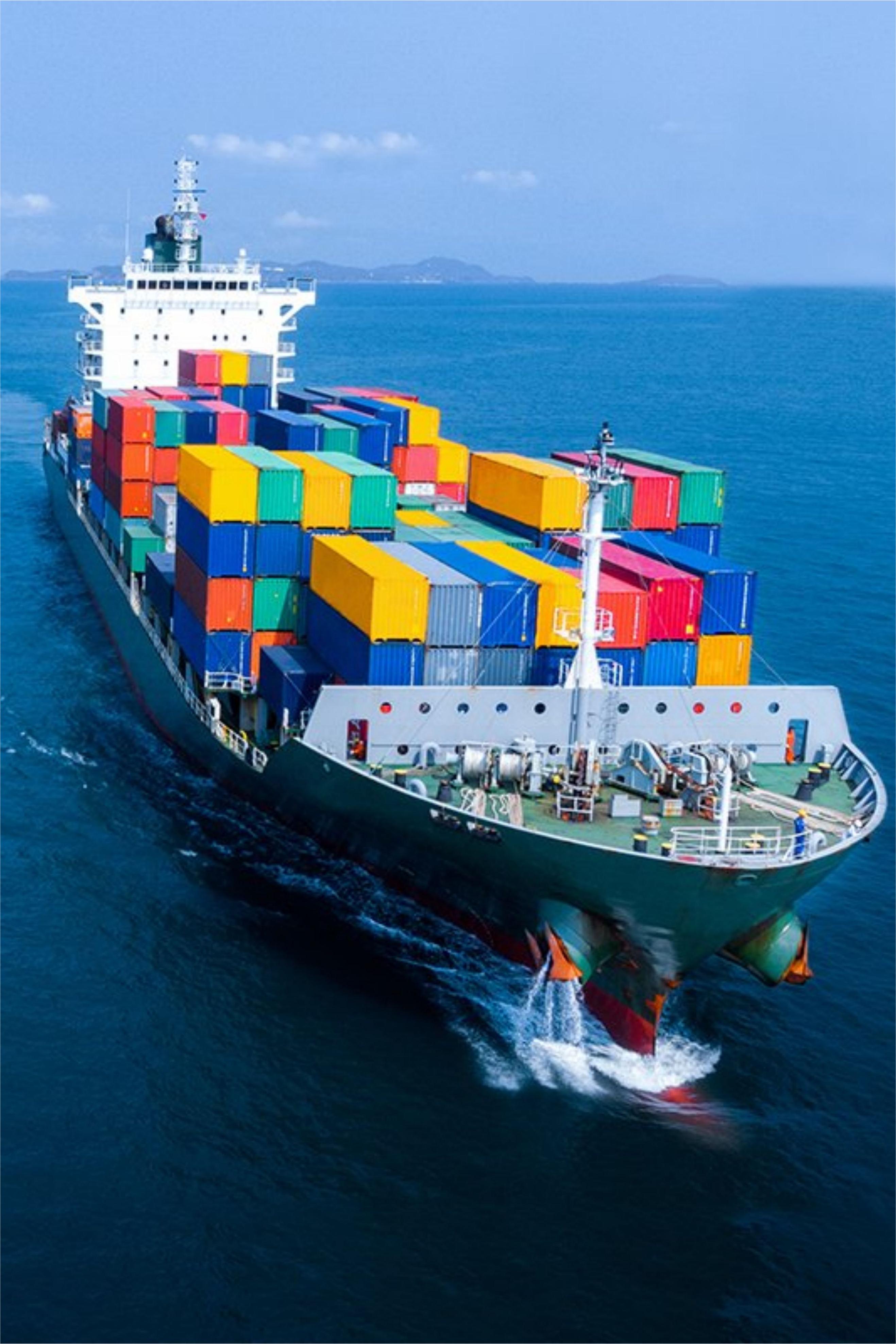
Ocean transport remains the backbone of international trade, offering the most economical china to germany shipping cost for large volumes. While it is significantly slower than air transport, the cost savings for bulk goods are often too substantial to ignore. Many businesses utilize sea freight to move containers of furniture, automotive parts, and industrial equipment.
Choosing between Full Container Load (FCL) and Less than Container Load (LCL) is a critical decision for every importer. FCL is generally more cost-effective if you have enough goods to fill at least 70 percent of a 20-foot container. On the other hand, LCL allows you to pay only for the space you use, which is ideal for smaller shipments under 15 cubic meters.
Market data suggests that sea freight rates have stabilized in early 2026 compared to the previous year. However, transit times can still vary based on port congestion in Hamburg or Wilhelmshaven. In contrast to air freight, sea transport offers a much lower carbon footprint, aligning with modern sustainability goals.
| Shipping Method | Cost Range (USD) | Transit Time | Best For |
|---|---|---|---|
| Sea Freight (FCL 40HQ) | $3,200 – $4,500 | 30-40 Days | Bulk goods and large inventory |
| Air Freight (per kg) | $4.50 – $7.50 | 5-8 Days | High-value or urgent items |
| Rail Freight (40HQ) | $4,500 – $6,500 | 18-24 Days | Mid-range budget and speed |
| Express Service | $8.00 – $12.00 | 3-5 Days | Samples and small parcels |

Air Freight vs. Sea Freight: Calculating the Price Difference
When speed is the highest priority, air freight provides the fastest connection between Chinese manufacturing hubs and German markets. This method is particularly suitable for seasonal fashion, high-tech components, or perishable goods that require rapid delivery. Nevertheless, the premium price point means it is rarely the first choice for low-margin commodities.
According to industry benchmarks, air cargo fees are calculated based on either actual weight or volumetric weight, whichever is greater. This means that bulky but light items can be surprisingly expensive to ship by plane. Therefore, many companies reserve air transport for emergency restocks or product launches where time-to-market is a competitive advantage.
Typical rates as of early 2026 show that air freight can be five to ten times more expensive than sea freight for the same volume. Additionally, airport handling fees and local trucking at both ends add to the total landed cost. Despite the high price, the reduced need for high inventory levels can sometimes offset the transport expense.
Why Rail Freight is a Strategic Middle Ground for Germany
The Iron Silk Road has become an increasingly popular alternative for those seeking a balance between cost and speed. Rail freight offers a transit time that is roughly half that of sea freight while remaining much cheaper than air. Consequently, it has become a staple for the German automotive and electronics sectors.
Shipping by rail is particularly effective for inland destinations like Munich, Nuremberg, or Stuttgart, as it avoids the need for long-haul trucking from northern ports. Moreover, the environmental impact of rail is significantly lower than that of air transport. Indeed, many European corporations are switching to rail to meet their corporate social responsibility targets.
Note: Freight rates are subject to change based on fuel costs, carrier capacity, and seasonal demand. Contact us for a current quote tailored to your specific shipment. Rail services are generally stable, but winter weather in Central Asia can occasionally cause minor schedule adjustments.
What are the Current 2026 Container Rates for Germany?
Understanding current market rates is vital for budgeting your import operations from Shenzhen, Ningbo, or Shanghai. As of Q1 2026, the industry average for a 40-foot high cube (40HQ) container to Hamburg sits between $3,500 and $4,500. These prices reflect a post-peak season stabilization that usually occurs after the Lunar New Year.
Smaller 20GP containers are currently priced between $2,000 and $2,800 depending on the specific port of loading. Furthermore, direct routes from major Chinese ports typically command a 10 percent premium over transshipment routes via Singapore. However, the 5 to 7 days saved by choosing a direct vessel often justifies the additional investment.
Peak season surcharges usually begin to impact the china to germany shipping cost starting in August. During this period, rates can increase by 15 to 25 percent as retailers prepare for the holiday shopping rush. Accordingly, savvy importers often book their space at least four to six weeks in advance to lock in lower rates.
| Container Type | Capacity (CBM) | Avg. Rate 2026 | Max Weight |
|---|---|---|---|
| 20GP Container | 33 CBM | $2,200 | 28,000 kg |
| 40GP Container | 67 CBM | $3,800 | 26,000 kg |
| 40HQ Container | 76 CBM | $4,200 | 26,000 kg |
| LCL (per CBM) | 1 CBM | $85 | 1,000 kg |
Can You Reduce Your China to Germany Shipping Cost with LCL?
For small to medium enterprises, LCL shipping offers a flexible way to manage inventory without committing to a full container. This strategy allows you to maintain a steady flow of goods while keeping your china to germany shipping cost manageable. By sharing container space with other shippers, you benefit from the lower ocean freight rates of sea transport.
However, LCL involves additional handling at both the origin and destination for consolidation and deconsolidation. These ‘CFS’ (Container Freight Station) charges can sometimes make small LCL shipments more expensive per unit than expected. Therefore, it is important to calculate the total landed cost including all local fees before making a decision.
In addition, LCL transit times are usually 3 to 5 days longer than FCL due to the time required for loading and unloading multiple shipments. Nevertheless, for volumes under 15 cubic meters, it remains the most economical choice for sea transport. If your cargo is extremely urgent, consider using express service for smaller parcels.

Which Option Should You Choose? Decision Framework
Selecting the right shipping method depends on your specific business requirements and the nature of your products. If your primary goal is to minimize the china to germany shipping cost, sea freight is the undisputed winner for large volumes. Conversely, if you are dealing with a stockout or a high-value product launch, air freight is the only viable solution.
Hybrid solutions like sea-air or rail-sea combinations are also gaining traction in 2026 for those who need a custom balance. For example, shipping by sea to Dubai and then by air to Frankfurt can save 15 days compared to pure sea freight. Meanwhile, it remains about 40 percent cheaper than direct air freight from China.
Budget priority suggests choosing FCL sea freight for any shipment over 15 cubic meters. Speed priority dictates using air freight or express couriers for shipments under 200kg. For cargo type considerations, hazardous materials or oversized machinery may have limited options and require specialized handling.
| Priority | Recommended Method | Cost Level | Speed Level |
|---|---|---|---|
| Lowest Cost | Sea Freight (FCL) | Low | Slow |
| Fastest Delivery | Air Freight | High | Fast |
| Balanced Value | Rail Freight | Medium | Medium |
| Small Shipments | LCL Sea Freight | Low-Mid | Slow |
Real Case Studies: Shipping to Hamburg and Berlin
Case Study 1: Electronics from Shenzhen to Hamburg. A tech distributor shipped 1500 units of consumer electronics in a 40HQ container. By choosing direct sea freight, they achieved a china to germany shipping cost of $4,100 with a total door-to-door timeline of 38 days. This allowed them to maintain a competitive retail price while ensuring sufficient stock for the Q3 sales period.
Case Study 2: Industrial Parts from Shanghai to Berlin. A manufacturing plant required urgent spare parts weighing 450kg. They utilized air freight, resulting in a total cost of $3,150 including customs brokerage fees. The goods arrived in Berlin just 6 days after leaving the factory, preventing a costly production line shutdown.
Case Study 3: Furniture from Ningbo to Munich. A home decor retailer imported 8 CBM of wooden furniture via LCL sea freight. The ocean freight portion was only $680, but total destination charges brought the landed cost to $1,450. Using door to door service simplified their logistics, as the provider handled all trucking from the port to their warehouse.
How Do Customs Duties and Taxes Impact Your Final Bill?
Importing goods into Germany involves navigating the European Union’s customs regulations and Value Added Tax (VAT) requirements. These costs are separate from the china to germany shipping cost but are essential for calculating your total investment. Most commercial goods are subject to a standard VAT rate of 19 percent in Germany.
Duty rates vary significantly depending on the HS Code classification of your products, ranging from 0 percent for some electronics to 12 percent for certain textiles. Furthermore, documentation errors can lead to expensive storage fees at the port or airport if customs clearance is delayed. Consequently, working with an experienced broker is highly recommended to ensure compliance.
Market data suggests that clear documentation can reduce clearance times by up to 48 hours. Always ensure you have a commercial invoice, packing list, and Bill of Lading ready before the cargo arrives. Additionally, verify if your specific products require any special certifications, such as CE marking, for the German market.
Strategic Planning for Your 2026 Logistics
To summarize, managing your china to germany shipping cost involves more than just finding the lowest headline rate. It requires a strategic approach that considers transit times, cargo safety, and the total landed cost of your goods. By comparing sea, air, and rail options, you can choose the method that best aligns with your business goals.
Furthermore, staying informed about market trends and seasonal fluctuations will allow you to book your shipments at the most opportune times. Whether you are shipping a full container or a few small boxes, professional logistics support is the key to a successful import experience. Start planning your next shipment today to ensure your goods arrive on time and within budget.
Get Your Shipping Quote Today
Optimizing your china to germany shipping cost requires a partner who understands the intricacies of international logistics. Contact China Freight Hub today to receive a personalized quote and discover how our tailored solutions can improve your supply chain efficiency. Send Inquiry
Request Quote