


China to UAE Shipping Cost: 2026 Price Guide and Logistics Comparison
Navigating the complexities of international trade requires a clear understanding of the china to uae shipping cost to maintain healthy profit margins. Businesses frequently struggle with fluctuating freight rates and hidden fees that can disrupt their supply chain planning. At China Freight Hub, we provide transparent logistics solutions designed to simplify your import process from China to the Middle East. This comprehensive guide explores current market trends, pricing structures, and strategic options for 2026 to help you secure the most competitive rates for your cargo.

What Factors Determine Your China to UAE Shipping Cost in 2026?
Several critical variables influence the final price you pay when moving goods from Chinese manufacturing hubs to the United Arab Emirates. Fuel surcharges, port congestion, and seasonal demand fluctuations remain the primary drivers of price volatility in the current market. Moreover, the type of cargo you are shipping significantly impacts the handling requirements and subsequent insurance premiums.
Weight and volume play a decisive role in determining which pricing model applies to your specific shipment. For instance, air freight relies heavily on chargeable weight, while sea freight focuses on container capacity or cubic meters. Consequently, understanding these metrics allows you to optimize your packaging and reduce unnecessary expenses.
Geopolitical stability and trade agreements between China and the UAE also dictate customs duties and administrative fees. Indeed, staying informed about the latest regulatory changes ensures that you avoid unexpected penalties during the clearance process. Therefore, working with an experienced partner helps mitigate these risks effectively.
Air Freight vs Sea Freight: Which is Better for Your Budget?
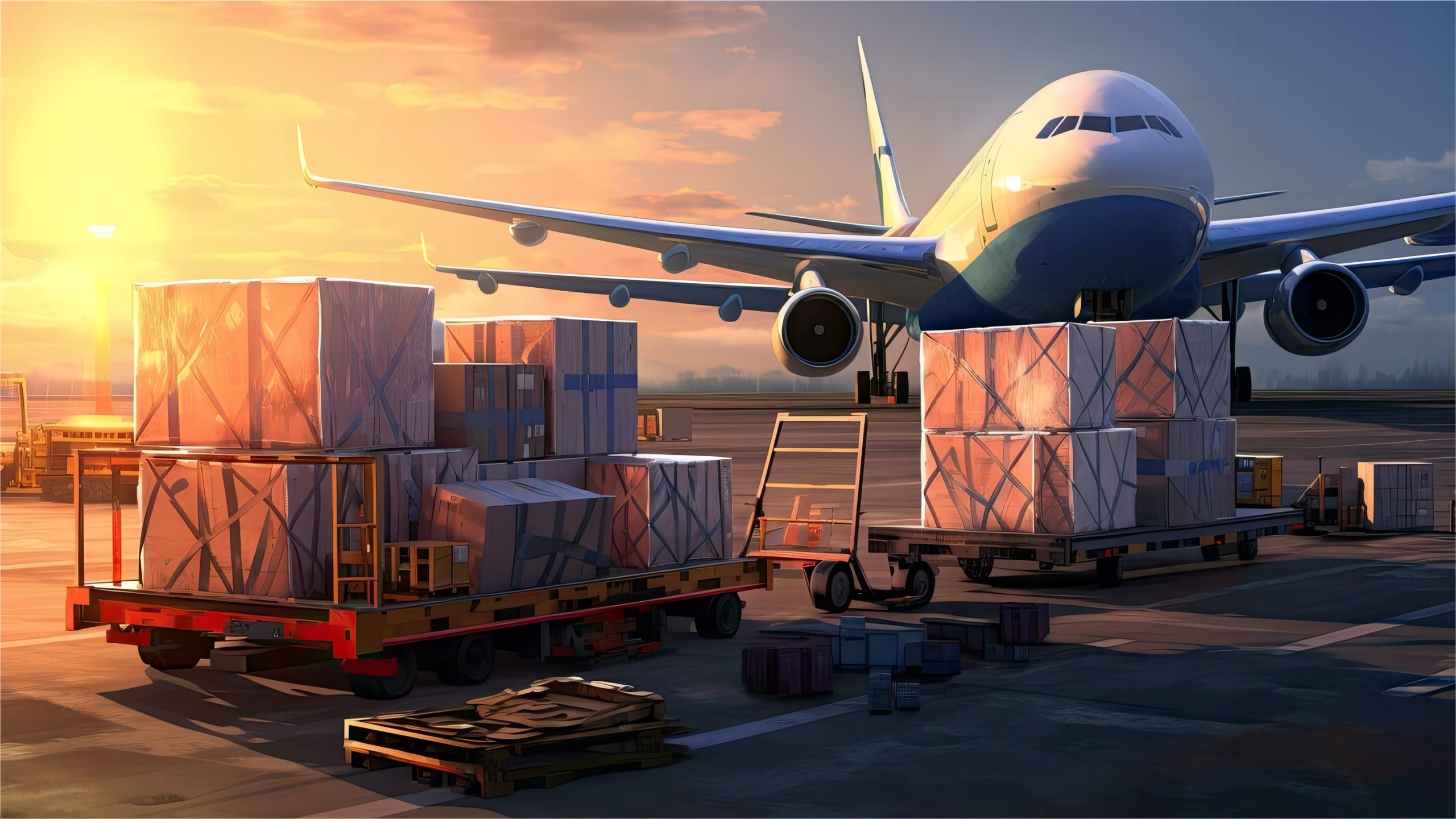
Choosing between different transport modes requires a careful balance of speed and economic efficiency. While sea freight offers the most cost-effective solution for large volumes, it involves longer transit times that might not suit urgent inventory needs. On the other hand, air transport provides rapid delivery at a much higher price point per kilogram.
Market data from early 2026 suggests that sea freight rates have stabilized compared to the previous year. However, shippers must still account for destination charges at ports like Jebel Ali or Khalifa Port, which can add several hundred dollars to the total landed cost. In contrast, air cargo rates fluctuate weekly based on airline capacity and global fuel prices.
Additionally, businesses shipping high-value electronics or perishable goods often justify the higher expense of air transport to minimize capital tie-up. Nevertheless, for bulk commodities and heavy machinery, the ocean route remains the undisputed leader in affordability. To help you decide, consider the following comparison of the primary shipping methods.
| Method | Average Cost (2026) | Transit Time | Best For |
|---|---|---|---|
| Sea Freight (FCL) | $1,400 – $2,600 | 20-30 Days | Bulk Goods |
| Air Freight | $3.50 – $6.50/kg | 3-7 Days | Urgent Items |
| Express | $7.00 – $12.00/kg | 2-4 Days | Samples |
| LCL (Sea) | $60 – $110/CBM | 25-35 Days | Small Batches |
How Does Sea Freight Compare to Other Shipping Options?
Evaluating the china to uae shipping cost requires looking beyond just the ocean freight rates to understand the broader logistics landscape. Sea freight remains the backbone of trade between these regions due to its massive capacity and relatively low carbon footprint per ton. Furthermore, the development of multimodal routes has introduced new alternatives for savvy logistics managers.
Direct sea routes typically offer the best value, but transshipment options via Singapore can sometimes provide lower base rates at the expense of time. Meanwhile, rail freight via the Middle Corridor is emerging as a niche alternative for specific inland Chinese origins, though it currently lacks the frequency of ocean departures. Consequently, most businesses still prioritize sea or air depending on their specific deadline.
Hybrid solutions like sea-air combinations are gaining popularity for shipments that need to arrive faster than a ship but cheaper than a plane. For example, cargo can be shipped by sea to a regional hub and then flown to Dubai to save approximately 40 percent of pure air freight costs. Without a doubt, these creative strategies allow for greater flexibility in supply chain management.
| Shipping Method | Cost Range | Transit Time | Limitations |
|---|---|---|---|
| Direct Sea | Low | 18-22 Days | Fixed Schedules |
| Sea-Air Hybrid | Medium | 12-15 Days | Complex Handling |
| Air Freight | High | 3-5 Days | Weight Limits |
| Rail-Sea | Medium | 25-30 Days | Limited Routes |
Case Studies: Real-World China to UAE Shipping Cost Examples
Case Study 1: Electronics Distribution. Route: Shenzhen to Dubai DXB. Cargo: 450kg of consumer electronics. Method: Air freight. Cost Breakdown: Air Freight $2,100, Origin Fees $150, Customs $120. Total Landed Cost: $2,370. Timeline: 5 days total. Key Insight: High-value cargo justified the speed of air transport to meet a product launch deadline.
Case Study 2: Furniture Import. Route: Foshan to Jebel Ali. Cargo: 40HQ Container of home furniture. Method: FCL Sea Freight. Cost Breakdown: Ocean Freight $2,450, THC and Documentation $350, Destination Port Fees $400. Total Landed Cost: $3,200. Timeline: 24 days. Key Insight: Utilizing a 40HQ container maximized volume efficiency, reducing the cost per unit significantly.
Case Study 3: Spare Parts via LCL. Route: Ningbo to Sharjah. Cargo: 4 CBM of industrial components. Method: LCL Sea Freight. Cost Breakdown: Sea Freight $320, Warehouse Handling $180, Customs Clearance $200. Total Landed Cost: $700. Timeline: 32 days. Key Insight: LCL was the most economical choice for a shipment too large for express but too small for a full container.
Understanding FCL vs LCL for UAE Shipments
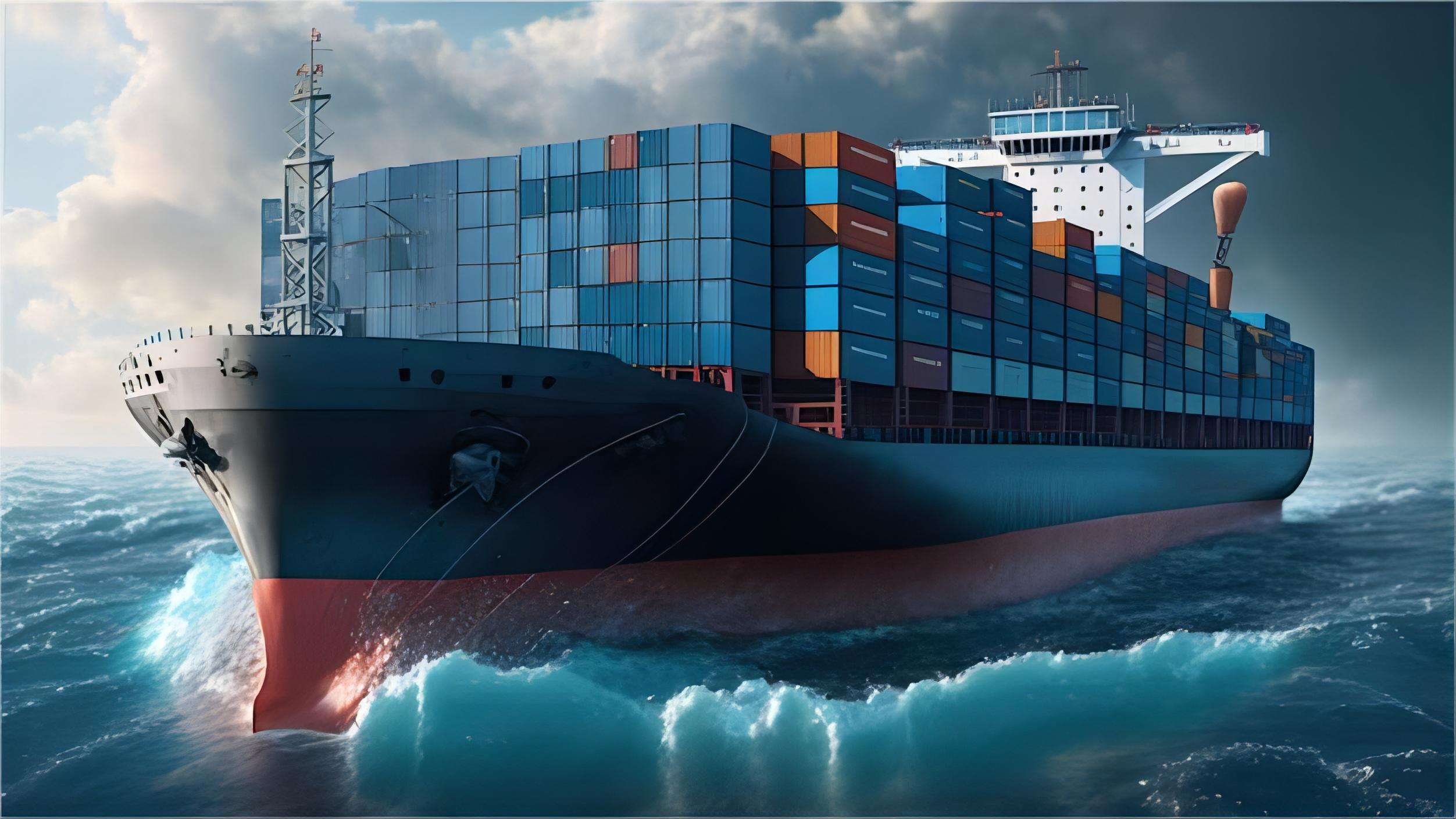
Full Container Load (FCL) and Less than Container Load (LCL) represent the two primary ways to utilize ocean transport. FCL is generally preferred when you have enough cargo to fill at least 70 percent of a 20ft or 40ft container. Indeed, having exclusive use of a container reduces the risk of damage and speeds up the loading process at the origin.
LCL shipping involves sharing container space with other importers, which is ideal for smaller shipments. However, this method often incurs higher handling fees at the warehouse because the cargo must be consolidated and deconsolidated. Additionally, LCL transit times are usually 5 to 7 days longer than FCL due to these extra administrative steps.
Typical container rates as of early 2026 for the China to UAE route show that a 20GP container costs between $1,400 and $1,800. In contrast, a 40HQ container ranges from $2,200 to $2,800 depending on the departure port. Shippers should calculate their total volume in cubic meters before deciding which option offers the best china to uae shipping cost.
How to Calculate Customs Duties and Taxes in the UAE?
Importing goods into the UAE requires a thorough understanding of the local customs landscape to avoid delays. Most products are subject to a standard 5 percent customs duty based on the CIF (Cost, Insurance, and Freight) value. Furthermore, a 5 percent Value Added Tax (VAT) applies to most commercial imports, which businesses can often reclaim if they are VAT-registered.
Certain items, such as tobacco or alcohol, attract much higher excise taxes, while some essential goods may be exempt. Utilizing professional customs brokerage services is highly recommended to ensure accurate tariff classification. Incorrectly labeled goods can lead to significant fines or even seizure by the Federal Customs Authority.
Documentation is the cornerstone of successful customs clearance in Dubai and Abu Dhabi. Shippers must provide a commercial invoice, packing list, certificate of origin, and a bill of lading or airway bill. Consequently, ensuring all paperwork is legalized and translated where necessary will streamline the entry of your goods into the country.
Door to Door vs Port to Port: Impact on Total Landed Cost
Many importers initially focus only on the port-to-port freight rate, forgetting that the journey begins at the factory and ends at the warehouse. Selecting a door to door shipping service provides a comprehensive solution that covers inland trucking and final mile delivery. Although the upfront quote is higher, it often saves money by preventing coordination errors between multiple service providers.
Port-to-port shipping requires the importer to handle trucking in both China and the UAE, which can be challenging without local logistics contacts. Moreover, storage fees at the port can accumulate quickly if the final delivery truck is not synchronized with the vessel’s arrival. Therefore, the convenience of an all-in-one service often outweighs the marginal savings of managing individual segments.
Inland transport costs in China vary significantly depending on the distance between the factory and the nearest major port like Shanghai or Shenzhen. Additionally, delivery within the UAE to free zones like JAFZA may have different requirements than deliveries to mainland Dubai. Shippers must account for these nuances when comparing the total china to uae shipping cost.
Which Shipping Option Should You Choose?
Budget priority: If your main goal is to minimize the china to uae shipping cost and your timeline is flexible, sea freight FCL is the recommended choice. This method offers the lowest cost per unit for high-volume shipments. For smaller volumes under 15 CBM, LCL provides a balanced approach to savings.
Speed priority: When time is of the essence, air freight is the only viable solution to move goods across continents in less than a week. This is particularly relevant for seasonal fashion items or critical machinery parts that keep a production line running. For extremely small parcels, express service offers the fastest transit with minimal paperwork.
Cargo type considerations: Heavy or oversized equipment must go via specialized sea freight vessels, such as Flat Rack or Open Top containers. Conversely, sensitive electronics benefit from the controlled environment and reduced handling of air transport. Always evaluate the fragility and value of your goods before selecting a transit mode.
Strategies to Reduce Your China to UAE Shipping Cost
Optimizing your supply chain can lead to significant savings over the long term. One effective strategy is to consolidate multiple small orders from different suppliers into a single FCL shipment at a Chinese warehouse. This approach reduces the number of individual documentation fees and customs entries you need to process.
Negotiating with carriers during the off-peak season can also yield better rates. Typically, freight prices spike before the Chinese New Year and during the Q4 holiday rush. By planning your inventory cycles to avoid these peak periods, you can often secure discounts of 15 to 25 percent on your ocean freight.
Finally, always request quotes from multiple freight forwarders to ensure you are receiving a market-competitive rate. Note: Freight rates are subject to change based on fuel costs, carrier capacity, and seasonal demand. Contact us for a current quote tailored to your specific shipment.
Mastering Your China to UAE Logistics Strategy
Successfully managing the china to uae shipping cost requires a combination of strategic planning, market awareness, and the right logistics partnerships. Whether you prioritize the speed of air freight or the economy of sea transport, understanding the underlying cost drivers is essential for 2026 business success. By implementing consolidation strategies and staying informed about customs regulations, you can significantly improve your bottom line.
Remember that the cheapest option is not always the most efficient if it leads to delays or damaged goods. Focus on the total landed cost and the reliability of your service provider to ensure your cargo arrives safely and on time. With the right approach, shipping from China to the UAE can be a seamless and profitable component of your international trade operations.

Get Your Shipping Quote Today
Ready to optimize your supply chain and reduce your china to uae shipping cost? Contact the experts at China Freight Hub today for a personalized quote and professional logistics advice tailored to your 2026 business goals. Visit our website to get started with a free freight consultation. Visit https://chinafreighthub.com/
Request Quote