


China Fulfillment and Logistics: The Complete 2026 Strategy Guide
Managing global trade requires a deep understanding of China fulfillment and logistics to ensure timely deliveries and cost-efficiency. Companies often struggle with rising costs and complex customs regulations in the modern market. At China Freight Hub, we provide comprehensive solutions to streamline your international operations and enhance your bottom line. This guide explores the essential strategies for navigating the 2026 logistics landscape effectively.
What is Modern China Fulfillment and Logistics?
China fulfillment and logistics encompass the entire process of receiving, processing, and delivering goods from Chinese suppliers to global customers. Furthermore, this system integrates warehousing, inventory management, and diverse transportation modes to create a seamless supply chain. In 2026, the industry has shifted toward high-tech automation and real-time tracking to meet increasing consumer demands.
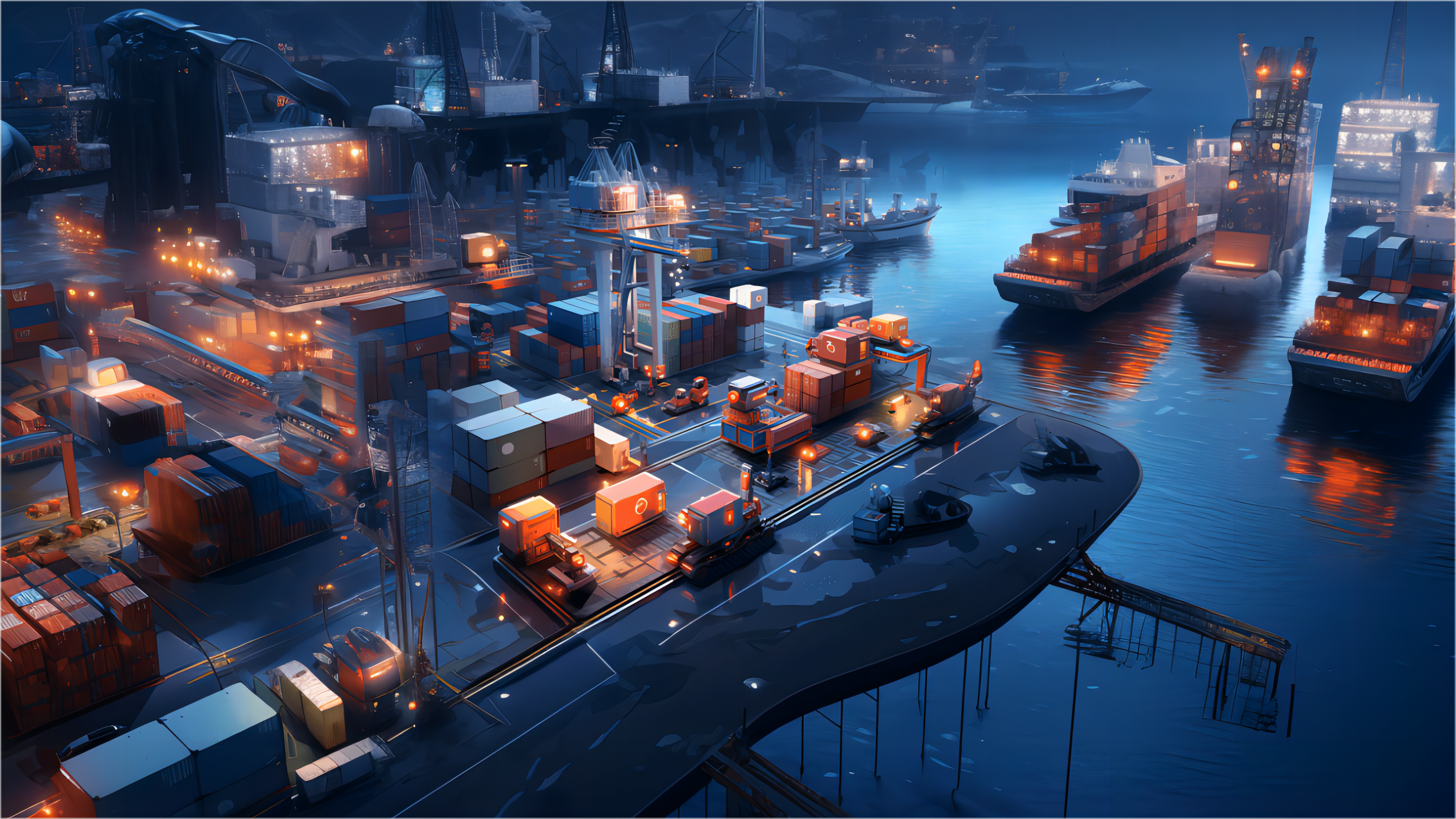
Additionally, businesses must distinguish between simple shipping and integrated fulfillment strategies. While shipping moves products from point A to point B, fulfillment involves picking, packing, and labeling within specialized facilities. Consequently, choosing the right partner determines how quickly your products reach the end-user in competitive markets.
Moreover, the integration of smart technology has revolutionized how we handle cargo at the source. Modern providers now offer sophisticated software that syncs directly with e-commerce platforms like Shopify and Amazon. Therefore, maintaining inventory accuracy has become significantly easier for international importers than in previous years.
How Does China Fulfillment and Logistics Compare to Other Shipping Options?
Objective analysis reveals that China-based fulfillment offers unique advantages over local domestic warehousing in the destination country. For instance, storing goods closer to the manufacturing source reduces initial transit costs and allows for more flexible inventory allocation. However, businesses must weigh these benefits against the slightly longer lead times for individual customer deliveries.
In contrast, traditional shipping models often involve large bulk shipments that sit in expensive domestic warehouses. This alternative can tie up capital and increase the risk of overstocking if market trends shift unexpectedly. Meanwhile, a hybrid approach using sea freight for bulk replenishment and air for urgent stock remains a popular 2026 strategy.
Consequently, the following table provides a detailed comparison of the primary shipping methods available for your logistics strategy.
| Shipping Method | Cost Range | Transit Time | Best For |
|---|---|---|---|
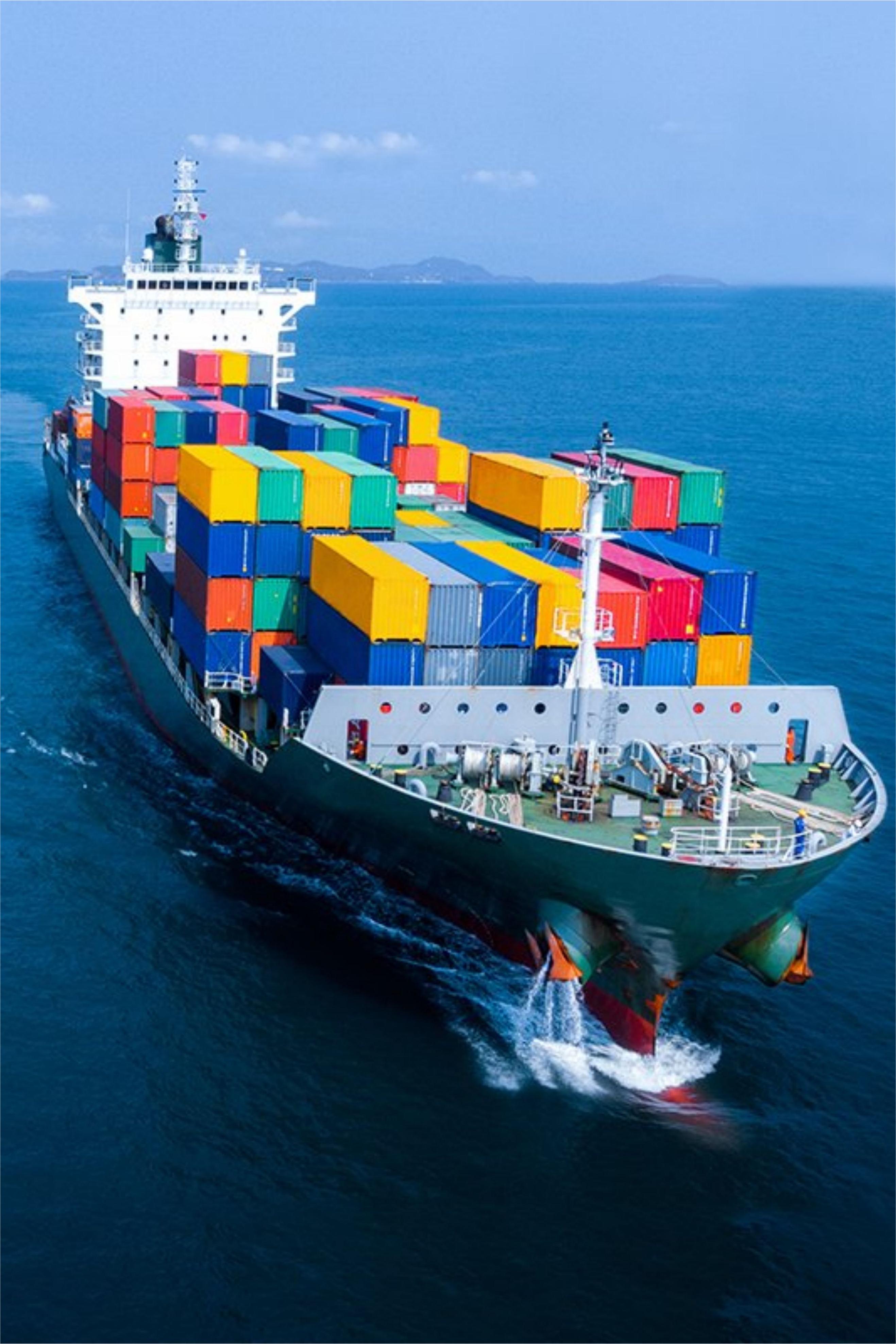
| Sea Freight | $1,500 – $4,500 | 18 – 40 Days | Bulk Inventory |
| Air Freight | $5 – $12 per kg | 3 – 7 Days | High-Value Goods |
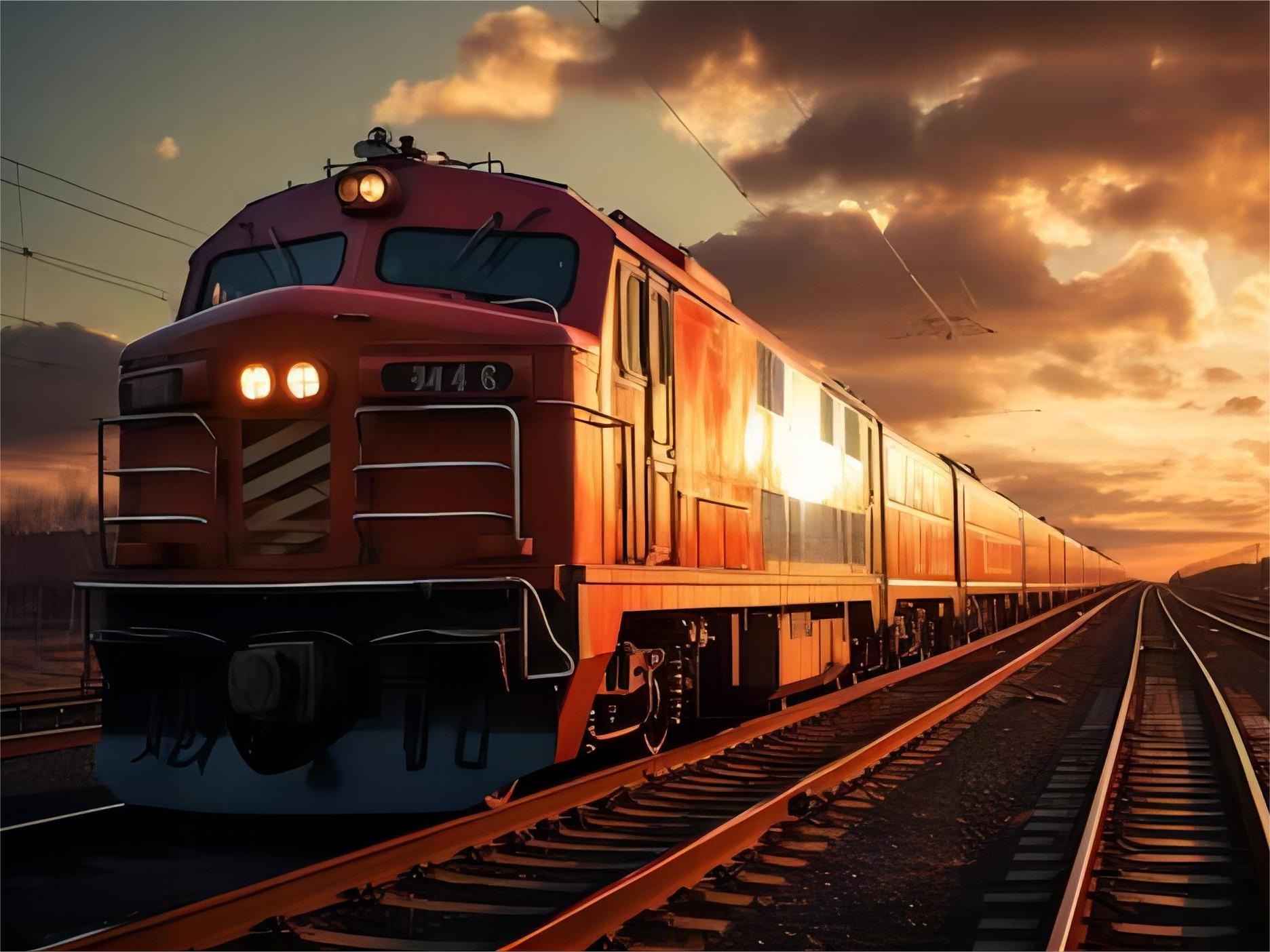
| Rail Freight | $2,000 – $3,500 | 15 – 22 Days | Central Europe |
| Express | $8 – $15 per kg | 2 – 5 Days | Small Samples |
Why Should You Use China-Based Fulfillment Centers?
Utilizing fulfillment centers within China allows for rapid quality control before products ever leave the country. For example, inspectors can identify defects at the warehouse, preventing the high cost of international returns and protecting your brand reputation. Furthermore, labor costs for kitting and assembly remain more competitive in China than in North America or Europe.
Additionally, these centers provide direct access to major shipping hubs like Shenzhen, Shanghai, and Ningbo. This proximity ensures that your goods can be dispatched via air freight or sea within hours of an order being placed. Indeed, the infrastructure in these regions is designed specifically for high-volume global export.
Moreover, many providers now specialize in Amazon FBA preparation services. This specialized handling ensures that all products meet strict Amazon requirements, including labeling and palletization, before reaching the fulfillment center. As a result, sellers can avoid costly rejection fees and delays at the destination.
Which Option Should You Choose for Your Business?
Determining the best logistics path depends heavily on your specific business goals and product characteristics. If your primary focus is budget priority, we recommend sea freight for shipments exceeding 2 cubic meters. On the other hand, if speed priority is paramount for a product launch, air freight is the logical choice despite the higher cost.
For cargo type considerations, heavy machinery and bulk raw materials are almost always suited for ocean transport. In contrast, electronics and fashion items with short lifecycles benefit from the agility of express services. Furthermore, volume thresholds play a role; once your shipment exceeds 15 CBM, a full container load (FCL) becomes more economical than less-than-container load (LCL) options.
Without a doubt, hybrid solutions offer the most balance in 2026. Many savvy importers use sea-air combinations to bypass port congestion while keeping costs lower than pure air transport. Consequently, you should evaluate your inventory turnover rate before committing to a single shipping method.
Realistic Case Studies for 2026 Logistics
To illustrate how these strategies work in practice, let us examine two recent scenarios handled by our team. These examples reflect typical market conditions and pricing as of early 2026, providing a benchmark for your own planning.
Case Study 1: Consumer Electronics to USA. Route: Shenzhen to Los Angeles. Cargo: Smart Home Devices, 12 CBM, 2,800 kg. Container: LCL. Shipping Details: Major carrier via direct route. Port of Loading: Shenzhen. Port of Discharge: Los Angeles. Cost Breakdown: Ocean Freight: $1,250; Origin Charges: $350; Destination Charges: $650; Customs: $400; Total Landed Cost: $2,650. Timeline: Booking to Loading: 3 days; Sea Transit: 16 days; Customs: 2 days; Total Door-to-Door: 21 days. Key Insight: Choosing a direct route saved 5 days compared to transshipment options.
Case Study 2: Fast Fashion to Germany. Route: Ningbo to Hamburg. Cargo: Apparel, 4 CBM, 850 kg. Shipping Method: Rail Freight. Port of Loading: Ningbo (via Xi’an). Port of Discharge: Hamburg. Cost Breakdown: Rail Freight: $950; Origin Charges: $200; Destination Charges: $300; Customs: $250; Total Landed Cost: $1,700. Timeline: Booking to Loading: 4 days; Rail Transit: 18 days; Customs: 3 days; Total Door-to-Door: 25 days. Key Insight: Rail provided a middle ground between the high cost of air and the long duration of sea freight.
Note: Freight rates are subject to change based on fuel costs, carrier capacity, and seasonal demand. Contact us for a current quote tailored to your specific shipment.
How to Navigate Customs and Documentation?
Successful China fulfillment and logistics rely heavily on accurate documentation to avoid costly port delays. For instance, a missing commercial invoice or an incorrect HS code can lead to shipments being held for weeks. Therefore, partnering with a professional customs brokerage is essential for navigating the complexities of international trade laws.
Furthermore, the 2026 regulatory environment requires stricter compliance regarding product safety and environmental standards. Importers must ensure that all certificates, such as CE or UL, are readily available for inspection upon arrival. Consequently, maintaining a digital repository of all shipping documents is a best practice for modern supply chain managers.
Additionally, the following checklist outlines the essential documents required for most international shipments from China.
| Document Type | Purpose | Required By | Timing |
|---|---|---|---|
| Commercial Invoice | Valuation of Goods | Customs | At Booking |
| Packing List | Content Verification | Warehouse/Customs | At Loading |
| Bill of Lading | Title to Cargo | Carrier | After Departure |
| Cert. of Origin | Duty Calculation | Customs | Before Arrival |
What are the Current Trends in China Logistics for 2026?
As of Q1 2026, freight rates have stabilized following the disruptions of previous years, yet seasonal volatility remains a factor. For example, rates typically increase 15-25% during the August-October peak season as retailers prepare for the holidays. Meanwhile, the adoption of green logistics has led to the introduction of more eco-friendly shipping vessels and packaging materials.
Moreover, shipping to North America has seen improvements in port automation, significantly reducing the time spent in customs clearance. Indeed, major ports like Long Beach and Savannah have implemented AI-driven scheduling to manage truck turn times more efficiently. Therefore, transit times are becoming more predictable for consistent shippers.
Additionally, the rise of social commerce has forced logistics providers to offer more flexible, small-batch fulfillment options. Consequently, many warehouses in China now support direct-to-consumer (DTC) shipping, allowing brands to test new products without committing to massive inventory levels. This shift empowers smaller businesses to compete on a global scale.
Final Thoughts on China Fulfillment and Logistics
To summarize, mastering China fulfillment and logistics requires a strategic approach that balances cost, speed, and reliability. By leveraging modern warehousing, choosing the right shipping methods, and staying informed about market trends, you can create a resilient supply chain. Furthermore, the integration of technology and professional partnerships will remain the primary drivers of success in the 2026 global market.
Indeed, the landscape of international trade is constantly evolving, but the fundamentals of efficient logistics stay the same. Focus on clear documentation, proactive communication, and flexible inventory management to overcome any challenges. Ultimately, a well-executed logistics plan is a powerful competitive advantage for any e-commerce business.
Start Your Shipment
Optimizing your China fulfillment and logistics strategy is the key to scaling your business in 2026. Our team of experts is ready to provide you with a customized shipping solution that meets your budget and timeline requirements. Contact us today to receive a competitive quote and streamline your global supply chain. Visit our website to get started