

Shipping from China to USA for Ecommerce: 2026 Logistics Guide
Successfully managing shipping from china to usa for ecommerce is the cornerstone of a profitable online business in 2026. Many sellers struggle with fluctuating freight rates and complex customs regulations that can eat into narrow margins. This comprehensive guide provides the actionable insights you need to optimize your supply chain and ensure timely delivery to your American customers.

What are the primary methods for shipping from china to usa for ecommerce?
Choosing the right transportation mode is essential for balancing speed and cost in the competitive US market. Most ecommerce businesses rely on a mix of air, sea, and express services depending on their inventory needs and budget constraints. Meanwhile, logistics trends in 2026 suggest that hybrid models are becoming more popular for high-value consumer goods.
Moreover, the volume of your cargo significantly influences which method will yield the highest return on investment. For instance, smaller parcels often travel via express couriers to meet rapid delivery schedules. Consequently, understanding the nuances of each service allows you to adapt to market shifts and maintain a consistent supply of products.
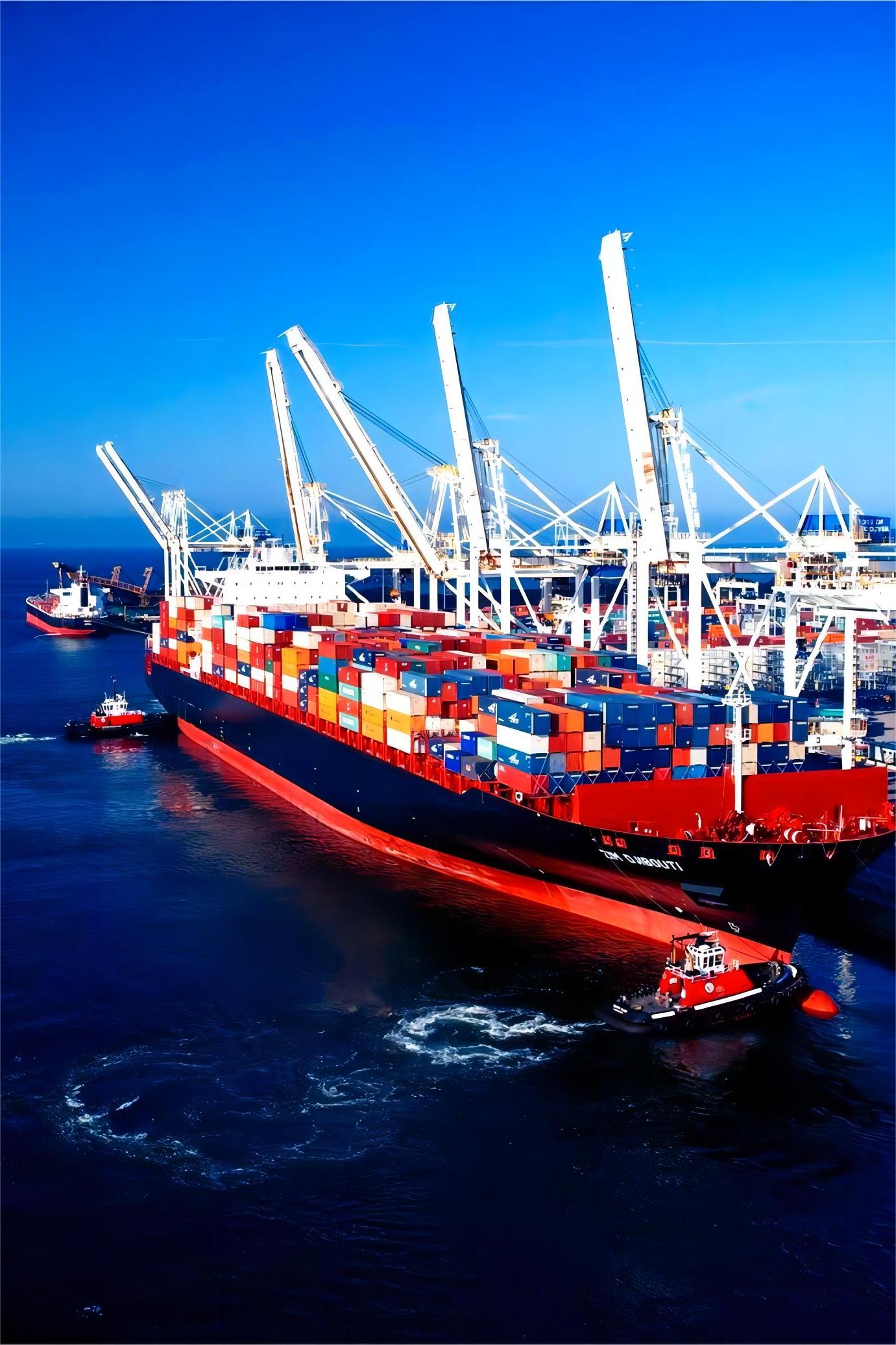
Consider utilizing sea freight for your bulkier items to keep landed costs manageable. This method remains the backbone of international trade, especially for sellers moving large volumes of inventory. Therefore, planning ahead is vital since ocean transit takes considerably longer than airborne alternatives.
How Does Sea Freight Compare to Other Shipping Options?
Sea freight offers the lowest cost per unit, making it ideal for large-scale ecommerce operations. However, the trade-off is a much longer transit time that requires careful inventory forecasting to avoid stockouts. In contrast, air freight provides the speed necessary for seasonal launches or replenishing fast-moving SKUs.
Additionally, businesses must weigh the reliability of each method against current market conditions and port congestion. For example, West Coast ports in the USA have seen improved efficiency in early 2026 compared to previous years. Nevertheless, transshipment delays can still occur, making it important to choose carriers with proven track records.
The following table provides an objective analysis of all viable alternatives for the trans-Pacific route in 2026.
| Shipping Method | Cost Range | Transit Time | Best For |
|---|---|---|---|
| Express Service | $8 – $12 per kg | 3 – 5 Days | High-value samples |
| Air Freight | $5 – $8 per kg | 7 – 12 Days | Urgent inventory |
| LCL Sea Freight | $150 – $300 per CBM | 20 – 35 Days | Mid-sized shipments |
| FCL Sea Freight | $3,500 – $5,500 per 40HQ | 18 – 30 Days | Bulk inventory |
Why should you prioritize Amazon FBA for US distribution?
Leveraging Amazon FBA allows sellers to tap into a world-class distribution network without managing their own warehouses. This service simplifies the final mile delivery, which is often the most expensive and complex part of the logistics chain. Furthermore, Prime eligibility significantly boosts conversion rates for most product categories.
Indeed, professional logistics providers can handle the preparation and labeling required by Amazon to prevent costly rejections at the fulfillment center. As a result, your products move from the factory in China to the US warehouse with minimal friction. This streamlined approach is particularly beneficial for sellers who want to focus on marketing rather than operations.
Market data suggests that over 70 percent of successful US ecommerce sellers use some form of third-party fulfillment. By integrating your shipping from china to usa for ecommerce with FBA, you gain a competitive edge in delivery speed. Consequently, your brand reputation improves as customers receive their orders within one or two days.
How to manage shipping costs and transit times in 2026?
Freight rates in 2026 have stabilized following the disruptions of the previous decade, but seasonal peaks still impact pricing. For instance, rates typically increase by 15 to 25 percent during the August to October peak season. Therefore, booking your shipments at least 4 weeks in advance is a smart strategy to secure better rates.
Moreover, transit times vary significantly depending on whether you ship to the West Coast or the East Coast of the USA. Shipping to Los Angeles or Long Beach is generally faster and cheaper than shipping to New York or Savannah. In addition, using air freight can bypass port congestion entirely if your margins allow for the higher expense.
The table below outlines the typical transit times and costs for major US destination ports as of early 2026.
| Destination Port | Transit (Sea) | Avg Cost (40HQ) | Region |
|---|---|---|---|
| Los Angeles | 14 – 18 Days | $3,200 – $3,800 | West Coast |
| Savannah | 28 – 32 Days | $4,800 – $5,600 | East Coast |
| New York | 30 – 35 Days | $5,000 – $5,800 | East Coast |
| Houston | 25 – 30 Days | $4,200 – $4,900 | Gulf Coast |
What role does Customs Brokerage play in your ecommerce business?
Navigating the legal requirements of US Customs and Border Protection is a major hurdle for international sellers. Utilizing a professional customs brokerage ensures that your documentation is accurate and that you pay the correct duties. Furthermore, errors in paperwork can lead to expensive storage fees and lengthy inspections.
Additionally, staying informed about Section 321 de minimis entries can help small-scale ecommerce sellers save on duties for low-value shipments. However, the US government has increased scrutiny on these entries in 2026, making professional oversight more important than ever. Consequently, a reliable broker helps you stay compliant while optimizing your tax obligations.
Without a doubt, proper cargo handling and documentation are the keys to a smooth import process. For example, ensuring your ISF filing is completed 24 hours before the ship leaves China is a non-negotiable requirement. Therefore, partnering with an experienced logistics firm reduces the risk of administrative penalties that could jeopardize your business.

Which Option Should You Choose for Your Business?
Determining the best logistics strategy depends on your specific business goals and the nature of your products. If your priority is budget and you have high-volume inventory, sea freight is the clear winner. On the other hand, if you are launching a new product and need to test the market quickly, express service is often the best choice.
For shipments under 15 CBM, LCL at roughly $50 to $80 per CBM may be more economical than renting a full container. Meanwhile, for larger shipments, FCL offers better security and faster handling at the destination port. Consequently, you should evaluate your volume thresholds monthly to decide when to switch between shipping methods.
Hybrid solutions, such as sea-air combinations, offer a middle ground for businesses that need a balance of speed and cost. These routes often involve shipping by sea to a hub like Dubai or Korea and then flying the cargo to the USA. In addition, this strategy can save up to 40 percent compared to pure air freight while being twice as fast as sea freight.
Real-world Case Studies: Success in Trans-Pacific Logistics
Case Study 1: Electronics via LCL. Route: Shenzhen to Los Angeles. Cargo: 500 units of smart home devices, 4 CBM, 850 kg. Method: LCL Sea Freight. Ocean Freight: $950. Total Landed Cost: $1,450. Sea Transit: 16 days. Total Door-to-Door: 25 days. Key Insight: Consolidating small electronics into LCL shipments allowed this seller to maintain 40 percent margins despite high competition.
Case Study 2: Apparel via Air Freight. Route: Guangzhou to New York. Cargo: 2,000 units of seasonal fashion, 1,200 kg. Method: Air Freight. Air Freight Cost: $7,200. Total Landed Cost: $8,800. Transit Time: 8 days. Key Insight: Rapid delivery enabled the seller to capitalize on a viral social media trend, justifying the higher shipping expense through increased sales volume.
Note: Freight rates are subject to change based on fuel costs, carrier capacity, and seasonal demand. Contact us for a current quote tailored to your specific shipment.
Final Thoughts on US Ecommerce Logistics
Mastering shipping from china to usa for ecommerce in 2026 requires a proactive approach to carrier selection and customs compliance. By understanding the trade-offs between speed and cost, you can build a resilient supply chain that supports long-term growth. Furthermore, leveraging professional services like Amazon FBA and expert customs brokerage will allow you to focus on scaling your brand.
Indeed, the landscape of international trade is constantly evolving, but the fundamentals of efficient logistics remains the same. Plan your shipments early, choose the right partners, and always keep an eye on your landed costs. Consequently, your ecommerce business will be well-positioned to thrive in the massive US consumer market.

Need a tailored shipping solution?
Ready to streamline your supply chain and maximize your profits? Contact China Freight Hub today for a customized quote on shipping from china to usa for ecommerce and let our experts handle your logistics. Send Inquiry: info@chinafreighthub.com