

China Export Freight Quote Online: 2026 Shipping Rates and Guide
Navigating the complexities of international logistics requires access to accurate and timely data. Finding a reliable china export freight quote online is the first step toward securing a profitable supply chain in the current 2026 market. Consequently, businesses must understand how various factors influence these costs to make informed decisions.
How Does Sea Freight Compare to Other Shipping Options?
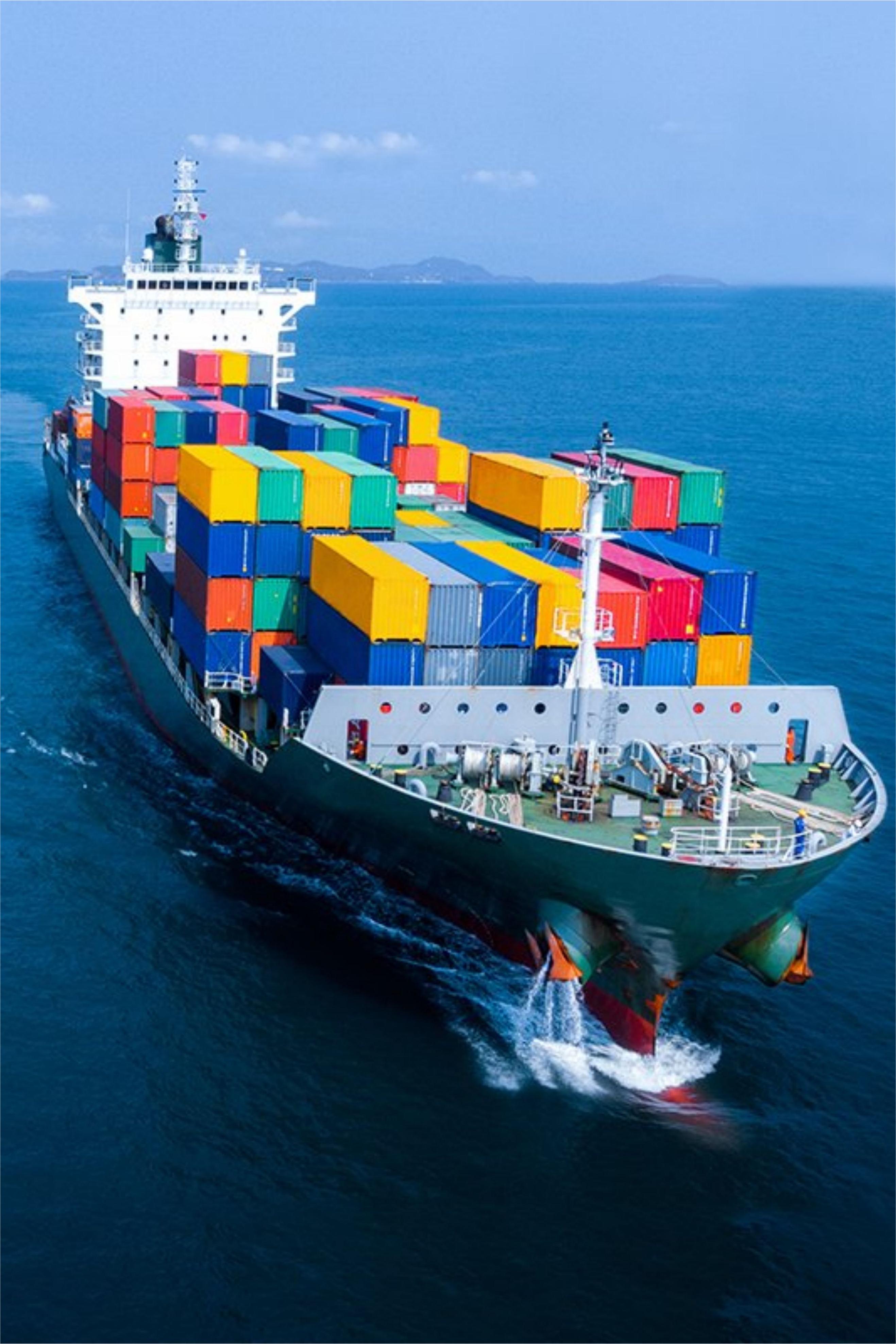
Ocean shipping remains the backbone of global trade due to its massive capacity and cost-effectiveness. However, businesses often weigh this against faster alternatives like air or rail cargo. In 2026, the choice depends heavily on your specific volume and urgency requirements.

Moreover, sea freight offers the lowest cost per unit for large-scale shipments. While transit times are longer, the ability to move bulk goods makes it indispensable for most exporters. Therefore, comparing these methods is essential for supply chain optimization.
Consider sea freight for shipments where budget is the primary concern. In contrast, air freight serves those needing immediate delivery regardless of the higher price point. Rail freight provides a middle ground for Eurasian routes.
| Shipping Method | Cost Range | Transit Time | Best For |
|---|---|---|---|
| Sea Freight (FCL) | Low ($2,000-$5,000) | 18-40 Days | Bulk Goods |
| Air Freight | High ($5-$12/kg) | 3-7 Days | Urgent Cargo |
| Rail Freight | Medium ($3,000-$6,000) | 15-22 Days | Europe Routes |
| Express Service | Very High ($8-$15/kg) | 2-5 Days | Small Parcels |
What Factors Influence Your China Export Freight Quote Online?
Fuel surcharges represent a significant portion of any modern logistics estimate. Additionally, seasonal demand spikes during the third quarter typically drive prices upward. Understanding these variables helps in predicting future expenses accurately.
Port congestion and labor availability also play critical roles in determining final costs. Furthermore, the type of cargo, such as hazardous materials or oversized items, requires special handling fees. Indeed, every detail matters when requesting a quote.
Currency fluctuations between the CNY and USD can impact the total landed cost significantly. Meanwhile, carrier capacity adjustments often lead to sudden rate changes in the spot market. Consequently, securing a fixed rate early is often a wise strategy.
Comparing FCL and LCL for Ocean Shipments
Full Container Load (FCL) is generally more efficient for shipments exceeding 15 cubic meters. On the other hand, Less than Container Load (LCL) allows smaller businesses to share space and costs. For instance, LCL rates are often calculated per cubic meter.
Specifically, FCL provides better security since the container is dedicated to one shipper. Nevertheless, LCL remains a vital option for those moving smaller inventories frequently. Choosing between them requires a careful analysis of your monthly volume.
Market data suggests that FCL rates from China to North America have stabilized in early 2026. However, LCL prices may vary based on the consolidation warehouse efficiency. Therefore, always check both options in your online quote.
| Load Type | Volume Threshold | Cost Basis | Security Level |
|---|---|---|---|
| FCL 20GP | Up to 28 CBM | Flat Container Rate | High |
| FCL 40HQ | Up to 68 CBM | Flat Container Rate | High |
| LCL | 1 to 15 CBM | Per CBM / Weight | Moderate |
Why Choose Air Freight for Urgent Shipments?
Speed is the primary advantage of utilizing air freight for your exports. For example, high-value electronics or perishable goods often require the rapid transit that only planes can provide. Consequently, the higher cost is justified by the reduced time to market.
Additionally, air transport offers higher reliability regarding departure and arrival schedules. Furthermore, the reduced transit time lowers the insurance premiums compared to sea voyages. Indeed, many companies use air cargo to manage inventory shortages.
Typical rates as of early 2026 show air cargo prices hovering around 6 to 10 dollars per kilogram for major routes. Meanwhile, express services might charge even more for door-to-door convenience. As a result, air freight is best reserved for time-sensitive projects.
The Rise of Rail Freight to Europe in 2026
Connecting major Chinese hubs to European cities, rail freight has become a powerful alternative. It is faster than sea freight and significantly cheaper than air transport. For instance, a train from Chengdu to Hamburg takes about 18 days.
Moreover, rail transport is considered more environmentally friendly than air or sea options. Therefore, many corporations are including rail in their sustainability initiatives. In addition, the stability of rail rates makes budgeting more predictable.
Typical rail costs for a 40HQ container in 2026 range from 4,500 to 6,500 dollars depending on the origin. However, this service is only applicable for land-based routes across Eurasia. Consequently, it is a top choice for exporters targeting the European market.
Case Study 1: Electronics from Shanghai to Los Angeles
Route: Shanghai, China to Los Angeles, USA
Cargo: Consumer Electronics, 25 CBM, 4500 kg
Container: 20GP
Shipping Details:
– Carrier: Major carrier (COSCO)
– Port of Loading: Shanghai
– Port of Discharge: Los Angeles
– Route Type: Direct
Cost Breakdown:
– Ocean Freight: $2,100
– Origin Charges: $350
– Destination Charges: $500
– Customs and Duties: $1,200
– Total Landed Cost: $4,150
Timeline:
– Booking to Loading: 4 days
– Sea Transit: 16 days
– Customs Clearance: 2 days
– Total Door-to-Door: 22 days
Key Insight: Using a direct route saved 5 days compared to transshipment options, which was critical for this seasonal product launch.
Case Study 2: Industrial Parts from Shenzhen to Hamburg
Route: Shenzhen, China to Hamburg, Germany
Cargo: Machinery Parts, 12 CBM, 3000 kg
Container: LCL
Shipping Details:
– Carrier: Maersk
– Port of Loading: Shenzhen
– Port of Discharge: Hamburg
– Route Type: Direct
Cost Breakdown:
– Ocean Freight: $960 ($80 per CBM)
– Origin Charges: $200
– Destination Charges: $450
– Customs and Duties: $800
– Total Landed Cost: $2,410
Timeline:
– Booking to Loading: 5 days
– Sea Transit: 32 days
– Customs Clearance: 3 days
– Total Door-to-Door: 40 days
Key Insight: Based on Q3 2025 market rates, LCL was 40 percent cheaper than booking a full 20GP container for this volume.
Which Option Should You Choose?
Budget priority: If your primary goal is to minimize costs, sea freight FCL or LCL is the recommended choice. For instance, shipping large volumes via ocean can save thousands of dollars compared to other modes. Consequently, plan your production cycles to accommodate longer transit times.
Speed priority: When deadlines are tight, air freight or express services are the only viable solutions. Although the cost is higher, the ability to meet customer demands instantly can protect your brand reputation. Therefore, use air freight for high-margin or urgent goods.
Hybrid solutions: Consider sea-air or rail-sea combinations for a balance of cost and speed. For example, shipping by sea to a hub and then by air to the final destination can save 30 percent in costs compared to pure air freight. These strategies are increasingly popular in 2026 logistics.
Navigating Customs and Documentation
Proper documentation is the foundation of a smooth export process. Specifically, errors in the Bill of Lading or Commercial Invoice can lead to expensive delays at the port. Therefore, many exporters utilize a customs brokerage to manage these complexities.
Additionally, understanding the Harmonized System (HS) codes for your products is vital for accurate duty calculation. In contrast, misclassifying goods can result in fines or cargo seizures by authorities. As a result, professional guidance is often worth the investment.
Required documents typically include the Packing List, Certificate of Origin, and Export License. Furthermore, some specialized products may require health certificates or technical inspections. Indeed, staying compliant is essential for long-term success.
| Document Name | Purpose | Issuer | Criticality |
|---|---|---|---|
| Bill of Lading | Title of Goods | Carrier | High |
| Commercial Invoice | Value Declaration | Shipper | High |
| Packing List | Cargo Details | Shipper | Medium |
| HS Code | Tax Classification | Shipper/Broker | High |
Cost-Saving Strategies for 2026
Consolidating multiple small shipments into a single larger one can significantly reduce origin fees. Moreover, optimizing your packaging to minimize wasted space will lower your CBM-based costs. For instance, using standardized pallet sizes helps in maximizing container utilization.
Negotiating long-term contracts with freight forwarders can provide protection against spot market volatility. Additionally, shipping during off-peak windows, such as early Q1, often results in lower base rates. Consequently, proactive planning is a major competitive advantage.
Note: Freight rates are subject to change based on fuel costs, carrier capacity, and seasonal demand. Contact us for a current quote tailored to your specific shipment.
Final Thoughts on Exporting from China
Securing an accurate china export freight quote online is essential for maintaining a healthy bottom line in 2026. By understanding the differences between sea, air, and rail freight, you can choose the method that best aligns with your business goals.
Furthermore, staying informed about market trends and documentation requirements will help you avoid unnecessary delays. Whether you are shipping to North America, Europe, or Australia, the right logistics partner makes all the difference. Start your journey today by requesting a detailed quote.

Ready to streamline your logistics?
Ready to optimize your supply chain with a precise china export freight quote online? Contact China Freight Hub today to receive a customized shipping solution that fits your budget and timeline. Visit our website to start your inquiry and secure the best rates for 2026. Send Inquiry: Visit https://chinafreighthub.com/
Request Quote