

Freight Forwarder for Ecommerce Sellers China: 2026 Shipping Guide
Navigating the complexities of international logistics requires a specialized freight forwarder for ecommerce sellers China to ensure timely deliveries and cost efficiency. Many online entrepreneurs struggle with unpredictable shipping delays and rising costs that eat into their profit margins. By partnering with China Freight Hub, you can streamline your supply chain and focus on scaling your brand globally. This guide provides comprehensive insights into optimizing your 2026 shipping strategy for maximum reliability.
Why You Need a Specialized Freight Forwarder for Ecommerce Sellers China
Ecommerce logistics differs significantly from traditional bulk shipping because it demands higher frequency and smaller shipment sizes. Consequently, finding a freight forwarder for ecommerce sellers China who understands the nuances of platform requirements is essential for long-term success. These specialists manage the intricate balance between speed and cost while ensuring compliance with international trade regulations.
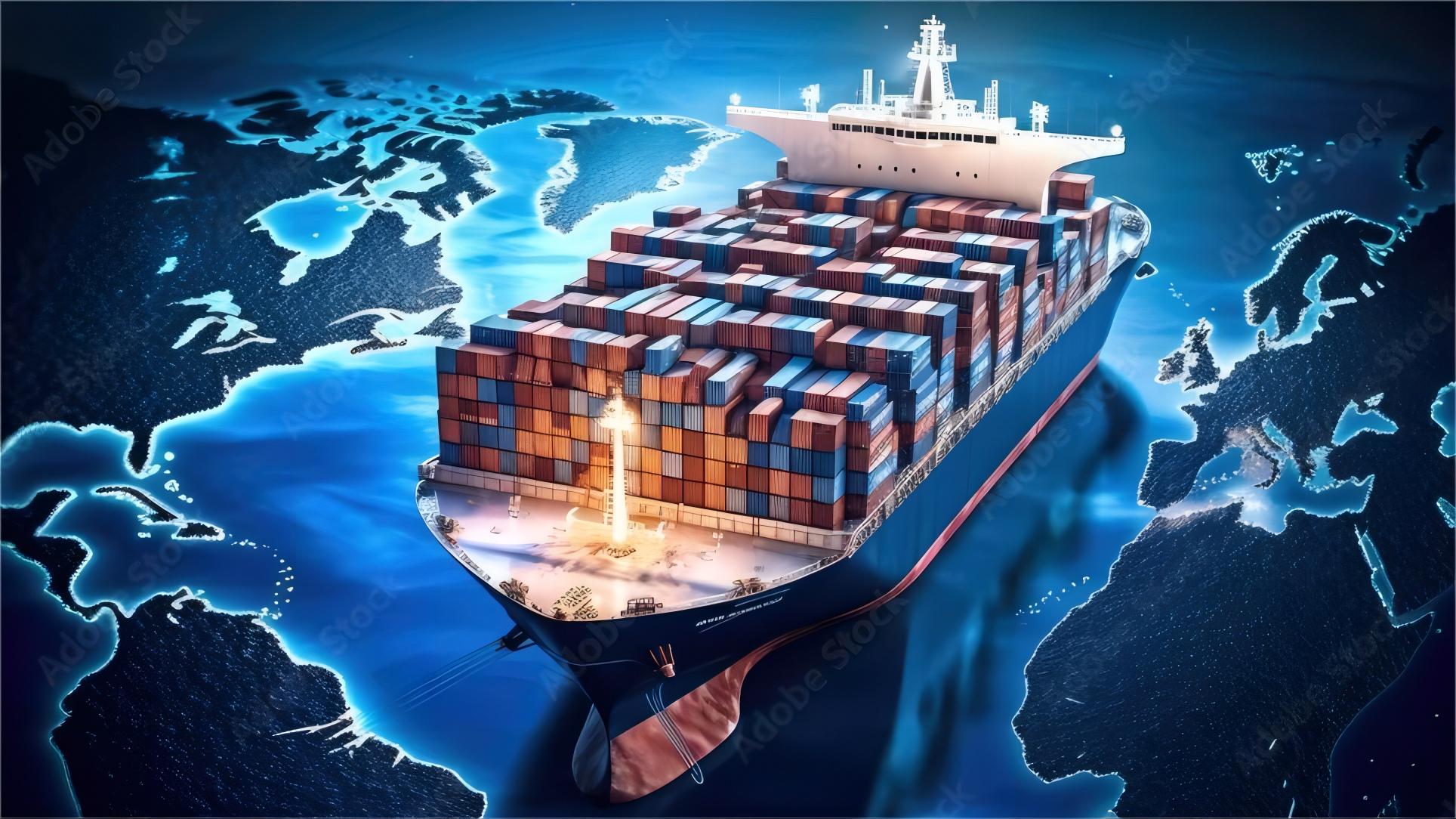
Moreover, a professional partner provides end-to-end visibility into your inventory movement across the ocean or through the air. You can avoid the common pitfalls of customs delays and unexpected port congestion by leveraging their established carrier relationships. Indeed, the right logistics partner acts as an extension of your business operations in the heart of the global manufacturing hub.
Additionally, these forwarders offer value-added services such as quality inspections and labeling that are critical for online marketplaces. For instance, ensuring your packaging meets specific platform standards before it leaves China saves significant time and money. Therefore, investing in a reliable logistics partnership is a foundational step for any serious ecommerce brand in 2026.

How Does Sea Freight Compare to Other Shipping Options?
Choosing between different transport modes requires a deep understanding of your product margins and delivery expectations. While sea freight remains the most economical choice for high-volume inventory, it requires careful planning due to longer transit times. In contrast, air transport provides rapid replenishment but significantly increases your landed cost per unit.
Furthermore, rail options have gained popularity for European routes, offering a middle ground in terms of both price and speed. However, for sellers targeting North America or Australia, the primary decision usually fluctuates between ocean and air services. Consequently, many successful sellers utilize a hybrid approach to maintain stock levels while minimizing total expenditure.
Market data suggests that ocean rates in early 2026 have stabilized, making it an ideal time to lock in long-term contracts for bulk inventory. Nevertheless, you must account for seasonal fluctuations that typically occur before major shopping holidays. Specifically, booking your space at least four weeks in advance is recommended to avoid peak season surcharges.
| Shipping Method | Cost Range | Transit Time | Best For | Limitations |
|---|---|---|---|---|
| Sea Freight (FCL/LCL) | Low ($1,500 – $4,500) | 25 – 45 Days | Bulk Inventory | Slow Speed |
| Air Freight | High ($5 – $12/kg) | 3 – 7 Days | High-Value Goods | Weight Limits |
| Rail Freight | Medium ($2,000 – $3,500) | 18 – 25 Days | Europe Shipments | Route Specific |
| Express Courier | Very High ($8 – $15/kg) | 2 – 5 Days | Samples/Urgent | Most Expensive |
Which Shipping Option Should You Choose for Your Business?
Determining the best logistics strategy depends on your specific business model and current inventory turnover rates. For example, if you prioritize budget and have large volumes, sea freight is the clear winner for your bottom line. On the other hand, if you are launching a new product and need to test the market quickly, air freight is the superior choice.
Cargo type considerations also play a vital role in this decision-making process. Heavy or bulky items like furniture or fitness equipment are almost always shipped via ocean to remain competitive. Meanwhile, lightweight electronics or fashion accessories can often absorb the higher costs of faster transit methods without sacrificing all profit.
Volume thresholds are another critical factor for ecommerce sellers to monitor closely. Once your shipments exceed 15 cubic meters, switching from Less than Container Load (LCL) to a Full Container Load (FCL) becomes much more cost-effective. As a result, your freight forwarder for ecommerce sellers China should proactively advise you when your growth warrants a change in strategy.
Specialized Logistics for Amazon FBA and Shopify Sellers
Selling on major platforms requires strict adherence to specific delivery windows and packaging requirements. A dedicated Amazon FBA shipping service ensures your goods are prepped, labeled, and delivered according to strict warehouse guidelines. This specialized handling prevents costly rejections and keeps your seller account in good standing.
Moreover, many sellers now prefer door to door solutions that handle everything from the factory floor to the final destination. This comprehensive service includes pickup, international transport, and local delivery, allowing you to focus on marketing and sales. Consequently, the complexity of managing multiple vendors is eliminated, providing a more streamlined experience.
In addition, having a partner who can manage inventory in China-based warehouses offers significant flexibility. You can consolidate multiple factory orders into a single shipment to reduce total freight costs. Indeed, this consolidation strategy is one of the most effective ways for smaller ecommerce businesses to compete with larger established brands.
Case Study 1: Scaling an FBA Brand to North America
Route: Shenzhen, China to Los Angeles, USA. Cargo: 500 units of ergonomic office chairs, 12 CBM, 1,800 kg. Container: LCL (Less than Container Load). Shipping Details: Carrier: Major ocean carrier. Port of Loading: Shenzhen. Port of Discharge: Los Angeles. Route Type: Direct.
Cost Breakdown: Ocean Freight: $1,250. Origin Charges: $350. Destination Charges: $450. Customs and Duties: $1,100. Total Landed Cost: $3,150. Timeline: Booking to Loading: 4 days. Sea Transit: 16 days. Customs Clearance: 3 days. Total Door-to-Door: 28 days.
Key Insight: By using a specialized freight forwarder for ecommerce sellers China, the client saved 15% compared to express air and avoided FBA warehouse rejection through proper palletization. Typical rates as of early 2026 indicate that LCL remains the most viable path for mid-sized furniture brands.
Case Study 2: Rapid Fashion Replenishment to Europe
Route: Ningbo, China to Hamburg, Germany. Cargo: 2,000 units of seasonal apparel, 4 CBM, 600 kg. Shipping Method: Air Freight. Shipping Details: Carrier: Commercial airline cargo. Port of Loading: Shanghai Pudong. Port of Discharge: Frankfurt. Route Type: Direct.
Cost Breakdown: Air Freight: $4,200. Origin Charges: $200. Destination Charges: $300. Customs and Duties: $850. Total Landed Cost: $5,550. Timeline: Booking to Loading: 2 days. Air Transit: 2 days. Customs Clearance: 1 day. Total Door-to-Door: 7 days.
Key Insight: Based on Q3 2025 market rates, air freight allowed the seller to capitalize on a viral trend within a week. While the cost per unit was higher, the speed to market resulted in a 300% return on investment before the trend faded.
Navigating Customs Clearance and Compliance in 2026
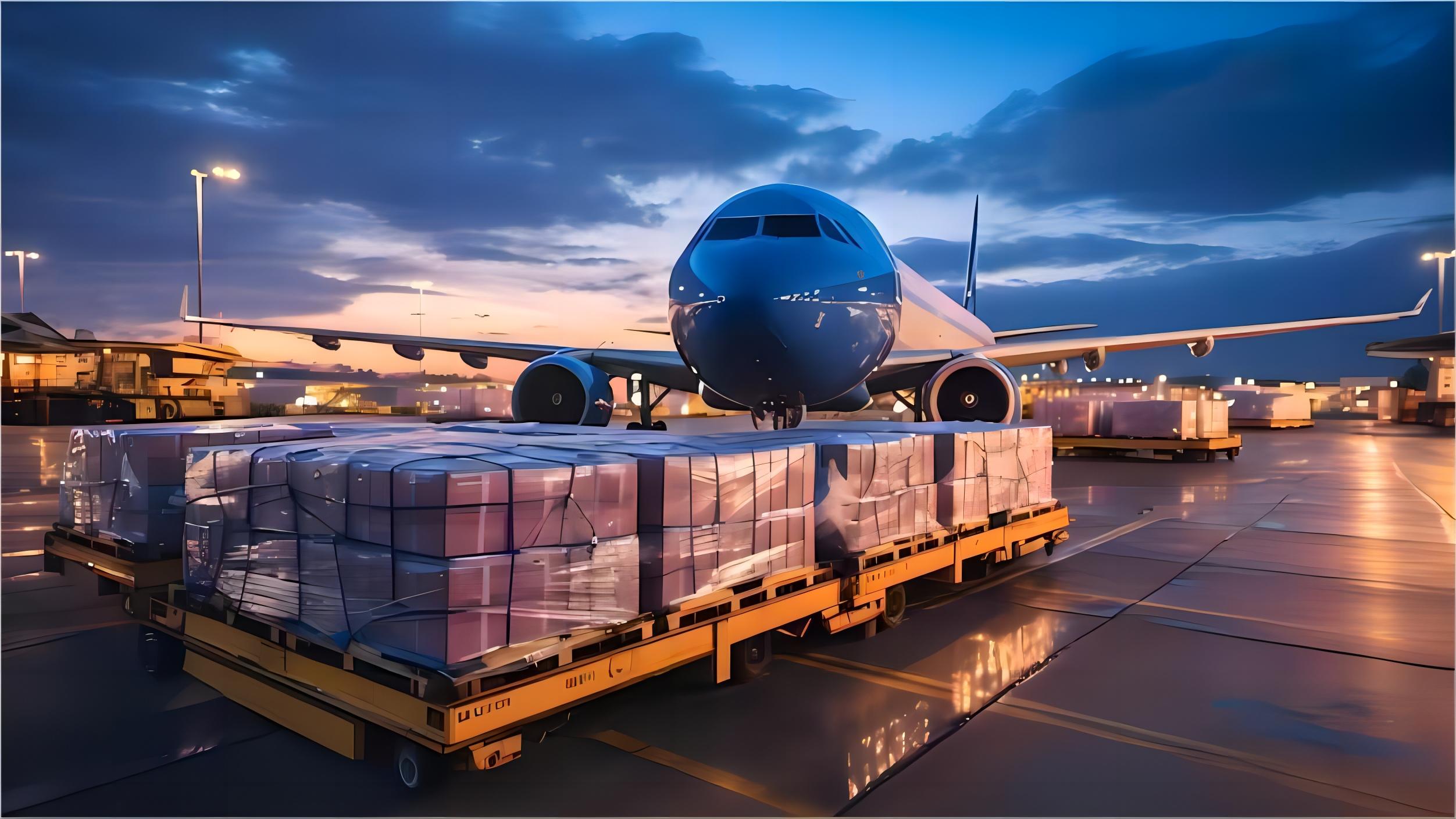
Efficiently managing international trade requires expert customs brokerage to avoid legal complications and financial penalties. As of Q1 2026, regulations regarding ecommerce imports have become more stringent in both the USA and the EU. Consequently, ensuring your documentation is perfect before the ship leaves China is more important than ever.
For instance, accurate Harmonized System (HS) codes must be assigned to every product to determine the correct duty rates. Furthermore, many countries now require detailed manufacturer information to comply with new environmental and labor transparency laws. Therefore, your freight forwarder for ecommerce sellers China must stay updated on these evolving global standards.
Additionally, utilizing Delivered Duty Paid (DDP) shipping can simplify the process for sellers who want to avoid the hassle of local taxes. In this scenario, the forwarder handles all import duties and taxes on your behalf, providing a single all-inclusive price. Indeed, this approach is highly recommended for newer sellers who are not yet familiar with the intricacies of foreign tax systems.
Cost-Saving Strategies and Alternative Logistics Solutions
Reducing your shipping expenses is essential for maintaining healthy margins in the competitive ecommerce landscape. One effective method is to utilize sea-air hybrid solutions, where goods are shipped by sea to a hub like Dubai and then flown to the final destination. This strategy provides a balance of speed and cost that is often 40% cheaper than pure air freight.
Another alternative involves regional warehousing, where you ship bulk inventory to a local 3PL near your primary customer base. By doing so, you can offer faster domestic shipping times while benefiting from the low costs of ocean freight for the long-haul leg. Consequently, your customer satisfaction scores will likely improve due to quicker delivery windows.
Market data suggests that consolidating shipments from multiple suppliers into one container can save up to 20% on total logistics costs. Instead of paying multiple sets of documentation and origin fees, you combine everything into a single bill of lading. Specifically, this method is most effective for sellers who source different components from various Chinese provinces.
The Future of Ecommerce Logistics: Trends for 2026
Technological advancements are rapidly transforming how a freight forwarder for ecommerce sellers China operates in the modern era. Artificial intelligence is now used to predict port congestion and optimize vessel routes in real-time. Furthermore, blockchain technology is being integrated to provide immutable tracking data, ensuring total transparency for every package.
Moreover, sustainability has become a major focus as consumers increasingly demand eco-friendly shipping options. Consequently, many carriers are investing in LNG-powered vessels and carbon offset programs to meet these market expectations. Therefore, choosing a forwarder who prioritizes green logistics can enhance your brand reputation among environmentally conscious shoppers.
Additionally, the rise of automated sorting centers in China has significantly reduced the time required for cargo handling. This efficiency allows for later cut-off times at ports and airports, giving sellers more flexibility in their production schedules. Indeed, the logistics landscape in 2026 is defined by a combination of high-tech solutions and a commitment to environmental responsibility.
Comparing Transit Times and Rates by Destination
Understanding the typical timeframes for different global markets helps you manage customer expectations and inventory cycles effectively. While North American routes are generally stable, shipments to Australia or the UK may experience different seasonal patterns. For example, peak season in the southern hemisphere often aligns with different agricultural cycles compared to the northern hemisphere.
Note: Freight rates are subject to change based on fuel costs, carrier capacity, and seasonal demand. Contact us for a current quote tailored to your specific shipment. Market data suggests that rates typically increase 15-25% during the August-October peak season as retailers prepare for the holidays.
Furthermore, direct routes usually cost 10-15% more than transshipment options but save significant time. If your inventory is running low, paying the premium for a direct vessel is a wise investment to prevent stockouts. However, for routine replenishment, the slower transshipment routes via Singapore or Port Klang offer substantial savings.
| Route | 20GP Container | 40HQ Container | Sea Transit | Air Transit |
|---|---|---|---|---|
| China to USA West | $1,600 – $2,300 | $2,900 – $3,900 | 14 – 18 Days | 3 – 5 Days |
| China to Europe | $1,900 – $2,600 | $3,100 – $4,300 | 28 – 35 Days | 4 – 6 Days |
| China to Australia | $900 – $1,300 | $1,500 – $2,100 | 12 – 18 Days | 3 – 5 Days |
| China to UK | $2,100 – $2,900 | $3,600 – $4,600 | 30 – 38 Days | 5 – 7 Days |
Final Thoughts on Choosing a Freight Forwarder for Ecommerce Sellers China
Selecting the right freight forwarder for ecommerce sellers China is a strategic decision that impacts every aspect of your business. By understanding the differences between sea, air, and rail freight, you can make informed choices that balance speed and cost. Furthermore, staying compliant with customs regulations and utilizing specialized FBA services ensures that your operations remain smooth and scalable.
As we navigate the logistics landscape of 2026, the importance of technology and sustainability continues to grow. Partnering with a forward-thinking logistics provider like China Freight Hub allows you to leverage these trends for a competitive advantage. Ultimately, a successful ecommerce strategy relies on a robust supply chain that can adapt to the ever-changing demands of the global market.
Get Your Shipping Quote Today
Are you ready to optimize your supply chain with a reliable freight forwarder for ecommerce sellers China? Contact China Freight Hub today to receive a personalized quote and discover how our 2026 logistics solutions can drive your business growth. Visit our website to get started: Visit https://chinafreighthub.com/
Request Quote