

Top Strategies to Export Cargo from China to USA in 2026
Navigating the complexities of global logistics requires a strategic partner to ensure your business thrives in the competitive American market. When you need to export cargo from china to usa, understanding the nuances of international trade is essential for maintaining a healthy supply chain. This comprehensive guide provides the latest insights into the most efficient shipping strategies available in 2026 to help you minimize costs and maximize reliability.
What is the Best Way to Export Cargo from China to USA?
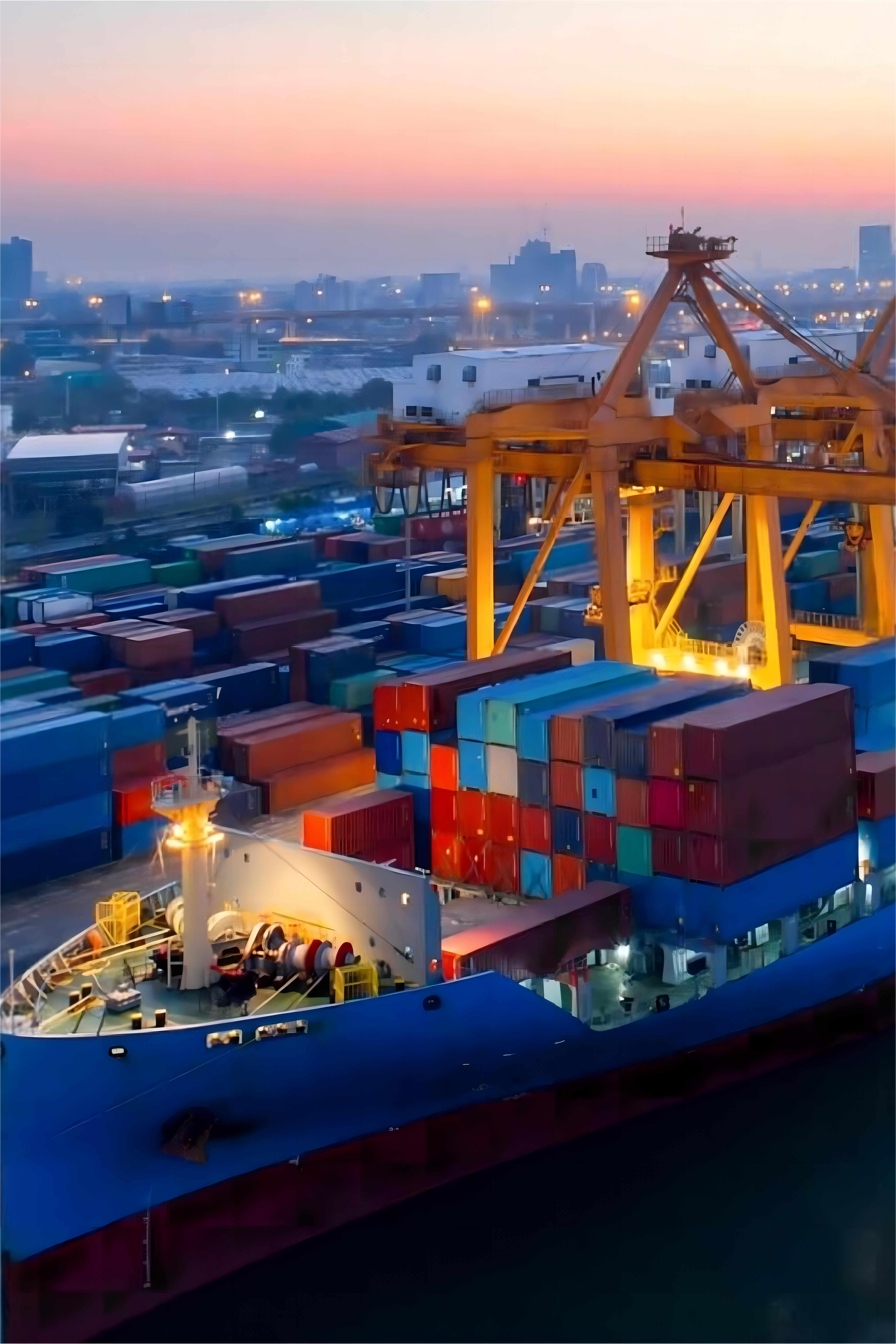
Choosing the most effective logistics strategy depends heavily on your specific budget and timeline requirements for the 2026 fiscal year. Indeed, ocean transport remains the backbone of global trade due to its incredible capacity and cost-efficiency for large volumes. Most businesses prefer sea freight when they need to move significant quantities of goods without the pressure of immediate deadlines.
Moreover, the market has seen a shift toward more sustainable shipping practices as environmental regulations tighten across the Pacific. Consequently, carriers are optimizing routes to reduce fuel consumption while maintaining consistent delivery schedules for importers. You should evaluate whether your cargo volume justifies a full container or if sharing space with other shippers is more economical.
Additionally, the rise of smart logistics platforms allows for better tracking and inventory management during the long transit across the ocean. Therefore, selecting a forwarder with robust digital capabilities is just as important as the physical transport itself. This ensures you maintain visibility over your goods from the moment they leave the factory floor in China.
Full Container Load vs Less than Container Load
Full Container Load (FCL) provides a dedicated space for your goods, which typically results in faster handling and lower risk of damage. In contrast, Less than Container Load (LCL) allows you to pay only for the volume you use, making it ideal for smaller shipments under 15 cubic meters.
Furthermore, FCL is generally more cost-effective once your volume reaches a certain threshold, usually around 10 to 12 pallets. Meanwhile, LCL requires more time at the port for consolidation and deconsolidation, which can add several days to your total transit time.
How Does Sea Freight Compare to Other Shipping Options?
Evaluating different transport modes is crucial for balancing speed and expense in your 2026 supply chain planning. While sea transport offers the lowest rates, air freight provides the rapid turnaround necessary for high-value or time-sensitive products. For instance, electronics and seasonal fashion often require the speed of air transport to meet market demands before trends shift.
However, the cost difference between these methods is substantial and can impact your profit margins significantly if not managed correctly. As a result, many companies now utilize hybrid solutions, such as sea-air combinations, to find a middle ground between cost and speed. This approach involves shipping by sea to a hub like Dubai or Singapore before flying the cargo to its final destination in the USA.
Without a doubt, the choice of method influences your entire inventory strategy and warehousing requirements. In addition, you must consider the environmental impact, as air transport carries a much higher carbon footprint compared to ocean vessels. Below is a detailed comparison of the primary methods used to export cargo from china to usa based on early 2026 market data.
| Shipping Method | Cost Range | Transit Time | Best For |
|---|---|---|---|
| Sea Freight (FCL) | $2,500 – $5,500 | 18 – 35 Days | Bulk Goods |
| Air Freight | $5.50 – $9.00/kg | 3 – 7 Days | High Value |
| Express Courier | $8.00 – $12.00/kg | 2 – 5 Days | Samples |
| Sea-Air Hybrid | Moderate | 12 – 18 Days | Mid-Budget |
How Much Does it Cost to Export Cargo from China to USA?
Freight rates are subject to constant fluctuation based on fuel prices, seasonal demand, and global economic conditions in 2026. Specifically, the peak season from August to October often sees a 20 percent increase in prices due to the holiday shopping rush. Consequently, booking your shipments well in advance can lead to significant savings and guaranteed space on vessels.
Indeed, the port of destination also plays a major role in determining the final landed cost of your products. Shipping to the West Coast, such as Los Angeles or Long Beach, is generally cheaper and faster than shipping to East Coast ports like New York or Savannah. This is due to the shorter distance across the Pacific and the avoidance of Panama Canal transit fees.
To clarify, your total expenditure includes more than just the ocean or air freight charges. You must also account for origin charges, destination handling fees, and insurance premiums to protect your investment. Note: Freight rates are subject to change based on fuel costs, carrier capacity, and seasonal demand. Contact us for a current quote tailored to your specific shipment.

Essential Documentation and Customs Brokerage Requirements
Navigating the legal requirements for international trade is one of the most challenging aspects of the logistics process. Therefore, working with an experienced customs brokerage professional is vital to avoid delays and costly penalties at the border. They ensure that all paperwork, including the Commercial Invoice and Packing List, complies with the latest U.S. Customs and Border Protection regulations.
Moreover, accurate HTS code classification is essential for determining the correct duty rates for your imported goods. Incorrect classification can lead to audits or the seizure of your cargo, which can disrupt your entire business operation. For example, many products from China are currently subject to Section 301 tariffs, requiring careful calculation of total import costs.
Additionally, you must ensure that your supplier provides a valid Bill of Lading, which serves as the title to the goods during transit. In fact, missing or incorrect documentation is the leading cause of port congestion and delivery delays in 2026. Using a digital documentation system can help streamline this process and reduce the risk of human error.
| Document Name | Purpose | Required By | Timing |
|---|---|---|---|
| Commercial Invoice | Value Declaration | Customs | At Loading |
| Packing List | Cargo Details | Warehouse | At Loading |
| Bill of Lading | Title of Goods | Carrier | Post-Departure |
| ISF (10+2) | Security Filing | US Customs | 24hrs Pre-Load |
Navigating Door to Door Shipping and Last-Mile Logistics
Modern businesses often require a seamless logistics experience that handles everything from the factory gate to the final warehouse. Choosing a door to door service simplifies this process by consolidating all transport stages into a single contract. This approach eliminates the need for you to coordinate between multiple truckers, ocean carriers, and customs agents.
Furthermore, last-mile delivery in the USA has become increasingly sophisticated with the integration of real-time tracking and automated routing. Consequently, you can provide your customers with accurate delivery windows, which enhances their overall experience and trust in your brand. Meanwhile, the forwarder manages the transition from the port to the domestic rail or trucking network efficiently.
Indeed, this comprehensive service model is particularly beneficial for small and medium-sized enterprises that lack a dedicated logistics department. By outsourcing the entire chain, you can focus on product development and marketing while the experts handle the physical movement of your cargo. This strategy often results in fewer communication breakdowns and a more resilient supply chain.
Strategic Solutions for Amazon FBA Sellers
Selling on major e-commerce platforms requires a specialized logistics approach to meet strict receiving guidelines and labeling requirements. Many successful sellers utilize Amazon FBA services to ensure their products are prepped and shipped directly to fulfillment centers across the United States. This specialized service includes palletization, labeling, and appointment scheduling that aligns with Amazon’s rigorous standards.
Moreover, managing inventory levels becomes easier when you have a logistics partner who understands the seasonal fluctuations of the e-commerce market. For instance, preparing for Prime Day or the Q4 holiday season requires early booking and strategic stock positioning to avoid stockouts. In addition, using a forwarder with bonded warehouses in the USA can provide a buffer for your inventory management.
Accordingly, the integration of API-based tracking allows sellers to monitor their shipments directly within their own management software. This level of transparency is crucial for maintaining a high seller rating and ensuring customer satisfaction. Therefore, e-commerce businesses should prioritize logistics partners who have a proven track record with the FBA ecosystem.

Which Option Should You Choose? Decision Framework
Determining the right shipping strategy requires a clear understanding of your business priorities and the nature of your products. If your primary goal is cost reduction and you have flexible timelines, ocean freight is undoubtedly the most suitable choice. On the other hand, if you are launching a new product or replenishing low stock, the speed of air freight justifies the higher expense.
Furthermore, consider the volume and weight of your cargo, as these factors directly influence the pricing structure of different methods. For shipments over 500 kilograms, sea freight usually becomes the more economical option compared to air transport. Meanwhile, very small parcels are best handled by express couriers who offer simplified customs processes and rapid delivery.
Consequently, a balanced approach often works best for growing companies. You might choose to ship the bulk of your inventory by sea while sending a small ‘bridge’ shipment by air to maintain market presence. This hybrid strategy ensures you never run out of stock while keeping your average shipping cost per unit as low as possible.
Realistic Case Studies for 2026 Shipments
Case Study 1: Electronics from Shenzhen to Los Angeles. Route: Shenzhen to Los Angeles. Cargo: Consumer Electronics, 12 CBM, 2,500 kg. Method: Sea Freight LCL. Carrier: Major Trans-Pacific Carrier. Port of Loading: Shenzhen. Port of Discharge: Los Angeles. Total Landed Cost: $3,450. Transit Time: 22 days door-to-door. Key Insight: Utilizing LCL allowed the client to maintain weekly stock updates without the cost of FCL.
Case Study 2: Furniture from Ningbo to New York. Route: Ningbo to New York via Panama Canal. Cargo: Home Furniture, 68 CBM. Container: 40HQ. Method: Sea Freight FCL. Carrier: COSCO. Port of Loading: Ningbo. Port of Discharge: New York. Total Landed Cost: $6,200. Transit Time: 34 days. Key Insight: Direct shipping to the East Coast saved $800 in domestic trucking costs compared to railing from the West Coast.
Case Study 3: Urgent Fashion Samples from Shanghai to Chicago. Route: Shanghai to Chicago O’Hare. Cargo: Apparel Samples, 150 kg. Method: Air Freight. Carrier: Cargo Airline. Total Landed Cost: $1,450. Transit Time: 4 days. Key Insight: Air freight enabled the client to approve production samples 3 weeks earlier than sea transport, securing a major retail contract.
Final Thoughts on Exporting to the USA
To summarize, the process to export cargo from china to usa in 2026 demands a blend of strategic planning and expert execution. By understanding the differences between sea and air freight, you can make informed decisions that protect your margins and meet customer expectations. Moreover, focusing on accurate documentation and choosing the right service model, such as door-to-door or FBA shipping, will significantly reduce the risk of delays.
Indeed, the logistics landscape continues to evolve with new technologies and market trends. Staying informed and flexible is the key to maintaining a competitive edge in the global marketplace. Whether you are a small startup or a large corporation, the right freight forwarding partner will help you navigate these challenges and ensure your cargo arrives safely and on time.
Need a tailored shipping solution?
Maximize your business potential by partnering with experts who understand the intricacies of international trade. Whether you need to export cargo from china to usa via sea or air, our team provides tailored solutions to optimize your supply chain. Contact China Freight Hub today to receive a competitive quote and streamline your 2026 logistics operations. Visit our website to learn more about our comprehensive shipping services.
