
Best Freight Forwarder in China: Top Logistics Solutions for 2026
Finding the best freight forwarder in China is a critical step for any business looking to streamline its international supply chain and reduce overhead costs in 2026. As global trade dynamics continue to shift, partnering with an experienced logistics provider like China Freight Hub ensures that your cargo moves efficiently across borders without unnecessary delays. This comprehensive guide will explore how to identify the right partner to handle your shipping needs from mainland China to the rest of the world.
✦
Why Choosing the Best Freight Forwarder in China Matters in 2026
Reliable logistics serve as the backbone of every successful import business, especially when dealing with the complexities of the Chinese manufacturing sector. Consequently, selecting a partner with deep local knowledge can mean the difference between a profitable quarter and a logistical nightmare involving stranded cargo.
Moreover, the market landscape in 2026 has become increasingly digitized, requiring forwarders to offer real-time tracking and automated documentation services. Therefore, businesses must look beyond basic price quotes and evaluate the technological capabilities of their prospective logistics partners.
Additionally, the recent stabilization of global shipping routes following the 2025 disruptions has created new opportunities for cost optimization. Meanwhile, the best freight forwarder in China will proactively suggest alternative routes or transport modes to mitigate any remaining regional volatility.
How Does Sea Freight Compare to Other Shipping Options?
Ocean transport remains the most economical choice for large-scale shipments, offering a balance between cost-efficiency and massive volume capacity. Specifically, sea freight is ideal for businesses moving heavy machinery, bulk consumer goods, or large furniture items that do not require immediate delivery.
In contrast, air transport provides unmatched speed for high-value or perishable items that must reach their destination within a matter of days. Furthermore, rail freight has emerged as a middle-ground solution for Eurasian routes, providing faster transit than the sea at a lower cost than the air.
Nevertheless, the decision often comes down to the specific requirements of your inventory and the urgency of your delivery schedule. For example, a business might utilize ocean transport for their baseline stock while keeping a small portion of inventory in the air to respond to sudden demand spikes.
| Shipping Method | Cost Range | Transit Time | Best For | Limitations |
|---|---|---|---|---|
| Sea Freight | $1,500 – $4,500 per FEU | 18 – 40 Days | Bulk Cargo / FCL | Longest Transit |
| Air Freight | $5.50 – $12.00 per kg | 3 – 7 Days | Electronics / Urgent | High Cost |
| Rail Freight | $80 – $160 per CBM | 15 – 22 Days | Eurasian Land Bridge | Limited Routes |
| Express Service | $10.00 – $18.00 per kg | 2 – 5 Days | Samples / Small Parcels | Very High Cost |

Which Shipping Option Should You Choose?
Determining the most effective transport mode requires a careful analysis of your budget, cargo volume, and required arrival date. If your primary goal is to minimize international shipping rates, then Full Container Load (FCL) sea shipping is almost always the superior choice.
On the other hand, if you are shipping smaller quantities under 15 CBM, Less than Container Load (LCL) provides a flexible way to share space and costs with other importers. Furthermore, businesses prioritizing speed over cost should investigate air freight options to ensure their products hit the shelves before the competition.
Market data suggests that hybrid solutions, such as sea-air combinations via hubs like Dubai, can also provide a strategic advantage by cutting costs compared to pure air transport. Indeed, the best freight forwarder in China will help you weigh these trade-offs based on current 2026 fuel surcharges and carrier availability.
Navigating Customs and Compliance Requirements
Successfully clearing customs is often the most challenging part of the import process, as regulations can change rapidly without much notice. For this reason, professional customs brokerage services are essential for ensuring that all HS codes are correctly applied and duties are accurately calculated.
Incorrect documentation can lead to expensive port storage fees or even the seizure of goods by authorities. Consequently, your forwarder must possess a thorough understanding of both Chinese export laws and the import regulations of your destination country.
Typical documents required for a smooth export process include the Commercial Invoice, Packing List, Bill of Lading, and Certificate of Origin. Additionally, certain products like medical devices or electronics may require specialized certifications such as CE, FDA, or FCC to pass through customs without delay.
| Document Name | Purpose | Responsible Party | Required For |
|---|---|---|---|
| Bill of Lading | Title of Goods | Carrier / Forwarder | All Shipments |
| Commercial Invoice | Value Declaration | Shipper / Seller | Customs Valuation |
| Packing List | Contents Detail | Shipper / Seller | Inspection |
| CO (Cert of Origin) | Trade Agreements | Chamber of Commerce | Duty Reduction |
Specialized Solutions for Amazon FBA and E-commerce
E-commerce sellers face unique challenges, such as strict labeling requirements and precise delivery windows at fulfillment centers. Therefore, many importers seek out specialized Amazon FBA logistics services that handle everything from factory pickup to final delivery.
These services often include palletizing, labeling, and quality inspections before the goods ever leave China. As a result, sellers can maintain high performance metrics on platforms like Amazon without having to touch the inventory themselves.
Moreover, the best freight forwarder in China will offer integrated tracking systems that allow you to monitor your inventory as it moves from the manufacturer to the warehouse. This transparency is vital for managing stock levels and planning marketing campaigns effectively in the fast-paced 2026 retail environment.
Streamlining the Last Mile with Door to Door Services
Managing multiple vendors for trucking, ocean freight, and final delivery can be an administrative burden for many small to medium enterprises. To solve this, door to door shipping has become the preferred choice for those seeking a hassle-free experience.
This all-inclusive service covers the entire journey of the cargo, including inland transportation in China, export clearance, ocean transit, and final mile delivery to your warehouse. Consequently, you receive a single invoice and a single point of contact for the entire operation.
Indeed, choosing the best freight forwarder in China means finding a partner that can handle these complex hand-offs seamlessly. Furthermore, door to door services often include insurance options that protect your investment against damage or loss during any leg of the journey.
Shipping to Major Global Markets: Europe and North America
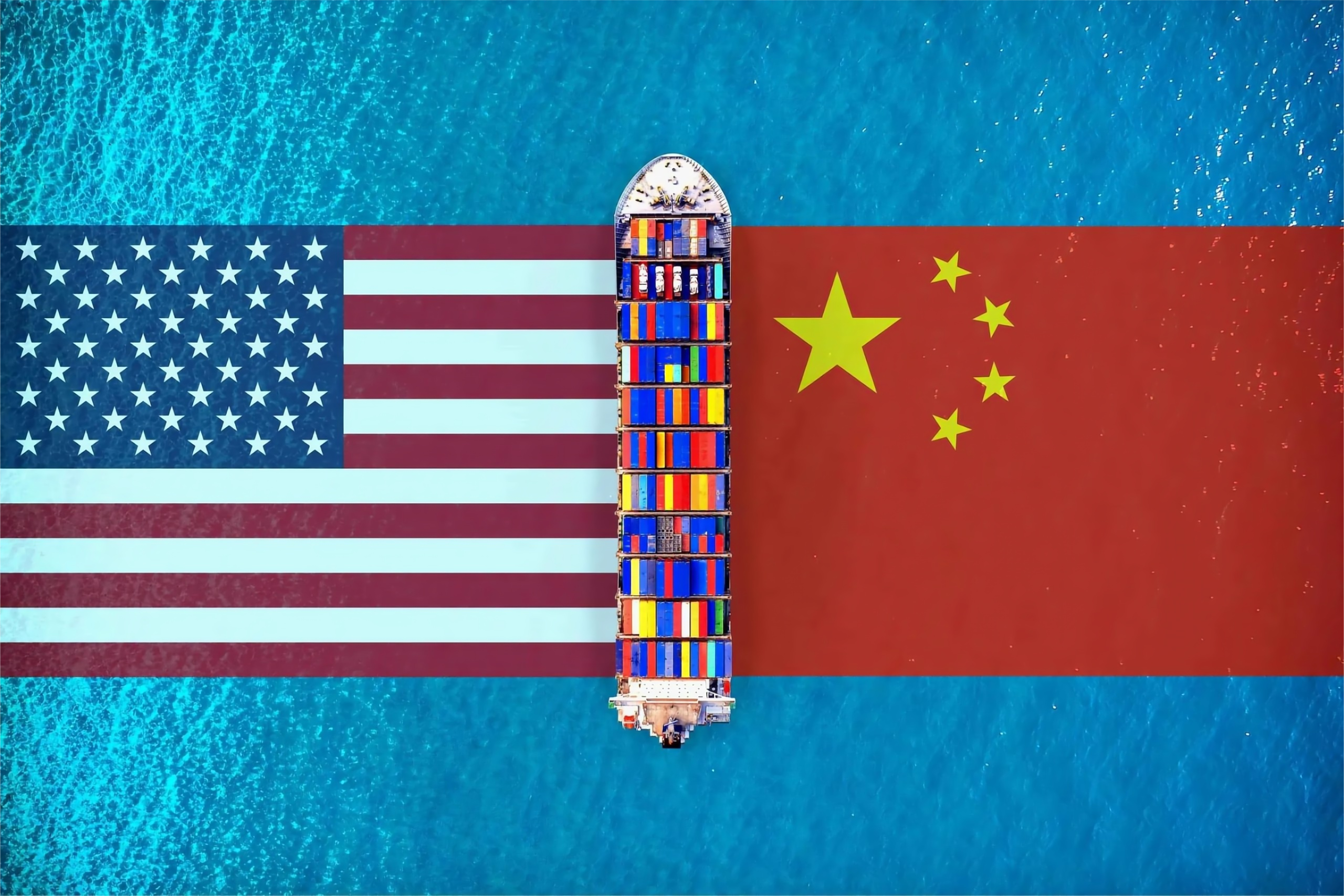
Trade routes from China to Europe remain some of the busiest in the world, with major ports like Rotterdam and Hamburg serving as primary gateways. Meanwhile, routes to North America are heavily influenced by port congestion levels on the West Coast versus the East Coast.
Typically, shipping to the US West Coast is faster and cheaper than the East Coast, but inland trucking costs can offset these savings if your final destination is in the Midwest. Therefore, a strategic forwarder will analyze the total landed cost rather than just the ocean freight rate.
In 2026, we are seeing a shift toward more sustainable shipping practices on these major lanes. For instance, many carriers are now offering carbon-neutral shipping options for businesses looking to reduce their environmental impact while maintaining a global presence.
Real-World Case Studies: 2025-2026 Success Stories
Case Study 1: Industrial Equipment to Germany. Route: Ningbo, China to Hamburg, Germany. Cargo: Precision CNC Machinery, 28 CBM, 12,500 kg. Container: 40GP. Shipping Details: Carrier: COSCO, Port of Loading: Ningbo, Port of Discharge: Hamburg, Route Type: Direct. Cost Breakdown: Ocean Freight: $3,250, Origin Charges: $450, Destination Charges: $600, Customs and Duties: $1,200, Total Landed Cost: $5,500. Timeline: Booking to Loading: 4 days, Sea Transit: 32 days, Customs Clearance: 2 days, Total Door-to-Door: 42 days. Key Insight: Direct routing saved 6 days compared to transshipment through Singapore.
Case Study 2: Consumer Electronics to Los Angeles. Route: Shenzhen, China to Los Angeles, USA. Cargo: Smart Home Devices, 12 CBM, 2,800 kg. Container: LCL. Shipping Details: Carrier: Major Carrier, Port of Loading: Shenzhen, Port of Discharge: Los Angeles, Route Type: Direct. Cost Breakdown: Ocean Freight: $1,150, Origin Charges: $320, Destination Charges: $480, Customs and Duties: $2,100, Total Landed Cost: $4,050. Timeline: Booking to Loading: 3 days, Sea Transit: 16 days, Customs Clearance: 3 days, Total Door-to-Door: 25 days. Key Insight: Utilizing a fast-boat service reduced transit time by 10 days compared to standard LCL options.
Note: Freight rates are subject to change based on fuel costs, carrier capacity, and seasonal demand. Contact us for a current quote tailored to your specific shipment.
Analyzing 2026 Freight Rate Trends and Market Data
According to industry benchmarks, freight rates from China have stabilized in early 2026 after the fluctuations seen in previous years. However, businesses should still prepare for seasonal increases of 15-25% during the peak season from August to October.
Furthermore, market data suggests that shipping from Shenzhen to the UK currently ranges from $2,200 to $3,500 for a 20GP container. Meanwhile, shipping to Australia remains relatively affordable, with rates for a 20GP container hovering between $800 and $1,200 depending on the specific port.
Nevertheless, it is always advisable to book your space at least two weeks in advance to secure the best possible rates. Consequently, proactive planning remains the most effective strategy for managing your logistics budget in the current market environment.
| Route | 20GP Container | 40HQ Container | Transit Time |
|---|---|---|---|
| China to USA West | $1,600 – $2,300 | $2,900 – $3,900 | 14 – 18 Days |
| China to USA East | $2,600 – $3,600 | $4,600 – $6,100 | 30 – 35 Days |
| China to UK | $2,100 – $2,900 | $3,600 – $4,600 | 30 – 38 Days |
| China to Australia | $850 – $1,250 | $1,450 – $2,050 | 12 – 18 Days |
Final Thoughts on Finding Your Logistics Partner
In conclusion, identifying the best freight forwarder in China requires a balanced evaluation of their service offerings, technological capabilities, and market expertise. By focusing on transparent communication and comprehensive solutions, you can build a resilient supply chain that supports your business growth for years to come.
Whether you are shipping bulk industrial goods via ocean freight or urgent electronics via air, the right partner will provide the guidance needed to navigate the complexities of global trade. Start your journey toward more efficient logistics today and experience the difference that professional freight forwarding can make for your bottom line.
Take the next step in optimizing your supply chain by partnering with the best freight forwarder in China. Contact our expert team today to receive a customized quote and discover how we can streamline your international shipping operations in 2026. Visit our inquiry page to get started: Send Inquiry
Request Quote