

Sea Freight Cost from China: 2026 Shipping Rates and Guide
Navigating the complexities of the sea freight cost from China requires a deep understanding of market dynamics and logistics planning. China Freight Hub provides the expertise needed to manage these shipping challenges efficiently for global importers. Consequently, businesses can optimize their supply chains while maintaining competitive pricing in a volatile global market. Therefore, staying informed about the latest freight trends is essential for long-term success.

What Factors Determine Sea Freight Cost from China?
Understanding the primary drivers of shipping expenses is the first step toward effective budgeting. For instance, the distance between the port of loading and the destination significantly impacts the total ocean freight price. Additionally, fuel surcharges and carrier capacity fluctuations play a critical role in determining monthly rate adjustments.
Market demand often peaks during specific seasons, leading to higher costs for all importers. Specifically, the months leading up to the Lunar New Year and the year-end holiday season typically see a surge in volume. Moreover, port congestion and labor availability can introduce unexpected surcharges that affect the bottom line.
Shipping a full container or a partial load will also change the pricing structure. Selecting sea freight services allows for flexibility based on the specific volume of your goods. Consequently, businesses must evaluate their inventory needs against the current market rates to find the most cost-effective solution.
FCL vs LCL: Comparing Container Shipping Options
Choosing between Full Container Load (FCL) and Less than Container Load (LCL) depends largely on shipment size. FCL is generally more efficient for larger volumes because it offers a flat rate per container. Conversely, LCL allows smaller businesses to share container space, paying only for the volume they use.
Importers targeting North America often find that FCL provides better security and faster transit times. This is because FCL shipments do not require the consolidation and deconsolidation processes associated with shared containers. Furthermore, FCL reduces the risk of handling damage since the container remains sealed from origin to destination.
LCL remains a vital option for those with shipments under 15 cubic meters. Although the price per cubic meter is higher than FCL, the total cost is much lower for small batches. Naturally, you should compare both options based on your current inventory requirements and delivery schedules.
| Shipping Method | Typical Volume | Cost Structure | Best For |
|---|---|---|---|
| FCL 20GP | 28-33 CBM | Flat rate per container | Bulk goods and heavy items |
| FCL 40HQ | 68-76 CBM | Flat rate per container | Large volume shipments |
| LCL | 1-15 CBM | Price per Cubic Meter | Small business inventory |
2026 Market Analysis: Current Sea Freight Rates
Market data suggests that freight rates have stabilized in early 2026 after the fluctuations seen in previous years. For example, shipments to the United States West Coast currently range between 1,800 and 2,500 dollars for a 20-foot container. Meanwhile, routes to Europe remain slightly higher due to longer transit distances and canal fees.
Seasonal trends continue to influence these prices significantly. Rates typically increase by 15 to 25 percent during the August to October peak season. Therefore, booking your shipments at least 3-4 weeks in advance is highly recommended to secure better pricing and guaranteed space. Additionally, utilizing a customs brokerage service can help prevent costly delays at the border.
Note: Freight rates are subject to change based on fuel costs, carrier capacity, and seasonal demand. Contact us for a current quote tailored to your specific shipment.
| Route from China | 20GP Container | 40HQ Container | Transit Time |
|---|---|---|---|
| USA West Coast | $1,800 – $2,200 | $2,800 – $3,800 | 14-18 Days |
| USA East Coast | $2,500 – $3,500 | $4,500 – $6,000 | 30-35 Days |
| Northern Europe | $2,000 – $2,800 | $3,500 – $4,500 | 30-38 Days |
| Australia | $800 – $1,200 | $1,400 – $2,000 | 12-18 Days |
How Does Sea Freight Compare to Other Shipping Options?
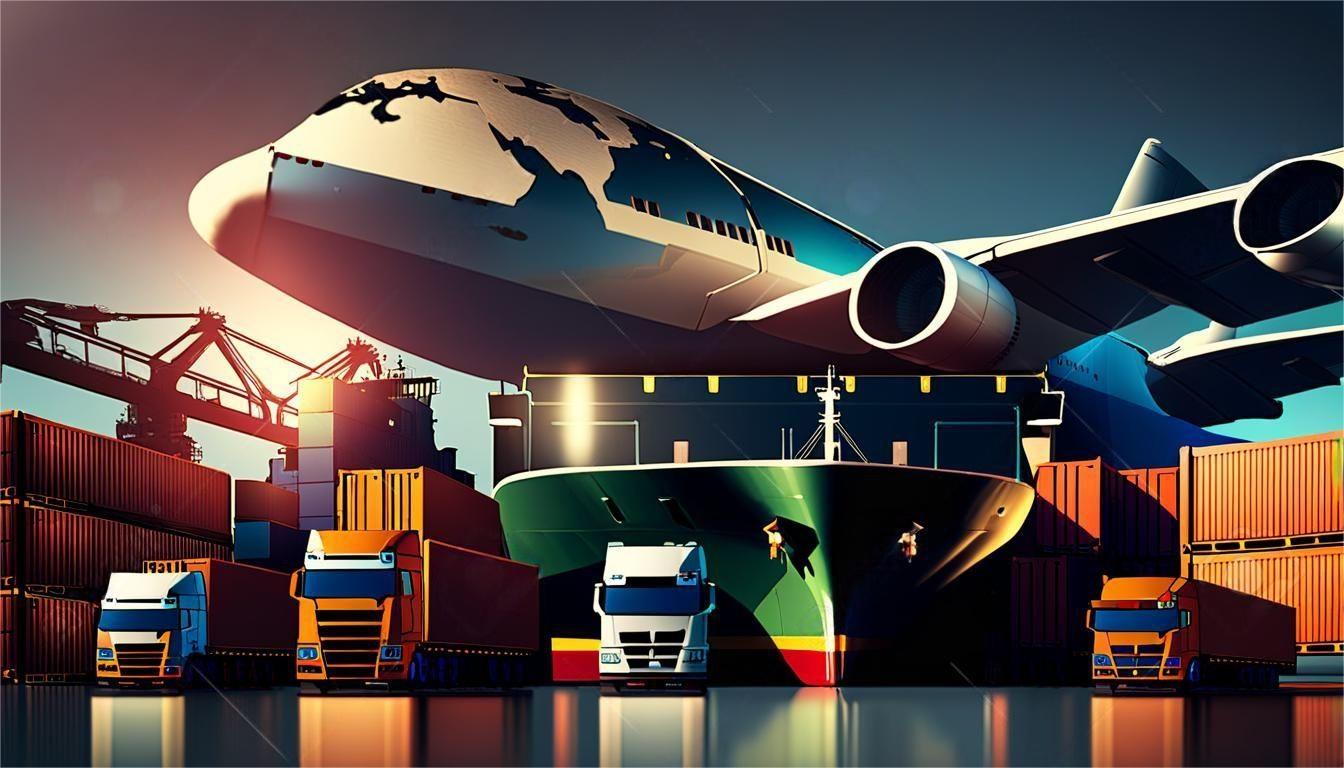
Evaluating sea freight against air and rail options is essential for a balanced logistics strategy. While sea freight is the most economical choice for bulk cargo, air freight offers unmatched speed for urgent deliveries. In contrast, rail freight serves as a middle ground for shipments moving between China and European destinations.
Cost differences between these methods can be substantial. Shipping a 40HQ container by sea might cost 3,500 dollars, whereas the same volume via air could exceed 20,000 dollars. Consequently, sea freight remains the preferred choice for companies looking to maximize their profit margins on large-scale imports.
Hybrid solutions like sea-air combinations have also gained popularity in 2026. These strategies involve shipping by sea to a hub like Dubai or Singapore and then flying the cargo to the final destination. This approach provides a faster timeline than pure sea freight while remaining cheaper than direct air shipping.
| Shipping Method | Cost Range | Transit Time | Limitations |
|---|---|---|---|
| Sea Freight | Lowest | 15-45 Days | Slower delivery speed |
| Air Freight | Highest | 3-7 Days | Weight and size limits |
| Rail Freight | Medium | 15-22 Days | Limited to land routes |
| Express | Very High | 2-5 Days | Small parcels only |
Which Option Should You Choose for Your Cargo?
Determining the right shipping method requires a clear understanding of your business priorities. If your primary goal is budget optimization, sea freight is almost always the superior choice. However, if you are launching a new product or replenishing low stock, the speed of air freight might justify the higher expense.
Cargo type also plays a major role in this decision. Perishable goods or high-value electronics often require the controlled environment and speed of air transport. Conversely, durable goods like furniture, machinery, and textiles are perfectly suited for long-haul sea voyages. Choosing a door to door service can simplify either process by managing the entire journey.
Volume thresholds are another critical factor to consider. Once your shipment exceeds 15 cubic meters, switching from LCL to FCL becomes economically viable. Always analyze your total landed cost, including duties and local delivery, before making a final commitment.
Real Case Studies: Shipping Success from China
CASE STUDY 1: Electronics from Shenzhen to Los Angeles. Route: Shenzhen to Long Beach. Cargo: Consumer Electronics, 68 CBM. Container: 40HQ. Shipping Details: Major carrier, direct route. Cost Breakdown: Ocean Freight $3,200, Origin Charges $400, Destination Charges $650, Customs $200. Total Landed Cost: $4,450. Timeline: 22 Days Door-to-Door. Key Insight: Early booking secured space during the Q3 peak season.
CASE STUDY 2: Textiles from Shanghai to Hamburg. Route: Shanghai to Rotterdam. Cargo: Apparel, 12 CBM. Container: LCL. Shipping Details: Transshipment via Singapore. Cost Breakdown: Ocean Freight $950, Origin Charges $250, Destination Charges $400, Customs $150. Total Landed Cost: $1,750. Timeline: 38 Days Door-to-Door. Key Insight: LCL was 40 percent cheaper than a 20GP container for this volume.
CASE STUDY 3: Furniture from Ningbo to Sydney. Route: Ningbo to Port Botany. Cargo: Home Furniture, 28 CBM. Container: 20GP. Shipping Details: Direct service. Cost Breakdown: Ocean Freight $1,100, Origin Charges $350, Destination Charges $500, Customs $300. Total Landed Cost: $2,250. Timeline: 16 Days Door-to-Door. Key Insight: Direct routes minimized the risk of damage during transshipment.
Navigating Customs and Documentation Requirements
Documentation accuracy is vital for avoiding expensive port storage fees and customs delays. Every shipment requires a commercial invoice, a packing list, and a bill of lading as standard requirements. Additionally, certain products may need specific certificates of origin or safety compliance documents.
Customs duties are calculated based on the HS code classification of your goods. Misclassifying items can lead to heavy fines or seizure of the cargo by authorities. Therefore, working with an experienced partner ensures that all paperwork is filed correctly and on time. This is especially true for Amazon FBA sellers who must meet strict delivery windows.
Digital customs filing has become the standard in 2026, speeding up the clearance process significantly. Most shipments can now be cleared while the vessel is still at sea. Consequently, this reduces the time your goods spend at the terminal, further lowering your overall sea freight cost from China.
How to Optimize and Reduce Your Shipping Costs
Optimizing your packaging can lead to significant savings, especially when using LCL services. By reducing the dimensions of your boxes, you minimize the billable volume of the shipment. Furthermore, consolidating multiple orders from different suppliers into a single FCL container can drastically lower your per-unit shipping cost.
Negotiating long-term contracts with freight forwarders can also provide price stability. While spot rates offer flexibility, contract rates protect you from sudden market spikes during peak seasons. Additionally, choosing off-peak departure dates can sometimes result in lower base freight rates.
Finally, always consider the total landed cost rather than just the ocean freight rate. Hidden fees like terminal handling charges and trucking surcharges can add up quickly. By maintaining a transparent relationship with your logistics provider, you can identify and eliminate unnecessary expenses throughout the supply chain.
Mastering Your Sea Freight Strategy
Managing the sea freight cost from China effectively requires a combination of market knowledge and strategic planning. By understanding the differences between FCL and LCL, monitoring 2026 market trends, and ensuring documentation accuracy, you can maintain a competitive edge. Furthermore, choosing the right shipping partner will help you navigate the complexities of global trade with confidence.
Ultimately, the goal is to balance speed, cost, and reliability to meet your business objectives. Whether you are shipping small volumes or large containers, the insights provided in this guide will help you make informed decisions. Start planning your next shipment today to take advantage of the current market opportunities.
Get Your Shipping Quote Today
Ready to optimize your supply chain and reduce your sea freight cost from China? Contact our expert team at China Freight Hub today for a personalized quote and professional logistics support. Send Inquiry to get started with our reliable shipping solutions.
Request Quote