

China Freight Hub Sea Freight: 2026 Shipping Guide and Rates
Navigating the complexities of global trade requires a reliable partner like China Freight Hub to manage your international logistics. As we move through 2026, many savvy businesses rely on China Freight Hub sea freight to maintain a competitive edge while keeping shipping costs manageable. This comprehensive guide explores how you can leverage ocean transport to move large volumes of cargo efficiently across the globe.

Why Should You Choose China Freight Hub Sea Freight in 2026?
Economical transportation remains the primary driver for businesses selecting ocean routes over other methods. Therefore, choosing sea freight allows you to move massive quantities of goods at a fraction of the cost of air transport.
Market conditions in early 2026 suggest that ocean freight rates have stabilized following the volatility of previous years. Consequently, companies can now plan their annual budgets with greater accuracy and less fear of sudden surcharges.
Environmental sustainability is also becoming a significant factor for modern importers and exporters. Meanwhile, sea transport produces significantly lower carbon emissions per ton-mile compared to air freight, aligning with global green initiatives.
How Does Sea Freight Compare to Other Shipping Options?
Understanding the trade-offs between different logistics modes is essential for supply chain optimization. While air freight offers unmatched speed, it is often prohibitively expensive for heavy or bulky items.
Rail transport provides a middle ground for Eurasian routes but lacks the global reach of ocean vessels. For instance, rail freight is a viable alternative for shipments to Central Asia but cannot serve island nations like Australia.
Hybrid solutions like sea-air combinations are gaining popularity for their balance of cost and speed. Moreover, these multi-modal strategies help businesses bypass port congestion or meet tight deadlines without the full expense of air transport.
| Method | Cost Range | Transit Time | Best For |
|---|---|---|---|
| Sea Freight | $1,500 – $6,000 | 15-45 Days | Bulk Goods |
| Air Freight | $5,000 – $25,000 | 3-7 Days | High Value |
| Rail Freight | $2,500 – $5,000 | 15-22 Days | Inland Europe |
| Express | $8,000 – $30,000 | 2-5 Days | Documents/Samples |
What are the Current Sea Freight Rates from China?
Ocean freight pricing depends on several factors, including the destination port, container size, and seasonal demand. Additionally, fuel surcharges and carrier capacity fluctuations play a major role in the final landed cost.
Typical rates as of early 2026 show a moderate increase during the peak season from August to October. For example, a 40HQ container to the US West Coast might see a 15 percent price hike during this period.
Shippers should always request a current quote to account for real-time market changes. Furthermore, booking at least 3-4 weeks in advance can help secure better rates and guaranteed space on the vessel.
| Route | 20GP Container | 40HQ Container | Avg. Transit |
|---|---|---|---|
| China to USA West | $1,600 – $2,300 | $2,900 – $3,900 | 16 Days |
| China to USA East | $2,600 – $3,600 | $4,600 – $6,100 | 32 Days |
| China to Europe | $1,900 – $2,600 | $3,100 – $4,300 | 33 Days |
| China to Australia | $900 – $1,300 | $1,500 – $2,100 | 14 Days |

Should You Choose FCL or LCL for Your Shipment?
Full Container Load (FCL) is the preferred choice for large shipments that can fill an entire 20-foot or 40-foot unit. Indeed, FCL offers better security and faster handling since the container is not opened until it reaches its destination.
Less than Container Load (LCL) allows multiple shippers to share space within a single container. However, this method requires more time for consolidation at the origin and deconsolidation at the destination port.
Small businesses often find LCL more flexible for maintaining inventory levels without overcommitting capital. Conversely, once your volume exceeds 15 cubic meters, switching to FCL usually becomes more cost-effective.
How Does the Amazon FBA Sea Freight Process Work?
E-commerce sellers frequently utilize Amazon FBA services to streamline their fulfillment operations. Specifically, sea freight provides the necessary margins for high-volume sellers to remain profitable on the platform.
Compliance with Amazon’s strict labeling and packaging requirements is mandatory for all inbound shipments. Consequently, professional freight forwarders handle the palletization and labeling to prevent costly warehouse rejections.
Direct shipping to FCL or LCL centers across North America or Europe is now a standard practice for Chinese manufacturers. Additionally, specialized customs brokers ensure that all duties are paid correctly before the goods reach the Amazon network.
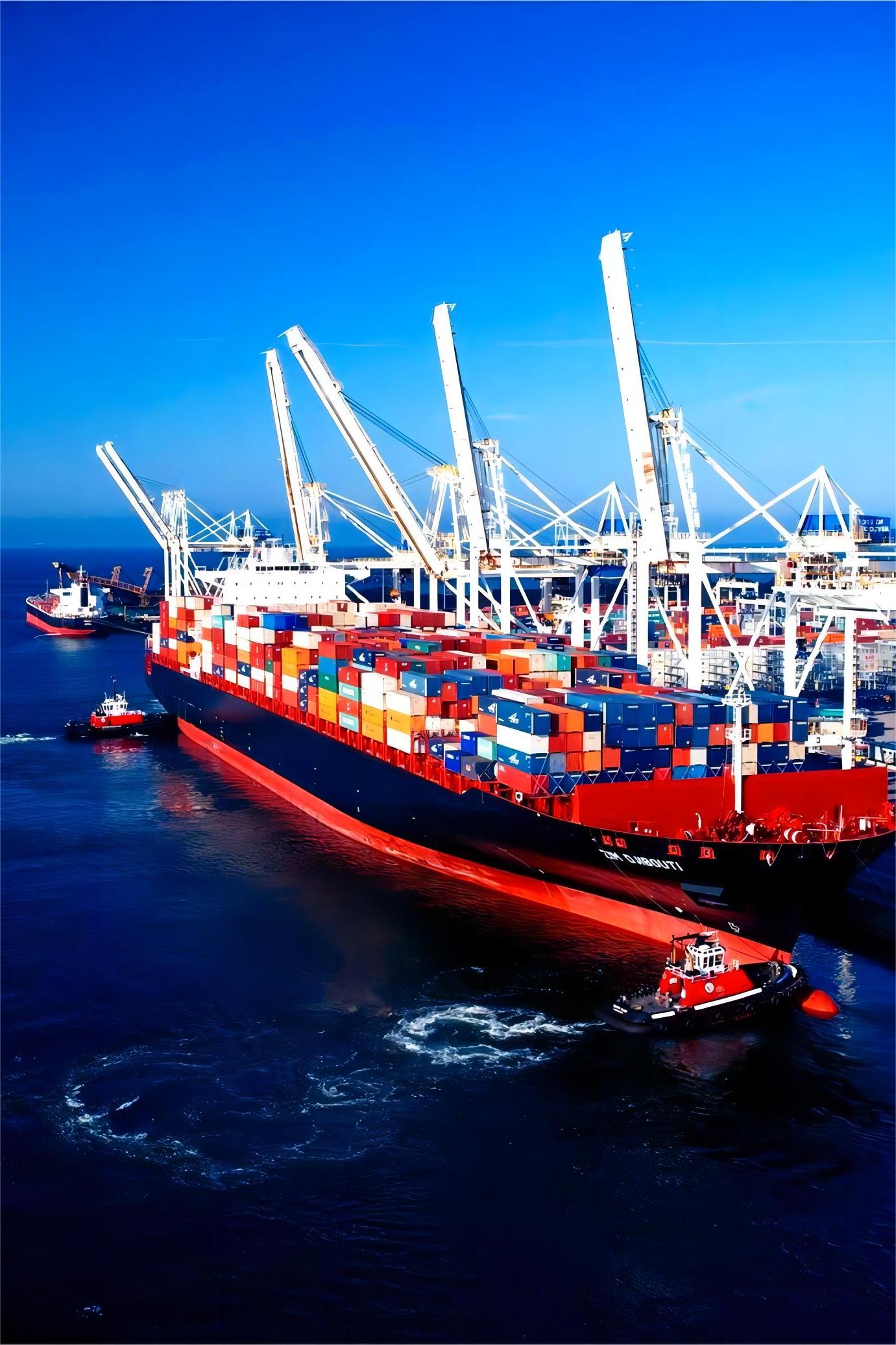
Which Major Ports Serve as China Freight Hubs?
Shanghai remains the world’s busiest container port, offering the highest frequency of departures to global destinations. Similarly, Ningbo-Zhoushan provides excellent deep-water facilities and serves as a major gateway for the Zhejiang manufacturing belt.
Shenzhen and Guangzhou dominate the southern region, acting as primary hubs for electronics and consumer goods. Furthermore, these ports offer specialized services for high-tech exports and rapid loading schedules.
Northern hubs like Qingdao and Tianjin are essential for heavy industrial equipment and raw material exports. Meanwhile, the strategic location of these ports allows for efficient transport to Korea, Japan, and the Russian Far East.
What Documents Are Required for Sea Freight Customs?
Proper documentation is the backbone of a successful import-export operation. Therefore, hiring a professional for customs brokerage is highly recommended to avoid delays at the border.
Essential documents include the Bill of Lading, Commercial Invoice, Packing List, and Certificate of Origin. In addition, certain products may require specialized permits or health certificates depending on the destination country’s regulations.
Errors in paperwork can lead to expensive demurrage charges and port storage fees. Consequently, double-checking every detail against the physical cargo is a critical step in the logistics workflow.
| Document Name | Purpose | Provider | Requirement |
|---|---|---|---|
| Bill of Lading | Title to Goods | Carrier | Mandatory |
| Commercial Invoice | Valuation | Shipper | Mandatory |
| Packing List | Cargo Details | Shipper | Mandatory |
| CO / Form E | Duty Reduction | Chamber of Commerce | Optional |
Case Study 1: Electronics Shipment to North America
Route: Shenzhen, China to Los Angeles, USA. Cargo: Consumer electronics, 28 CBM, 4,500 kg. Container: 40GP. Shipping Details: Direct service via a major trans-Pacific carrier. Port of Loading: Shenzhen. Port of Discharge: Los Angeles.
Cost Breakdown: Ocean Freight: $3,200. Origin Charges: $450. Destination Charges: $650. Customs and Duties: $1,200. Total Landed Cost: $5,500.
Timeline: Booking to Loading: 4 days. Sea Transit: 15 days. Customs Clearance: 2 days. Total Door-to-Door: 21 days. Key Insight: Utilizing a direct route saved 6 days compared to transshipment options.
Case Study 2: Furniture Export to Europe
Route: Ningbo, China to Hamburg, Germany. Cargo: Office furniture, 65 CBM, 12,000 kg. Container: 40HQ. Shipping Details: Transshipment via Singapore. Port of Loading: Ningbo. Port of Discharge: Hamburg.
Cost Breakdown: Ocean Freight: $3,800. Origin Charges: $500. Destination Charges: $800. Customs and Duties: $2,100. Total Landed Cost: $7,200.
Timeline: Booking to Loading: 5 days. Sea Transit: 32 days. Customs Clearance: 3 days. Total Door-to-Door: 40 days. Key Insight: Planning for a 40-day window allowed the client to avoid expensive air freight during a stock shortage.
Case Study 3: Solar Panels to Australia
Route: Shanghai, China to Sydney, Australia. Cargo: Solar panels, 12 CBM, 2,800 kg. Container: LCL. Shipping Details: Direct weekly service. Port of Loading: Shanghai. Port of Discharge: Sydney.
Cost Breakdown: Ocean Freight: $1,100. Origin Charges: $300. Destination Charges: $400. Customs and Duties: $600. Total Landed Cost: $2,400.
Timeline: Booking to Loading: 3 days. Sea Transit: 14 days. Customs Clearance: 2 days. Total Door-to-Door: 19 days. Key Insight: LCL was the most economical choice for this mid-sized volume, saving $800 over a full 20GP container.
Which Option Should You Choose for Your Business?
Budget priority should lead you toward FCL sea freight for any shipment exceeding 15 cubic meters. However, if speed is your primary concern and the cargo is lightweight, air freight remains the undisputed leader.
Cargo type also dictates the method, as hazardous materials or oversized machinery often require specialized ocean vessels. For instance, roll-on/roll-off ships are necessary for vehicles, while flat racks are used for heavy equipment.
Volume thresholds are the most common deciding factor for small to medium enterprises. Without a doubt, consistently monitoring your shipping volumes will help you decide when to transition from LCL to FCL to maximize your ROI.
Summary of 2026 Sea Freight Strategies
Mastering the nuances of China freight hub sea freight is essential for any business involved in international trade. By choosing the right container type, understanding current market rates, and preparing accurate documentation, you can significantly reduce your logistics overhead.
As we have seen, 2026 offers a more stable environment for ocean transport compared to previous years. Therefore, now is the perfect time to audit your shipping routes and partner with a reliable freight forwarder to ensure your cargo arrives safely and on time.

Get Your Shipping Quote Today
Ready to optimize your supply chain with professional logistics? Contact us today to receive a competitive quote for your next China freight hub sea freight shipment and experience seamless global delivery.
Request Quote