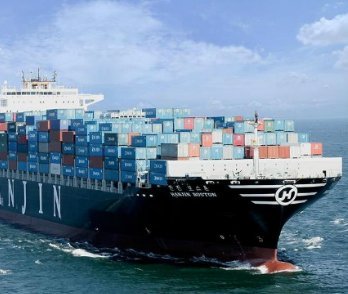
Shipping from China to Kiribati demands a logistics strategy that accounts for the nation’s scattered atolls and limited transport frequency. With China Freight Hub, your cargo is supported by a carefully structured workflow—from export preparation and carrier coordination in China to arrival handling in Tarawa and onward island distribution—ensuring dependable movement into one of the Pacific’s most geographically dispersed markets.
China Freight Hub arranges sea freight solutions tailored for Kiribati’s long-route, low-frequency shipping environment. We coordinate container loading, export declarations, and vessel planning that aligns with trans-Pacific schedules into Betio Port in South Tarawa. Sea freight serves importers of building materials, daily commodities, equipment, packaged food, and other goods that require stable ocean routing despite the limited service intervals.

To meet urgent delivery needs, China Freight Hub organizes air freight shipments into Bonriki International Airport via essential regional hubs. We oversee export screening, flight coordination, and customs procedures to ensure time-sensitive cargo arrives smoothly. Air freight is ideal for pharmaceuticals, electronics, critical machinery parts, and urgent retail replenishments.

Our door-to-door service offers a fully coordinated experience—from supplier pickup in China to doorstep delivery in Tarawa or select outer islands. We manage all export formalities, freight transitions, customs entry, and local handover activities, creating a seamless chain of custody built for a country where logistical continuity is crucial.

China Freight Hub offers FCL shipping for shipments that require secure, enclosed space throughout extended ocean travel. We supervise container loading at origin, book reliable carriers serving the Micronesian region, and coordinate import documentation for arrival in Betio. FCL is recommended for construction materials, equipment, bulk retail inventory, and long-term supply shipments.
Our LCL consolidation service supports importers who move goods in smaller or mixed quantities. We consolidate shipments at structured Chinese warehouses, reinforce packing for long-distance maritime handling, and manage end-to-end customs processes. LCL is ideal for small retailers, community suppliers, NGOs, and businesses that replenish stock periodically without needing a full container.
Reliable pickup anywhere in China with coordinated delivery across Tarawa and selected outer islands.
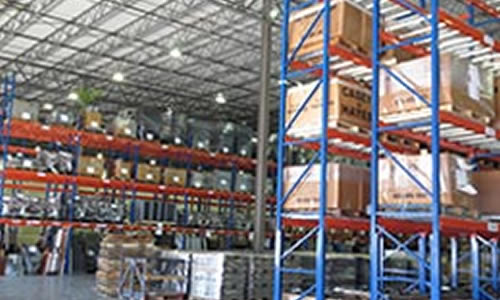
Structured warehousing and consolidation services ensure goods are properly prepared for long maritime routes.

Insurance coverage provides essential protection for shipments traveling through extended and multi-stop Pacific routes.

Professional assistance ensures compliance with Kiribati’s import regulations and avoids unnecessary delays.
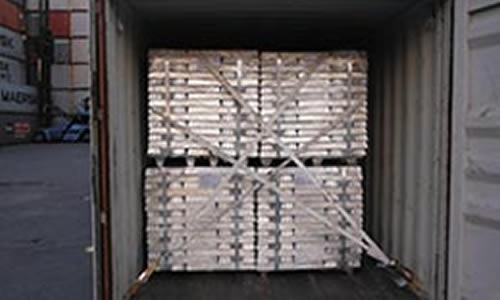
Detailed loading inspections safeguard cargo throughout lengthy ocean transport and regional transshipment.
• Logistics strategies adapted to Kiribati’s highly dispersed island geography
• Flexible FCL and LCL services suitable for both large and small import operations
• Clear support across all customs declarations, permits, and compliance steps
• Structured warehousing and professional loading supervision at origin
• China-wide pickup with reliable delivery throughout Tarawa and selected outer islands
• Consistent communication providing full visibility across each transport stage
China Freight Hub offers practical, resilient, and cost-effective logistics solutions for shipments moving from China to Kiribati—designed to overcome the unique challenges of one of the Pacific’s most remote and scattered nations.
Major shipping routes from China to Kiribati typically involve transshipment via key ports such as Hong Kong, Sydney, or Auckland. The route often includes transferring goods through these hubs before reaching Kiribati. This ensures efficient handling and customs clearance while optimizing transit times.
When shipping to Kiribati, it’s crucial to comply with customs regulations that include providing accurate documentation, such as commercial invoices and packing lists. Kiribati customs also requires adherence to import restrictions and tariffs. Familiarizing yourself with these regulations helps avoid delays and additional costs.
To track your shipment, utilize tracking systems provided by your freight forwarder or shipping carrier. Most services offer online tracking tools that provide real-time updates on your shipment’s status. Enter your tracking number on the carrier's website or app to monitor progress.
Shipping costs from China to Kiribati depend on factors such as the shipping method (air or sea), the volume and weight of the cargo, and any additional services like insurance or expedited shipping. It's advisable to obtain quotes from multiple freight forwarders to compare prices and services.
Yes, packaging requirements for shipping to Kiribati should ensure that goods are protected against environmental factors such as humidity and saltwater exposure. Use durable materials and secure packaging methods to prevent damage during transit. Compliance with international packaging standards is also necessary.
To ensure timely delivery, plan your shipments well in advance, choose reliable carriers, and monitor transit times. Accurate documentation and proactive communication with your freight forwarder can help address any potential delays. Additionally, consider using expedited shipping options if necessary.
Air freight offers significant advantages over ocean freight, including faster transit times, reduced risk of damage, and better tracking capabilities. While more expensive, air freight is ideal for urgent shipments or high-value items where time and security are critical.
Minimize delays by ensuring all documentation is accurate and complete, choosing reliable shipping partners, and monitoring your shipment regularly. Preemptively addressing potential issues, such as customs compliance or logistical disruptions, can also help maintain smooth transit.
Common cargo types shipped from China to Kiribati include electronics, machinery, textiles, and consumer goods. Due to Kiribati’s remote location, shipping often includes a range of products necessary for local industries and daily life.
Seasonal factors, such as weather conditions and peak shipping periods, can impact transit times and costs. During peak seasons, such as holidays, shipping volumes increase, potentially causing delays. Adverse weather conditions, like cyclones, can also affect shipping schedules and routes.
Seamless international shipments with reliable timelines. Highly recommend for businesses looking for global logistics solutions.
As a long-term customer, I’m impressed by the platform’s professionalism. Whether sea or air, their service is always top-notch.
The platform covers all our logistics needs, from container shipping to express delivery, saving us time and hassle.