
20ft container shipping cost from china: 2026 Guide to Freight Rates
Understanding the 20ft container shipping cost from china is essential for businesses looking to optimize their global supply chain in 2026. Navigating the complexities of international logistics requires a reliable partner like China Freight Hub to ensure your goods arrive safely and affordably. This comprehensive guide provides the latest market data and expert insights to help you manage your shipping budget effectively.
What Factors Influence the 20ft Container Shipping Cost from China in 2026?
Several variables determine the final price you pay for transporting goods from Chinese manufacturing hubs to your doorstep. Fuel prices remain a primary driver, as carriers adjust bunker surcharges based on global oil market fluctuations. Consequently, even small changes in energy costs can impact your total landed cost significantly.
Moreover, seasonal demand plays a critical role in pricing trends throughout the year. During the peak season from August to October, rates typically increase by 15 to 25 percent as retailers prepare for the holiday rush. Therefore, planning your shipments during the slack season can result in substantial savings for your business.
Port congestion and labor availability also influence the 20ft container shipping cost from china by causing delays that lead to extra fees. If a port in Shanghai or Ningbo experiences a backlog, carriers may implement congestion surcharges to cover operational losses. Meanwhile, equipment availability, particularly the supply of 20GP containers, affects the immediate spot market rates.
Furthermore, the specific route and distance between the port of loading and the port of discharge dictate the base ocean freight rate. Shorter routes to Southeast Asia or Australia naturally cost less than long-haul journeys to the United States East Coast or Northern Europe. Indeed, choosing the right port of entry can save you thousands of dollars in inland transport fees.
How Much Does it Cost to Ship to Different Global Regions?
Shipping rates vary significantly depending on the destination and the current market conditions of 2026. For instance, shipping a 20ft container to North America involves different pricing structures for the West Coast versus the East Coast. Historically, the West Coast routes are faster and more economical due to the shorter trans-Pacific distance.
Additionally, European routes have stabilized after the disruptions seen in previous years, providing more predictable budgeting for importers. Nevertheless, transit times to the United Kingdom or Germany remain longer than those to Mediterranean ports. Accordingly, you must factor in these time differences when calculating your inventory turnover and cash flow.
Market data suggests that rates to Australia remain some of the most competitive globally due to the high volume of trade. However, seasonal weather patterns and local port strikes can occasionally spike these prices without much warning. To summarize, staying updated on regional market intelligence is vital for maintaining a competitive edge in 2026.
| Destination Region | Average Cost (20GP) | Transit Time | Main Ports |
|---|---|---|---|
| USA West Coast | $1,500 – $2,200 | 14-18 Days | LA, Long Beach |
| USA East Coast | $2,500 – $3,500 | 30-35 Days | New York, Savannah |
| Northern Europe | $1,800 – $2,500 | 28-35 Days | Rotterdam, Hamburg |
| Australia | $800 – $1,200 | 12-18 Days | Sydney, Melbourne |
| United Kingdom | $2,000 – $2,800 | 30-38 Days | Felixstowe, London |
How Does Sea Freight Compare to Other Shipping Options?
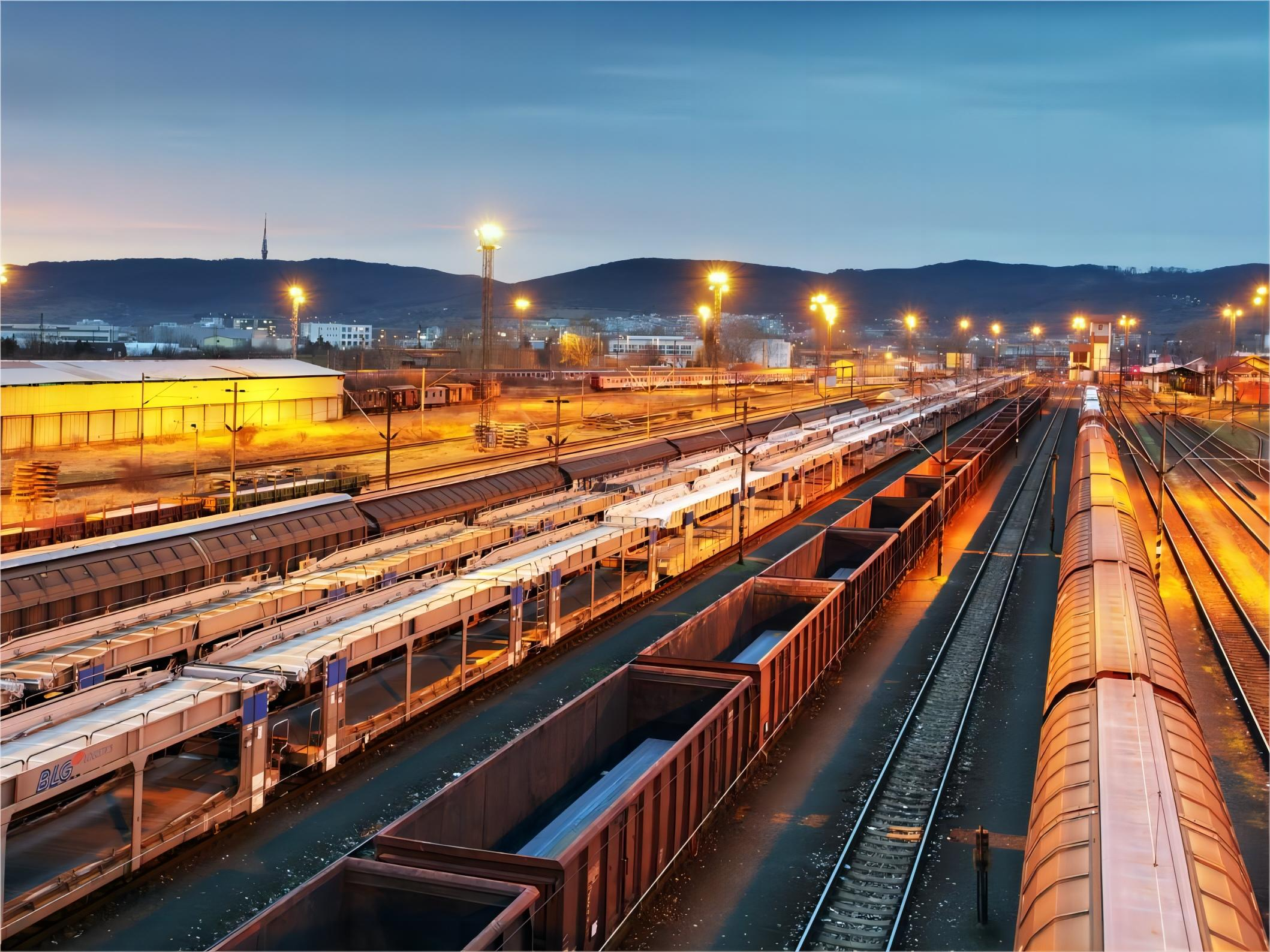
While sea freight is the most common method for transporting 20ft containers, it is not the only option available. Depending on your urgency and budget, you might consider alternative logistics strategies to move your cargo. For example, rail transport has become a viable middle ground for shipments heading to Central and Western Europe.
In contrast, air transport is rarely used for full 20ft containers due to the extreme cost and weight limitations. However, for urgent samples or high-value components, air freight remains the fastest way to bridge the gap between China and your market. Consequently, many businesses use a hybrid approach to balance speed and cost-effectiveness.
Another alternative is the use of rail freight, which offers a faster transit time than the ocean but at a lower cost than air. This method is particularly effective for landlocked regions or when sea routes are congested. Nevertheless, rail capacity is more limited than sea freight, requiring earlier bookings to secure space.
| Method | Cost Range | Transit Time | Best For |
|---|---|---|---|
| Sea Freight (FCL) | Lowest | 15-40 Days | Bulk Goods |
| Rail Freight | Moderate | 12-20 Days | Urgent Land Cargo |
| Air Freight | Highest | 3-7 Days | High Value/Urgent |
| Sea-Air Hybrid | Medium | 15-22 Days | Balanced Needs |
Which Option Should You Choose for Your Business?
Choosing the right method depends largely on your specific volume thresholds and delivery deadlines. If your shipment is over 15 cubic meters, a 20ft container is usually more economical than Less than Container Load (LCL) options. On the other hand, smaller shipments may benefit from consolidated services to reduce the 20ft container shipping cost from china per unit.
Budget priority usually dictates a preference for slow steaming ocean routes that offer the lowest possible freight rates. Meanwhile, if speed is your priority, direct routes with premium carriers are worth the extra investment. Therefore, you should evaluate your cargo type and customer expectations before committing to a specific shipping schedule.
Without a doubt, the most effective strategy involves a mix of different methods based on seasonal demand and product lifecycle. For instance, use sea freight for your core inventory and keep a small portion of stock available for air transport in case of emergencies. Consequently, this diversified approach minimizes the risk of stockouts while keeping your average shipping costs manageable.
Understanding Surcharges and Hidden Fees in Ocean Freight
The base ocean freight rate is only one part of the total 20ft container shipping cost from china you will encounter. In addition, you must account for Terminal Handling Charges (THC) at both the origin and destination ports. These fees cover the cost of moving the container from the ship to the storage yard and vice versa.
Furthermore, documentation fees and manifest filing charges are standard requirements for every international shipment. If you are importing into the United States, you will also face an Automated Manifest System (AMS) fee. Accordingly, failing to include these small charges in your initial budget can lead to unexpected financial strain at the end of the journey.
Customs duties and taxes represent another significant portion of the total landed cost for your 20ft container. Utilizing a professional customs brokerage service can help you navigate complex tariff codes and avoid costly penalties. Indeed, proper classification of your goods is essential for ensuring you pay the correct amount and avoid unnecessary delays.

Real-World Case Studies: 20ft Container Shipping Cost from China
Case Study 1: An electronics retailer in Los Angeles imported a 20ft container of consumer goods from Shenzhen. The total ocean freight was $1,850, with origin and destination charges adding another $900. Consequently, the total door-to-door cost was approximately $3,200, with a transit time of 16 days from port to port.
Case Study 2: A furniture wholesaler in Germany shipped a 20GP container from Ningbo to Hamburg during the Q3 peak season of 2025. Due to increased demand, the ocean freight rate rose to $2,400, and local handling fees in Europe were €850. As a result, the total landed cost reached $4,100, highlighting the importance of seasonal budgeting.
Case Study 3: A manufacturing firm in Sydney utilized a door to door service for a 20ft container of industrial parts from Shanghai. The all-inclusive rate was $2,100, which covered everything from factory pickup to final delivery. This streamlined approach saved the company roughly 10 hours in administrative work compared to managing each leg individually.
Strategies to Reduce Your 20ft Container Shipping Cost from China
One of the most effective ways to lower your expenses is to optimize your packaging to maximize container space. If you can fit more units into a single 20GP container, your cost per item decreases significantly. Furthermore, consider using lightweight pallets or eco-friendly packing materials to reduce the overall weight and volume of your cargo.
Additionally, negotiating with multiple carriers or freight forwarders can help you find more competitive spot rates. However, establishing a long-term relationship with a single provider often leads to better service and more stable pricing during market volatility. Therefore, you should balance the search for the lowest price with the need for reliable and consistent logistics support.
Finally, always request a comprehensive quote that includes all potential surcharges and inland transport costs. This transparency allows you to compare different providers accurately and avoid hidden fees that might appear on the final invoice. To summarize, proactive planning and clear communication are your best tools for managing the 20ft container shipping cost from china effectively.
Final Thoughts on Managing Shipping Costs
Navigating the 20ft container shipping cost from china in 2026 requires a combination of market knowledge, strategic planning, and reliable partnerships. By understanding the factors that influence rates and exploring various shipping methods, you can make informed decisions that benefit your bottom line.
Freight rates will continue to fluctuate based on global economic trends and seasonal demands. Nevertheless, businesses that remain flexible and proactive in their logistics approach will be better positioned to handle these changes. Remember to always factor in the total landed cost, including customs and local handling, to ensure your pricing remains competitive in the global market.
Ready to streamline your logistics?
Ready to optimize your supply chain and reduce your 20ft container shipping cost from china? Contact the experts at China Freight Hub today for a customized quote and professional logistics support. Send Inquiry: https://chinafreighthub.com/
Request Quote