


Best Logistics Company in China: 2026 Strategic Shipping Guide
Selecting the best logistics company in China remains a pivotal decision for global enterprises navigating the complexities of international trade in 2026. As market dynamics shift toward automation and greener shipping corridors, partnering with an established expert like China Freight Hub provides the necessary stability for your cargo. This guide examines the essential criteria for evaluating freight providers and offers a deep dive into current market rates and transit strategies for the modern importer.
What Defines the Best Logistics Company in China Today?
In the current 2026 landscape, the best logistics company in China must offer more than just basic transportation from point A to point B. Specifically, top-tier providers integrate advanced tracking technologies with localized expertise to navigate evolving customs regulations. Furthermore, they maintain strong relationships with major carriers to ensure space availability during peak seasons.
Reliability and transparency serve as the cornerstones of a successful partnership. Consequently, businesses should prioritize forwarders that provide real-time visibility into the shipping process. Additionally, a provider with a diverse service portfolio can adapt to sudden market fluctuations or supply chain disruptions effectively.
Choosing a partner with a comprehensive understanding of the local market is essential. For instance, knowing which ports are experiencing congestion or which inland routes are most efficient can save days of transit time. Indeed, the right logistics partner acts as an extension of your own operations team.
How Does Sea Freight Compare to Other Shipping Options?
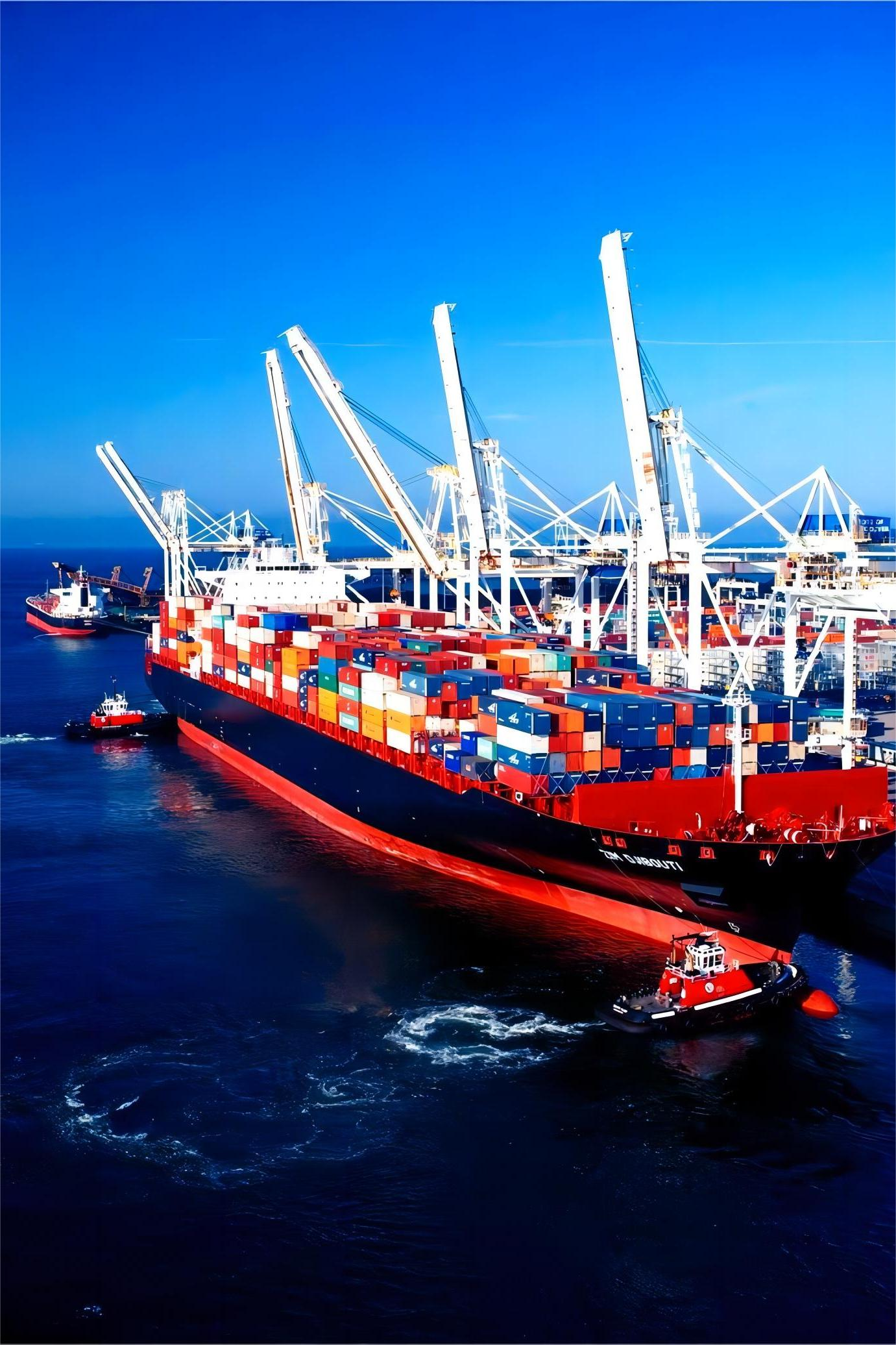
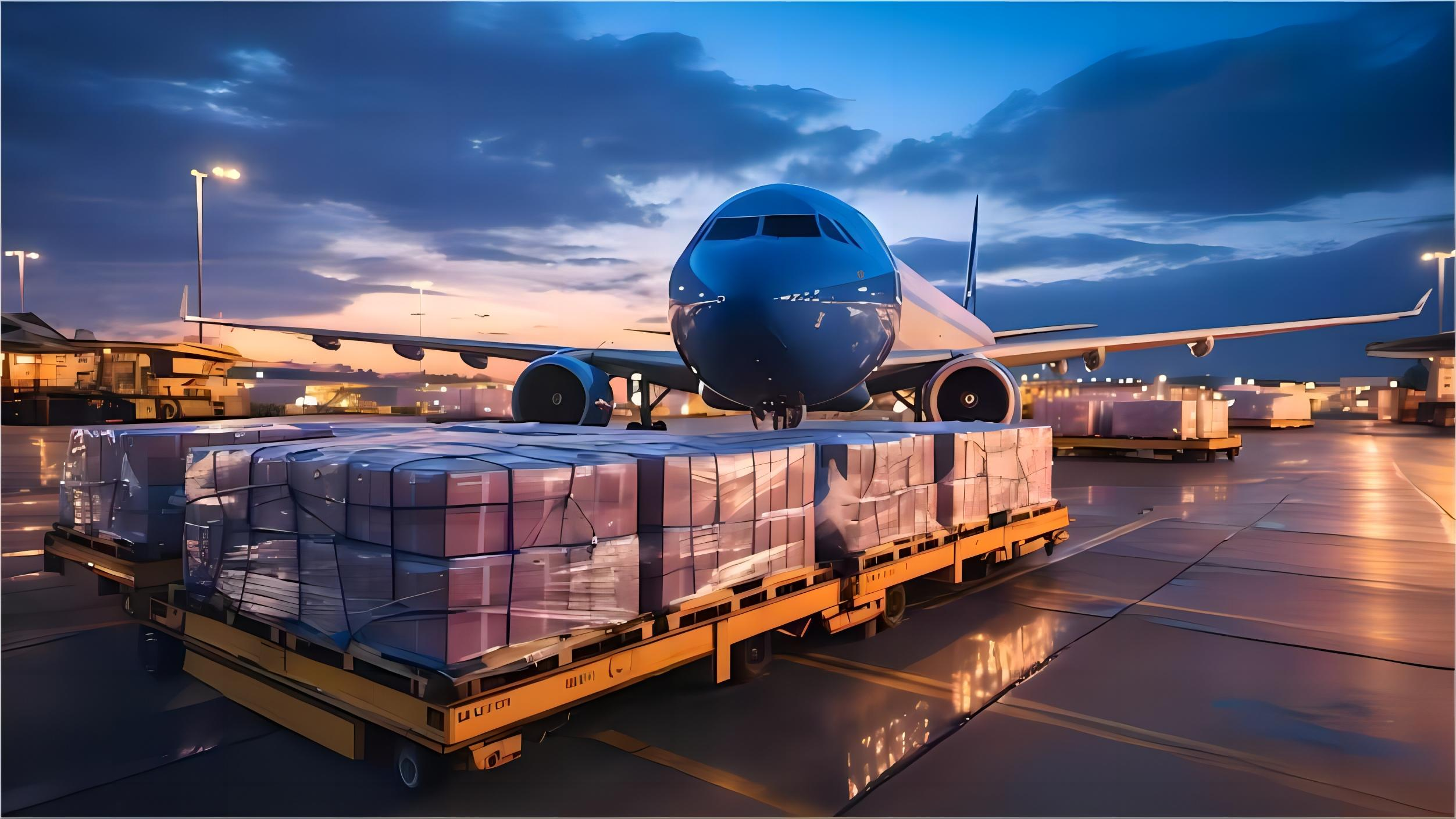
While multiple modes of transport exist, sea freight continues to be the most cost-effective solution for high-volume shipments in 2026. Nevertheless, it is vital to compare this method against air and rail alternatives to determine the best fit for your specific timeline. On the other hand, air freight offers unparalleled speed for urgent inventory replenishment.
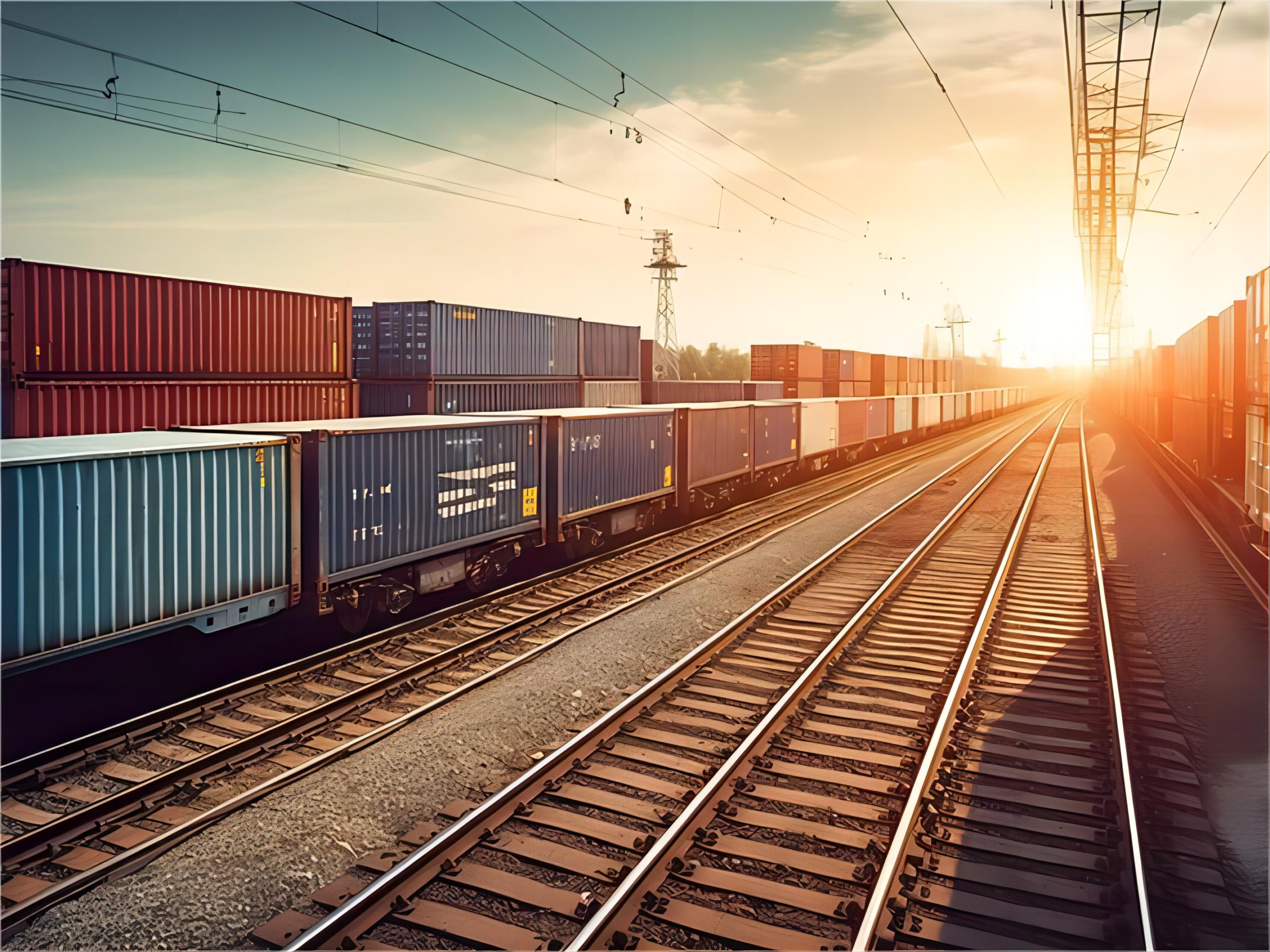
Moreover, the emergence of reliable rail connections between China and Central Asia has created a middle ground for many shippers. This hybrid approach balances cost and speed, providing a viable alternative when sea routes are congested. Therefore, evaluating the trade-offs between these methods is a core responsibility of any procurement manager.
As of early 2026, ocean freight rates have stabilized following the volatility of previous years. However, fuel surcharges and seasonal demand still influence the final landed cost of your goods. In contrast, air freight remains subject to more frequent price fluctuations based on global cargo capacity.
| Shipping Method | Cost Range | Transit Time | Best For | Limitations |
|---|---|---|---|---|
| Sea Freight (FCL) | $1,800 – $4,500 | 18 – 40 Days | Bulk goods and large volumes | Slowest transit speed |
| Air Freight | $4.50 – $9.00/kg | 3 – 7 Days | High-value or urgent items | Highest overall cost |
| Rail Freight | $120 – $180/CBM | 15 – 22 Days | Landlocked Europe destinations | Limited to specific routes |
| Express Service | $8.00 – $15.00/kg | 2 – 5 Days | Samples and small parcels | Strict weight limits |
Which Option Should You Choose for Your Business?
Determining the optimal shipping method requires a clear understanding of your budget and delivery requirements. For instance, if your primary goal is cost reduction and you have a flexible schedule, sea freight is the logical choice. Conversely, if you are launching a new product and need it on shelves immediately, air freight is indispensable.
Volume thresholds often dictate the transition between shipping modes. Specifically, for shipments under 15 CBM, Less than Container Load (LCL) may be more economical than a full container. However, once you exceed 15-20 CBM, booking a 20GP container often results in a lower cost per unit.
Cargo type also plays a significant role in the decision-making process. Perishable goods or high-tech electronics require the speed and controlled environment of air transport. Meanwhile, durable consumer goods or industrial machinery are better suited for the slower, more stable environment of a container ship.
Maximizing Efficiency with Specialized Services
The best logistics company in China will often provide specialized solutions like Amazon FBA logistics to support e-commerce sellers. These services include labeling, palletizing, and direct delivery to fulfillment centers worldwide. Additionally, utilizing these consolidated services can significantly reduce the administrative burden on your team.
Furthermore, managing the complexities of international trade requires a robust customs brokerage strategy. Professional brokers ensure that all documentation is accurate, which prevents costly delays at the port of entry. Indeed, a single documentation error can lead to weeks of storage fees and missed delivery windows.
For those shipping specifically to Europe, understanding the various entry points is crucial. Whether you choose the Northern ports like Rotterdam or Southern ports like Piraeus, your logistics provider should advise on the most efficient inland connection. Consequently, this geographic expertise can shave days off the total door-to-door transit time.
Case Study 1: Streamlining Electronics Distribution
Case Study 1: High-Volume Electronics Export. Route: Shenzhen, China to Rotterdam, Netherlands. Cargo: Consumer Electronics, 68 CBM, 12,500 kg. Container: 1 x 40HQ. Shipping Details: Carrier: COSCO. Port of Loading: Shenzhen (Yantian). Port of Discharge: Rotterdam. Route Type: Direct.
Cost Breakdown: Ocean Freight: $3,450. Origin Charges (THC, documentation): $420. Destination Charges: $550. Customs and Duties (estimated): $1,200. Total Landed Cost: $5,620. Timeline: Booking to Loading: 4 days. Sea Transit: 31 days. Customs Clearance: 2 days. Total Door-to-Door: 37 days.
Key Insight: By booking a direct route instead of a transshipment service, the client saved 6 days of transit time. Furthermore, the use of a 40HQ container maximized the volume utilization, reducing the cost per unit by 12% compared to LCL options. This case demonstrates the importance of volume planning.
Case Study 2: Rapid Apparel Replenishment
Case Study 2: Seasonal Fashion Launch. Route: Shanghai, China to Los Angeles, USA. Cargo: Seasonal Apparel, 4 CBM, 800 kg. Container: LCL (Less than Container Load). Shipping Details: Carrier: Major Air Carrier. Port of Loading: Shanghai Pudong (PVG). Port of Discharge: Los Angeles (LAX). Route Type: Direct Air Freight.
Cost Breakdown: Air Freight: $4,800. Origin Charges: $150. Destination Charges: $280. Customs and Duties: $950. Total Landed Cost: $6,180. Timeline: Booking to Loading: 2 days. Air Transit: 1 day. Customs Clearance: 1 day. Total Door-to-Door: 4 days.
Key Insight: Although the cost per kilogram was significantly higher than sea freight, the speed was essential for the product launch. Specifically, the client avoided a potential $20,000 loss in missed sales by getting the inventory to the warehouse within 96 hours. This highlights when speed outweighs cost considerations.

Navigating 2026 Customs and Compliance
Customs regulations are constantly evolving, and 2026 is no exception. For instance, new environmental compliance standards in many Western nations require detailed carbon footprint reporting for imported goods. Consequently, the best logistics company in China must be equipped to provide these data points to their clients.
Moreover, the digital transformation of customs interfaces means that electronic data interchange (EDI) is now a mandatory requirement for most major ports. Therefore, your forwarder must have the technological infrastructure to submit manifests and declarations seamlessly. Indeed, manual processing is becoming a relic of the past, often leading to unnecessary inspections.
Additionally, staying informed about trade agreements and tariff shifts is vital for maintaining profitability. A proactive logistics partner will alert you to potential changes in duty rates before they take effect. As a result, you can adjust your sourcing or pricing strategies accordingly to mitigate financial impact.
| Document Name | Required By | Purpose | Criticality |
|---|---|---|---|
| Commercial Invoice | Customs | Valuation of goods | High |
| Packing List | Warehouse/Customs | Detailed item count | High |
| Bill of Lading | Carrier/Bank | Title to the cargo | Mandatory |
| Certificate of Origin | Customs | Duty rate determination | Medium |
Alternative Strategies for Cost-Saving
In 2026, savvy importers are looking beyond traditional methods to find cost-saving opportunities. For example, hybrid sea-air solutions have gained popularity for shipments that are too slow for sea but too expensive for air. Specifically, cargo is shipped by sea to a hub like Dubai or Singapore and then flown the rest of the way.
Another effective strategy involves optimizing your packaging to reduce the volumetric weight of your shipments. Since many carriers charge based on the larger of actual weight or dimensional weight, minimizing wasted space can lead to substantial savings. Furthermore, consolidating multiple small orders into a single larger shipment can reduce fixed documentation fees.
Finally, negotiating long-term contracts with your logistics provider can provide protection against sudden rate hikes. While spot market rates might occasionally be lower, contract rates offer the predictability needed for accurate budgeting. Consequently, building a long-term relationship with the best logistics company in China is often the most sustainable financial strategy.
Market Intelligence: 2026 Freight Trends
According to industry benchmarks, freight rates from China to North America have stabilized at approximately $2,200 for a 20GP as of Q1 2026. However, market data suggests that rates typically increase by 15-25% during the August-October peak season. Therefore, early booking is highly recommended for Q4 inventory arrivals.
Typical rates as of early 2026 for the China to UK route range between $3,500 and $4,500 for a 40HQ container. Meanwhile, transit times have improved slightly due to better port automation and faster vessel speeds. Nevertheless, shippers should still account for a 5-7 day buffer to handle any unforeseen local delays.
Note: Freight rates are subject to change based on fuel costs, carrier capacity, and seasonal demand. Contact us for a current quote tailored to your specific shipment. Industry average for this route remains competitive, but individual service levels vary significantly between providers.
Final Thoughts on Choosing the Best Logistics Company in China
To summarize, finding the best logistics company in China requires a balance of cost analysis, service evaluation, and geographic expertise. As we navigate the complexities of 2026, the value of a reliable freight forwarding partner cannot be overstated. By considering the shipping methods and case studies outlined in this guide, you can make an informed decision that supports your business growth.
Ultimately, the goal is to create a resilient supply chain that can withstand market fluctuations while maintaining efficiency. Whether you prioritize speed, cost, or specialized handling, the right partner will provide the tools necessary for success. Take the time to evaluate your options and choose a provider that aligns with your long-term strategic objectives.
Need a tailored shipping solution?
Ready to optimize your supply chain with the best logistics company in China? Contact our expert team today to receive a customized quote and streamline your 2026 shipping operations. Visit our inquiry page to get started: Send Inquiry