

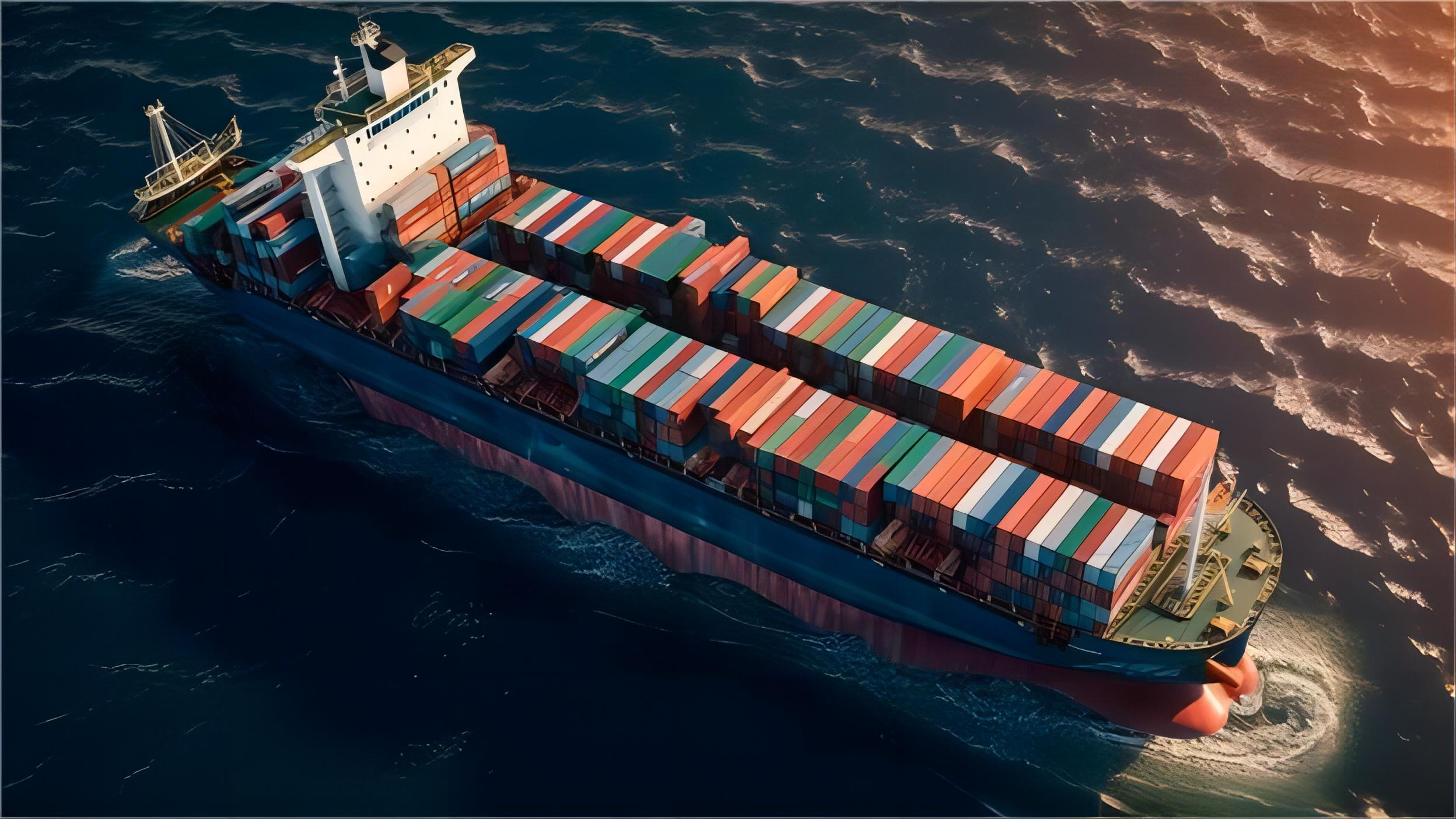
Project Cargo China: Expert Heavy Lift Logistics Guide 2026
Navigating the complexities of project cargo china requires a blend of technical expertise and logistical precision. Businesses worldwide rely on robust supply chains to transport massive industrial components across continents safely. At China Freight Hub, we understand that moving oversized machinery is not just about transport; it is about engineering a solution that minimizes risk and maximizes efficiency. Consequently, this guide explores the essential components of heavy lift logistics in the current 2026 market landscape. Furthermore, we will address the challenges of shipping out-of-gauge equipment and the strategic planning required for successful delivery.
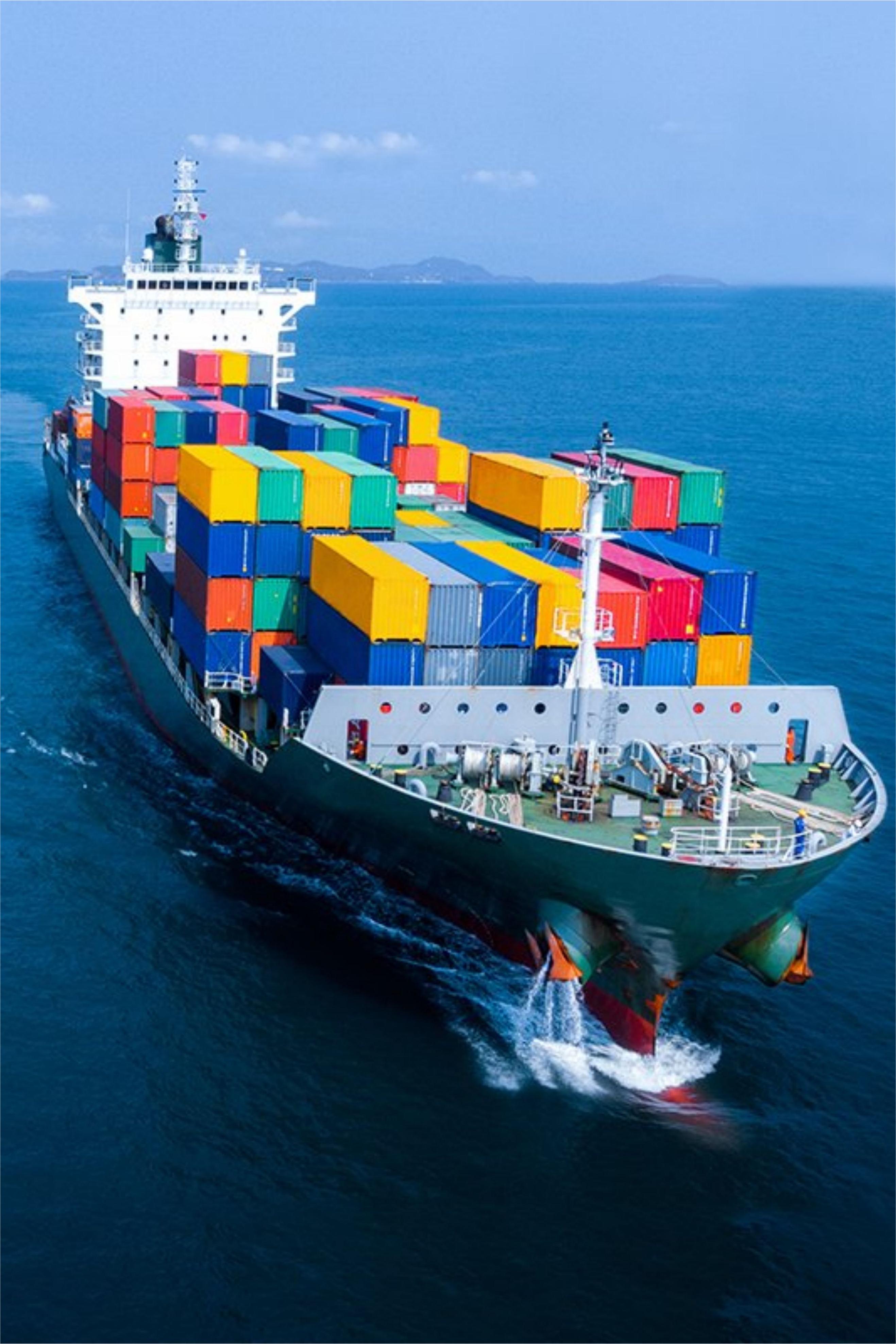
What Defines Project Cargo China in 2026?
Project cargo refers to the domestic and international transportation of large, heavy, high-value, or complex pieces of equipment. In the context of the Chinese market, this typically involves manufacturing equipment, power plant components, or construction machinery. These shipments require specialized trailers, cranes, and ocean vessels to ensure safe arrival.

Moreover, the logistics involved are significantly more demanding than standard containerized freight. Engineers must often conduct route surveys to identify potential obstacles like low bridges or narrow roads. Therefore, meticulous planning starts months before the actual move takes place.
Indeed, the 2026 market has seen a surge in renewable energy projects, particularly wind and solar components. This shift has increased the demand for specialized heavy haulage China services. Consequently, freight forwarders must now offer more than just transport; they must provide comprehensive project management.
The Role of Out-of-Gauge (OOG) Shipments
Out-of-gauge shipments are items that do not fit into standard 20-foot or 40-foot containers. These often require flat racks or open-top containers to accommodate their dimensions. Additionally, some items are so large that they must be shipped as breakbulk cargo.
Handling these shipments involves unique securing techniques and lashing protocols. As a result, shippers must work with experts who understand the structural integrity of both the cargo and the vessel. Without a doubt, proper lashing is the most critical factor in preventing damage during sea transit.
How Does Project Cargo China Compare to Other Shipping Options?
Choosing the right mode of transport for project cargo china is a balance between cost, speed, and safety. While standard sea freight is the most common choice for heavy lift items, other modes offer unique advantages. For instance, air freight might be necessary for urgent replacement parts in a large-scale project.
On the other hand, rail freight provides a middle ground for shipments moving between China and Central Asia or Europe. However, rail has strict weight and dimension limits that often exclude the largest project pieces. Therefore, a multi-modal approach is frequently the most effective strategy for complex logistics.
In contrast to standard shipping, project cargo involves higher insurance premiums and more extensive documentation. Nevertheless, the investment in specialized logistics ensures that high-value assets reach their destination without costly delays. Typical rates as of early 2026 suggest that project logistics costs can be 50% to 200% higher than standard freight due to the specialized equipment required.
| Shipping Method | Cost Range | Transit Time | Best For | Limitations |
|---|---|---|---|---|
| Sea (Breakbulk) | $3,000 – $15,000+ | 30-45 Days | Extremely heavy units | Slowest transit time |
| Sea (OOG Flat Rack) | $2,500 – $8,000 | 25-35 Days | Wide or tall machinery | Port crane availability |
| Rail Freight | $4,000 – $9,000 | 18-22 Days | Inland destinations | Strict size limits |
| Air (Charter) | $50,000 – $200,000+ | 3-7 Days | Urgent project parts | Extremely high cost |
Key Challenges in Heavy Lift Logistics
One of the primary challenges in project cargo china is navigating the regulatory landscape. Each province in China may have different permits required for oversized loads on highways. Consequently, local expertise is vital to avoid legal complications and transit delays.
Additionally, port infrastructure plays a crucial role in the success of a shipment. Not all ports are equipped with the heavy-lift cranes necessary to move 100-ton components. For example, Shanghai and Ningbo have excellent facilities, but smaller ports might require a geared vessel with its own cranes.
Furthermore, weather conditions can significantly impact the delivery schedule. High winds or typhoons in the South China Sea can delay vessel departures and arrivals. As a result, project managers must build buffer time into their delivery schedules to account for these uncontrollable variables.
Infrastructure and Route Surveys
Conducting a route survey is an essential step in the planning phase. Engineers must physically inspect the path from the factory to the port of loading. This includes measuring bridge heights and checking the weight capacity of roads.
Meanwhile, any identified obstacles must be mitigated. This might involve temporarily lifting power lines or reinforcing small bridges. Therefore, the cost of a route survey is a necessary investment to prevent catastrophic failures during transport.
Shipping Methods for Industrial Machinery
When dealing with industrial machinery, air freight is often reserved for time-sensitive components. For the bulk of the project, sea transport remains the dominant choice. Breakbulk vessels are specifically designed to carry items that cannot fit into containers, such as large boilers or turbines.
Alternatively, Roll-on/Roll-off (RoRo) vessels are ideal for wheeled or tracked machinery. This method allows the cargo to be driven directly onto the ship, reducing the need for crane handling. Consequently, RoRo shipping often results in lower handling costs and a reduced risk of damage.
For shipments moving across the Eurasian landmass, rail freight offers a competitive alternative to sea transport. While it is faster than the ocean, it requires careful coordination to ensure the cargo fits within the rail gauge. Indeed, many companies now use a combination of rail and sea to optimize their supply chains.
Customs Documentation and Compliance
Managing customs for project cargo china involves more than just standard commercial invoices. You often need technical drawings, packing lists that specify every nut and bolt, and certificates of origin. Utilizing a professional customs brokerage service is essential to ensure all paperwork meets the latest 2026 regulations.
Moreover, the classification of project cargo under the Harmonized System (HS) codes can be complex. Incorrect classification can lead to significant fines or delays at the border. Therefore, it is advisable to seek a pre-classification ruling from customs authorities whenever possible.
In addition, many project shipments involve temporary imports, such as construction equipment that will return to China after the project. This requires specific bonds and documentation to avoid paying permanent import duties. Consequently, a well-managed customs strategy can save a project thousands of dollars in unnecessary taxes.
Cost-Saving Strategies for Project Shipments
Reducing costs in project cargo china requires a proactive approach to logistics management. One effective strategy is to consolidate multiple smaller shipments into a single large breakbulk move. This allows you to negotiate better rates with carriers and reduces the per-unit cost of specialized equipment.
Additionally, choosing the right port can lead to significant savings. While major hubs like Shanghai offer the most frequent sailings, smaller ports might have lower handling fees. However, you must weigh these savings against the potential for longer transit times and less sophisticated equipment.
Furthermore, optimizing the packaging of your cargo can reduce its overall dimensions. Since freight rates for project cargo are often based on volume or weight, even a small reduction in size can lead to lower costs. For instance, disassembling a machine into smaller components can allow it to fit onto a standard flat rack rather than requiring a breakbulk vessel.
Real Case Studies in Project Cargo China
Examining real-world examples provides valuable insight into the practicalities of heavy lift logistics. These cases highlight the importance of planning and the ability to adapt to changing circumstances. Below are two scenarios based on typical 2026 market conditions and freight rates.
Case Study 1: Wind Turbine Components to Europe
Route: Tianjin, China to Hamburg, Germany. Cargo: 3 Wind Turbine Blades, 65 meters each. Shipping Method: Breakbulk Vessel. Ocean Freight: $45,000. Total Landed Cost: $62,000. Transit Time: 38 days.
Key Insight: Successful delivery required a specialized vessel with twin-cranes capable of synchronized lifting. The project was completed on time despite Q3 2025 peak season congestion in German ports. Based on early 2026 data, similar routes are seeing stable pricing after the disruptions of previous years.
Case Study 2: Factory Assembly Line to USA
Route: Shenzhen, China to Los Angeles, USA. Cargo: 12 Units of Industrial Press Machinery, 450 CBM total. Shipping Method: 40ft Flat Racks (OOG). Ocean Freight: $32,000. Total Landed Cost: $48,000. Transit Time: 22 days.
Key Insight: By using flat racks instead of a breakbulk vessel, the shipper saved 10 days in transit time. This allowed the factory to begin operations earlier than planned. Note: Freight rates are subject to change based on fuel costs, carrier capacity, and seasonal demand.
Which Option Should You Choose?
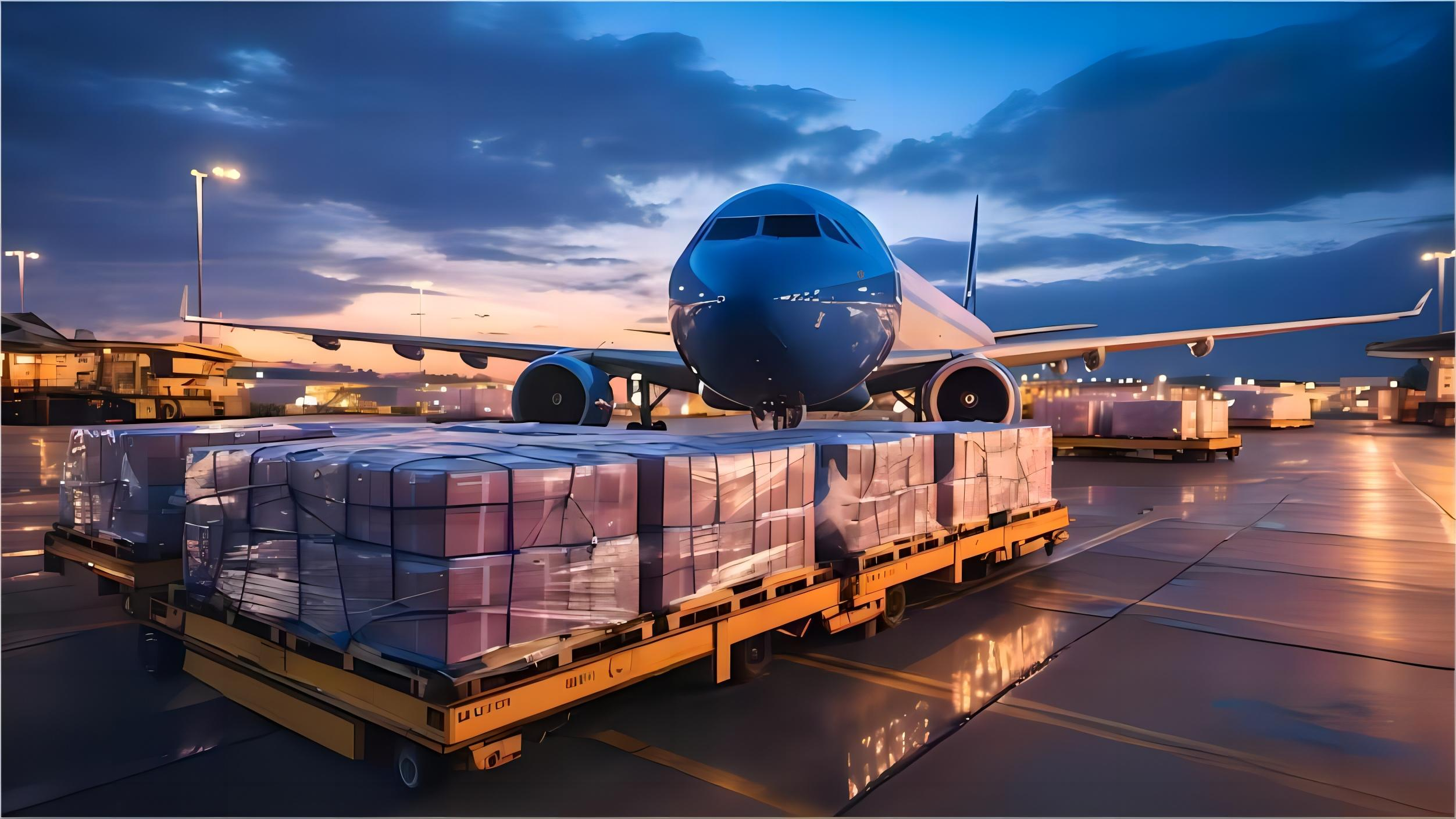
Selecting the best logistics strategy depends on your specific project priorities. If your primary concern is the budget, sea freight using breakbulk vessels is usually the most economical choice. However, if speed is the priority for a critical part, air charter might be the only viable option despite the high cost.
For comprehensive service, a door to door solution is often the best choice for complex projects. This allows a single provider to manage everything from the factory floor to the final installation site. Consequently, this reduces the risk of communication gaps and ensures a more seamless transition between different modes of transport.
Ultimately, the decision should be based on a thorough risk assessment. Consider the value of the cargo, the deadline for project completion, and the technical requirements of the equipment. Market data suggests that companies that invest in high-quality logistics planning experience 30% fewer delays on average.
Final Thoughts on Project Cargo China
Managing project cargo china is a sophisticated task that requires a deep understanding of global logistics and engineering. By choosing the right shipping method and working with experienced partners, businesses can overcome the challenges of oversized freight. Furthermore, staying informed about market trends and regulatory changes is essential for maintaining a competitive edge.
To summarize, the key to success lies in meticulous planning, robust documentation, and a flexible approach to problem-solving. Whether you are moving wind turbines or factory machinery, the right logistics strategy will ensure your project stays on track and within budget. Always remember that in the world of heavy lift, preparation is the foundation of a successful delivery.

Get Your Shipping Quote Today
Are you planning a complex project cargo china shipment in 2026? Contact our heavy lift specialists today to receive a customized quote and a comprehensive logistics plan. Send Inquiry: Visit https://chinafreighthub.com/ to get started.
Request Quote