

China to France Shipping Cost 2026: Complete Freight Guide
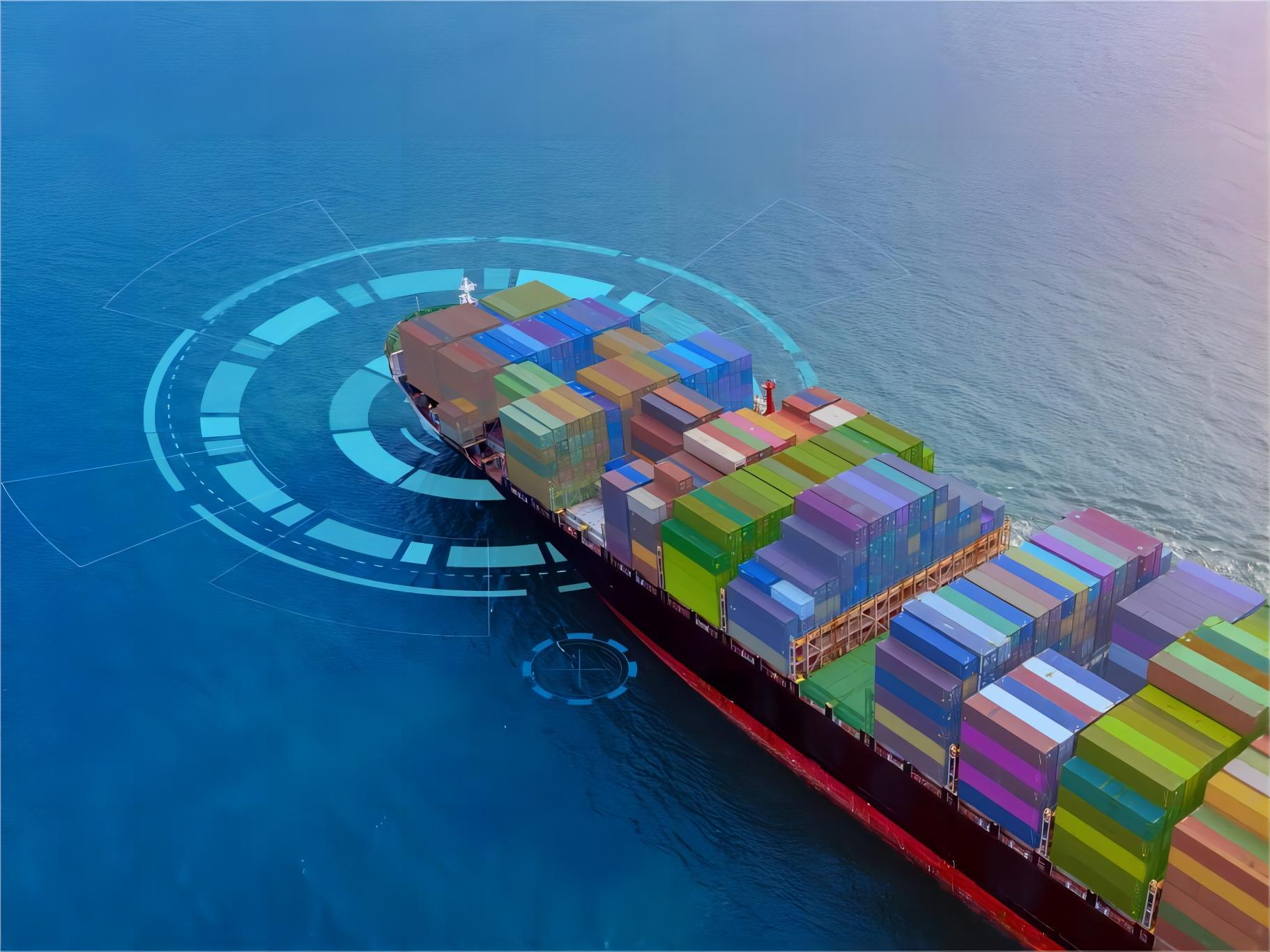
Navigating the complexities of international logistics requires a clear understanding of the China to France shipping cost to maintain healthy profit margins. Businesses must balance speed and budget when importing goods across these major global trade lanes. China Freight Hub provides comprehensive logistics solutions designed to streamline your European import operations while minimizing overhead expenses. This guide explores the various factors influencing current freight rates and provides actionable data for your 2026 planning.
✦
What Factors Influence the China to France Shipping Cost in 2026?
Several variables dictate the final price you pay when moving cargo from Asian manufacturing hubs to European destinations. Market dynamics in early 2026 show that fuel surcharges and carrier capacity remain the primary drivers of price volatility. Additionally, seasonal demand spikes during the Golden Week or the pre-Christmas rush can significantly inflate standard rates.
Geopolitical stability along major shipping routes also plays a critical role in determining insurance premiums and route efficiency. Consequently, importers must monitor global events that might necessitate longer transit paths around the Cape of Good Hope. Furthermore, the choice between different transport modes like air or sea will be the most significant decision impacting your total landed cost.
Local port fees and terminal handling charges at major French ports like Marseille or Le Havre add another layer to the pricing structure. Meanwhile, the type of commodity being shipped influences the handling requirements and associated safety surcharges. Indeed, hazardous materials or oversized equipment will always command a premium compared to standard consumer electronics or textiles.
How Much Does Sea Freight from China to France Cost?
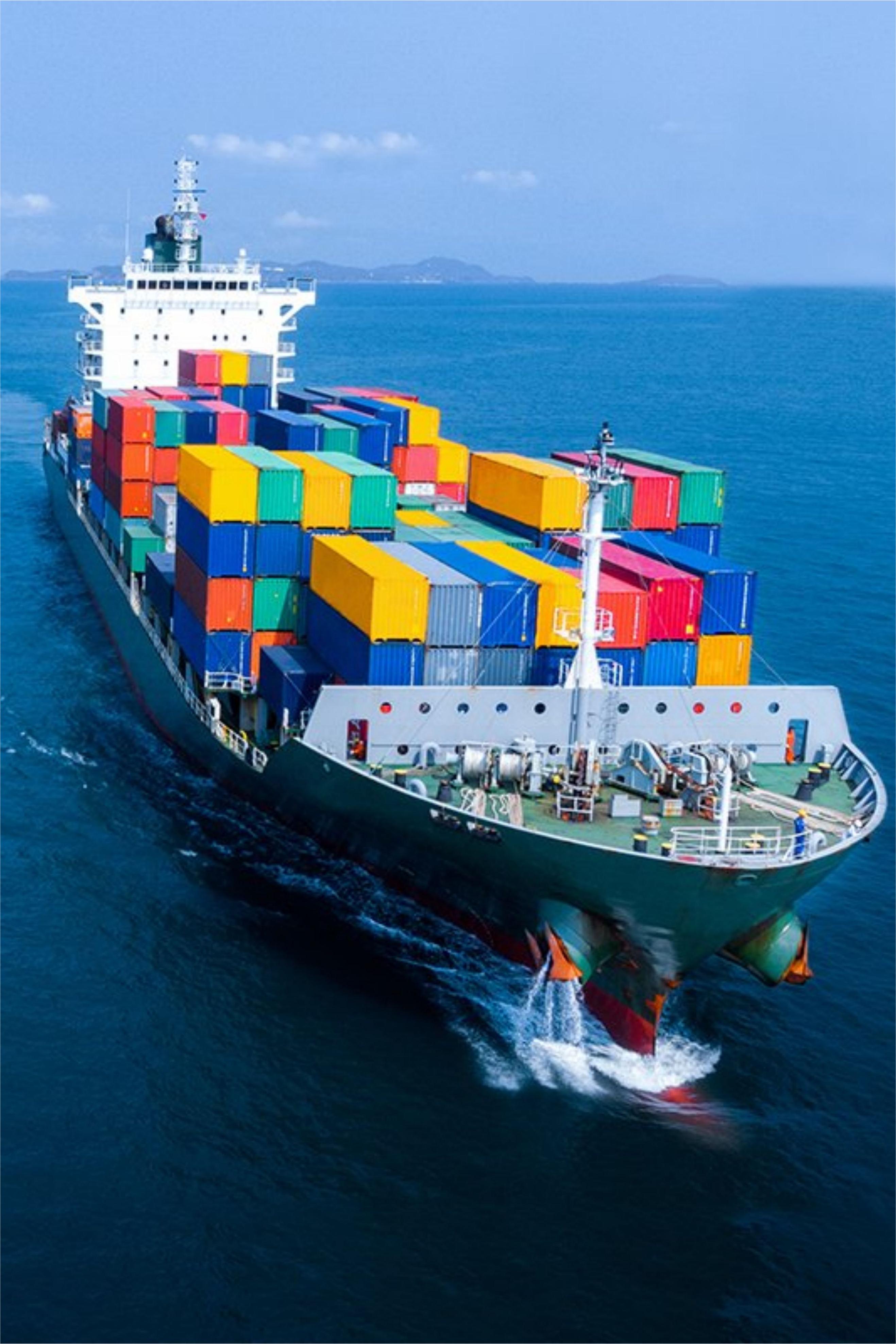
Ocean transport remains the most economical method for high-volume shipments despite fluctuating market conditions in the current year. For most businesses, utilizing sea freight provides the best balance between capacity and expenditure. You can choose between Full Container Load (FCL) or Less than Container Load (LCL) depending on your specific inventory volume.
Current market data suggests that FCL rates have stabilized as of Q1 2026 after the fluctuations seen in previous years. On the other hand, LCL shipping allows smaller businesses to share container space, paying only for the volume they occupy. This flexibility is essential for maintaining lean inventory levels without incurring the high costs of air transport.
Note: Freight rates are subject to change based on fuel costs, carrier capacity, and seasonal demand. Contact us for a current quote tailored to your specific shipment.
| Container Type | Average Cost (USD) | Transit Time | Best For |
|---|---|---|---|
| 20GP Container | $1,900 – $2,600 | 30-35 Days | Heavy/Dense Goods |
| 40HQ Container | $3,200 – $4,500 | 32-38 Days | High Volume Cargo |
| LCL (per CBM) | $60 – $95 | 35-42 Days | Small Shipments |
Air Freight Pricing: When Speed Justifies the Expense
Urgent shipments often require the rapid transit times offered by air freight services. While this method is considerably more expensive than sea transport, it reduces the time-to-market for high-value or perishable items. Therefore, many electronics and fashion brands prioritize air transport to meet tight retail deadlines.
Pricing for air cargo is typically calculated based on chargeable weight, which considers both actual weight and volumetric dimensions. Consequently, optimizing your packaging can lead to significant savings on your per-kilogram rates. In addition, choosing deferred air services can provide a cost-effective alternative to express options if your timeline allows for an extra two or three days.
Market rates in 2026 for air cargo from Shanghai to Paris usually range between $4.50 and $7.50 per kilogram for shipments over 100kg. However, these prices can double during peak seasons when belly capacity on passenger planes becomes limited. Without a doubt, booking in advance is the most effective strategy to secure competitive air freight pricing.
Rail Freight: The Middle Ground for European Logistics
The New Silk Road has established rail freight as a viable third option for China to France logistics. This method offers a transit time that is faster than sea freight but significantly cheaper than air transport. As a result, it has become a favorite for automotive parts and industrial machinery manufacturers.
Reliability is a major advantage of rail transport, as it is less susceptible to the weather-related delays that often plague ocean vessels. Nevertheless, transshipment at border crossings can occasionally cause minor fluctuations in the delivery schedule. Accordingly, businesses should plan for a 15 to 22-day door-to-door timeline when choosing the rail corridor.
Typical rail rates in 2026 hover around $2,500 to $3,800 per 40ft container, depending on the departure city in China. For example, departures from Xi’an or Chengdu often offer the most competitive pricing due to government subsidies for inland logistics hubs. Moreover, the carbon footprint of rail is much lower than air freight, appealing to environmentally conscious corporations.
How Does Sea Freight Compare to Other Shipping Options?
Choosing the right shipping method requires a detailed comparison of cost, speed, and reliability across all available channels. While sea freight is the cheapest shipping from China to France for bulk goods, it lacks the agility required for rapid inventory turnover. In contrast, express services provide unmatched speed but at a price point that can erode margins on low-value items.
Strategic logistics planning often involves using a mix of these methods to balance the supply chain. For instance, you might ship the bulk of your inventory via ocean while using air freight for emergency restocks. This hybrid approach ensures product availability without overextending your logistics budget.
Below is a comprehensive breakdown of how these methods stack up against each other in the current 2026 market.
| Shipping Method | Cost Range | Transit Time | Best For |
|---|---|---|---|
| Sea Freight | $2,000-$4,500 | 30-40 Days | Bulk/Non-urgent |
| Air Freight | $5-$8 per kg | 3-7 Days | High-value/Urgent |
| Rail Freight | $2,500-$3,800 | 18-24 Days | Mid-size/Steady |
| Express | $9-$15 per kg | 2-4 Days | Samples/Documents |

Which Option Should You Choose for Your Business?
Budget priority dictates that sea freight is your primary choice, especially for shipments exceeding 15 cubic meters. If you are moving large volumes of consumer goods, the 20ft container price China to France will offer the most sustainable long-term value. However, you must account for the longer lead times in your inventory forecasting models.
Speed priority necessitates the use of air or express shipping to maintain a competitive edge in fast-moving markets. If your cargo is valued at more than $10 per kilogram, the cost of air freight often represents a small percentage of the total product value. Furthermore, shorter transit times reduce the amount of capital tied up in ‘floating’ inventory.
Cargo type considerations also play a vital role in your final decision. Fragile or temperature-sensitive items may require the stability of air transport or specialized reefer containers on ocean vessels. To summarize, your choice should align with your specific business model, customer expectations, and financial constraints.
Navigating Customs and Import Duties in France
Understanding the regulatory landscape is crucial for avoiding unexpected costs during the customs brokerage process. France, as part of the European Union, applies a Common External Tariff to goods arriving from China. Consequently, you must accurately classify your products using the correct HS codes to determine the applicable duty rates.
Value Added Tax (VAT) is another significant component of the total China to France shipping cost. In France, the standard VAT rate is 20%, which is typically calculated on the CIF (Cost, Insurance, and Freight) value of the goods. Additionally, certain products may be subject to anti-dumping duties or environmental taxes.
Proper documentation is the key to a smooth customs clearance process and avoiding costly port storage fees. Ensure that your commercial invoice, packing list, and Bill of Lading are precise and consistent. Indeed, partnering with an experienced freight forwarder can help you navigate these bureaucratic hurdles efficiently.
Case Studies: Real-World Shipping Scenarios to France
Real-world data provides the best insight into how these shipping costs manifest in actual business operations. These scenarios reflect typical 2025 and 2026 market rates for common import commodities.
Case Study 1: Electronics from Shenzhen to Marseille. Route: Shenzhen -> Marseille. Cargo: Consumer Electronics, 28 CBM, 4500 kg. Container: 40HQ. Shipping Details: Direct via major carrier. Cost Breakdown: Ocean Freight: $4,100; Origin Charges: $350; Destination Charges: $420; Total Landed Cost: $4,870. Timeline: 32 days. Key Insight: Direct routing saved 5 days compared to transshipment via Algeciras.
Case Study 2: Apparel from Ningbo to Le Havre. Route: Ningbo -> Le Havre. Cargo: Garments, 5 CBM, 1200 kg. Container: LCL. Shipping Details: Transshipment via Singapore. Cost Breakdown: Ocean Freight: $425; Origin Charges: $120; Destination Charges: $180; Total Landed Cost: $725. Timeline: 38 days. Key Insight: LCL was 60% cheaper than air freight for this non-urgent seasonal stock.
Case Study 3: Urgent Spare Parts from Shanghai to Lyon. Route: Shanghai -> CDG Paris. Cargo: Industrial Valves, 0.8 CBM, 210 kg. Method: Air Freight. Shipping Details: Major airline cargo. Cost Breakdown: Air Freight: $1,260; Documentation: $95; Delivery to Lyon: $150; Total Landed Cost: $1,505. Timeline: 6 days. Key Insight: Fast clearance at CDG allowed the factory to resume operations within a week.
Strategies to Reduce Your Total Shipping Expenses
Consolidating multiple smaller orders into a single FCL shipment is one of the most effective ways to lower your per-unit cost. By maximizing container space, you spread the fixed costs of documentation and port handling over a larger quantity of goods. Moreover, negotiating annual volume contracts with freight forwarders can secure lower base rates during peak seasons.
Optimizing your packaging design can lead to substantial savings, particularly for air freight and LCL shipments. Reducing the dimensions of your shipping cartons by even a few centimeters can move your cargo into a lower weight bracket. Furthermore, using lightweight but durable packing materials reduces the total chargeable weight of your consignment.
Timing your shipments to avoid the busiest weeks of the year can save you thousands of dollars in peak season surcharges. For example, shipping in the quiet period immediately following the Lunar New Year often yields the lowest rates of the year. Finally, always request multiple quotes to ensure you are receiving the most competitive market rate for your specific route.
Mastering Your China to France Shipping Strategy
Successfully managing the China to France shipping cost requires a proactive approach and a deep understanding of market trends. By weighing the pros and cons of air, sea, and rail freight, you can choose the method that best aligns with your business goals. Remember that the cheapest option is not always the most cost-effective if it leads to stockouts or customer dissatisfaction.
Partnering with a reliable freight forwarder provides the expertise needed to navigate customs, optimize routes, and secure the best possible rates. As we move through 2026, staying informed and flexible will be your greatest asset in the global marketplace. Start planning your next shipment today to ensure your goods arrive on time and within budget.