

Door to Door Shipping China to Canada: 2026 Logistics Guide
Door to door shipping china to canada represents the ultimate convenience for modern importers and e-commerce entrepreneurs. By partnering with a reliable forwarder like China Freight Hub, you can streamline your entire supply chain from the manufacturing plant in Shenzhen to your warehouse in Toronto. This service eliminates the complexity of coordinating multiple logistics providers and ensures a seamless flow of goods across the Pacific Ocean.
What is Door to Door Shipping China to Canada?
Door to door shipping is an all-inclusive logistics solution where the freight forwarder manages every stage of the transportation process. Consequently, the shipper does not need to worry about local trucking in China, international transit, or final delivery in Canada. This method is particularly popular among small to medium-sized enterprises that lack dedicated logistics departments.
Moreover, this service typically includes customs clearance, which is often the most daunting part of international trade. By choosing this comprehensive option, you ensure that your cargo moves efficiently through both Chinese export controls and Canadian import regulations. Indeed, the primary benefit is the significant reduction in administrative burden for the business owner.
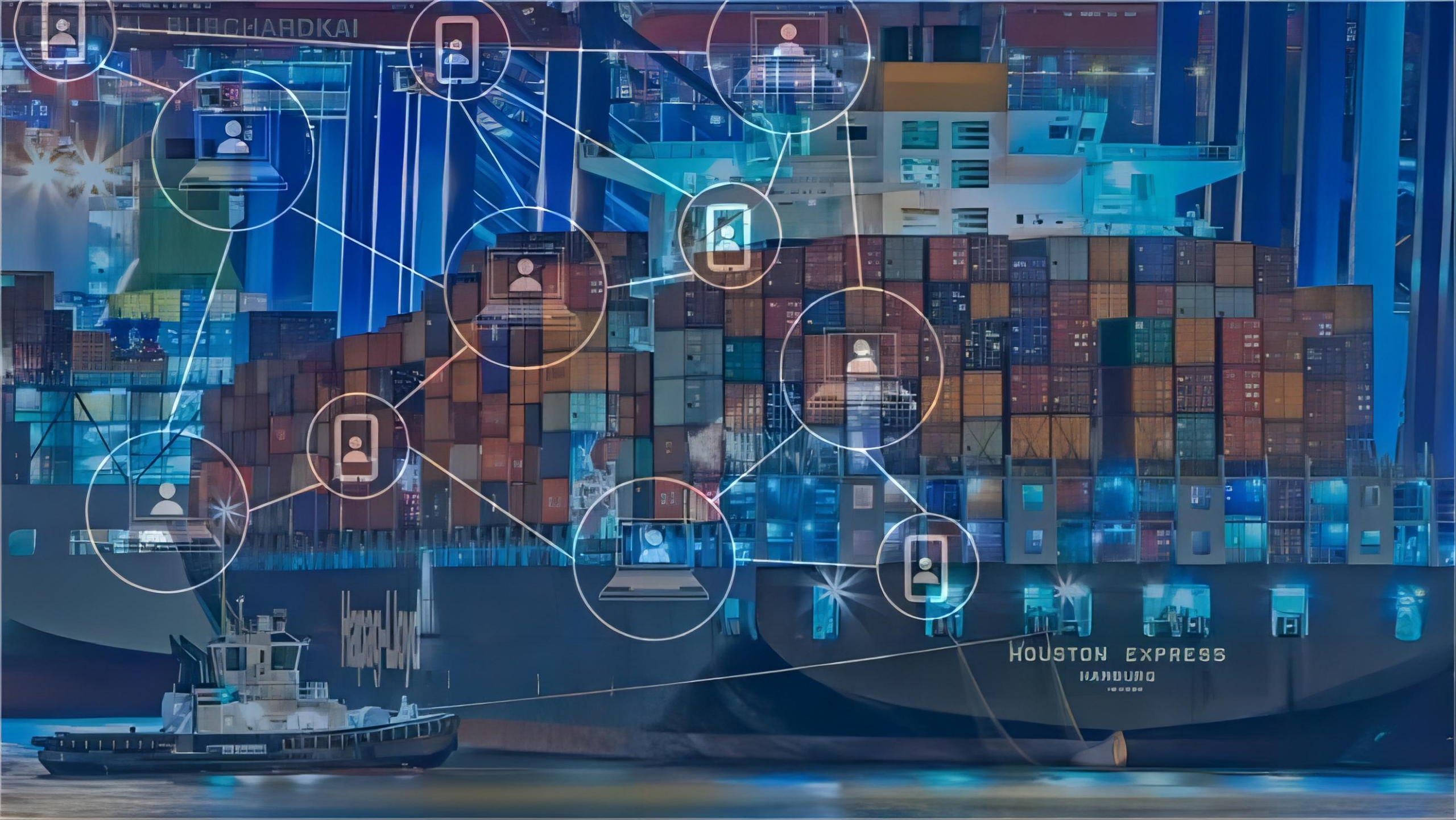
Furthermore, modern tracking technology allows you to monitor your shipment throughout its entire journey. Whether your goods are on a truck in Ningbo or a vessel approaching the Port of Vancouver, you will have full visibility. Therefore, you can plan your inventory and marketing strategies with much greater precision.
How Does Door to Door Shipping Compare to Other Shipping Options?
When evaluating logistics strategies, it is essential to compare door to door services against traditional port-to-port or door-to-port options. While port-to-port shipping might appear cheaper on paper, it often hides significant costs related to local handling and documentation. In contrast, door to door rates are more transparent and predictable for budgeting purposes.
Additionally, traditional methods require the importer to arrange their own customs brokerage and final mile delivery. This can lead to delays if the various parties are not perfectly synchronized. On the other hand, a unified door to door service ensures that every hand-off is managed by a single entity, reducing the risk of communication errors.
To summarize the differences, we have provided a detailed comparison of the most common shipping methods available for the China-to-Canada route in 2026.
| Shipping Method | Cost Range | Transit Time | Best For |
|---|---|---|---|
| Sea Freight DDP | $3,200 – $4,800 | 30-45 Days | Bulk Inventory |
| Air Freight DDP | $9 – $14 / kg | 6-10 Days | High-Value Goods |
| Express Courier | $14 – $22 / kg | 3-5 Days | Urgent Samples |
| Sea-Air Hybrid | $5 – $8 / kg | 15-20 Days | Balanced Priority |
Why Choose Door to Door Shipping China to Canada for Your Business?
Efficiency is the cornerstone of successful international trade, and door to door services provide this in abundance. For instance, using door to door solutions allows you to focus on sales and product development rather than logistics paperwork. As a result, many Canadian businesses have seen a marked improvement in their operational speed.
Moreover, the risk of cargo damage or loss is often lower when a single provider manages the entire chain. Because the forwarder is responsible for the goods from start to finish, they have a vested interest in ensuring proper handling at every stage. Consequently, the claims process for any potential issues is much simpler compared to multi-provider arrangements.
Additionally, this service is highly scalable for growing companies. Whether you are shipping a few pallets via sea freight LCL or multiple 40HQ containers, the process remains the same. This consistency allows you to expand your product line without needing to reinvent your logistics framework.
Air Freight vs. Sea Freight for Door to Door Delivery
Choosing between air and sea transit is a critical decision that impacts both your bottom line and your delivery schedule. air freight is undoubtedly the fastest option, making it ideal for electronics, fashion, or seasonal items. However, the cost is significantly higher, which can erode profit margins on low-value goods.
Conversely, sea freight offers the most economical way to move large volumes of cargo across the Pacific. For shipments exceeding 15 cubic meters, a full container load (FCL) is usually the most cost-effective strategy. Nevertheless, you must account for the longer transit times, which can exceed six weeks during peak seasons.
Meanwhile, some businesses are turning to hybrid solutions to balance speed and cost. For example, sea-air combinations involve shipping goods by sea to a hub like Dubai or Singapore before flying them to Canada. This approach can save up to 40% in costs compared to pure air freight while being twice as fast as sea freight.
Understanding the Cost of Door to Door Shipping China to Canada
Calculating the total landed cost is vital for maintaining healthy business margins in 2026. Typically, a door to door quote includes the ocean or air freight, fuel surcharges, terminal handling charges, and customs clearance fees. Furthermore, you must factor in the Canadian Goods and Services Tax (GST) and any applicable duties based on the Harmonized System (HS) code.
Indeed, market rates have stabilized in early 2026 after the disruptions seen in previous years. However, seasonal peaks during the Golden Week in October and the lead-up to the Lunar New Year still cause temporary price spikes. Therefore, booking your shipments at least 3-4 weeks in advance is highly recommended to secure the best rates.
Below is a reference table for estimated container pricing based on current market trends for major Canadian destinations.
| Destination | 20GP Container | 40HQ Container | LCL (per CBM) |
|---|---|---|---|
| Vancouver | $2,100 – $2,800 | $3,400 – $4,200 | $110 – $150 |
| Toronto | $3,200 – $3,900 | $4,800 – $5,800 | $160 – $210 |
| Montreal | $3,300 – $4,100 | $5,000 – $6,100 | $170 – $220 |
| Calgary | $2,800 – $3,500 | $4,200 – $5,200 | $140 – $190 |
Navigating Customs Brokerage and Import Duties
Customs compliance is a critical hurdle that can either speed up or stall your door to door shipping china to canada. Professional customs brokerage services are essential for ensuring that all documentation is accurate and submitted on time. For instance, an incorrect HS code classification can lead to significant fines or seized cargo.
Additionally, Canada has specific labeling and safety standards for various product categories. Items such as children’s toys, electronics, and food products must meet Health Canada regulations before they can be cleared. Consequently, you should work with your forwarder to verify that your Chinese supplier provides all necessary certifications.
Moreover, the Canada-China trade relationship involves specific tariff treatments that may change over time. Staying informed about trade agreements and anti-dumping duties is necessary for accurate financial planning. Luckily, a comprehensive door to door service includes this expertise, protecting you from unexpected legal or financial complications.
Case Studies: Successful Shipments to Canada
To illustrate the effectiveness of these services, let us examine some real-world examples from the first half of 2026. These cases highlight how different shipping methods are applied to specific business needs. Each scenario demonstrates the balance between cost, speed, and cargo type.
Case Study 1: Electronics Distribution Route: Shenzhen to Toronto Cargo: Consumer Electronics, 12 CBM, 2,500 kg Shipping Method: Air Freight DDP Total Landed Cost: $28,500 Transit Time: 8 Days Key Insight: Using air freight allowed the client to restock high-demand items during a flash sale, offsetting the higher shipping cost with increased sales volume.
Case Study 2: Home Furniture Retailer Route: Ningbo to Vancouver Cargo: Flat-pack Furniture, 40HQ Container Shipping Method: Sea Freight FCL (Door to Door) Total Landed Cost: $6,200 (including duties) Transit Time: 32 Days Key Insight: By choosing sea freight for a full container, the retailer achieved the lowest possible per-unit cost, which was essential for their competitive pricing strategy.
Note: Freight rates are subject to change based on fuel costs, carrier capacity, and seasonal demand. Contact us for a current quote tailored to your specific shipment.
Which Shipping Option Should You Choose?
Determining the best logistics strategy depends on your specific business priorities and the nature of your goods. If your primary goal is to minimize expenditure, sea freight is the clear winner for large or heavy shipments. Conversely, if you are shipping lightweight, high-margin products, air freight provides the agility needed to respond to market trends.
Furthermore, for e-commerce sellers using Amazon FBA, specialized door to door services are available. These services ensure that your goods are labeled and packaged according to Amazon’s strict requirements before they arrive at the fulfillment center. This prevents costly rejections and delays in getting your products live on the marketplace.
Lastly, consider the destination within Canada when choosing your route. Shipping to North America via Vancouver is often faster for Western Canada, while Toronto-bound cargo may benefit from rail-intermodal transit from the coast. Your forwarder can advise on the most efficient inland route to save both time and money.
Mastering Your Canada Import Strategy
Successfully managing door to door shipping china to canada requires a combination of strategic planning and reliable partnerships. By understanding the nuances of sea and air freight, and navigating the complexities of customs clearance, you can build a resilient supply chain. Transitioning to a comprehensive door to door model often provides the best balance of cost-efficiency and peace of mind.
As we move through 2026, staying adaptable to market trends and seasonal fluctuations remains essential for Canadian importers. Whether you are a small business owner or a logistics manager for a large corporation, prioritizing transparency and communication with your freight forwarder is the key to success. Start optimizing your shipping process today to ensure your products reach the Canadian market faster and more reliably than ever before.
Need a tailored shipping solution?
Ready to simplify your supply chain? Secure the most competitive rates for door to door shipping china to canada today. Contact our expert team for a personalized quote and experience hassle-free logistics. Send Inquiry link: https://chinafreighthub.com/contact-us/