

Door to Door Shipping China to Australia: 2026 Guide
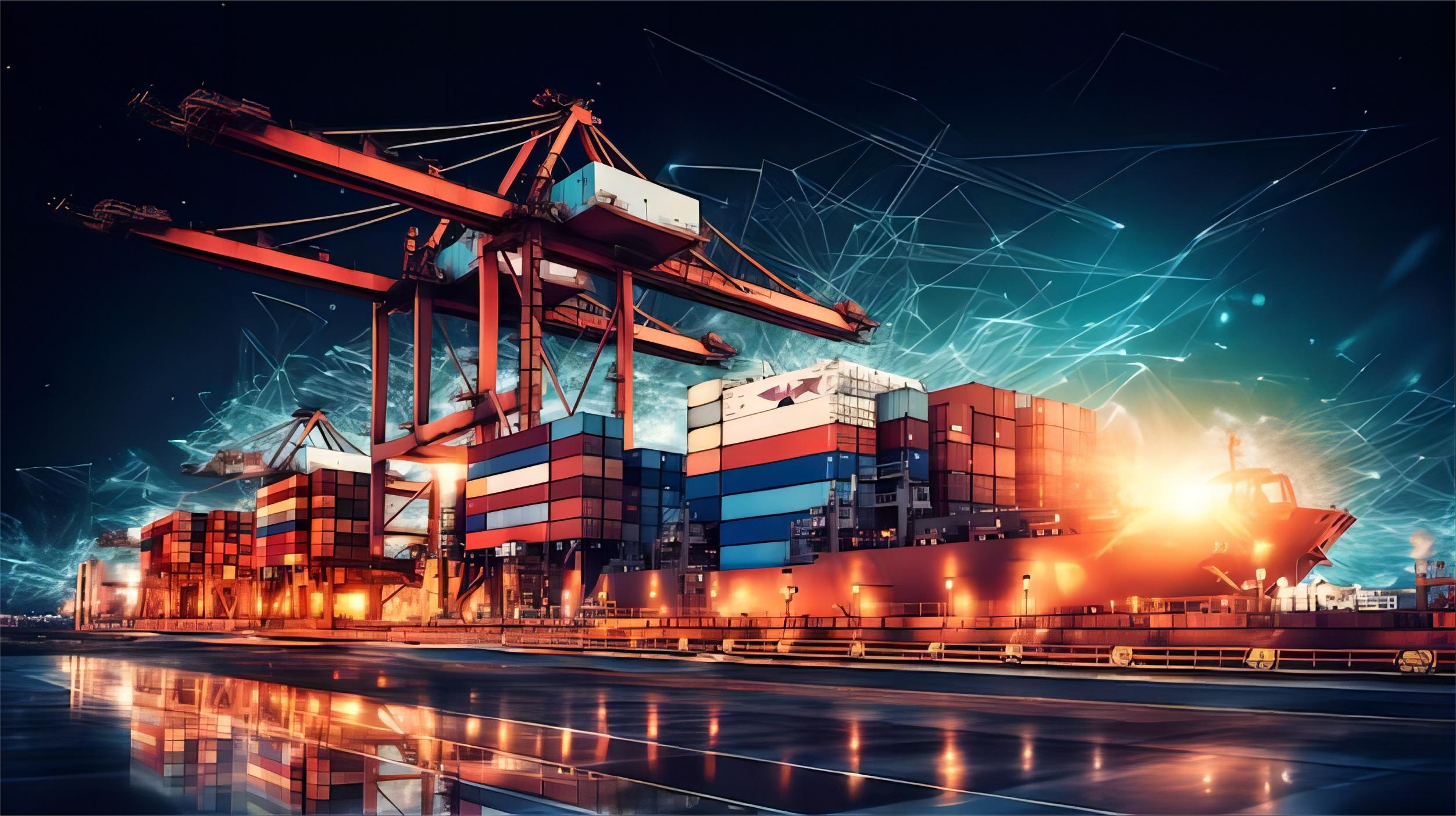
Door to door shipping China to Australia has become the gold standard for businesses looking to streamline their international logistics in 2026. By partnering with a reliable provider like China Freight Hub, importers can eliminate the complexity of managing multiple carriers and customs agents. This comprehensive guide explores the nuances of freight rates, transit times, and delivery schedules to ensure your cargo handling remains efficient and cost-effective throughout the year. We will examine how modern logistics trends are shaping the way goods move across the Pacific, providing you with the tools to optimize your import/export operations.
✦Understanding the Door to Door Shipping Process
Choosing door to door services simplifies the entire supply chain by providing a single point of contact from the factory in China to the final destination in Australia. Initially, the freight forwarder arranges for the pickup of goods directly from the supplier warehouse in cities like Shenzhen, Ningbo, or Shanghai. Subsequently, the cargo is transported to a local facility for consolidation and export preparation. This stage is crucial for ensuring that all cargo handling meets international safety standards before the journey begins.
Moreover, the logistics provider manages all export documentation and port formalities in China, which reduces the administrative burden on the importer. Once the goods clear Chinese customs, they are loaded onto a vessel or aircraft for transit to Australia. During this phase, the shipping company monitors the delivery schedule and provides real-time updates to the client. Consequently, businesses can plan their inventory management with greater precision, knowing exactly when their products will arrive.
Upon arrival at the Australian port of discharge, such as Sydney, Melbourne, or Brisbane, the provider handles the import customs clearance process. This includes the payment of relevant duties and taxes, as well as coordination with local quarantine authorities. Finally, the goods are loaded onto a truck for the last-mile delivery to the customer doorstep. This seamless transition between different modes of transport ensures that the cargo remains secure and minimizes the risk of delays or damage.
How Does Door to Door Shipping Compare to Other Shipping Options?
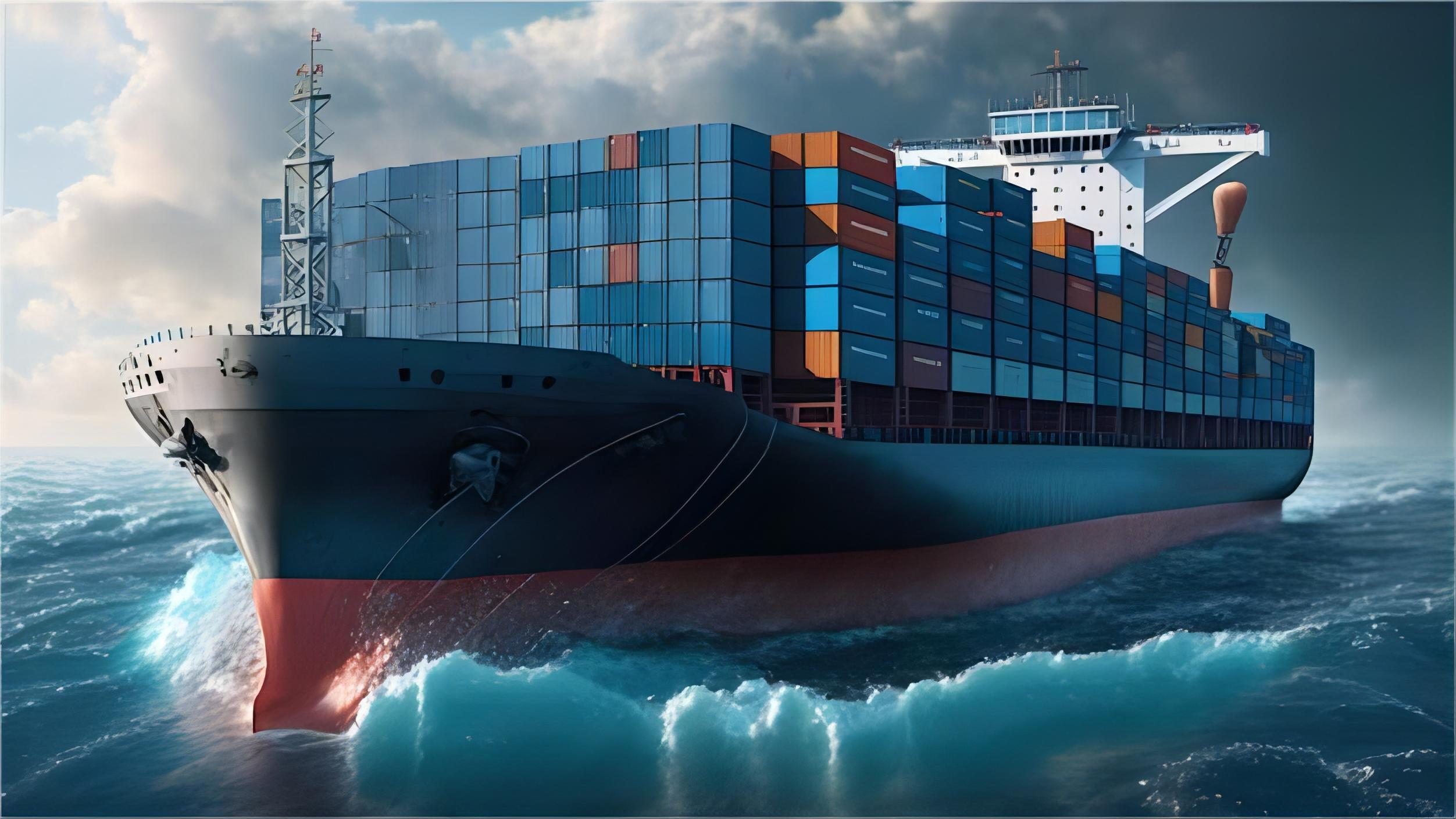
Analyzing the various logistics models is essential for determining the most cost-effective strategy for your business. While port-to-port shipping may appear cheaper on the surface, it often involves hidden costs and complex coordination requirements. For instance, an importer using port-to-port services must separately hire local transport in both China and Australia, which can lead to communication gaps. In contrast, door to door shipping provides an all-inclusive rate that covers every leg of the journey.
Furthermore, the total landed cost of door to door services is often more predictable than other methods. When you manage individual segments of the journey, unexpected storage fees or detention charges at the port can quickly inflate your budget. However, a comprehensive service provider manages these risks on your behalf, often including a buffer in their initial quote. Therefore, many small to medium enterprises prefer this model for its simplicity and financial transparency.
Hybrid solutions like sea-air freight can also be considered for specific scenarios where speed and cost must be balanced. For example, cargo could be shipped by sea from China to a hub like Singapore and then flown to Australia. This approach is faster than pure sea freight but significantly cheaper than direct air transport. Nevertheless, for most standard commercial shipments, the direct door to door model remains the most efficient choice in terms of logistics management.
| Shipping Method | Cost Range | Transit Time | Best For | Limitations |
|---|---|---|---|---|
| Sea Freight (FCL) | $1,400 – $2,200 | 15-22 Days | Large volumes | Slower speed |
| Sea Freight (LCL) | $80 – $150/CBM | 20-28 Days | Small pallets | Handling risks |
| Air Freight | $4.50 – $9.00/kg | 3-7 Days | High-value goods | High cost |
| Express Service | $8.00 – $15.00/kg | 2-5 Days | Samples/Urgent | Size limits |
Key Factors Influencing Shipping Costs in 2026
Several variables contribute to the fluctuation of freight rates in the current market environment. Fuel surcharges remain a significant component of the total cost, as global energy prices continue to impact carrier operating expenses. Additionally, seasonal demand plays a major role, with rates typically increasing by 15-25% during the peak season between August and October. Consequently, savvy importers often book their shipments several weeks in advance to secure more favorable pricing.
The choice between FCL and LCL also has a profound impact on the final invoice. For shipments larger than 15 CBM, booking a full 20GP or 40HQ container is generally more economical than paying for individual cubic meters. On the other hand, LCL allows smaller businesses to share container space, which lowers the barrier to entry for international trade. However, LCL shipments may incur higher destination charges due to the additional handling required for deconsolidation.
Customs duties and GST in Australia must also be factored into the overall budget. While the China-Australia Free Trade Agreement (ChAFTA) has eliminated tariffs on many goods, certain products still require specific permits or inspections. Therefore, utilizing a professional customs brokerage is highly recommended to ensure compliance and avoid costly penalties. Without a doubt, proper documentation is the most effective way to prevent unexpected expenses during the clearance process.
Navigating Australian Customs and Import Regulations
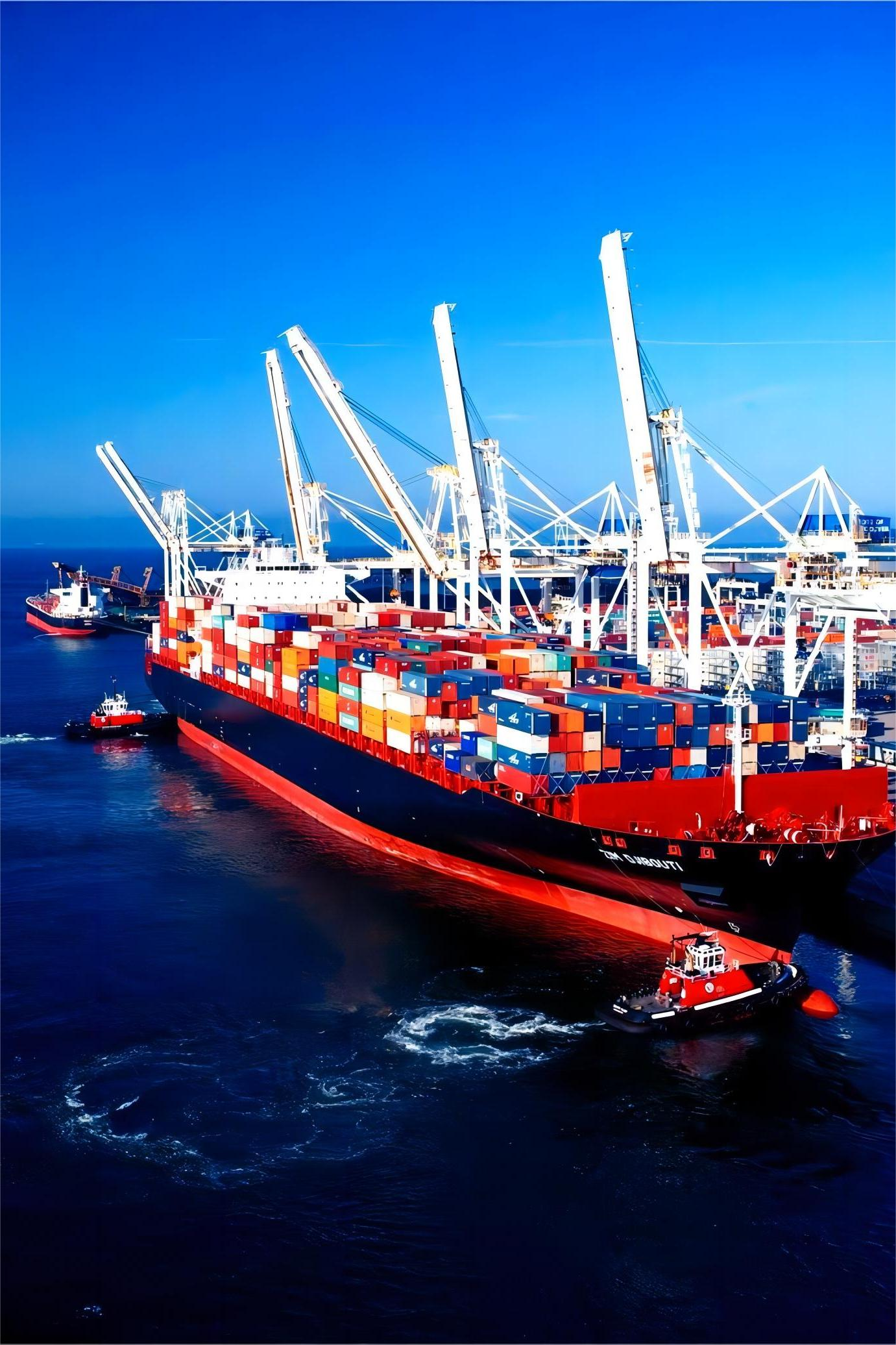
Australia maintains some of the strictest biosecurity and customs regulations in the world. As a result, every shipment arriving from China must undergo rigorous screening to protect the local environment and economy. Specifically, wooden packaging materials must be treated and marked according to ISPM 15 standards to prevent the introduction of pests. If your supplier fails to comply with these rules, the cargo may be subject to expensive fumigation or even destruction upon arrival.
In addition to biosecurity, the Australian Border Force requires accurate declarations of cargo value and classification. Using the correct Harmonized System (HS) codes is vital for determining the applicable duty rates and taxes. Furthermore, certain items like chemicals, electronics, and toys may require specific safety certifications or mandatory standards. Consequently, importers should verify all regulatory requirements before the goods leave the factory in China to avoid lengthy delays at the port.
Indeed, the 2026 logistics landscape has seen an increase in digital documentation and automated clearance systems. This trend has improved the speed of processing, but it also means that errors in paperwork are identified more quickly by authorities. To summarize, maintaining clear communication with your logistics provider is the best strategy for navigating the complexities of the Australian import environment. They can provide a comprehensive checklist of required documents, including the commercial invoice, packing list, and bill of lading.
| Document Name | Purpose | Required By | Timing |
|---|---|---|---|
| Commercial Invoice | Value declaration | Customs | At booking |
| Packing List | Content details | Warehouse/Customs | At loading |
| Bill of Lading | Title of goods | Carrier/Bank | After sailing |
| COO (ChAFTA) | Duty reduction | Customs | Before arrival |
Selecting the Right Shipping Method: Air vs. Sea Freight
Determining whether to use sea freight or air freight depends largely on your budget and delivery timeline. Sea freight is the traditional choice for bulk commodities, furniture, and heavy machinery due to its low cost per unit. For instance, a 20GP container can transport up to 28 CBM of goods for a fraction of the cost of air transport. However, the transit time for sea freight from China to Australia typically ranges from 12 to 25 days, depending on the specific port of loading.
In contrast, air freight is the preferred option for high-value electronics, fashion items, and urgent spare parts. While the costs are significantly higher, the transit time is reduced to just a few days, allowing businesses to respond quickly to market changes. Moreover, air cargo handling is generally more delicate, which reduces the risk of damage for fragile items. Nevertheless, the environmental impact and high carbon footprint of air transport are becoming increasing concerns for many modern corporations.
For those who need a middle ground, express service providers like DHL or FedEx offer door to door solutions for smaller parcels. These services combine the speed of air freight with a highly integrated tracking system and simplified customs procedures. Accordingly, they are ideal for e-commerce businesses and sample shipments. To summarize, your choice should align with your specific inventory needs and the urgency of the delivery schedule.
Real-World Case Studies: China to Australia Logistics
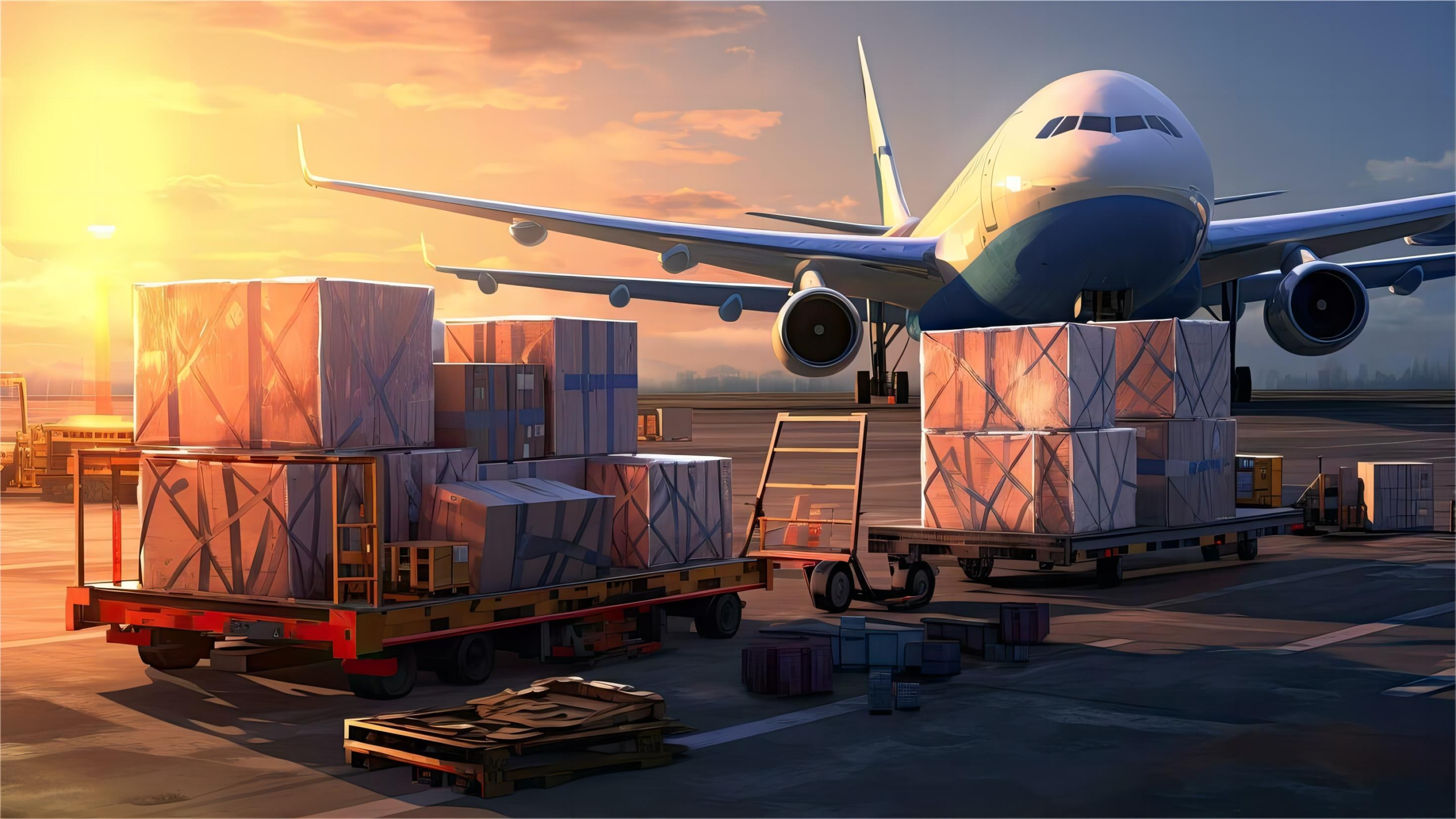
Examining real-world examples can provide valuable insights into the practicalities of international shipping. These cases reflect typical scenarios encountered by importers in 2026 and highlight the importance of strategic planning. By understanding how other businesses manage their logistics, you can identify potential pitfalls and optimize your own operations. Each case study below illustrates a different approach to moving goods across the China-Australia trade route.
Case Study 1: Furniture Import from Ningbo to Melbourne Route: Ningbo, China to Melbourne, Australia Cargo: Home Furniture, 25 CBM, 4500 kg Container: 20GP Full Container Shipping Details: – Carrier: COSCO Shipping – Port of Loading: Ningbo – Port of Discharge: Melbourne – Route Type: Direct Cost Breakdown: – Ocean Freight: $1,650 – Origin Charges: $350 – Destination Charges: $480 – Customs and Duties: $1,200 – Total Landed Cost: $3,680 Timeline: – Booking to Loading: 4 days – Sea Transit: 16 days – Customs Clearance: 2 days – Total Door-to-Door: 22 days Key Insight: Using FCL for furniture ensured the items were not handled multiple times, reducing the risk of scratches and damage.
Case Study 2: Electronics Components from Shenzhen to Sydney Route: Shenzhen, China to Sydney, Australia Cargo: Industrial Sensors, 1.5 CBM, 320 kg Shipping Method: Air Freight Door to Door Shipping Details: – Carrier: Cathay Cargo – Port of Loading: Shenzhen (SZX) – Port of Discharge: Sydney (SYD) – Route Type: Direct Cost Breakdown: – Air Freight: $2,100 – Origin Charges: $150 – Destination Charges: $220 – Customs and Duties: $450 – Total Landed Cost: $2,920 Timeline: – Pickup to Flight: 2 days – Air Transit: 1 day – Customs Clearance: 1 day – Total Door-to-Door: 4 days Key Insight: The high value-to-weight ratio of the sensors justified the higher cost of air freight to maintain a lean supply chain.
Which Option Should You Choose for Your Business?
Choosing the right strategy requires a clear understanding of your business priorities and cargo characteristics. If your primary goal is cost reduction and you are shipping large volumes of non-perishable goods, sea freight is undoubtedly the best choice. For example, seasonal stock or raw materials can be planned months in advance to take advantage of lower ocean rates. In this scenario, the longer transit time is a manageable trade-off for the significant savings achieved.
On the other hand, if you are operating in a fast-paced market where stockouts lead to lost revenue, air freight or express services are necessary. High-value items or products with a short shelf life require the speed and security that only air transport can provide. Additionally, if your shipment is under 1 CBM, the minimum charges associated with sea freight might make express courier services more economical. Therefore, you must evaluate each shipment on an individual basis.
Finally, consider the benefits of a long-term partnership with a logistics expert who understands shipping from China to Australia. They can provide tailored advice on consolidation strategies, route optimization, and customs compliance. By leveraging their expertise, you can navigate the volatile 2026 freight market with confidence. Ultimately, the right choice is the one that balances cost, speed, and reliability to support your business growth.
Conclusion
Navigating the complexities of door to door shipping China to Australia requires a blend of strategic planning and expert execution. By understanding the various shipping methods, customs requirements, and cost factors, you can build a resilient supply chain that withstands market fluctuations. Whether you choose the cost-efficiency of sea freight or the speed of air transport, the key is to work with a partner who prioritizes transparency and reliability. As we move through 2026, staying informed about logistics trends will remain your greatest advantage in the competitive world of international trade.
Note: Freight rates are subject to change based on fuel costs, carrier capacity, and seasonal demand. Contact us for a current quote tailored to your specific shipment.
Ready to streamline your supply chain with professional door to door shipping China to Australia? Contact our team today for a customized quote and expert logistics advice.
Request Quote