

China Door to Door Logistics: The Ultimate 2026 Guide to Seamless Global Shipping
“Navigating the complexities of international trade requires a reliable partner to manage every step of the journey. By utilizing professional china door to door logistics, businesses can eliminate the stress of coordinating multiple carriers and local transporters. This comprehensive solution ensures your cargo moves seamlessly from the factory floor in China directly to your final destination warehouse.”
What is China Door to Door Logistics and Why is it Essential?
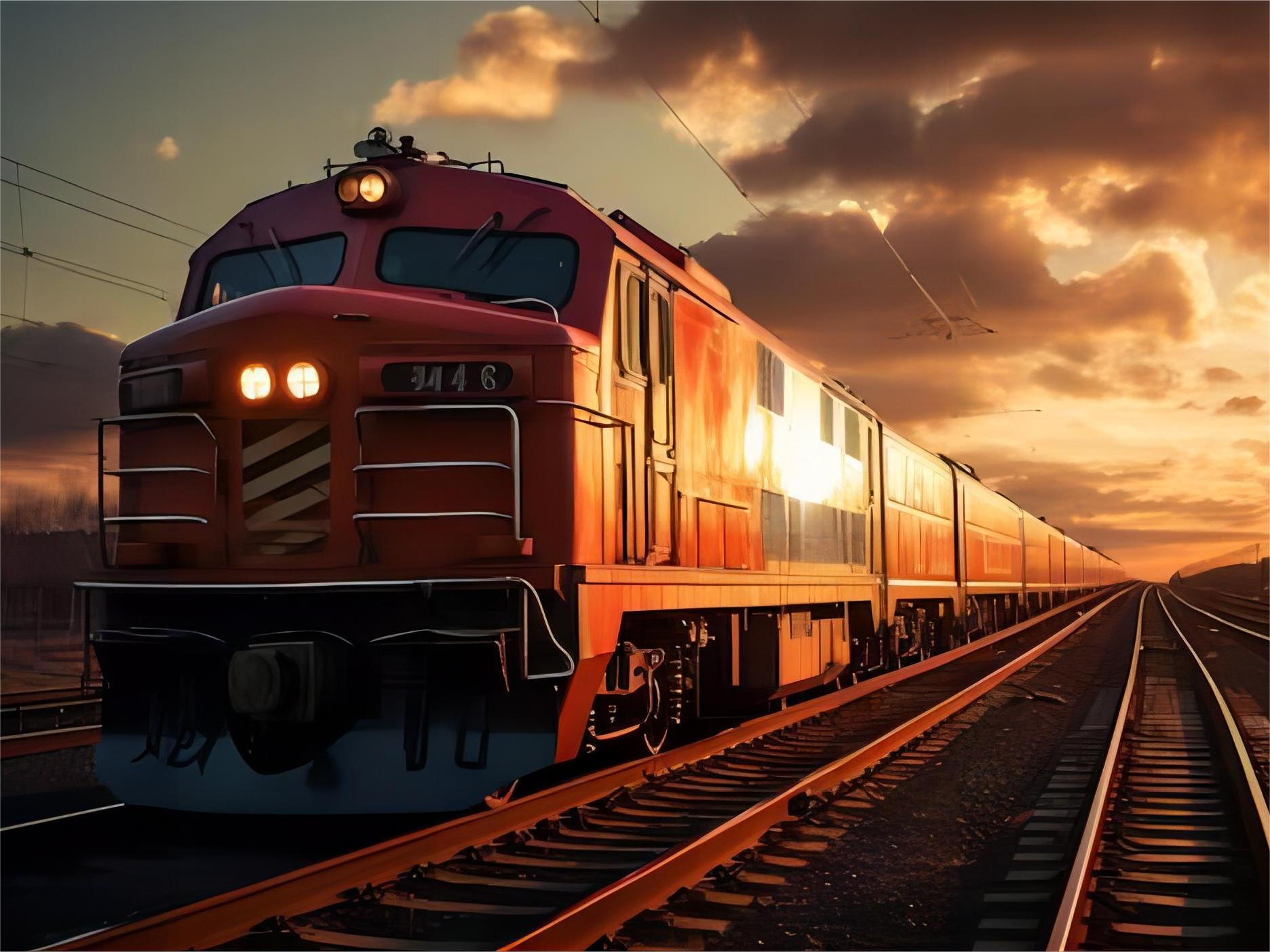
❖In the fast-paced market of 2026, efficiency is the primary driver of profitability for importers worldwide. China door to door logistics represents a holistic shipping model where the forwarder handles the entire transport chain.
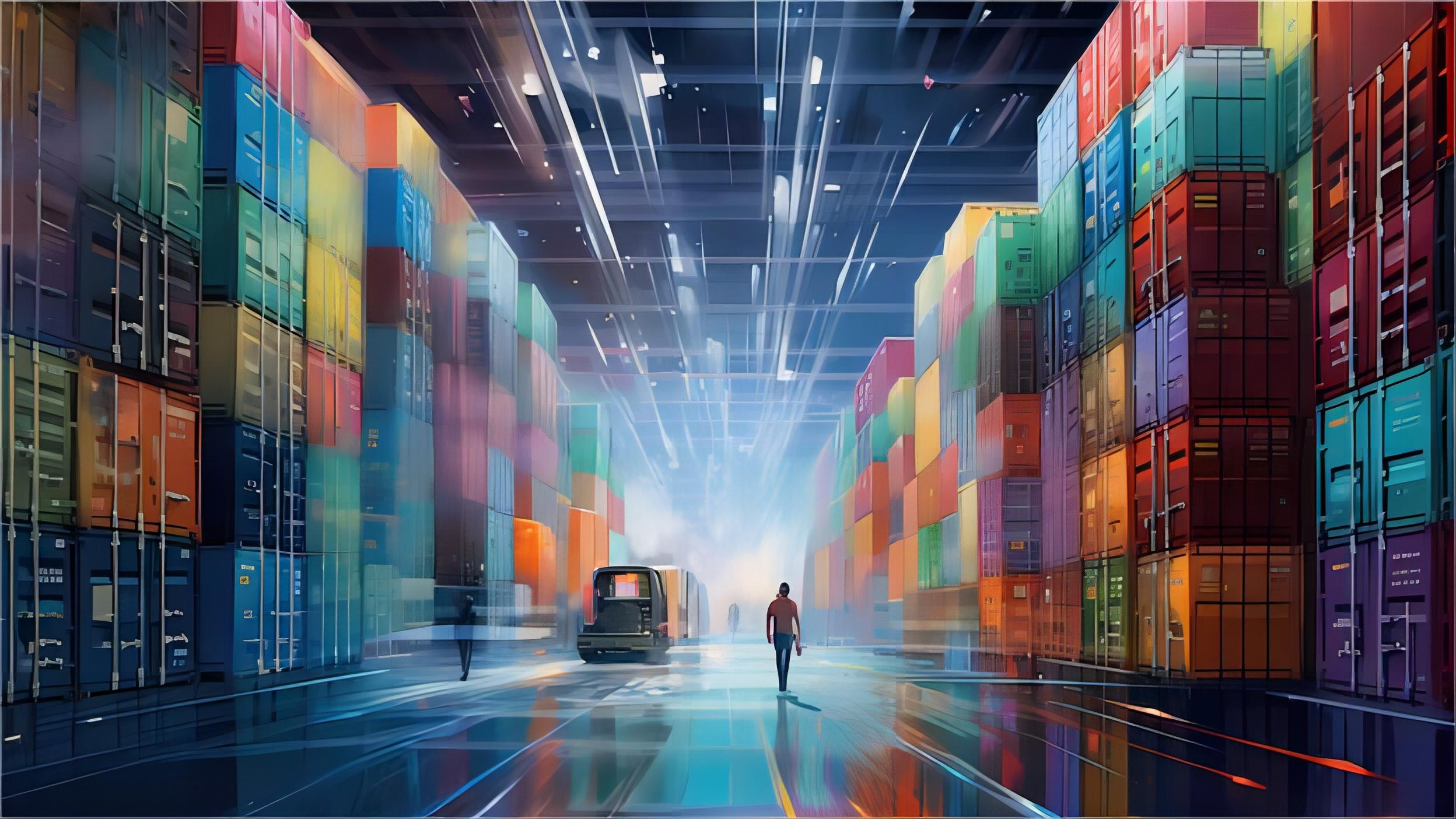
Consequently, the importer does not need to worry about booking local trucks, managing port documentation, or arranging final mile delivery. This service integrates pickup, export clearance, international transit, and destination arrival into one single package.
Moreover, this streamlined approach reduces the risk of communication errors between different service providers. When one company manages the end-to-end process, accountability increases and the likelihood of cargo delays significantly decreases.
How Does China Door to Door Logistics Compare to Other Shipping Options?
❖Choosing the right shipping method depends on your budget, urgency, and the nature of your cargo. While port-to-port shipping might seem cheaper initially, it often involves hidden costs and logistical headaches at both ends.
For instance, port-to-port requires you to find your own customs broker and local trucking company. In contrast, a door-to-door service includes all these elements in a single, transparent quote.
Furthermore, hybrid solutions like sea-air or rail-sea are becoming popular in 2026 for those seeking a balance between speed and cost. These alternatives provide flexibility when traditional routes face seasonal congestion or capacity limits.
| Shipping Method | Cost Range | Transit Time | Best For | Limitations |
|---|---|---|---|---|
| Express Service | High ($8-15/kg) | 3-5 Days | Small samples/Urgent | Weight limits |
| Air Freight | Medium-High | 5-10 Days | High-value goods | Expensive for bulk |
| Sea Freight (FCL) | Low ($2k-5k/cont) | 20-40 Days | Large inventory | Slowest speed |
| Rail Freight | Moderate | 15-22 Days | Europe-bound bulk | Limited routes |
The Benefits of Integrated Customs Brokerage and Logistics
❖Customs regulations are constantly evolving, and 2026 has seen new digital documentation requirements across major trade hubs. Utilizing a provider with in-house customs brokerage expertise is vital for avoiding costly penalties.
Additionally, professional logistics providers stay updated on the latest tariff changes and trade agreements. They ensure that all paperwork, such as the Commercial Invoice and Packing List, is perfectly aligned with local laws.
Therefore, your cargo can pass through inspection points without unnecessary hold-ups. This proactive management of regulatory hurdles is a cornerstone of successful china door to door logistics.
Which Option Should You Choose for Your Business?
❖Selecting the ideal logistics path requires a clear understanding of your business priorities. If your primary goal is minimizing expenditure, then sea freight remains the most economical choice for large volumes.
On the other hand, if you are launching a new product and need to hit a specific deadline, air freight provides the speed necessary to stay competitive. Market data suggests that speed-to-market is often more valuable than raw shipping savings.
For e-commerce sellers, specifically those utilizing Amazon FBA, specialized door-to-door services are essential. These services ensure that goods meet strict labeling and palletization requirements before reaching the fulfillment center.
Budget Priority Strategies
When budget is the main concern, consider consolidating smaller shipments into a single Less than Container Load (LCL) shipment. This allows you to share container space and costs with other importers.
Alternatively, booking your shipments at least 3-4 weeks in advance can help you secure lower freight rates. Avoid shipping during peak seasons like the weeks leading up to Chinese New Year or the Q4 holiday rush.
Speed and Reliability Strategies
For time-sensitive cargo, direct shipping routes are always preferable over transshipment options. Although direct routes may cost 10-15 percent more, they eliminate the risk of cargo being stuck at intermediate ports.
Indeed, using a premium door to door service often includes guaranteed delivery windows. This reliability allows you to maintain leaner inventory levels and improve your overall cash flow.
Realistic Case Studies for 2026 Logistics Planning
❖Understanding how these services work in the real world can help you plan your own shipments more effectively. Below are two scenarios based on typical 2026 market conditions and actual shipping routes.
Case Study 1: Electronics Components to USA West Coast Route: Shenzhen, China to Los Angeles, USA Cargo: Computer Parts, 5 CBM, 1200 kg Container: LCL (Less than Container Load) Shipping Details: – Carrier/Service: Major trans-Pacific carrier – Port of Loading: Shenzhen – Port of Discharge: Los Angeles – Route Type: Direct Cost Breakdown: – Ocean Freight: $950 – Origin Charges: $250 – Destination Charges: $400 – Customs and Duties: $1,200 – Total Landed Cost: $2,800 Timeline: – Booking to Loading: 3 days – Sea Transit: 16 days – Customs Clearance: 2 days – Total Door-to-Door: 21 days Key Insight: Using a direct route saved 6 days compared to transshipment via Busan.
Case Study 2: Industrial Machinery to Germany via Rail Route: Chengdu, China to Hamburg, Germany Cargo: Precision Lathe, 12 CBM, 4500 kg Container: 20GP (Full Container Load) Shipping Details: – Carrier/Service: China-Europe Railway Express – Port of Loading: Chengdu Rail Terminal – Port of Discharge: Hamburg Terminal – Route Type: Direct Rail Cost Breakdown: – Rail Freight: $4,200 – Origin Charges: $350 – Destination Charges: $550 – Customs and Duties: $2,100 – Total Landed Cost: $7,200 Timeline: – Booking to Loading: 5 days – Rail Transit: 18 days – Customs Clearance: 3 days – Total Door-to-Door: 26 days Key Insight: Rail provided a 15-day advantage over sea freight at half the cost of air.
Understanding the Cost Components of Door to Door Logistics
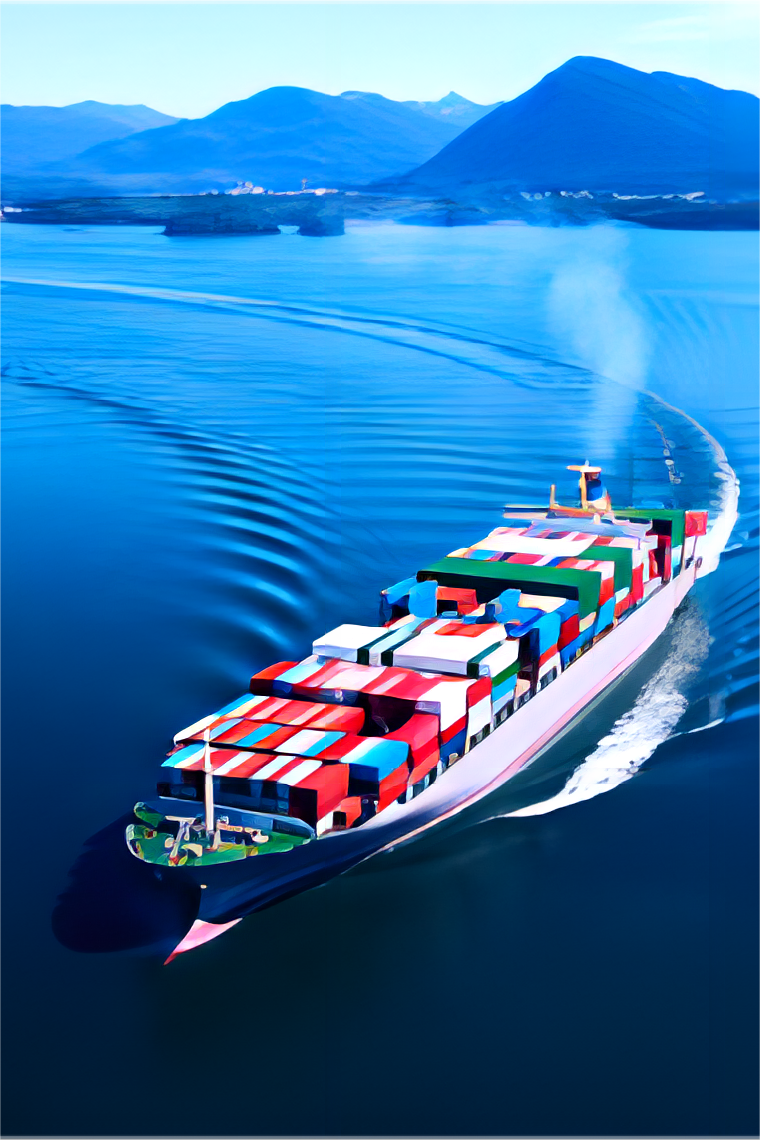
❖To accurately calculate your landed cost, you must understand the various fees involved in the process. Freight rates are only one part of the equation, as local handling and documentation also contribute to the total.
For example, you will encounter Terminal Handling Charges (THC) at both the origin and destination ports. Additionally, fuel surcharges can fluctuate monthly based on global energy prices and carrier capacity.
Meanwhile, do not overlook the importance of cargo insurance to protect your investment. Most professional china door to door logistics providers offer integrated insurance options for a small percentage of the cargo value.
| Route | 20GP Container | 40HQ Container | Transit Time |
|---|---|---|---|
| China to USA East Coast | $2,800 – $3,800 | $4,800 – $6,200 | 32-38 Days |
| China to UK | $2,200 – $3,000 | $3,800 – $4,800 | 30-35 Days |
| China to Australia | $900 – $1,400 | $1,500 – $2,200 | 14-20 Days |
| China to SE Asia | $400 – $700 | $700 – $1,100 | 5-9 Days |
Key Documentation for Smooth Customs Clearance
❖Successful china door to door logistics depends heavily on accurate and timely documentation. Errors in paperwork are the leading cause of customs delays and unexpected storage fees at the port.
Specifically, the Bill of Lading (BOL) acts as both a receipt for the goods and a contract of carriage. Furthermore, the Certificate of Origin may be required to qualify for preferential tariff rates under specific trade agreements.
Consequently, working with an experienced logistics partner ensures that all these documents are reviewed before the cargo leaves the factory. This proactive verification process is essential for maintaining a predictable delivery schedule.
Final Thoughts on China Door to Door Logistics
In summary, mastering china door to door logistics is a strategic advantage for any business involved in global trade. By consolidating all shipping steps under a single provider, you gain better visibility and control over your inventory.
As we move through 2026, the integration of technology and logistics will continue to make these services faster and more transparent. Choosing the right partner today will ensure your business is prepared for the challenges and opportunities of tomorrow’s global market.
Ready to streamline your logistics?
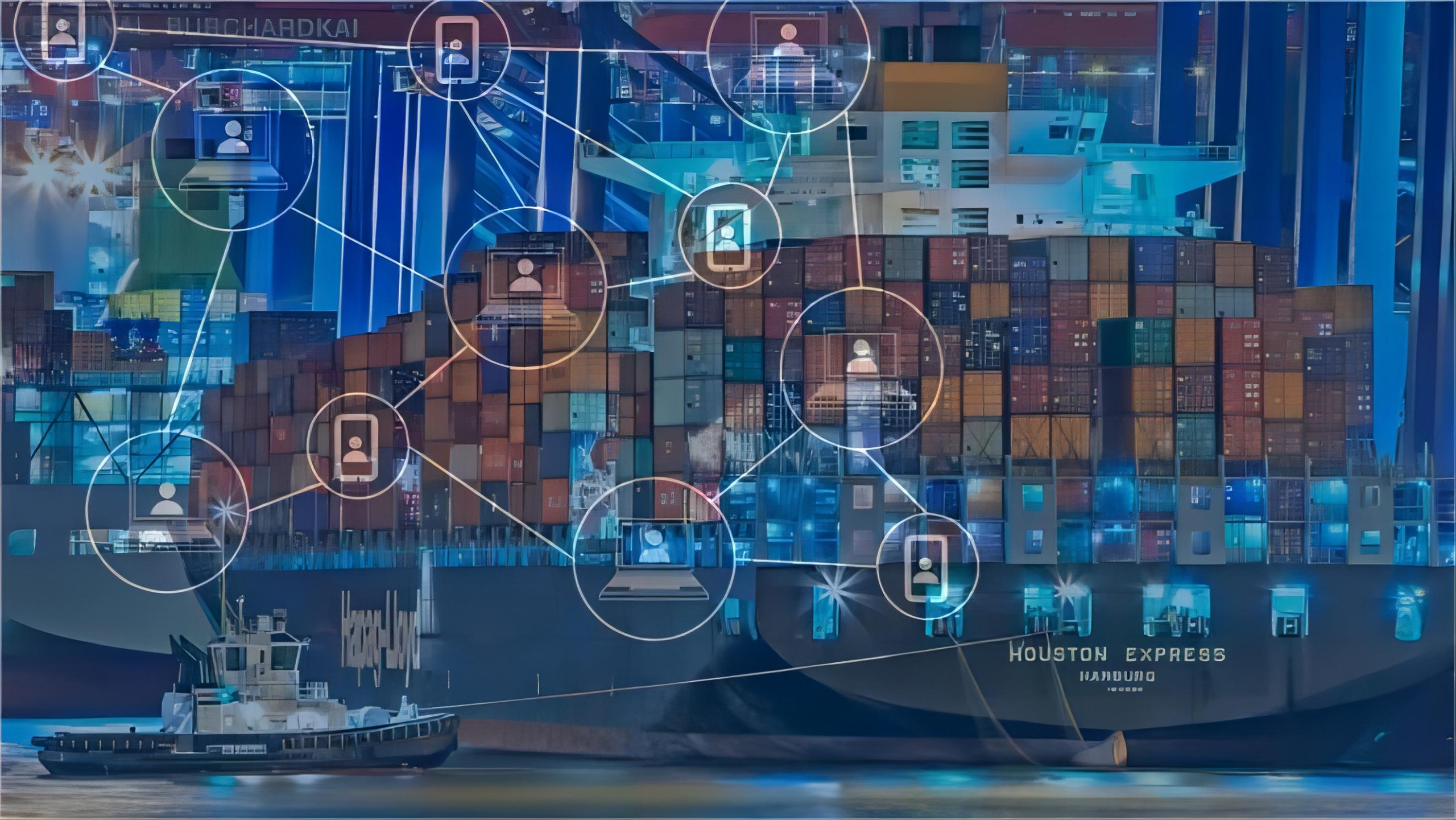
Streamline your supply chain today with professional china door to door logistics solutions. Our team at China Freight Hub provides transparent pricing and reliable handling for all your international shipments. Contact us now to receive a customized quote and experience the ease of end-to-end logistics management.
Request Quote