

Shipping Logistics From China to Europe: 2026 Guide to Costs and Methods
Navigating the complexities of shipping logistics from China to Europe requires a strategic approach to balance cost efficiency and delivery speed in today’s volatile market. China Freight Hub provides comprehensive solutions to streamline your international trade operations by leveraging advanced tracking and optimized routing. This guide explores current 2026 market trends, providing the data necessary to choose the most effective transport methods for your specific cargo needs.
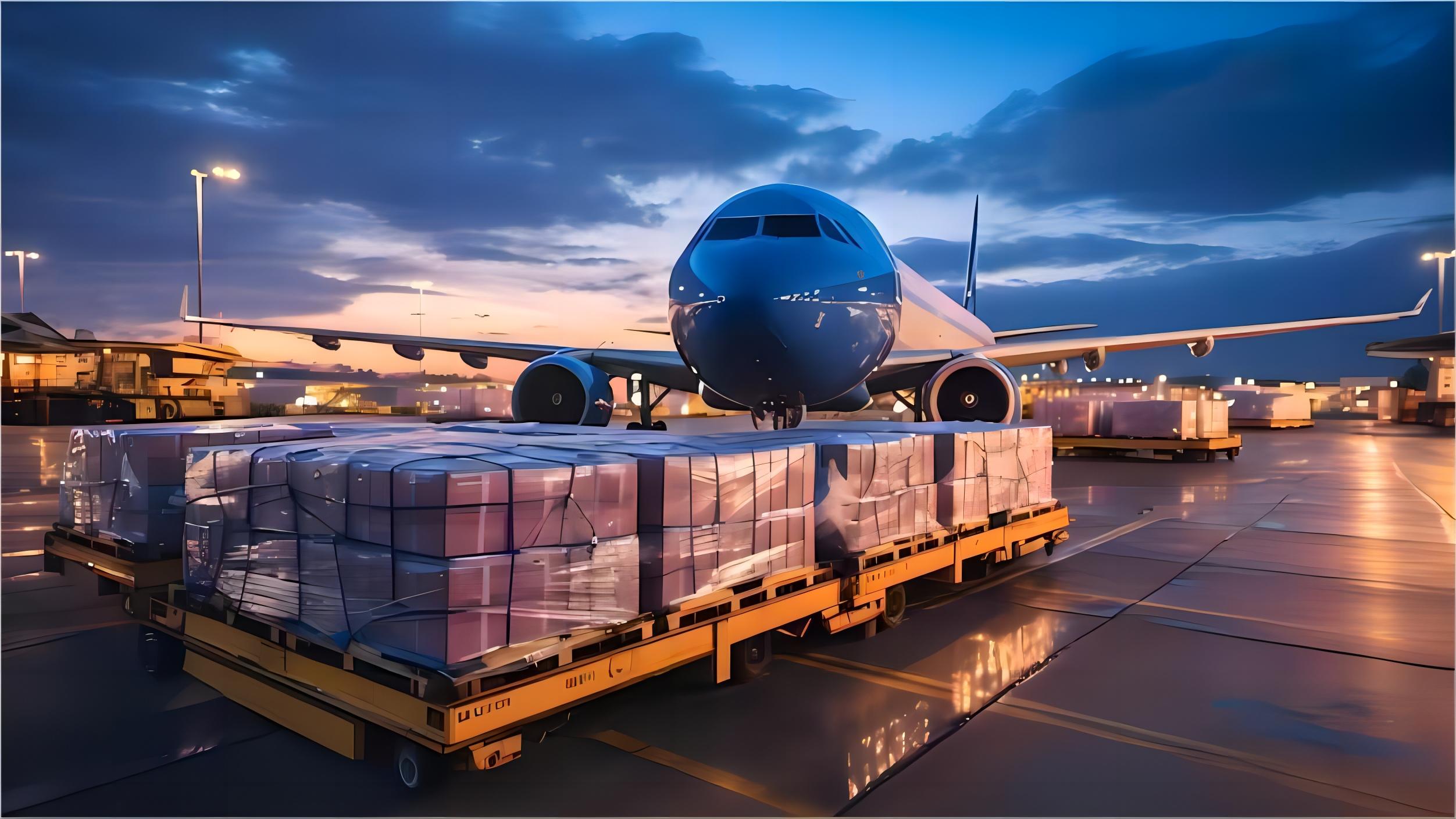
Overview of Shipping Logistics From China to Europe in 2026
International trade between these two major economic regions has evolved significantly over the past year, driven by technological advancements and infrastructure investments. Consequently, businesses must stay informed about the latest transit corridors and regulatory changes to maintain a competitive edge. The primary routes for Europe now include diverse multimodal options that bypass traditional bottlenecks.
Furthermore, current market data suggests that freight rates have stabilized after the disruptions observed in 2025. Importers are now focusing on sustainability and reliability rather than just the lowest price point. In addition, the integration of digital customs platforms has reduced the administrative burden for many small to medium-sized enterprises.
Specifically, the demand for transparent supply chains has pushed logistics providers to offer real-time visibility. Therefore, selecting a partner who understands the nuances of both Chinese export laws and European Union import regulations is essential for success. This foundational knowledge ensures that your cargo moves through the network without unnecessary delays or unexpected costs.
Sea Freight: The Cost-Effective Choice for Large Volumes
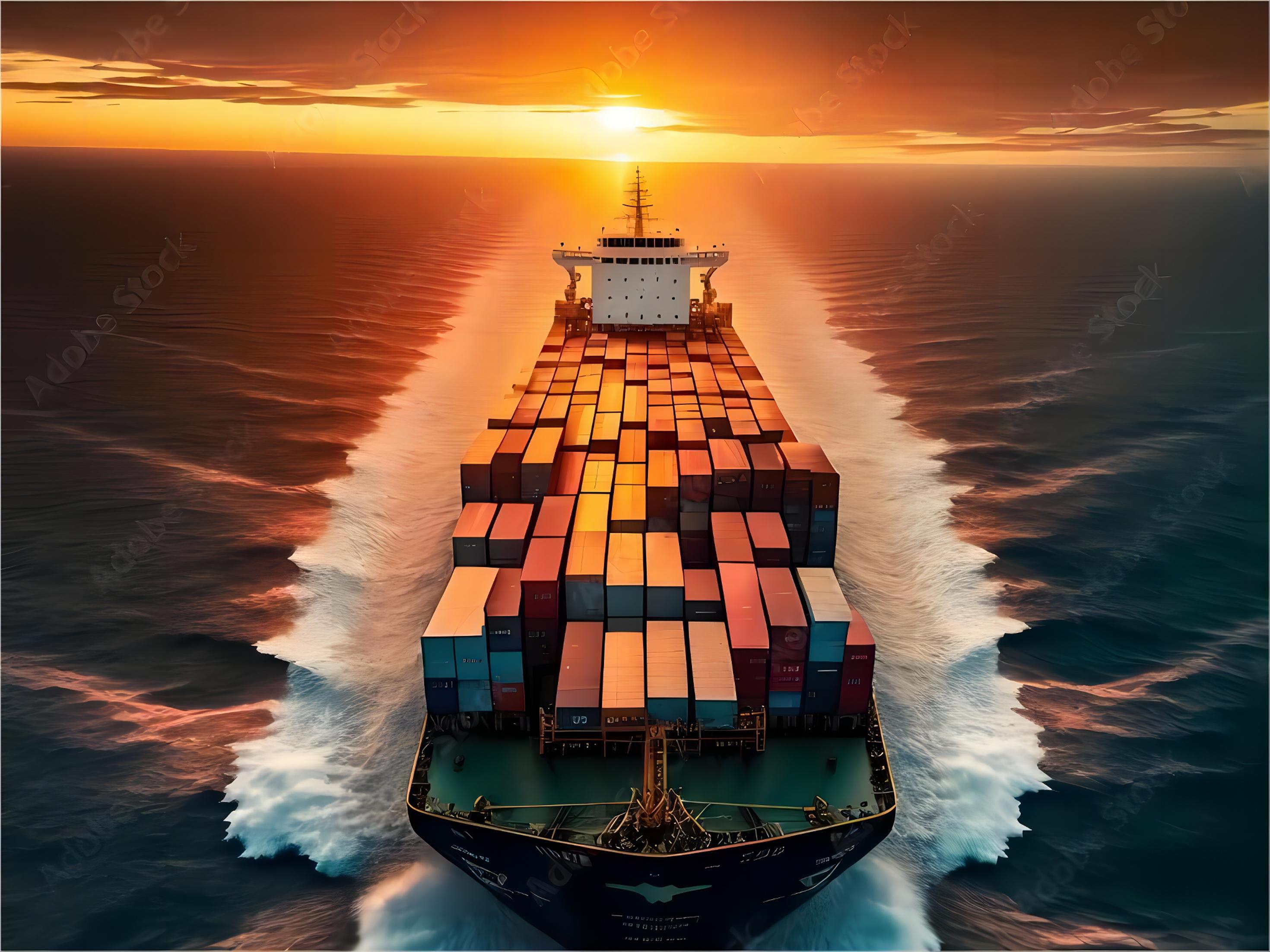
Reliability remains the hallmark of sea freight, which continues to handle the majority of global trade volume. Most businesses prefer this method for bulky items or large inventory replenishments due to its superior economy of scale. Meanwhile, the introduction of larger, more fuel-efficient vessels in 2026 has helped keep per-unit costs manageable despite fluctuating energy prices.
Moreover, importers can choose between Full Container Load (FCL) and Less than Container Load (LCL) depending on their specific volume requirements. For instance, FCL is ideal for shipments exceeding 15 cubic meters, offering better security and faster handling at the port of discharge. Conversely, LCL allows smaller businesses to share container space, making it a flexible option for growing brands.
As a result of improved port operations in Shanghai and Rotterdam, transit times have become more predictable. Nevertheless, shippers should still account for potential seasonal peaks during the third quarter. Planning ahead remains the best strategy to secure space and avoid premium surcharges during high-demand periods.
| Route | Container Type | Estimated Cost | Transit Time |
|---|---|---|---|
| Shanghai to Rotterdam | 40HQ Container | $3,200 – $4,100 | 32 – 36 Days |
| Shenzhen to Hamburg | 20GP Container | $1,900 – $2,600 | 30 – 34 Days |
| Ningbo to Felixstowe | 40GP Container | $3,000 – $3,900 | 33 – 38 Days |
| Guangzhou to Genoa | LCL (per CBM) | $85 – $120 | 28 – 32 Days |
Rail Freight: The Middle Ground for Modern Supply Chains
Innovation in the trans-Eurasian rail network has made rail freight a highly attractive alternative to traditional sea and air routes. This method offers a perfect balance by being faster than sea freight and considerably cheaper than air transport. Indeed, many electronics and automotive companies have shifted their logistics focus toward the New Silk Road corridors in 2026.
Additionally, rail transport provides a more environmentally friendly profile compared to air freight, which aligns with the growing ESG requirements in the European market. For example, a shipment from Xi’an to Warsaw can now arrive in as little as 16 days. Consequently, this speed allows for faster inventory turnover and reduced capital tie-up.
However, shippers must consider the geographical limitations of rail, as it primarily serves inland hubs. To summarize, rail is most effective for high-value industrial goods that require a quicker turnaround than a ship can provide but do not justify the expense of a plane. It represents a strategic middle ground that optimizes both time and budget constraints.
Air Freight Strategies for High-Value Goods
Urgency often dictates the use of air freight, particularly for product launches or critical supply chain gaps. While the cost per kilogram is significantly higher, the reduction in transit time to just 5-8 days is often worth the investment. Without a doubt, air transport is the premium choice for perishables, fashion, and sensitive technology.
Furthermore, the security levels at major airports like Hong Kong (HKG) and Frankfurt (FRA) are exceptionally high, minimizing the risk of theft or damage. In contrast to sea freight, air cargo requires less robust packaging, which can slightly offset the higher shipping rates. Notably, the 2026 market has seen an increase in dedicated freighter capacity, leading to more stable schedules.
Accordingly, businesses should evaluate their profit margins before committing to air transport. For instance, if a delay in production threatens a major contract, the speed of air freight becomes a necessary insurance policy. It remains the fastest way to bridge the distance between Chinese manufacturing hubs and European consumers.
Express Shipping for Rapid Market Access
Small parcels and sample shipments benefit most from an express service, which provides a truly seamless experience. These providers handle the entire process from pickup to final delivery, including the complex customs clearance steps. Consequently, this is the preferred method for e-commerce sellers and businesses testing new product designs.
Moreover, express carriers offer the most advanced tracking capabilities in the industry. Shippers can monitor their cargo at every milestone, providing peace of mind and better customer service. In addition, the door-to-door nature of express shipping eliminates the need for separate local trucking arrangements at either end of the route.
Nevertheless, costs can escalate quickly for heavier items. Therefore, it is vital to compare express rates with standard air freight for shipments exceeding 100 kilograms. For most small-scale importers, however, the convenience and speed of express shipping outweigh the additional costs.
How Does Sea Freight Compare to Other Shipping Options?
Choosing the right shipping logistics from China to Europe requires a side-by-side analysis of all available transport modes. While sea freight is the most common, it is not always the most logical choice for every scenario. Specifically, businesses must weigh the cost of inventory holding against the cost of faster transportation.
For example, if you are shipping low-margin consumer goods, the 35-day transit of sea freight is perfectly acceptable. On the other hand, a high-demand fashion line might lose its market relevance if it spends a month on the water. In such cases, rail or air freight becomes the more profitable alternative despite the higher freight bill.
Additionally, hybrid solutions like sea-air or rail-sea are gaining popularity. These strategies involve shipping by sea to a hub like Dubai or Singapore and then transferring to air or rail for the final leg. Such approaches can save 15-20 days compared to pure sea freight while remaining 40% cheaper than direct air freight.
| Shipping Method | Cost Range | Transit Time | Best For |
|---|---|---|---|
| Sea Freight | Low ($) | 30 – 45 Days | Bulk goods, Furniture |
| Rail Freight | Medium ($$) | 15 – 22 Days | Electronics, Auto parts |
| Air Freight | High ($$$) | 5 – 9 Days | High-value, Urgent items |
| Express | Very High ($$$$) | 3 – 5 Days | Samples, Small parcels |
Door to Door Solutions for Modern Importers
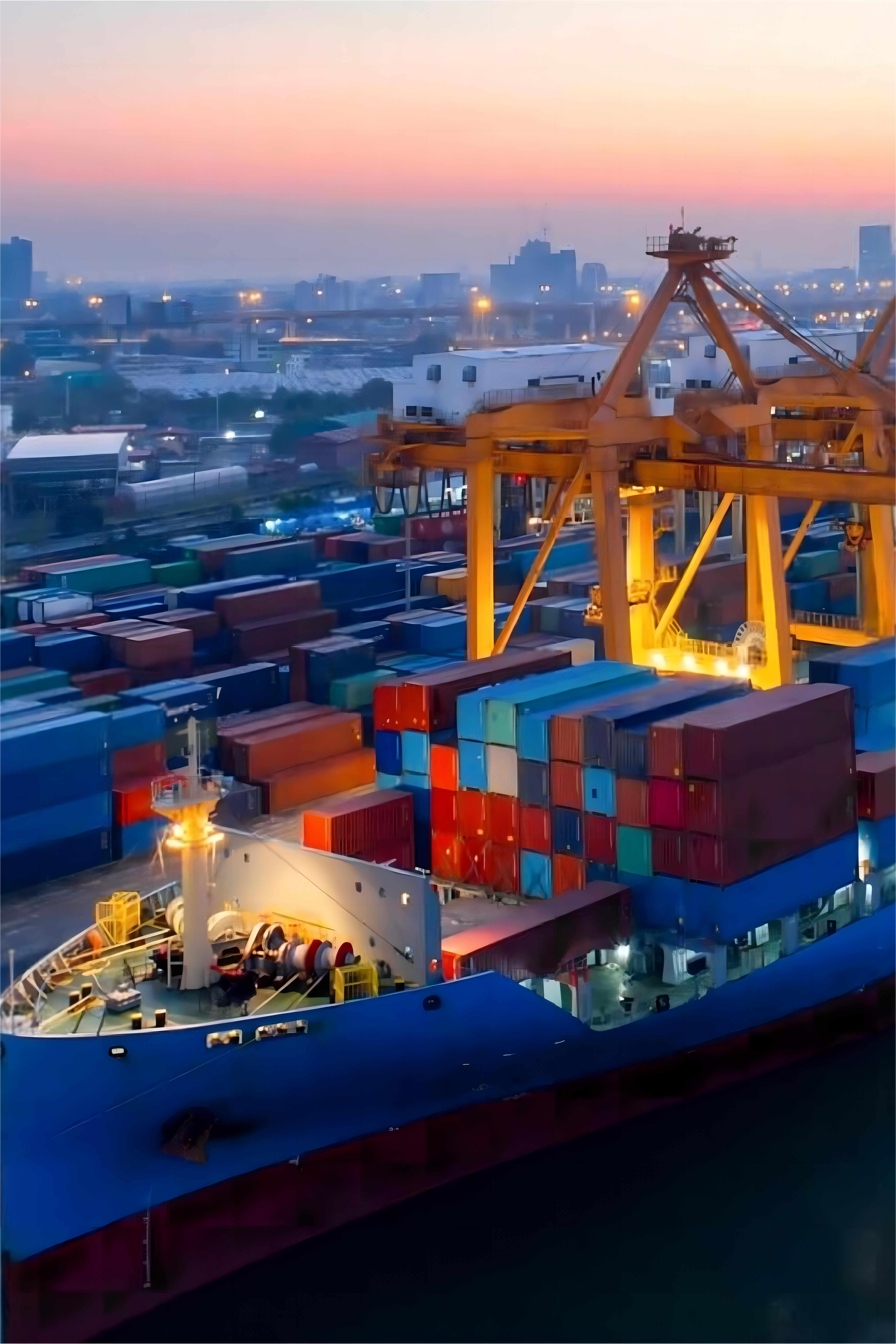
Simplifying the supply chain is a top priority for many businesses in 2026, leading to a surge in door-to-door service requests. This comprehensive logistics model removes the complexity of managing multiple vendors. Instead, a single freight forwarder takes responsibility for the cargo from the factory floor in China to the warehouse in Europe.
Significantly, this approach reduces the risk of communication errors and documentation mishaps. Because the forwarder manages the entire chain, they can more easily resolve issues at transshipment points or customs borders. Consequently, importers can focus on their core business activities rather than worrying about logistics minutiae.
Furthermore, door-to-door services often include final-mile delivery, which is frequently the most expensive and complex part of the journey. By bundling these services, forwarders can often negotiate better rates with local couriers and trucking companies. This results in a more efficient and cost-effective end-to-end solution for the importer.
Real Case Studies: Successful Shipments in 2026
Case Study 1: Electronics Distribution Route: Shenzhen, China to Warsaw, Poland Cargo: Consumer Electronics, 65 CBM, 12,000 kg Container: 1 x 40HQ Shipping Details: – Carrier: China-Europe Railway Express – Port of Loading: Xi’an Inland Port – Port of Discharge: Małaszewicze Terminal – Route Type: Direct Rail Cost Breakdown: – Rail Freight: $4,250 – Origin Charges: $450 – Destination Charges: $550 – Total Landed Cost: $5,250 Timeline: – Booking to Loading: 3 days – Rail Transit: 18 days – Customs Clearance: 2 days – Total Door-to-Door: 23 days Key Insight: Rail freight allowed the client to meet a Q2 product launch deadline without the extreme cost of air freight.
Case Study 2: Home Decor Import Route: Ningbo, China to Felixstowe, UK Cargo: Wooden Furniture, 28 CBM, 8,500 kg Container: 1 x 20GP Shipping Details: – Carrier: COSCO Shipping – Port of Loading: Ningbo-Zhoushan – Port of Discharge: Felixstowe – Route Type: Direct Sea Cost Breakdown: – Ocean Freight: $2,100 – Origin Charges: $320 – Destination Charges: $480 – Total Landed Cost: $2,900 Timeline: – Booking to Loading: 5 days – Sea Transit: 34 days – Customs Clearance: 3 days – Total Door-to-Door: 42 days Key Insight: Using sea freight for non-urgent, bulky items maximized the client’s profit margins despite the longer transit time.
Case Study 3: Urgent Industrial Spare Parts Route: Shanghai, China to Milan, Italy Cargo: Precision Machinery Parts, 2 CBM, 450 kg Container: LCL Air Shipping Details: – Carrier: Air China Cargo – Port of Loading: Shanghai Pudong (PVG) – Port of Discharge: Milan Malpensa (MXP) – Route Type: Direct Air Cost Breakdown: – Air Freight: $2,800 – Origin Charges: $150 – Destination Charges: $200 – Total Landed Cost: $3,150 Timeline: – Booking to Loading: 1 day – Air Transit: 2 days – Customs Clearance: 1 day – Total Door-to-Door: 4 days Key Insight: Air freight was essential to prevent a factory shutdown in Italy, proving its value for time-critical logistics.
Final Thoughts on China-Europe Logistics
Mastering shipping logistics from China to Europe involves more than just finding the lowest price; it requires a deep understanding of the trade-offs between speed, cost, and reliability. As we move through 2026, the diversification of routes and the rise of rail freight offer importers more flexibility than ever before.
Ultimately, successful logistics management depends on choosing the right partner and the right method for your specific cargo. By staying informed about market trends and utilizing the strategic insights provided in this guide, you can build a more resilient and efficient supply chain. Note: Freight rates are subject to change based on fuel costs, carrier capacity, and seasonal demand. Contact us for a current quote tailored to your specific shipment.
Need a tailored shipping solution?
Optimizing your shipping logistics from China to Europe requires professional expertise and a reliable network. Contact China Freight Hub today to receive a customized quote and streamline your 2026 supply chain operations. Visit our website to learn more about our integrated logistics solutions. Send Inquiry: info@chinafreighthub.com