
Freight Forwarding for Manufacturers China: 2026 Logistics Guide
Manufacturers operating in the global market face significant logistical hurdles when moving goods from production hubs to international customers. Partnering with a reliable expert like China Freight Hub allows businesses to streamline their entire supply chain while reducing overhead costs. This guide explores how specialized freight forwarding for manufacturers China provides the necessary infrastructure to handle complex export requirements in the current 2026 market environment. Without a doubt, selecting the right logistics partner is the most critical decision for maintaining a competitive edge in manufacturing.

Why is freight forwarding for manufacturers China critical in 2026?
Global trade dynamics have shifted significantly as we enter 2026, requiring more agile responses from production facilities. Consequently, manufacturers must prioritize logistics providers who offer real-time tracking and diverse routing options to avoid regional bottlenecks.
Moreover, the complexity of international regulations means that simple shipping is no longer sufficient for high-volume producers. Indeed, professional freight forwarding for manufacturers China integrates warehousing, documentation, and multimodal transport into a single cohesive strategy.
Additionally, cost volatility in the energy sector continues to impact freight rates across all major corridors. Therefore, having a partner who can negotiate long-term contracts with carriers is essential for maintaining predictable profit margins in the manufacturing sector.
What are the primary shipping methods for Chinese manufacturers?
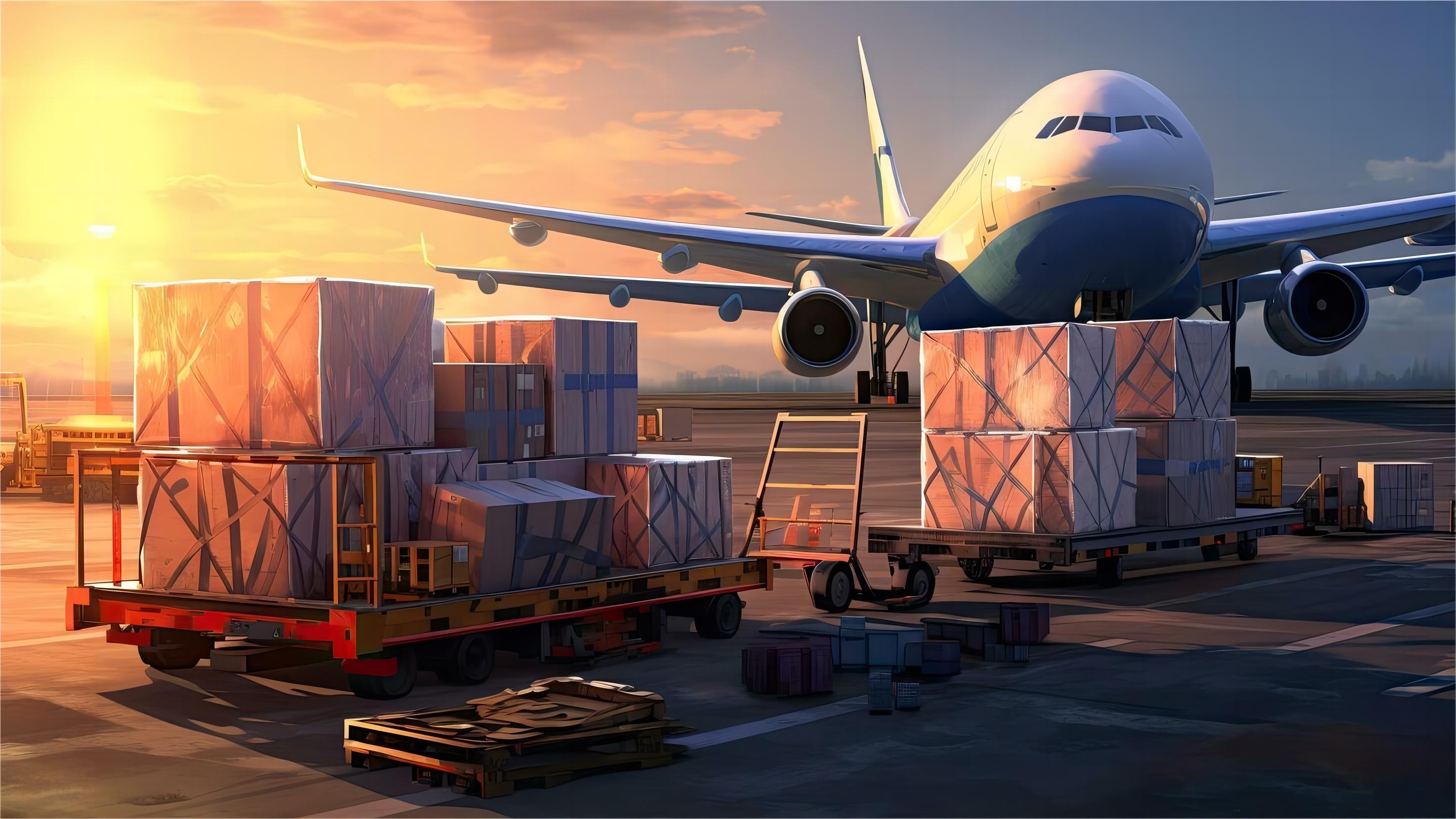
Choosing the correct transport mode depends heavily on your specific cargo type, budget constraints, and required delivery schedule. For instance, high-value electronics often require the speed of air transport, while bulk industrial components are better suited for maritime routes.
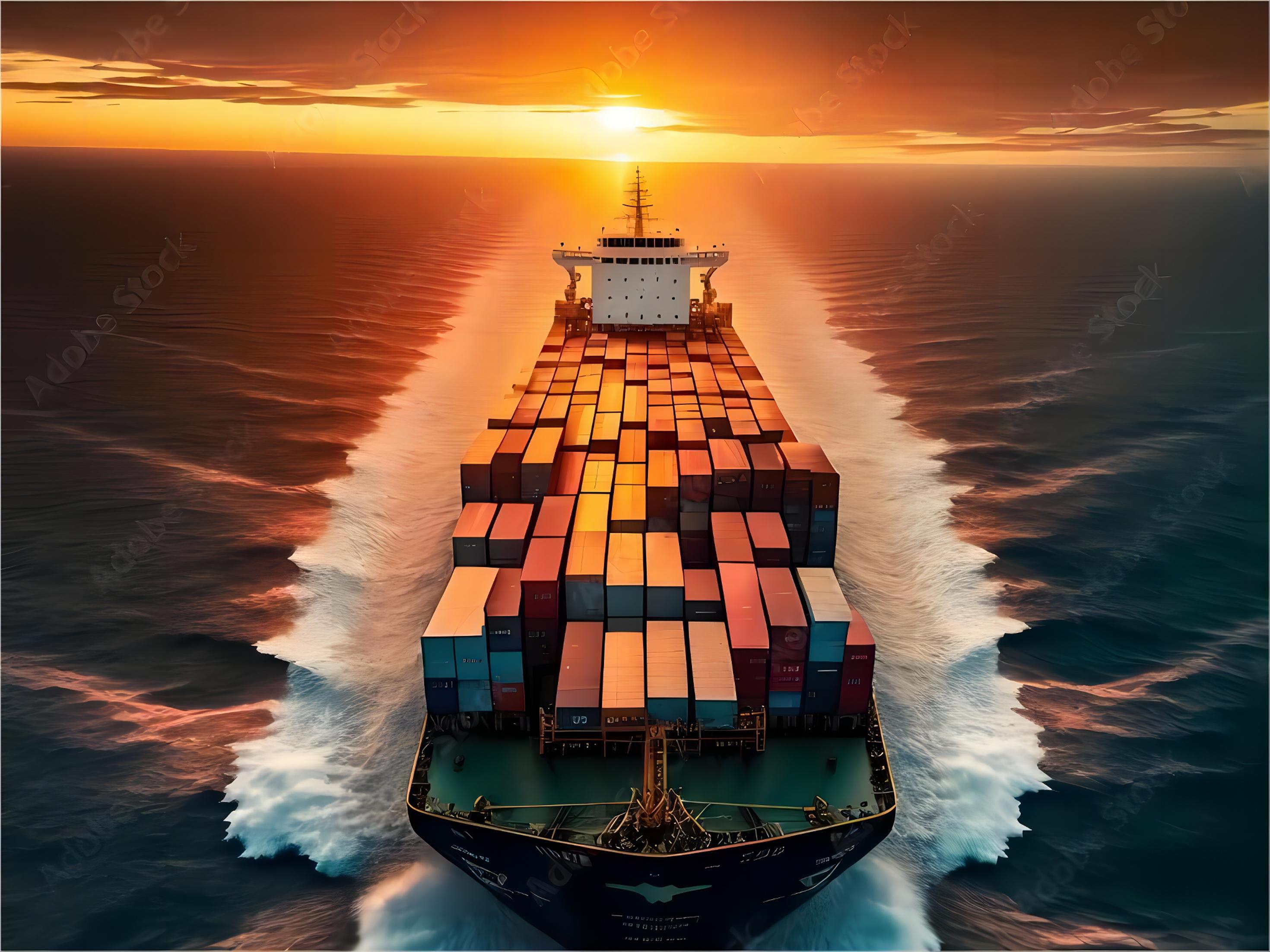
Specifically, sea freight remains the backbone of manufacturing exports due to its unmatched capacity for large-scale shipments. Meanwhile, emerging rail corridors provide a middle ground for businesses targeting Central Asian and European markets.
Furthermore, manufacturers must evaluate the trade-offs between speed and expense when planning their annual production cycles. As a result, many companies now adopt a hybrid approach, using different methods for various product lines to optimize their total landed cost.
| Shipping Method | Cost Level | Transit Time | Best For |
|---|---|---|---|
| Sea Freight (FCL) | Low | 25-40 Days | Bulk goods and heavy machinery |
| Air Freight | High | 3-7 Days | High-value or urgent cargo |
| Rail Freight | Medium | 15-22 Days | Land-locked European destinations |
| Express Service | Very High | 2-4 Days | Samples and small components |
How does sea freight compare to other shipping options?
While sea freight costs approximately 1,800 to 2,500 USD for a 20GP container to Europe, air freight for the same volume would exceed 15,000 USD in the current 2026 market. However, the transit time for ocean transport is significantly longer, often taking four to five weeks to reach major Western ports.
On the other hand, rail freight offers a compelling alternative for manufacturers shipping to inland Europe, arriving in nearly half the time of sea freight for a moderate price increase. For example, a shipment from Xi’an to Duisburg might cost 30 percent more than sea freight but saves 15 days of inventory holding costs.
Nevertheless, sea freight provides the most stability for large-scale supply chain operations because of the massive vessel capacity available. Consequently, it remains the preferred choice for manufacturers who can plan their inventory needs well in advance of peak seasons.
Which option should you choose for your manufacturing cargo?
Determining the best logistics path requires a clear understanding of your priority: is it speed, cost, or reliability? If your primary goal is budget optimization, then sea freight is the logical choice for almost all manufacturing outputs.
In contrast, if you are launching a new product or responding to a sudden market surge, air freight provides the rapid response capability you need. Without a doubt, the time saved can often justify the higher investment by securing market share early.
Accordingly, many firms use a 15 CBM threshold to decide between LCL and FCL shipping. For shipments under 15 CBM, LCL at 50 to 80 USD per CBM is usually more economical than booking a full container.
| Priority | Recommended Method | Volume Threshold | Key Benefit |
|---|---|---|---|
| Lowest Cost | Sea Freight (FCL) | Over 15 CBM | Maximum economy of scale |
| Fastest Delivery | Air Freight | Any Volume | Rapid market entry |
| Balanced Speed | Rail Freight | Over 10 CBM | Reliable inland access |
| Small Shipments | Sea Freight (LCL) | Under 15 CBM | Pay only for space used |
The importance of rail freight for Eurasian manufacturing routes
Reliable rail freight services have become a cornerstone for manufacturers looking to bypass congested maritime ports in 2026. This method connects major Chinese industrial hubs directly to the heart of Europe via the Silk Road economic belt.
Moreover, rail transport is significantly less affected by weather conditions compared to air or sea options. Therefore, it offers a high degree of schedule reliability for manufacturers who must strictly adhere to just-in-time delivery schedules.
Indeed, the environmental impact of rail is also lower than air freight, which appeals to manufacturers focused on corporate sustainability goals. As a result, we have seen a 15 percent increase in rail volume for automotive parts and machinery during the first half of 2026.
Navigating customs brokerage and compliance for manufacturers
Efficient customs brokerage is vital to prevent costly delays at international borders. Because regulations are constantly evolving, manufacturers must ensure all HS codes and commercial invoices are perfectly accurate before the cargo departs.
Furthermore, a professional freight forwarder manages the complex documentation required for various trade agreements. For instance, obtaining the correct Certificate of Origin can significantly reduce the import duties paid by the consignee.
Consequently, failing to comply with local customs laws can lead to cargo seizures or heavy fines. Meanwhile, an experienced broker anticipates potential issues and resolves them before they impact the delivery schedule.
Case Studies: Successful Manufacturing Logistics in 2026
Case Study 1: High-Volume Electronics to Europe
Route: Shenzhen, China to Rotterdam, Netherlands. Cargo: Consumer Electronics, 68 CBM, 12,000 kg. Container: 1 x 40HQ. Carrier: Major carrier. Port of Loading: Shenzhen. Port of Discharge: Rotterdam. Route Type: Direct.
Cost Breakdown: Ocean Freight: 3,450 USD. Origin Charges: 450 USD. Destination Charges: 600 USD. Customs and Duties: 1,200 USD. Total Landed Cost: 5,700 USD.
Timeline: Booking to Loading: 3 days. Sea Transit: 32 days. Customs Clearance: 2 days. Total Door-to-Door: 37 days. Key Insight: Early booking during the Q3 peak season saved the client 15 percent compared to spot rates.
Case Study 2: Urgent Industrial Components to USA
Route: Shanghai, China to Los Angeles, USA. Cargo: Precision Machinery Parts, 2 CBM, 450 kg. Shipping Method: Air Freight. Carrier: International Cargo Airline. Port of Loading: Shanghai Pudong. Port of Discharge: LAX.
Cost Breakdown: Air Freight: 2,900 USD. Origin Charges: 200 USD. Destination Charges: 350 USD. Customs and Duties: 800 USD. Total Landed Cost: 4,250 USD.
Timeline: Booking to Loading: 1 day. Air Transit: 2 days. Customs Clearance: 1 day. Total Door-to-Door: 4 days. Key Insight: Using air freight prevented a factory shutdown in California, offsetting the higher shipping cost.

Optimizing Amazon FBA logistics for Chinese manufacturers
Many manufacturers now sell directly to consumers, requiring specialized Amazon FBA shipping solutions. This process involves strict labeling and palletization requirements that must be met before arrival at the fulfillment center.
Additionally, freight forwarders provide value-added services such as quality inspections and kitting at the point of origin. Therefore, manufacturers can ensure their products meet Amazon’s standards without having to handle the goods themselves in the destination country.
Indeed, managing the transition from factory floor to FBA warehouse requires precise coordination to avoid out-of-stock scenarios. Consequently, integrated logistics providers are essential for manufacturers looking to scale their e-commerce presence globally.
Current 2026 market trends in freight forwarding for manufacturers China
Market data suggests that freight rates from China to North America have stabilized in early 2026 following the infrastructure improvements of last year. However, seasonal demand during the August to October period still causes a typical 20 percent spike in pricing.
Moreover, the adoption of digital freight platforms has improved transparency for manufacturers tracking their cargo handling. For example, real-time GPS data now allows production managers to adjust their schedules based on actual vessel positions.
Furthermore, industry benchmarks indicate a move toward more sustainable fuels in the shipping industry. As a result, some carriers now offer green certificates for manufacturers looking to reduce their carbon footprint in the supply chain.
Mastering Your Manufacturing Supply Chain
Successfully navigating the complexities of freight forwarding for manufacturers China requires a combination of strategic planning and expert execution. By understanding the nuances of different shipping methods and staying informed about 2026 market trends, businesses can significantly improve their operational efficiency.
In addition, partnering with an experienced logistics provider ensures that your cargo remains compliant and arrives on schedule. Whether you utilize sea, air, or rail, the goal remains the same: a reliable and cost-effective path to the global market.
Need a tailored shipping solution?
Streamline your global distribution today by choosing expert freight forwarding for manufacturers China. Contact our team for a customized quote and experience seamless logistics management for your production facility. Visit China Freight Hub to start your inquiry. Send Inquiry: https://chinafreighthub.com/