

Supplier to Warehouse Shipping China: 2026 Logistics Guide
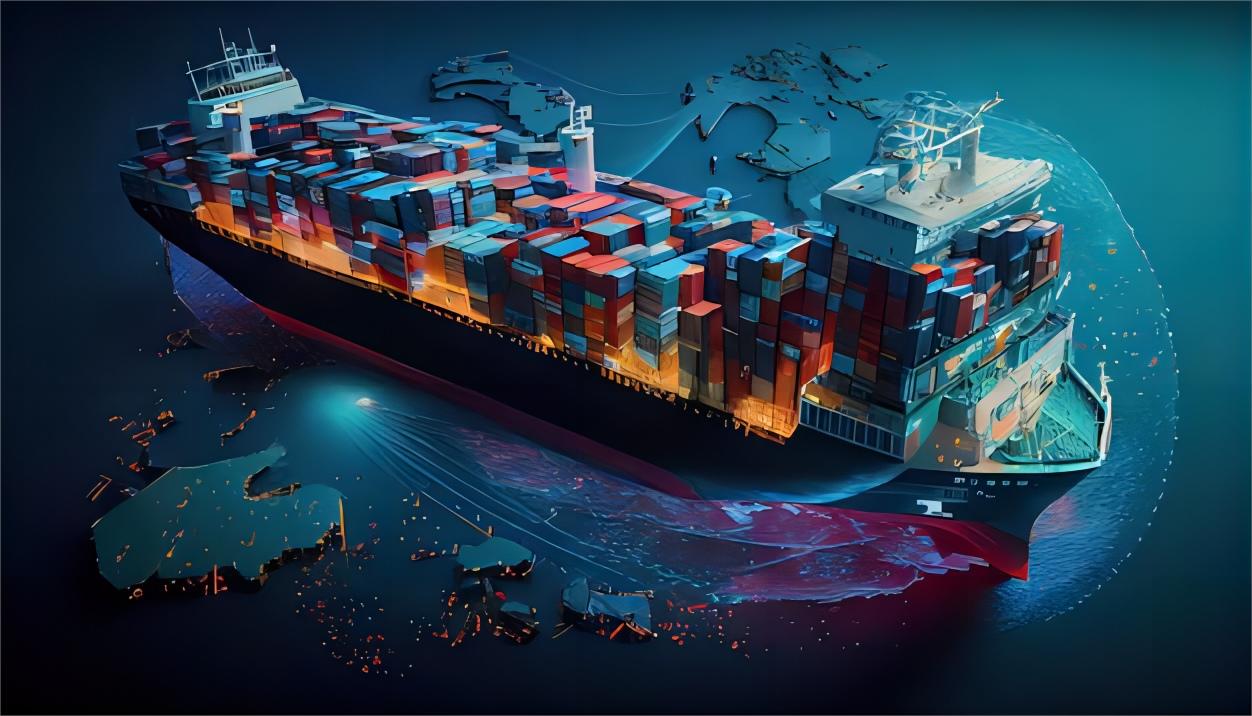
Managing supplier to warehouse shipping china requires a strategic approach to logistics to ensure your inventory arrives safely and on time. At China Freight Hub, we specialize in streamlining this complex process for global importers by providing reliable end-to-end solutions. This guide explores the essential steps, costs, and strategies for optimizing your international freight forwarding from Chinese factories to your local distribution centers.
✦
What is the Process for Supplier to Warehouse Shipping China?
Shipping goods from a factory in China to a destination warehouse involves several critical stages that must be synchronized perfectly. Initially, the process begins with cargo booking and coordination between your freight forwarder and the Chinese supplier. Furthermore, the supplier must prepare the goods for pickup or deliver them to the designated port of loading.
Consequently, the first physical step involves local trucking and export customs clearance within China. This stage ensures that all regulatory requirements are met before the cargo is loaded onto a vessel or aircraft. Additionally, selecting the right port, such as Shanghai, Ningbo, or Shenzhen, can significantly impact your overall transit time and costs.
Once the cargo departs, the international transit phase begins, which varies depending on the chosen mode of transport. Meanwhile, your logistics provider should provide real-time tracking to keep your supply chain informed. Finally, upon arrival at the destination port, the cargo undergoes import customs clearance before final delivery to your warehouse.
Choosing the Best Shipping Method for Your Cargo
Selecting the most appropriate transportation mode is vital for balancing speed and cost in your supply chain. For instance, sea freight remains the most popular choice for bulk shipments due to its cost-effectiveness. In contrast, businesses with urgent inventory needs often prioritize speed over expense.
Moreover, rail freight has emerged as a viable middle-ground solution for shipments moving from China to Europe. This method offers faster transit than the ocean but at a lower price point than air transport. Therefore, understanding the specific requirements of your cargo type is essential for making an informed decision.
Indeed, small parcel shipments or high-value electronics may benefit from express courier services. These services provide door to door logistics with minimal administrative burden for the importer. However, for large-scale inventory replenishment, containerized shipping remains the industry standard.
| Shipping Method | Cost Level | Transit Time | Best For |
|---|---|---|---|
| Sea Freight (FCL/LCL) | Low | 18-45 Days | Bulk Goods & Large Volumes |
| Air Freight | High | 3-8 Days | High-Value & Urgent Items |
| Rail Freight | Medium | 15-22 Days | China to Europe Shipments |
| Express Service | Very High | 2-5 Days | Samples & Small Parcels |

The Importance of Professional Customs Brokerage
Navigating the complexities of international trade regulations requires specialized knowledge and experience. Using a professional customs brokerage service can prevent costly delays and penalties at the border. Specifically, brokers ensure that all harmonized system codes are correctly applied to your inventory.
Additionally, accurate documentation is the backbone of successful supplier to warehouse shipping china operations. This includes the commercial invoice, packing list, and bill of lading, which must all match the physical cargo. Consequently, any discrepancies in these documents can lead to intensive inspections by customs authorities.
Furthermore, staying updated on changing tariffs and trade agreements is crucial for maintaining profit margins. As of 2026, many countries have implemented new environmental regulations that affect import duties. Therefore, having a dedicated partner to manage these details allows you to focus on core business growth.
Estimating Costs and Transit Times in 2026
Freight rates in 2026 have stabilized following previous market fluctuations, yet they remain sensitive to seasonal demand. For example, air freight rates typically spike during the fourth quarter due to holiday shopping peaks. Meanwhile, ocean container rates are influenced by global fuel prices and carrier capacity management.
In addition to the base freight rate, importers must account for ancillary charges like terminal handling and documentation fees. These origin and destination costs can add several hundred dollars to the total landed cost. Accordingly, requesting a comprehensive quote that includes all potential surcharges is highly recommended for budget accuracy.
Transit times also vary based on the specific route and port congestion levels. While direct routes to the US West Coast might take 16 days, shipments to the East Coast via the Panama Canal often require 30 days or more. Without a doubt, planning for these lead times is essential for maintaining consistent stock levels at your warehouse.
| Route | 20GP Container | 40HQ Container | Est. Transit |
|---|---|---|---|
| China to USA West Coast | $1,600 – $2,300 | $2,900 – $3,900 | 14-18 Days |
| China to USA East Coast | $2,600 – $3,600 | $4,600 – $6,100 | 30-35 Days |
| China to UK/Europe | $2,100 – $2,900 | $3,600 – $4,600 | 30-38 Days |
| China to Australia | $900 – $1,300 | $1,500 – $2,100 | 12-18 Days |
How Does Sea Freight Compare to Other Shipping Options?
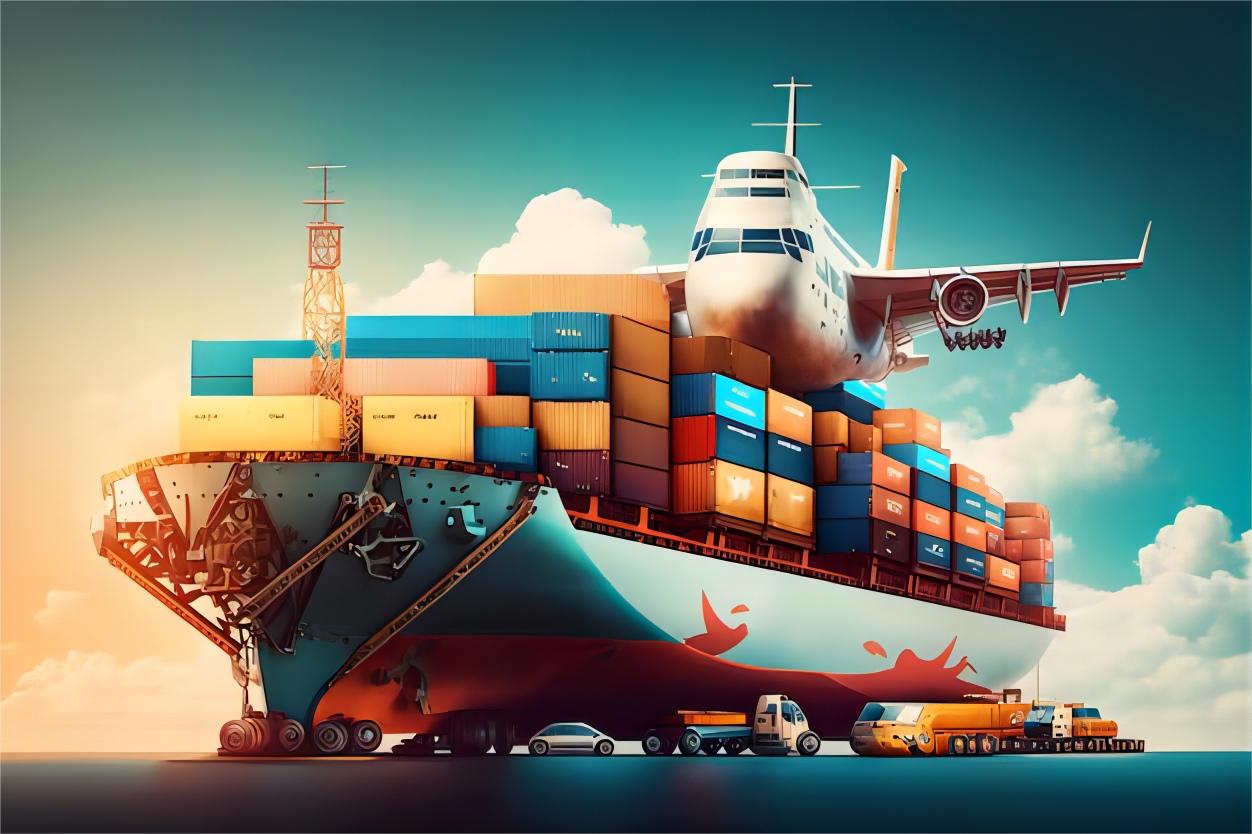
When evaluating supplier to warehouse shipping china strategies, sea freight is often compared against air and rail alternatives. While sea freight costs $3,000-$4,200 for a 40HQ to Europe, air freight for the same volume could exceed $20,000. However, the trade-off is a significantly longer transit time of approximately 35 days compared to just one week.
Furthermore, for shipments under 15 CBM, Less than Container Load (LCL) provides a flexible alternative to Full Container Load (FCL). This allows smaller businesses to benefit from ocean shipping rates without needing to fill an entire container. On the other hand, LCL shipments may experience slightly longer transit times due to the consolidation process.
Hybrid solutions like sea-air combinations are also gaining traction for their ability to balance cost and speed. These routes might involve ocean transport to a hub like Dubai, followed by air transport to the final destination. Consequently, these alternative strategies provide valuable options when traditional methods face capacity constraints.
| Method | Cost Range | Transit Time | Limitations |
|---|---|---|---|
| Sea Freight | $0.50 – $1.50/kg | 25-45 Days | Slowest Speed |
| Air Freight | $5.00 – $12.00/kg | 3-7 Days | High Cost |
| Rail Freight | $1.50 – $3.00/kg | 15-22 Days | Limited Routes |
| Sea-Air Hybrid | $2.50 – $5.00/kg | 12-18 Days | Complex Handling |
Case Study 1: Electronics from Shenzhen to Los Angeles
Case Study 1: High-Volume Consumer Electronics Distribution
Route: Shenzhen, China to Los Angeles, USA. Cargo: Consumer Electronics, 25 CBM, 4,500 kg. Container: 40GP. Carrier: Major Trans-Pacific Carrier. Port of Loading: Yantian. Port of Discharge: Los Angeles. Route Type: Direct.
Cost Breakdown: Ocean Freight: $3,150. Origin Charges: $450. Destination Charges: $600. Customs and Duties: $1,200. Total Landed Cost: $5,400. Timeline: Booking to Loading: 4 days. Sea Transit: 15 days. Customs Clearance: 2 days. Total Door-to-Door: 21 days.
Key Insight: By utilizing a direct route to Los Angeles, the client avoided transshipment delays, ensuring the product launch stayed on schedule. Based on Q1 2026 market rates, this shipment represented a highly efficient supply chain move.
Case Study 2: Apparel from Ningbo to Hamburg
Case Study 2: Seasonal Apparel Inventory Replenishment
Route: Ningbo, China to Hamburg, Germany. Cargo: Apparel, 12 CBM, 2,200 kg. Container: LCL. Carrier: Global Logistics Alliance. Port of Loading: Ningbo. Port of Discharge: Hamburg. Route Type: Transshipment via Singapore.
Cost Breakdown: Ocean Freight: $1,320. Origin Charges: $300. Destination Charges: $450. Customs and Duties: $850. Total Landed Cost: $2,920. Timeline: Booking to Loading: 5 days. Sea Transit: 32 days. Customs Clearance: 3 days. Total Door-to-Door: 40 days.
Key Insight: LCL was chosen to maintain inventory flow without the cost of a full container. Typical rates as of early 2026 show that LCL remains the best option for mid-sized apparel brands.
Which Option Should You Choose?
Determining the best logistics strategy depends on your specific business priorities and cargo characteristics. If budget is your primary concern, sea freight is undoubtedly the most economical choice for large volumes. Specifically, Amazon FBA sellers often utilize this method to maximize their profit margins.
On the other hand, if speed is the priority, air freight or express services are necessary to meet tight deadlines. For instance, launching a new product or replenishing out-of-stock items requires the rapid turnaround that only flight transport can provide. Additionally, consider door to door services to simplify the entire management process.
Finally, cargo type plays a significant role in the decision-making framework. Perishable goods or high-value jewelry require specialized handling and faster transit to minimize risk. Meanwhile, durable goods like furniture or machinery are better suited for the longer, more stable environment of ocean containers.
Final Thoughts on Shipping from China
In summary, successful supplier to warehouse shipping china relies on a combination of careful planning, reliable partners, and the right transportation mode. By understanding the costs, transit times, and customs requirements, you can build a resilient supply chain that supports your business goals. Whether you choose sea, air, or rail, the key is to remain adaptable to market trends and regulatory changes.
Ultimately, working with an experienced freight forwarder like China Freight Hub ensures that your cargo is in safe hands. We provide the visibility and expertise needed to navigate the global shipping landscape efficiently. Start optimizing your logistics today to ensure your inventory is always where it needs to be.
