

Shipping from China to Amazon FBA UK: The 2026 Logistics Guide
Shipping from China to Amazon FBA UK represents a significant opportunity for e-commerce businesses looking to tap into the vibrant British market. Navigating the logistical hurdles of international trade requires precision, timing, and a reliable partner to manage the movement of goods across continents. By utilizing the expertise of China Freight Hub, sellers can simplify their supply chain and focus on high-level business growth. Success in this arena depends on selecting the right freight method and understanding the nuances of UK customs regulations in 2026.
Why Professional Logistics Matter for Amazon FBA UK
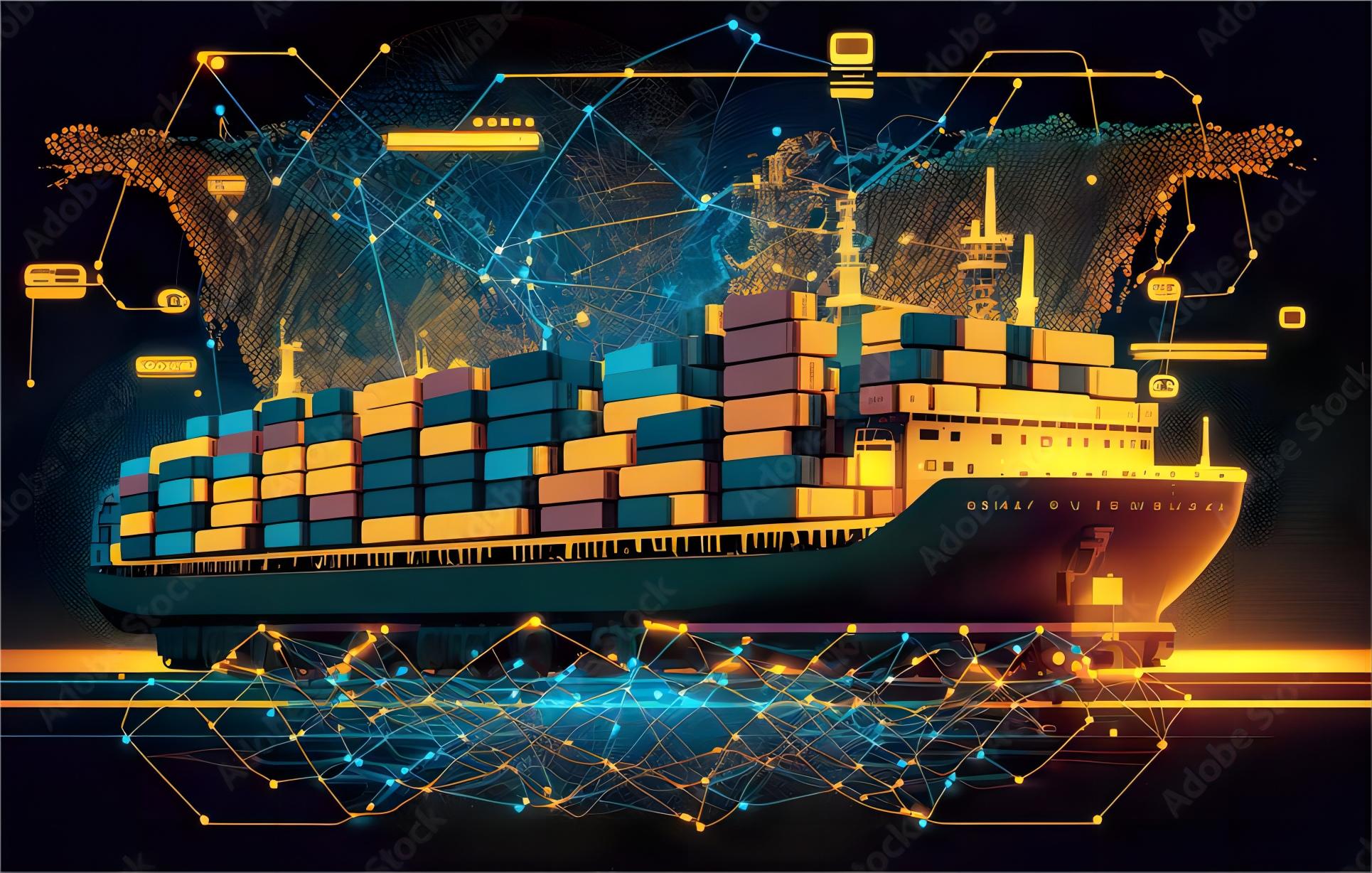
Establishing a robust presence on the UK marketplace starts with a seamless Amazon FBA strategy. Sellers must adhere to strict packaging and labeling requirements to avoid rejection at the fulfillment center. Furthermore, choosing a freight forwarder who understands these specific Amazon standards is essential for maintaining a healthy seller account. Consequently, many successful entrepreneurs prioritize specialized logistics providers who can handle the final mile delivery to UK warehouses with precision.
Managing the supply chain effectively involves more than just moving boxes from point A to point B. It requires a deep understanding of transit times and potential bottlenecks at major ports like Felixstowe or Southampton. Moreover, the landscape of global trade continues to evolve, making real-time tracking and proactive communication vital components of modern shipping. Therefore, investing in professional logistics services is not just a cost but a strategic advantage for your business.
Comparing Air and Sea Freight for UK FBA Shipments
Choosing between sea freight and air freight depends largely on your budget and inventory turnover requirements. Sea freight remains the most economical choice for large volumes, though it requires longer lead times of approximately 30 to 40 days. In contrast, air freight is the gold standard for speed, allowing sellers to restock popular items in less than two weeks. Ultimately, a balanced approach often yields the best results for a growing Amazon business.
Freight rates in 2026 have shown relative stability compared to previous years, yet seasonal fluctuations still occur. During peak periods such as the lead-up to the holidays, air freight costs can spike significantly due to increased demand. Meanwhile, sea freight offers more predictable pricing for those who can plan their inventory months in advance. Specifically, large-scale sellers often utilize sea freight for their core stock while keeping air freight as a backup for emergency replenishments.
| Shipping Method | Transit Time | Cost Level | Best For |
|---|---|---|---|
| Air Freight | 5-9 Days | High | Urgent inventory |
| Sea Freight (FCL) | 30-38 Days | Low | Bulk shipments |
| Sea Freight (LCL) | 35-42 Days | Moderate | Small volumes |
| Rail Freight | 18-25 Days | Medium | Mid-sized loads |
The Benefits of Rail Freight to the United Kingdom
For those seeking a middle ground, rail freight offers a compelling alternative to more traditional methods. This mode of transport provides faster transit times than sea freight while remaining significantly cheaper than air transport. Additionally, rail routes from China to the UK have become more reliable in 2026, offering a sustainable option for eco-conscious brands. Consequently, this method is gaining popularity among sellers moving high-value consumer goods that need a quicker turnaround than the ocean can provide.
Reliability is a major factor when considering rail logistics for your Amazon business. Fixed schedules and fewer weather-related delays make rail a predictable choice for maintaining consistent stock levels. Furthermore, the environmental impact of rail is considerably lower than air freight, which appeals to the growing segment of sustainable shoppers in the UK. Indeed, integrating rail into your logistics mix can provide both operational efficiency and marketing benefits.
How Does Sea Freight Compare to Other Shipping Options?
Analyzing the cost-benefit ratio of different shipping modes is essential for maximizing your profit margins. While sea freight offers the lowest per-unit cost, the capital tie-up during the long transit period must be considered. On the other hand, faster methods like air or rail allow for quicker reinvestment of capital into new inventory. For instance, a shipment of electronics might justify the cost of air freight due to high value and rapid obsolescence, whereas bulky furniture is strictly suited for sea transport.
Hybrid solutions such as sea-air combinations have also emerged as a viable strategy for 2026. These services involve shipping goods by sea to a hub like Dubai and then flying them to the UK, cutting transit time in half compared to pure sea freight. Additionally, this approach can save up to 40 percent on costs compared to direct air freight. Therefore, savvy sellers often explore these alternative strategies to optimize their landed costs and delivery schedules.
| Method | Cost Range (2026) | Transit Time | Limitations |
|---|---|---|---|
| Sea (40HQ) | $3,500 – $4,500 | 30-38 Days | Long lead time |
| Air (1000kg) | $4,500 – $6,500 | 5-9 Days | Expensive |
| Rail (10 CBM) | $1,800 – $2,500 | 18-25 Days | Capacity limits |
Navigating Customs Brokerage and VAT Compliance
Utilizing a professional customs brokerage service is vital for avoiding delays at the UK border. Since the implementation of new trade rules, having a valid EORI number and understanding Postponed VAT Accounting (PVA) has become mandatory for efficient clearance. Moreover, incorrect documentation can lead to significant storage fees at the port. Therefore, ensuring your paperwork is meticulously prepared is a non-negotiable step in the shipping process.
Documentation requirements for the UK include the commercial invoice, packing list, and bill of lading. Additionally, for Amazon FBA shipments, specific labeling and palletization rules must be followed to ensure acceptance at the warehouse. Specifically, failure to comply with these regulations can result in shipments being returned to the sender at the seller’s expense. Consequently, working with a logistics partner who double-checks all compliance details is a wise investment for long-term success.

Which Shipping Option Should You Choose for Your Business?
Budget priority dictates that sea freight is the primary choice for most established sellers. If your business model relies on high-volume, low-margin products, the cost savings of ocean transport are indispensable. However, if you are launching a new product and need to test the market quickly, air freight provides the necessary speed to react to customer demand. Meanwhile, rail freight serves as an excellent buffer for mid-tier products that require a balance of speed and economy.
Volume thresholds also play a role in your decision-making process. For shipments under 15 CBM, Less than Container Load (LCL) is often the most cost-effective sea freight option. Conversely, once you exceed 15 CBM, booking a Full Container Load (FCL) usually becomes more economical and reduces the risk of damage during handling. Ultimately, your choice should align with your inventory turnover rate and available working capital.
| Priority | Recommended Method | Key Reason | Alternative |
|---|---|---|---|
| Low Cost | Sea Freight | Best economies of scale | Rail Freight |
| Maximum Speed | Air Freight | Fastest delivery | Sea-Air Hybrid |
| Sustainability | Rail Freight | Lower carbon footprint | Sea Freight |
Real Case Studies: Successful UK FBA Shipments
Case Study 1: LCL Electronics Shipment. Route: Shenzhen, China to London, UK. Cargo: Consumer Electronics, 5 CBM, 1200 kg. Container: LCL. Shipping Details: Carrier: Major carrier; Port of Loading: Shenzhen; Port of Discharge: Southampton; Route Type: Direct. Cost Breakdown: Ocean Freight: $450; Origin Charges: $150; Destination Charges: $200; Customs and Duties: $350; Total Landed Cost: $1,150. Timeline: Booking to Loading: 3 days; Sea Transit: 32 days; Customs Clearance: 2 days; Total Door-to-Door: 42 days. Key Insight: Consolidated LCL shipping provided the best balance of cost and speed for this mid-sized volume in early 2026.
Case Study 2: FCL Home Decor Shipment. Route: Ningbo, China to Felixstowe, UK. Cargo: Wooden Home Decor, 68 CBM, 15000 kg. Container: 40HQ. Shipping Details: Carrier: COSCO; Port of Loading: Ningbo; Port of Discharge: Felixstowe; Route Type: Direct. Cost Breakdown: Ocean Freight: $4,200; Origin Charges: $300; Destination Charges: $500; Customs and Duties: $1,200; Total Landed Cost: $6,200. Timeline: Booking to Loading: 5 days; Sea Transit: 35 days; Customs Clearance: 3 days; Total Door-to-Door: 48 days. Key Insight: Utilizing a 40HQ container maximized the volume efficiency, reducing the per-unit shipping cost to its lowest possible level.
Case Study 3: Urgent Air Freight Restock. Route: Shanghai, China to Heathrow, UK. Cargo: Apparel, 2 CBM, 400 kg. Shipping Details: Carrier: Air China Cargo; Port of Loading: Shanghai Pudong; Port of Discharge: London Heathrow. Cost Breakdown: Air Freight: $2,200; Customs and Duties: $600; Total Landed Cost: $2,800. Timeline: Booking to Loading: 1 day; Air Transit: 2 days; Customs Clearance: 1 day; Total Door-to-Door: 7 days. Key Insight: Air freight saved the seller from a potential out-of-stock situation during a high-traffic sales event in Q2 2026.
Mastering Your UK FBA Supply Chain
Successfully shipping from China to Amazon FBA UK requires a strategic combination of the right transport mode, meticulous documentation, and reliable partners. Whether you choose the speed of air freight or the economy of sea freight, understanding the 2026 market landscape is essential for maintaining competitive margins. By planning ahead and staying compliant with UK customs, you can ensure a steady flow of inventory to your customers.
Logistics should be a tool for growth rather than a source of stress. Continuous monitoring of freight trends and adapting your strategy to seasonal changes will keep your business resilient. Ultimately, the goal is to create a predictable and efficient path for your products to reach the UK market, allowing you to focus on what matters most: selling and growing your brand.
Need a tailored shipping solution?
Optimizing your supply chain is the key to scaling your Amazon business in the UK. Contact China Freight Hub today to receive a customized quote for shipping from China to Amazon FBA UK and let our experts handle your logistics from factory to warehouse. Visit our website to learn more about our comprehensive freight solutions.
