

Freight Quote from China to Europe: 2026 Shipping Rates and Guide
Obtaining a precise freight quote from china to europe is the first step toward building a resilient and cost-effective international supply chain in 2026. As global trade dynamics continue to shift, businesses must navigate fluctuating fuel surcharges and evolving carrier capacities to maintain their margins. By partnering with China Freight Hub, you gain access to real-time market intelligence and competitive pricing tailored to your specific logistical needs. This comprehensive guide explores the various shipping methods, current market trends, and essential strategies to ensure your cargo arrives safely and efficiently across the European continent.

How to Analyze a Freight Quote from China to Europe in 2026
Understanding the components of a modern shipping estimate is crucial for avoiding hidden fees that can unexpectedly inflate your landed costs. A standard quote typically includes the base ocean or air freight rate, but you must also account for terminal handling charges, documentation fees, and fuel adjustment factors. Furthermore, the 2026 market has seen a rise in environmental surcharges as carriers transition to greener fuels, making it essential to verify if these are included in your initial price.
Consequently, shippers should always request a breakdown of both origin and destination charges to ensure a complete door-to-door perspective. For example, local trucking costs in China and final-mile delivery in Europe can vary significantly based on the proximity to major logistics hubs. Indeed, a transparent quote allows you to compare different providers accurately and identify where potential savings can be achieved through better consolidation or route optimization.

Comparing Sea Freight Options: FCL vs LCL
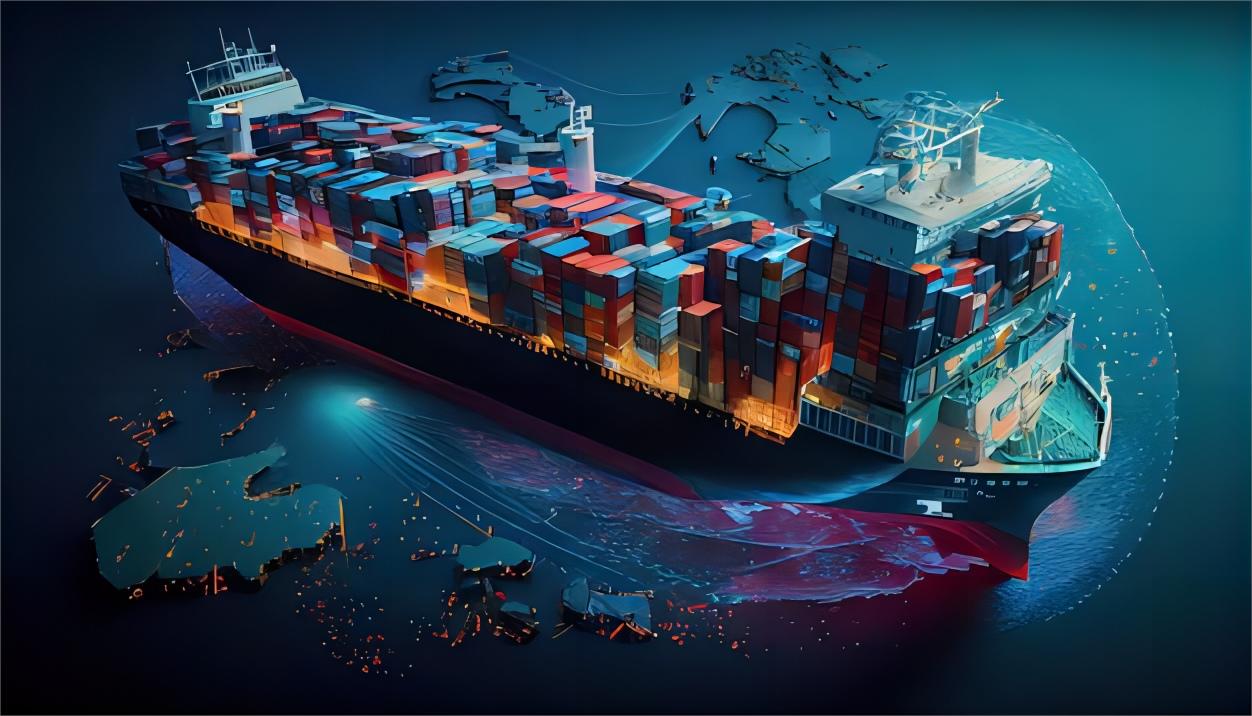
Sea freight remains the backbone of trade between Asia and Europe, offering the most economical solution for high-volume shipments. When you request a sea freight quote, you will primarily choose between Full Container Load (FCL) and Less than Container Load (LCL) services. FCL is generally preferred for shipments exceeding 15 cubic meters, as it provides a dedicated space and reduces the risk of damage during handling.
On the other hand, LCL is an excellent alternative for smaller batches, allowing multiple shippers to share container space and split the costs accordingly. However, LCL shipments often involve longer transit times due to the consolidation and deconsolidation processes required at the ports. Therefore, businesses must weigh the cost savings of LCL against the speed and security benefits of FCL when planning their inventory cycles for the 2026 fiscal year.
How Does Sea Freight Compare to Other Shipping Options?
Selecting the right transportation mode involves a delicate balance between budget constraints and delivery deadlines. While sea freight offers the lowest price per unit, it requires significant lead times that may not suit time-sensitive product launches. Meanwhile, rail and air alternatives provide varying degrees of speed and reliability that can serve as vital components of a diversified logistics strategy.
For instance, rail freight has emerged as a middle-ground solution, offering faster delivery than sea freight at a fraction of the cost of air transport. Without a doubt, the choice depends on your cargo’s value, weight, and urgency. The following table provides a clear comparison of the primary shipping methods available for the China to Europe route in 2026.
| Shipping Method | Cost Range (40HQ/kg) | Transit Time | Best For |
|---|---|---|---|
| Sea Freight (FCL) | $3,000 – $4,200 | 30 – 40 Days | Bulk goods, low urgency |
| Rail Freight | $4,500 – $6,000 | 18 – 22 Days | Medium value, balanced speed |
| Air Freight | $4.50 – $7.50 /kg | 5 – 8 Days | High value, electronics |
| Express Service | $8.00 – $12.00 /kg | 3 – 5 Days | Samples, urgent documents |
The Efficiency of Rail Freight Services in 2026
Rail logistics have seen substantial infrastructure investments over the past year, leading to improved reliability and expanded destination networks across Europe. Utilizing rail freight is particularly advantageous for companies shipping from inland Chinese cities like Chengdu or Xi’an directly to European hubs like Duisburg or Warsaw. As a result, transit times have stabilized, making rail a predictable alternative to the often-congested maritime routes.
Moreover, the environmental impact of rail transport is significantly lower than air freight, aligning with the growing corporate focus on sustainability. Nevertheless, it is important to monitor the geopolitical landscape, as route availability can be influenced by regional stability. For many businesses, rail serves as the perfect contingency plan when sea freight schedules are disrupted or air cargo prices become prohibitively expensive.
Air Freight: When Speed Justifies the Cost
Urgent shipments and high-value commodities often necessitate the speed of air freight to meet tight market demands. Although the cost per kilogram is substantially higher than other modes, the reduction in inventory carrying costs and the ability to respond quickly to market trends can justify the expense. In 2026, air cargo capacity has expanded with new freighter routes, yet prices remain sensitive to seasonal peaks and fuel price volatility.
Additionally, air transport offers the highest level of security and the lowest risk of cargo damage, which is critical for sensitive electronics or pharmaceuticals. To summarize, while air freight should be used selectively, it remains an indispensable tool for maintaining a competitive edge in fast-moving industries. Shippers should always compare multiple airline quotes to find the best balance between flight frequency and total transportation cost.
Which Option Should You Choose for Your Business?
Determining the optimal shipping method requires a clear understanding of your business priorities and cargo characteristics. If your primary goal is cost minimization for non-perishable goods, sea freight is the undisputed leader. However, if you are managing a lean supply chain with frequent stock turnovers, the speed of rail or air might provide a better return on investment despite the higher initial quote.
Furthermore, consider the benefits of door to door logistics services, which simplify the process by handling everything from the factory floor in China to your warehouse in Europe. This integrated approach reduces the administrative burden and minimizes the risk of communication gaps between different service providers. By evaluating your volume thresholds and delivery requirements, you can select a strategy that maximizes efficiency and profitability.
Essential Customs Documentation for European Imports
Navigating the complexities of European customs is a critical step in ensuring your freight quote from china to europe translates into a successful delivery. Every shipment must be accompanied by a commercial invoice, a detailed packing list, and a bill of lading or airway bill. Additionally, specialized products may require certificates of origin or compliance documents to meet stringent EU safety and environmental standards.
Indeed, partnering with a professional customs brokerage can prevent costly delays and fines at the border. Professional brokers stay updated on the latest tariff changes and VAT regulations, ensuring that your cargo is classified correctly under the Harmonized System (HS) codes. Consequently, investing in expert customs support is often more cost-effective than dealing with the repercussions of documentation errors or non-compliance.
Note: Freight rates are subject to change based on fuel costs, carrier capacity, and seasonal demand. Contact us for a current quote tailored to your specific shipment.
Real-World Logistics Scenarios: Case Studies
Case Study 1: Electronics from Shenzhen to Warsaw
Route: Shenzhen, China to Warsaw, Poland. Cargo: Consumer Electronics, 12 CBM, 2,800 kg. Method: Rail Freight (LCL).
Shipping Details: Major rail carrier via Xi’an terminal. Port of Loading: Shenzhen (trucked to Xi’an). Port of Discharge: Warsaw Terminal. Route Type: Direct Rail.
Cost Breakdown: Rail Freight: $2,450. Origin Charges: $350. Destination Charges: $420. Customs and Duties: $1,200. Total Landed Cost: $4,420.
Timeline: Booking to Loading: 3 days. Rail Transit: 19 days. Customs Clearance: 2 days. Total Door-to-Door: 24 days. Key Insight: Rail provided a 15-day saving over sea freight at a manageable price point for high-value electronics.
Case Study 2: Home Furniture from Ningbo to Rotterdam
Route: Ningbo, China to Rotterdam, Netherlands. Cargo: Flat-pack Furniture, 68 CBM. Container: 40HQ. Method: Sea Freight (FCL).
Shipping Details: Carrier: COSCO. Port of Loading: Ningbo-Zhoushan. Port of Discharge: Rotterdam. Route Type: Direct via Suez Canal.
Cost Breakdown: Ocean Freight: $3,850. Origin Charges: $450. Destination Charges: $580. Customs and Duties: $950. Total Landed Cost: $5,830.
Timeline: Booking to Loading: 5 days. Sea Transit: 34 days. Customs Clearance: 3 days. Total Door-to-Door: 42 days. Key Insight: FCL sea freight offered the lowest per-unit cost for this high-volume, low-urgency shipment.

Strategies to Reduce Your International Shipping Costs
Implementing cost-saving strategies can significantly impact your bottom line when managing regular imports from China. One effective method is to consolidate multiple small orders into a single FCL shipment, which typically offers a lower rate per cubic meter than LCL. Moreover, planning your shipments well in advance allows you to avoid the premium prices associated with last-minute bookings during peak seasons.
Another approach involves optimizing your packaging to reduce wasted space and total weight, which directly influences both air and sea freight quotes. Furthermore, negotiating long-term contracts with freight forwarders can provide price stability in a volatile market. By staying informed about logistics trends and maintaining flexibility in your routing, you can effectively manage your shipping budget and enhance your supply chain resilience.
Mastering Your Logistics Strategy for 2026
Successfully managing your international trade requires more than just finding the lowest price; it demands a strategic approach to selecting the right partners and transportation modes. As we have explored, obtaining a comprehensive freight quote from china to europe involves evaluating sea, rail, and air options based on your specific needs for speed, cost, and reliability. By understanding the market dynamics of 2026 and implementing the strategies discussed, you can navigate the complexities of global shipping with confidence.
Indeed, the right logistics strategy will not only reduce your costs but also improve your delivery performance and customer satisfaction. Whether you choose the efficiency of rail, the economy of sea, or the speed of air, staying informed and proactive is the key to success. Start planning your next shipment today to ensure your business remains competitive in the ever-evolving European market.
Need a tailored shipping solution?
Ready to optimize your supply chain and secure a competitive freight quote from china to europe for your next shipment? Contact our expert logistics team at China Freight Hub today to receive a personalized consultation and a transparent, all-inclusive pricing estimate. Visit our website to start your inquiry and experience seamless international shipping tailored to your business goals.