

Freight Services from China: The 2026 Comprehensive Logistics Guide
Navigating the complexities of freight services from China requires a deep understanding of the modern logistics landscape to ensure your business remains competitive in 2026. Therefore, partnering with a reliable logistics provider like China Freight Hub is essential for managing your international supply chain efficiently. This guide explores the various shipping methods, current market rates, and strategic approaches needed to optimize your cargo movements from Chinese manufacturing hubs to global destinations.
What are the Primary Types of Freight Services from China?
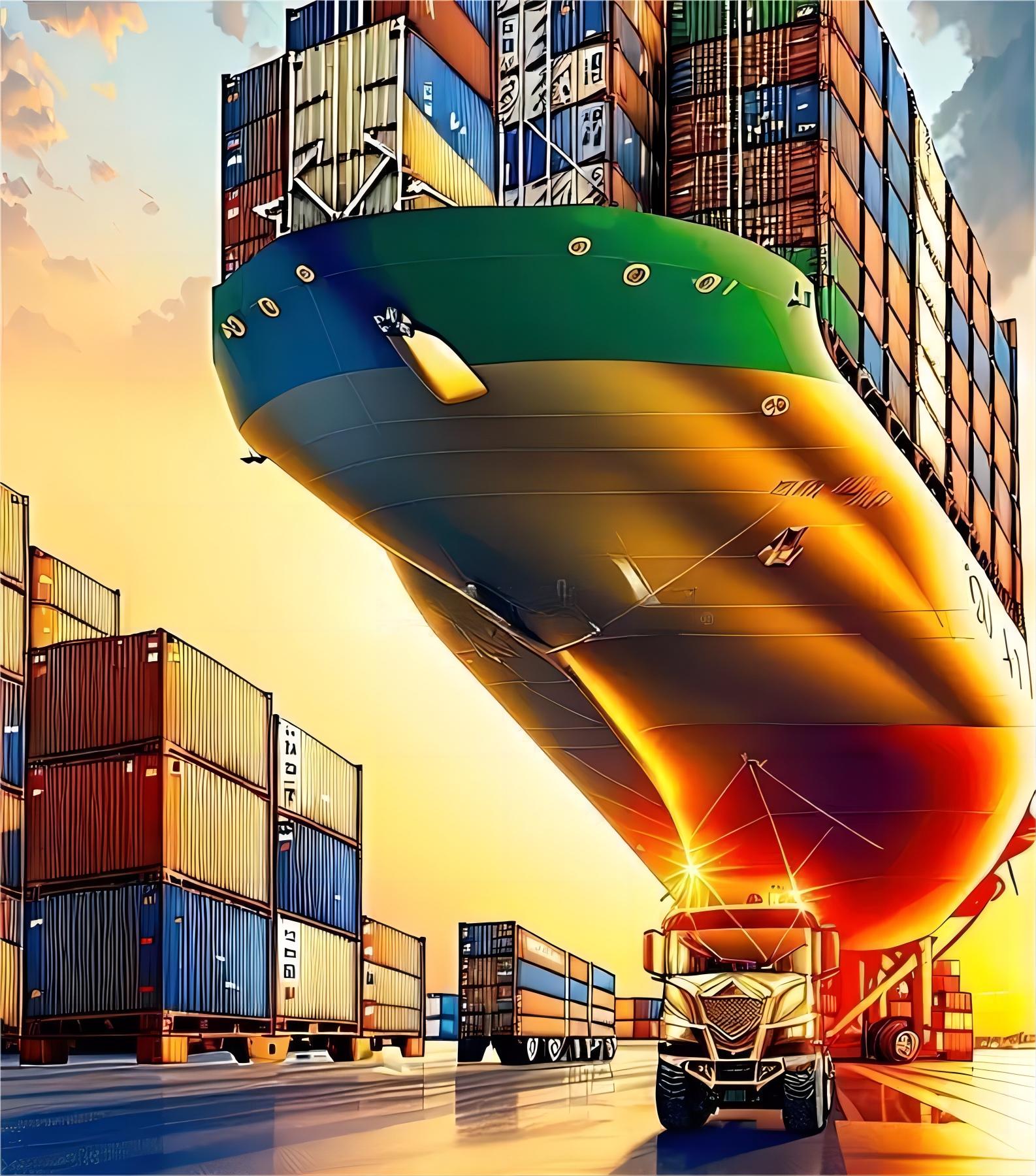
Understanding the diverse range of available shipping methods is the first step in building a resilient supply chain. Businesses typically choose between ocean, air, and land-based transport depending on their specific budget and timeline requirements. Furthermore, each method offers distinct advantages regarding cargo capacity and overall shipping costs.
Moreover, the 2026 logistics market has seen a significant shift toward integrated digital tracking and greener transport solutions. Consequently, importers must evaluate not only the speed of delivery but also the reliability of the carrier and the environmental impact of their chosen route. Specifically, choosing the right method can reduce lead times by up to thirty percent if managed correctly.
How Does Sea Freight Compare to Other Shipping Options?
Historically, sea freight remains the most cost-effective solution for transporting large volumes of goods across long distances. Although transit times are longer compared to air travel, the ability to ship massive quantities in 20GP or 40HQ containers provides unmatched economies of scale. In addition, sea transport is ideal for heavy machinery, bulk raw materials, and non-perishable consumer goods.
To illustrate the differences, consider the following comparison of the most common shipping modes used in international trade today. While air freight offers speed, sea freight provides the necessary volume for high-capacity retail operations. Furthermore, rail freight has emerged as a middle-ground solution for transcontinental routes between Asia and Europe.
| Shipping Method | Cost Range | Transit Time | Best For |
|---|---|---|---|
| Sea Freight | 1,500 – 6,000 USD | 14 – 45 Days | Bulk Shipments |
| Air Freight | 5.00 – 12.00 USD/kg | 3 – 7 Days | High Value Goods |
| Rail Freight | 2,000 – 4,500 USD | 18 – 25 Days | Mid-range Budget |
| Express | 8.00 – 20.00 USD/kg | 2 – 5 Days | Urgent Samples |

Why Air Freight is Essential for Time-Sensitive Shipments
Reliability and speed define the value of air freight in the modern global economy. When dealing with high-value electronics or seasonal fashion items, the higher shipping costs are often justified by the rapid delivery schedule. Consequently, many businesses utilize air cargo to maintain low inventory levels and respond quickly to market fluctuations.
Additionally, the security protocols associated with air transport reduce the risk of theft or damage during transit. Because of the shorter handling times at airports compared to seaports, cargo remains in a controlled environment for a greater portion of its journey. Therefore, air services are the preferred choice for medical supplies and sensitive technological components.
The Rise of Rail Freight Services from China to Europe
Innovative logistics strategies have popularized rail freight as a viable alternative for shipments destined for the European market. Since the expansion of the trans-Eurasian rail networks, transit times have stabilized between eighteen and twenty-two days. This makes rail significantly faster than sea transport while remaining much more affordable than air cargo.
However, it is important to note that rail freight is geographically limited to land-based routes. For instance, while it is an excellent choice for Europe, it is not a feasible option for shipments going to North America or Australia. Nevertheless, for businesses operating in Poland, Germany, or France, rail offers a balanced logistics solution that supports consistent inventory replenishment.
Navigating Customs Brokerage and Import Regulations in 2026
Managing the complexities of international trade requires expert customs brokerage to avoid costly delays at the border. As of early 2026, customs regulations have become more stringent regarding product safety and environmental compliance. Consequently, ensuring that all documentation is accurate and submitted on time is critical for a smooth delivery process.
Specifically, importers must be aware of the Harmonized System codes and any applicable anti-dumping duties that might affect their total landed cost. Professional freight forwarders provide the necessary guidance to navigate these legal requirements effectively. In fact, a single error in documentation can result in port storage fees that quickly erode your profit margins.

Optimizing Amazon FBA Shipments from China
E-commerce sellers frequently rely on specialized Amazon FBA logistics to streamline their fulfillment processes. These services include labeling, palletizing, and direct delivery to Amazon warehouses across the globe. By outsourcing these tasks, sellers can focus on marketing and product development while the logistics provider handles the heavy lifting.
Furthermore, using a dedicated FBA service ensures that your inventory meets Amazon’s strict receiving requirements. This reduces the risk of rejected shipments and ensures that your products are available for sale as quickly as possible. Transitioning to an integrated FBA freight solution often results in more predictable shipping costs and improved customer satisfaction scores.
Regional Focus: Shipping to North America and Australia
Expanding your reach into North America involves navigating major ports like Los Angeles, Long Beach, and New York. Due to the high volume of trade on these trans-Pacific routes, port congestion can occasionally impact delivery schedules. Therefore, booking your shipments at least three to four weeks in advance is highly recommended during peak seasons.
In contrast, shipping to Australia offers shorter transit times from Chinese ports such as Shenzhen and Ningbo. While the Australian market is smaller, the demand for high-quality consumer goods remains strong. Businesses should consider the specific biosecurity requirements of Australia to ensure their cargo clears customs without intervention.
| Destination | 20GP Rate | 40HQ Rate | Transit Time |
|---|---|---|---|
| USA West Coast | 1,500 – 2,200 USD | 2,800 – 3,800 USD | 14 – 18 Days |
| USA East Coast | 2,500 – 3,500 USD | 4,500 – 6,000 USD | 30 – 35 Days |
| Australia | 800 – 1,200 USD | 1,400 – 2,000 USD | 12 – 18 Days |
| UK / Europe | 1,800 – 2,500 USD | 3,000 – 4,200 USD | 30 – 38 Days |
Which Option Should You Choose? A Decision Framework
Choosing the right freight services from China depends on a careful analysis of your business priorities and cargo characteristics. If your primary goal is to minimize costs and your timeline is flexible, sea freight is the logical choice. However, if you are launching a new product and need it in stock immediately, air freight or express services are necessary.
Businesses should also consider hybrid solutions like sea-air or rail-sea combinations to optimize both cost and speed. For instance, shipping by sea to a regional hub and then by air to the final destination can save significant time compared to a full sea route. Always evaluate the total landed cost, including insurance and terminal handling charges, before making a final decision.
Real Case Studies: Successful Logistics Operations in 2026
Case Study 1: Electronics from Shenzhen to Hamburg. Cargo: Consumer Electronics, 25 CBM, 5000 kg. Container: 40HQ. Shipping Method: Sea Freight via COSCO. Port of Loading: Shenzhen. Port of Discharge: Hamburg. Route Type: Direct. Ocean Freight: 3,200 USD. Origin Charges: 400 USD. Destination Charges: 550 USD. Customs: 300 USD. Total Landed Cost: 4,450 USD. Timeline: 32 days door-to-door. Key Insight: Direct routing avoided 2025-era transshipment delays.
Case Study 2: Apparel from Shanghai to Los Angeles. Cargo: Textiles, 12 CBM, 2000 kg. Container: LCL. Shipping Method: Sea Freight via Maersk. Port of Loading: Shanghai. Port of Discharge: Los Angeles. Route Type: Direct. Ocean Freight: 1,150 USD. Origin Charges: 250 USD. Destination Charges: 350 USD. Customs: 200 USD. Total Landed Cost: 1,950 USD. Timeline: 18 days door-to-door. Key Insight: Consolidating LCL shipments reduced costs by 15 percent compared to air.
Case Study 3: Furniture from Ningbo to Sydney. Cargo: Home Decor, 30 CBM, 6000 kg. Container: 20GP. Shipping Method: Sea Freight via MSC. Port of Loading: Ningbo. Port of Discharge: Sydney. Route Type: Direct. Ocean Freight: 1,100 USD. Origin Charges: 300 USD. Destination Charges: 450 USD. Customs: 250 USD. Total Landed Cost: 2,100 USD. Timeline: 15 days door-to-door. Key Insight: Efficient customs brokerage ensured 24-hour clearance upon arrival.

Strategic Success with Freight Services from China
Mastering the various freight services from China is fundamental for any business looking to succeed in the global marketplace of 2026. By understanding the trade-offs between speed, cost, and reliability, you can make informed decisions that protect your profit margins. Whether you require massive container shipping or rapid air cargo delivery, the right logistics strategy will provide a significant competitive advantage.
Indeed, the landscape of international trade is constantly evolving, making expert guidance more valuable than ever. Always remember to factor in seasonal trends and current market rates when planning your shipments. With the right partner and a clear decision framework, your business can navigate the complexities of Chinese exports with confidence and efficiency.
Need a tailored shipping solution?
Ready to optimize your supply chain with professional freight services from China? Contact our expert team today to receive a customized quote and streamline your international logistics operations. Visit our inquiry page to start your journey: Send Inquiry.