
Global Freight Forwarding China: 2026 Logistics Strategy Guide
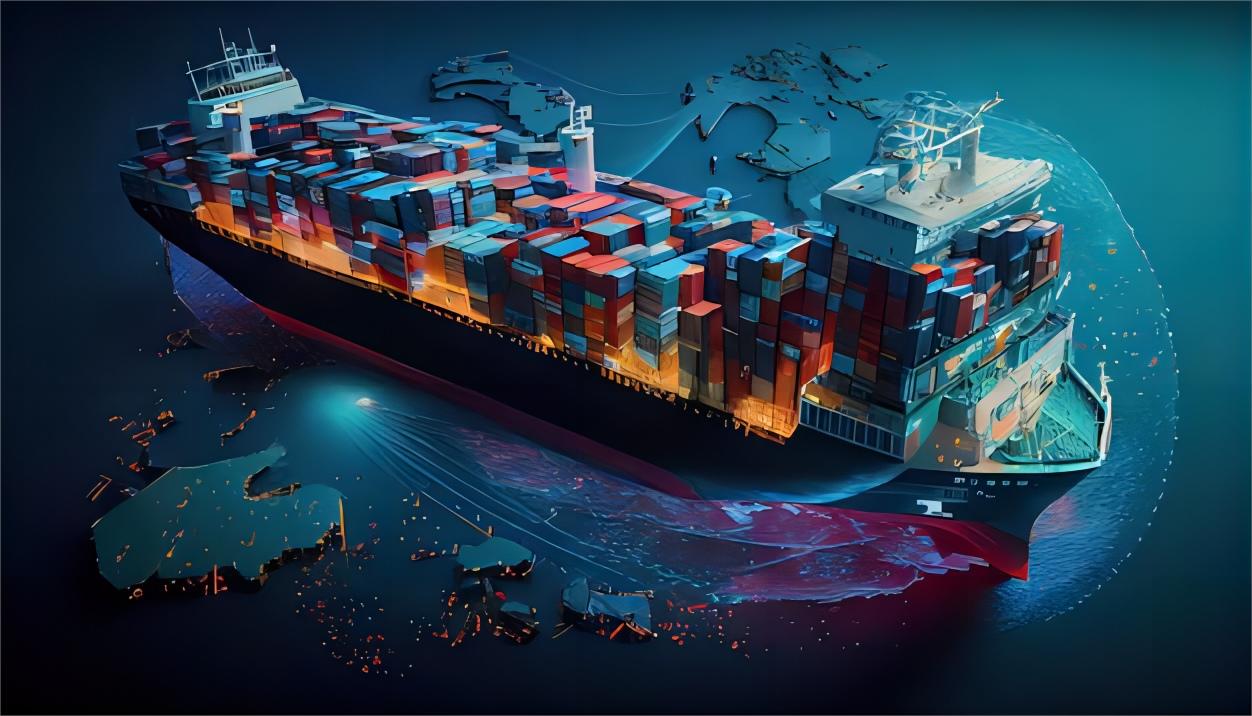
Managing global freight forwarding China effectively has become the cornerstone of successful international trade in 2026. Businesses worldwide face complex logistics challenges, ranging from shifting freight rates to evolving customs regulations that require expert navigation. At China Freight Hub, we provide the comprehensive support needed to streamline your entire supply chain and reduce operational overhead. This guide explores the essential strategies for optimizing your cargo movements from Chinese manufacturing hubs to global destinations.
✦
What is Global Freight Forwarding China and Why Does It Matter?
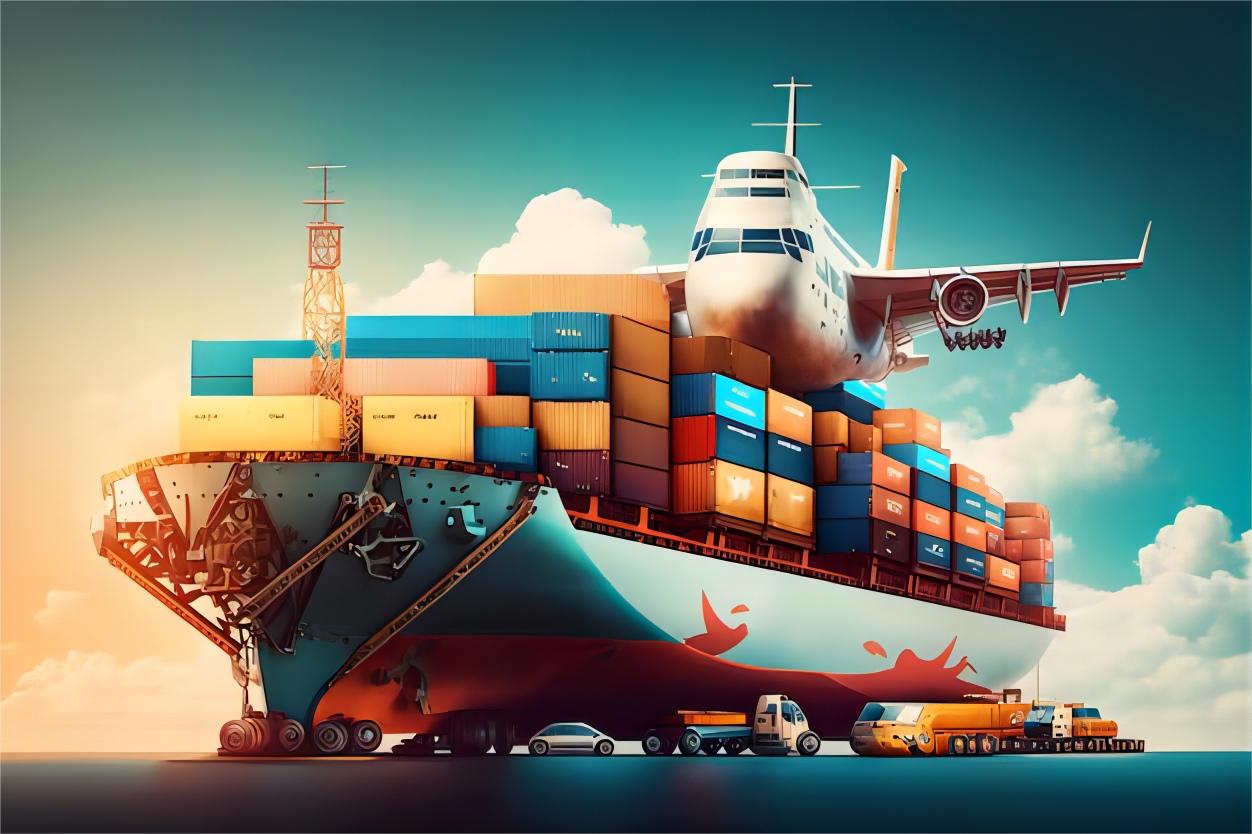
Global freight forwarding China involves the strategic coordination and shipment of goods from Chinese ports to international markets. Consequently, forwarders act as intermediaries between shippers and various transportation services such as ocean carriers, airlines, and trucking companies.

Furthermore, the landscape of international logistics solutions has transformed significantly by early 2026. Companies now prioritize resilience and visibility over simple cost-cutting measures to ensure delivery schedule reliability.
Moreover, a professional forwarder manages the intricate details of cargo handling and documentation. Therefore, partnering with an experienced provider ensures that your China export shipping remains compliant with the latest global trade laws.
How Does Global Freight Forwarding China Compare to Other Shipping Options?
Choosing the right transport mode is the most critical decision in your logistics planning. However, each method offers distinct trade-offs between speed, cost, and capacity that must be evaluated based on your specific cargo needs.
Additionally, market data suggests that while sea freight remains the backbone of global trade, hybrid solutions like sea-air are gaining popularity for mid-range budget requirements. Meanwhile, direct routes often provide better security for high-value items.
Specifically, for shipments heading to North America, the choice between West Coast and East Coast ports significantly impacts both landed costs and total transit time.
| Shipping Method | Cost Range | Transit Time | Best For | Limitations |
|---|---|---|---|---|
| Sea Freight (FCL) | $1,800 – $4,500 | 25 – 40 Days | Bulk goods, large volume | Slowest transit speed |
| Air Freight | $5.50 – $9.00/kg | 3 – 7 Days | High-value, urgent | Highest cost per unit |
| Rail Freight | $1,200 – $2,500 | 15 – 22 Days | Medium weight, Europe | Limited to land routes |
| Express Service | $8.00 – $15.00/kg | 2 – 5 Days | Samples, small parcels | Weight restrictions |
Why Should You Consider Sea Freight for Large Shipments?
Utilizing sea freight is often the most economical way to transport large volumes of goods across the ocean. Indeed, for shipments exceeding 15 cubic meters, Full Container Load (FCL) options typically offer lower per-unit costs than any other method.
Moreover, Less than Container Load (LCL) services allow smaller businesses to share container space and reduce shipping costs from China significantly. Consequently, this flexibility supports scalable growth for emerging e-commerce brands.
Nevertheless, sea transit requires careful planning due to longer lead times and potential port congestion. As a result, starting your booking at least 3-4 weeks in advance is recommended to secure favorable freight rates in 2026.
Can Air Freight Solve Your Urgent Delivery Needs?
When speed is the primary priority, air freight provides the fastest connection between Chinese manufacturing hubs and global consumers. For instance, electronics and fashion items often utilize air cargo services China to meet tight market deadlines.
Furthermore, air transport offers enhanced security and lower risk of damage for sensitive equipment. Accordingly, the higher investment in shipping is offset by faster inventory turnover and reduced warehousing costs.
In addition, modern tracking technologies allow for real-time monitoring of air shipments. Therefore, businesses can provide accurate delivery updates to their customers, enhancing overall service satisfaction.
How Does Rail Freight Bridge the Gap to Europe?
For shipments destined for Europe, rail freight represents a powerful middle ground. It is significantly faster than sea freight and much cheaper than air transport, making it ideal for automotive parts and industrial machinery.
Meanwhile, the expansion of the Silk Road rail network has improved reliability and frequency of departures from cities like Chengdu and Xi’an. Consequently, transit times to major European hubs like Hamburg or Warsaw have stabilized at approximately 18 to 22 days.
However, it is important to note that rail options are not available for routes to Australia. In contrast, oceanic routes remain the only viable choice for shipments to the Oceanic region.
What are the Benefits of Amazon FBA Logistics?
Navigating the requirements for Amazon FBA can be daunting for many sellers. Professional global freight forwarding China services simplify this process by ensuring all packaging and labeling meet strict fulfillment center standards.
Moreover, using a specialized FBA forwarder reduces the risk of shipment rejections at the warehouse. Thus, sellers can maintain high performance metrics and avoid costly delays in their product launches.
Additionally, many providers now offer integrated solutions that include inspection and storage. For example, these value-added services help maintain quality control before goods ever leave China.
Do You Need a Customs Brokerage for Compliance?
Effective customs brokerage is essential to avoid legal complications and unexpected fines during the import process. Indeed, local regulations in destination countries change frequently, requiring constant vigilance from logistics experts.
Furthermore, a broker handles the calculation of duties and taxes, ensuring accurate financial planning for your imports. As a result, your business can avoid the common pitfalls of incorrect HS code classification.
Without a doubt, proper import export documentation is the most critical component of a smooth customs clearance. Therefore, engaging a professional ensures that all paperwork is filed correctly and on time.
Real-World Case Studies: Global Freight Forwarding China in Action
Reviewing actual shipping scenarios helps illustrate the practical application of different logistics strategies. These examples reflect the current market conditions of early 2026 and provide benchmarks for your own planning.
Each case highlights the importance of choosing the right mode based on cargo type and budget constraints. Meanwhile, they demonstrate how professional management can overcome common transit hurdles.
Case Study 1: Electronics to North America
Route: Shenzhen, China to Los Angeles, USA
Cargo: Consumer Electronics, 28 CBM, 4500 kg
Container: 40GP
Shipping Details: Major carrier, Port of Loading: Shenzhen, Port of Discharge: Los Angeles, Direct route.
Cost Breakdown: Ocean Freight: $3,200; Origin Charges: $450; Destination Charges: $600; Total Landed Cost: $4,250.
Timeline: Booking to Loading: 4 days; Sea Transit: 16 days; Customs Clearance: 2 days; Total Door-to-Door: 22 days.
Key Insight: Using a direct route to the West Coast saved 12 days compared to an East Coast discharge.
Case Study 2: Industrial Parts to Europe
Route: Ningbo, China to Hamburg, Germany
Cargo: Machine Parts, 12 CBM, 3200 kg
Container: LCL Service
Shipping Details: Rail-Sea Hybrid, Port of Loading: Ningbo, Port of Discharge: Hamburg, Transshipment via Singapore.
Cost Breakdown: Ocean Freight: $1,440; Origin Charges: $300; Destination Charges: $550; Total Landed Cost: $2,290.
Timeline: Booking to Loading: 5 days; Sea Transit: 32 days; Customs Clearance: 3 days; Total Door-to-Door: 40 days.
Key Insight: LCL provided a 40% cost saving over a half-empty 20GP container.
Which Option Should You Choose? Decision Framework
Determining the best logistics path requires a clear understanding of your priorities. If budget is your primary concern, sea freight FCL or LCL is almost always the recommended option for bulk movements.
Conversely, if speed is the priority for high-demand products, air freight becomes the necessary choice despite the higher cost. In contrast, rail freight offers a balanced solution for shipments to Europe that are too heavy for air but too urgent for sea.
Finally, consider the volume thresholds. For shipments under 2 CBM, express courier services often prove more cost-effective than traditional freight forwarding due to lower minimum charges.
How to Reduce Your Global Freight Forwarding China Costs?
Optimizing your packaging can lead to significant savings in freight transit times 2026 and costs. For example, reducing wasted space within boxes improves your weight-to-volume ratio, which is crucial for both air and LCL shipping.
Additionally, consolidating multiple small orders into a single larger shipment can lower your overall origin fees. Consequently, strategic inventory management allows you to take advantage of bulk shipping rates.
Moreover, staying informed about seasonal fluctuations is vital. Rates typically increase 15-25% during the August to October peak season, so shipping during off-peak months can save thousands of dollars.
| Strategy | Potential Saving | Effort Level | Impact |
|---|---|---|---|
| Cargo Consolidation | 15 – 20% | Medium | High |
| Off-Peak Shipping | 10 – 25% | High | Medium |
| Packaging Optimization | 5 – 12% | Low | High |
| Direct Carrier Booking | 3 – 7% | High | Low |
Mastering Your Global Freight Forwarding China Strategy
Navigating the complexities of global freight forwarding China requires a blend of strategic planning and expert execution. By understanding the nuances of different shipping methods and staying informed about market trends, you can build a more resilient supply chain.
Whether you are shipping to Europe, North America, or Australia, the right logistics partner makes all the difference in maintaining your delivery schedules. Remember that the cheapest option is not always the most cost-effective if it leads to delays or damaged goods.
Ultimately, successful international trade in 2026 depends on your ability to adapt to changing conditions. Start implementing these strategies today to ensure your cargo reaches its destination safely, on time, and within budget.