

Shipping from China to Amazon Warehouse: The Ultimate 2026 Seller Guide
Successfully navigating the complexities of shipping from china to amazon warehouse is a critical skill for any modern e-commerce entrepreneur. As global trade dynamics shift in 2026, finding a reliable partner like China Freight Hub ensures your inventory arrives safely and on time. This comprehensive guide will explore the most efficient logistics strategies to help you maintain a competitive edge in the Amazon marketplace.
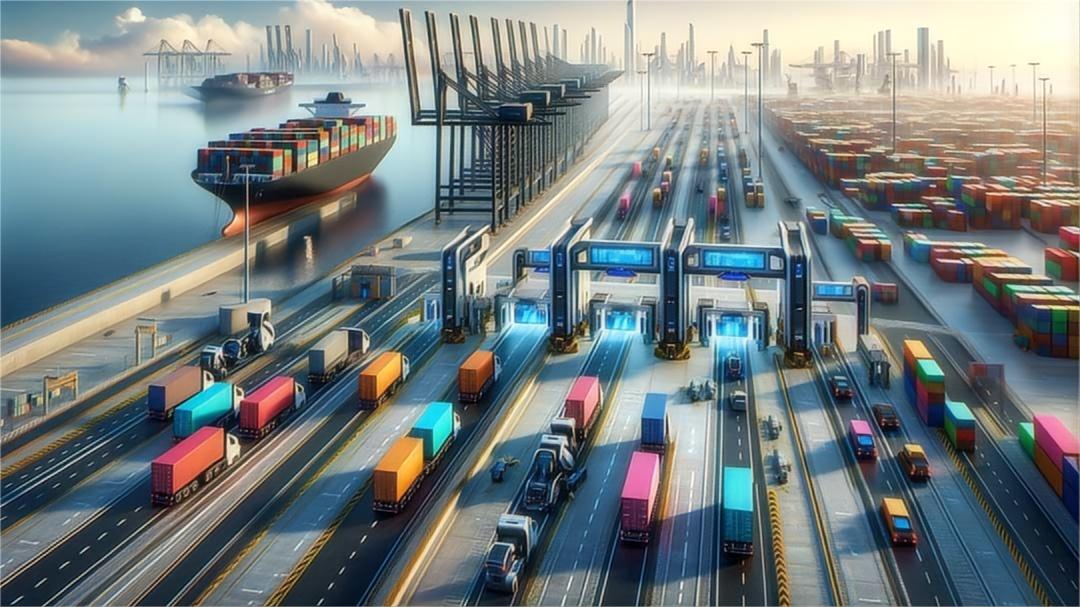
Shipping from China to Amazon Warehouse: A Complete 2026 Strategy
Sellers must understand that the logistics landscape has evolved significantly over the past year. Consequently, implementing a robust strategy for your Amazon FBA inventory is no longer optional but a necessity for survival. Most successful brands now utilize specialized Amazon FBA services to handle the intricate requirements of fulfillment centers.
Furthermore, the integration of real-time tracking and automated documentation has streamlined the process. However, the fundamental challenges of international trade, such as customs clearance and port congestion, still require expert management. Therefore, choosing the right freight forwarder is the most impactful decision you will make for your supply chain efficiency.
Meanwhile, market data from early 2026 suggests that diversification of shipping ports is helping to mitigate local delays. For instance, many sellers are now routing shipments through secondary ports in China to avoid the traditional bottlenecks in Shanghai and Shenzhen. This proactive approach allows for more predictable delivery schedules during peak seasons.
What Are the Best Shipping Methods for Amazon FBA?
Choosing the right transportation mode depends entirely on your budget, cargo volume, and urgency. Specifically, air freight remains the preferred choice for high-value or lightweight items that need to reach the warehouse quickly. Conversely, sea freight offers the most economical solution for bulk inventory and large-scale restocking.
Additionally, express services are ideal for small sample batches or urgent inventory gaps. These services often provide the fastest door-to-door transit times but come with a significantly higher price tag. Nevertheless, many sellers use a hybrid approach to balance costs and speed effectively throughout the fiscal year.
Moreover, rail freight has become a viable middle-ground option for shipments heading to Europe. It provides faster transit than sea freight while remaining much more affordable than air transport. Consequently, it is an excellent alternative for sellers looking to optimize their European FBA operations.
How Does Sea Freight Compare to Other Shipping Options?
Analyzing the trade-offs between different logistics methods is essential for maximizing your profit margins. While sea freight is notably slower than other options, its capacity to handle massive volumes at a low cost is unmatched. For example, shipping a full container can reduce your per-unit cost by up to 70% compared to air freight.
On the other hand, air transport is vital when you need to capitalize on sudden market trends. Because Amazon’s algorithm rewards consistent stock levels, the speed of air freight can prevent the devastating loss of ranking associated with stockouts. Therefore, the higher cost is often justified by the potential revenue saved.
In contrast, express couriers offer the most simplified experience. They handle everything from pickup to final delivery, which is perfect for new sellers who are still learning the ropes. However, as your business scales, you will likely find that transitioning to traditional freight forwarding provides better long-term value.
| Shipping Method | Cost Range | Transit Time | Best For |
|---|---|---|---|
| Sea Freight (FCL) | $2,500 – $4,500 | 25 – 40 Days | Bulk Inventory |
| Air Freight | $5.00 – $9.00/kg | 5 – 10 Days | High-Value Goods |
| Express Service | $8.00 – $15.00/kg | 3 – 5 Days | Urgent Restocks |
| Rail Freight | $1.50 – $3.00/kg | 18 – 25 Days | Europe Shipments |

Which Option Should You Choose for Your Inventory?
Determining the most suitable method requires a careful evaluation of your specific business needs. If your primary goal is budget optimization, sea freight is clearly the winner for large shipments. Without a doubt, the low cost per cubic meter allows for much healthier retail margins on bulky items.
If speed is your priority, you should focus on air or express options. For instance, if you are launching a new product and need to hit a specific seasonal window, the extra investment in speed is often mandatory. Accordingly, you should factor these costs into your initial product pricing strategy.
For cargo type considerations, hazardous materials or oversized items often have limited shipping options. In these cases, sea freight is usually the only feasible method due to safety regulations and physical space requirements. Consequently, you must plan your inventory cycles much further in advance.
Navigating Customs Clearance and Documentation
Managing the paperwork for international shipments is one of the most daunting aspects of the supply chain. Indeed, errors in your commercial invoice or packing list can lead to expensive delays and storage fees at the port. This is why many sellers rely on professional customs brokerage services to ensure total compliance.
Additionally, you must be aware of the specific Harmonized System (HS) codes for your products. These codes determine the duty rates and taxes you will owe upon arrival in the destination country. For example, misclassifying an item can result in heavy fines or even the seizure of your inventory by customs authorities.
Furthermore, ensure that your Importer of Record (IOR) details are accurate and up to date. Since Amazon will not act as the IOR for your shipments, you must take full responsibility for all legal and financial obligations. To summarize, meticulous documentation is the key to a smooth border crossing.
| Document Name | Purpose | Required By | Timing |
|---|---|---|---|
| Commercial Invoice | Value Declaration | Customs | At Departure |
| Packing List | Cargo Details | Carrier/Customs | At Departure |
| Bill of Lading | Title of Goods | Carrier | After Loading |
| ISF (10+2) | Security Filing | US Customs | 24hrs Pre-Sail |
Amazon FBA Packaging and Labeling Requirements
Adhering to Amazon’s strict warehouse standards is vital for avoiding shipment rejections. Specifically, every individual unit must have a scannable FNSKU label that matches the product in your Seller Central account. If these labels are damaged or poorly printed, the warehouse staff may be unable to process your inventory.
Moreover, your master cartons must meet specific size and weight limitations. For instance, most Amazon warehouses in the US and Europe reject boxes that weigh more than 50 pounds unless they contain a single oversized item. Consequently, you should instruct your Chinese manufacturer to use double-walled cardboard for maximum protection during transit.
In addition, palletization requirements vary depending on the destination country. While the US standard is a 48×40 inch wooden pallet, European centers often require Euro-pallets. Using a door-to-door service can help ensure your goods are correctly palletized before they reach the final mile delivery.
Real-World Case Studies: Successful Shipments in 2026
Case Study 1: Electronics from Shenzhen to Los Angeles Route: Shenzhen, China to Los Angeles, USA Cargo: Wireless Headphones, 12 CBM, 2500 kg Container: LCL (Less than Container Load) Shipping Details: – Carrier/Service: COSCO Direct Service – Port of Loading: Shenzhen – Port of Discharge: Los Angeles – Route Type: Direct Cost Breakdown: – Ocean Freight: $1,850 – Origin Charges: $450 – Destination Charges: $600 – Customs & Duties: $1,200 – Total Landed Cost: $4,100 Timeline: – Booking to Loading: 4 days – Sea Transit: 16 days – Customs Clearance: 3 days – Total Door-to-Door: 23 days Key Insight: Using a direct route to the West Coast saved the client 10 days compared to transshipment via Busan.
Case Study 2: Home Decor from Ningbo to Hamburg Route: Ningbo, China to Hamburg, Germany Cargo: Ceramic Vases, 65 CBM, 8000 kg Container: 40HQ (High Cube) Shipping Details: – Carrier/Service: Maersk Ocean Express – Port of Loading: Ningbo – Port of Discharge: Hamburg – Route Type: Direct via Suez Canal Cost Breakdown: – Ocean Freight: $4,200 – Origin Charges: $550 – Destination Charges: $800 – Customs & Duties: $2,100 – Total Landed Cost: $7,650 Timeline: – Booking to Loading: 6 days – Sea Transit: 32 days – Customs Clearance: 4 days – Total Door-to-Door: 42 days Key Insight: Despite slight congestion in Hamburg, the 40HQ container provided the lowest possible per-unit shipping cost.
Case Study 3: Fashion Apparel from Shanghai to Sydney Route: Shanghai, China to Sydney, Australia Cargo: Cotton T-shirts, 8 CBM, 1500 kg Container: LCL (Consolidated) Shipping Details: – Carrier/Service: OOCL Regional – Port of Loading: Shanghai – Port of Discharge: Sydney – Route Type: Direct Cost Breakdown: – Ocean Freight: $950 – Origin Charges: $300 – Destination Charges: $450 – Customs & Duties: $800 – Total Landed Cost: $2,500 Timeline: – Booking to Loading: 3 days – Sea Transit: 14 days – Customs Clearance: 2 days – Total Door-to-Door: 19 days Key Insight: Efficient consolidation in Shanghai allowed for a very competitive rate even for a smaller volume shipment.
Calculating Your Total Landed Costs
Understanding your total landed cost is the only way to ensure your Amazon business remains profitable. This calculation must include the factory price, freight charges, insurance, customs duties, and any local delivery fees. Without a doubt, overlooking a single fee can turn a winning product into a financial loss.
As of early 2026, freight rates from China to the USA have stabilized, but fuel surcharges remain volatile. Therefore, you should always include a 10% buffer in your logistics budget to account for unexpected market shifts. For instance, seasonal demand spikes in Q4 can drive up local trucking costs significantly.
Additionally, consider the impact of storage fees at the Amazon warehouse. If your shipping from china to amazon warehouse strategy results in too much inventory arriving at once, you may face high long-term storage penalties. Consequently, a balanced shipment schedule is often more profitable than a single massive delivery.
| Route | 20GP Container | 40HQ Container | Avg. Transit |
|---|---|---|---|
| China to USA West | $1,800 – $2,400 | $3,200 – $4,000 | 16 – 20 Days |
| China to USA East | $2,800 – $3,600 | $4,800 – $6,200 | 30 – 35 Days |
| China to UK | $2,200 – $3,000 | $3,800 – $4,800 | 32 – 38 Days |
| China to Australia | $900 – $1,300 | $1,500 – $2,200 | 14 – 18 Days |
Final Thoughts on FBA Logistics
To summarize, mastering the art of shipping from china to amazon warehouse requires a blend of strategic planning and reliable partnerships. By choosing the right shipping method and ensuring meticulous documentation, you can avoid common pitfalls and keep your inventory flowing smoothly.
Furthermore, staying informed about market trends in 2026 will help you navigate the ever-changing landscape of international trade. Whether you choose sea, air, or rail, the goal remains the same: getting your products to the customer as efficiently as possible. Start optimizing your logistics today for a more profitable tomorrow.
Need a tailored shipping solution?
Are you ready to optimize your supply chain and reduce your shipping costs? Contact our team of experts today to receive a customized quote for shipping from china to amazon warehouse. Let us handle the logistics so you can focus on growing your brand. Visit our website to start your inquiry.