

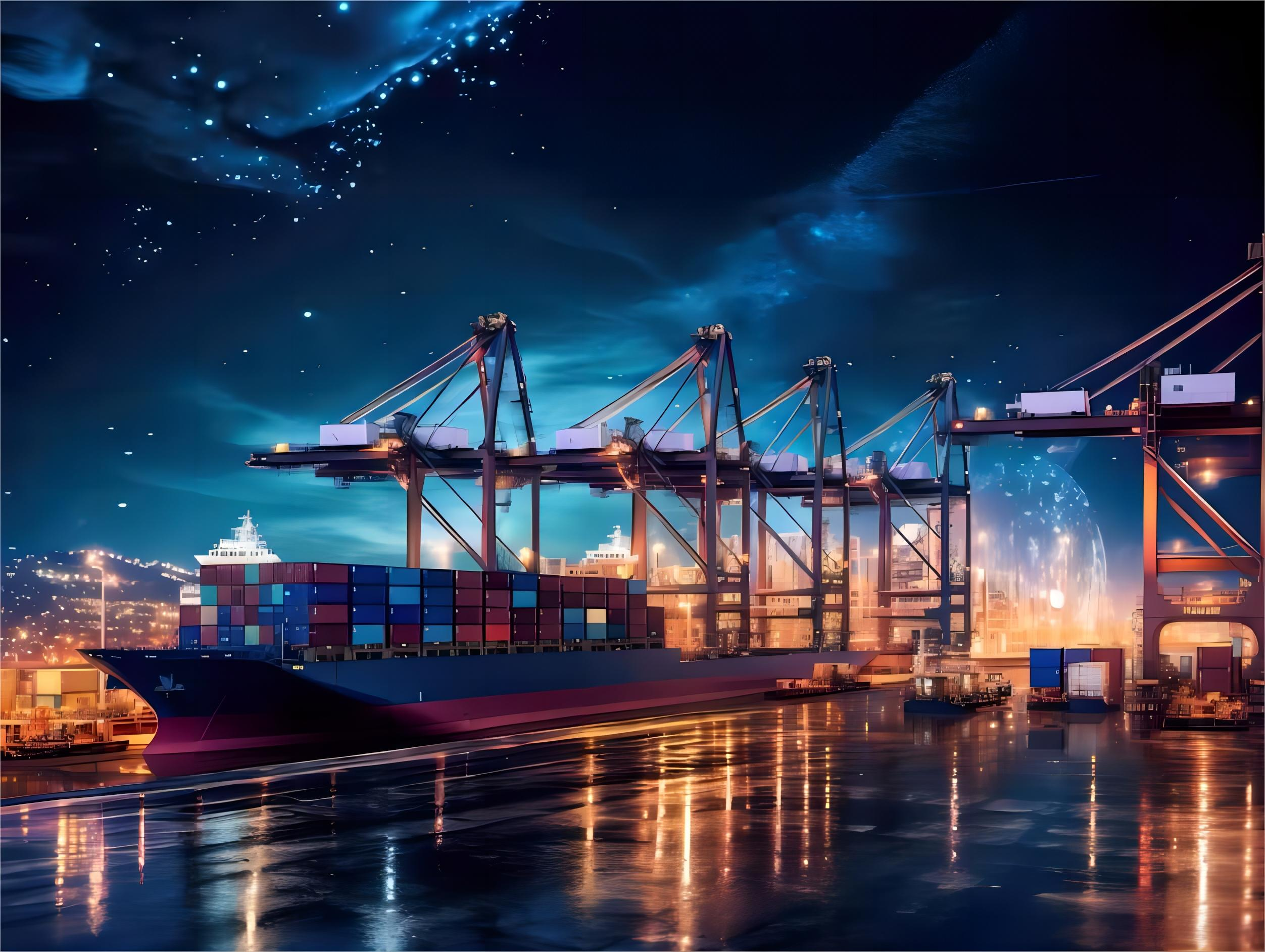
Bulk Cargo Shipping China: 2026 Freight and Logistics Guide
Bulk cargo shipping China serves as the vital artery for global trade networks in 2026. Companies looking to transport massive quantities of raw materials or finished products must partner with an experienced logistics provider like China Freight Hub to ensure efficiency. Navigating the complexities of international waters requires a deep understanding of vessel chartering and port operations. Consequently, this guide provides the essential intelligence needed to manage large-scale imports effectively while minimizing overhead costs.
✦
What Defines Bulk Cargo Shipping China in 2026?
Bulk cargo shipping China involves the transportation of large, unpackaged quantities of goods, typically divided into dry bulk, liquid bulk, and breakbulk categories. Dry bulk includes commodities like iron ore, coal, and grain, whereas liquid bulk refers to chemicals or petroleum products. Breakbulk involves oversized items like machinery or construction equipment that do not fit into standard containers. However, the shift toward sustainable shipping in 2026 has introduced new regulations regarding vessel emissions and cargo handling protocols.
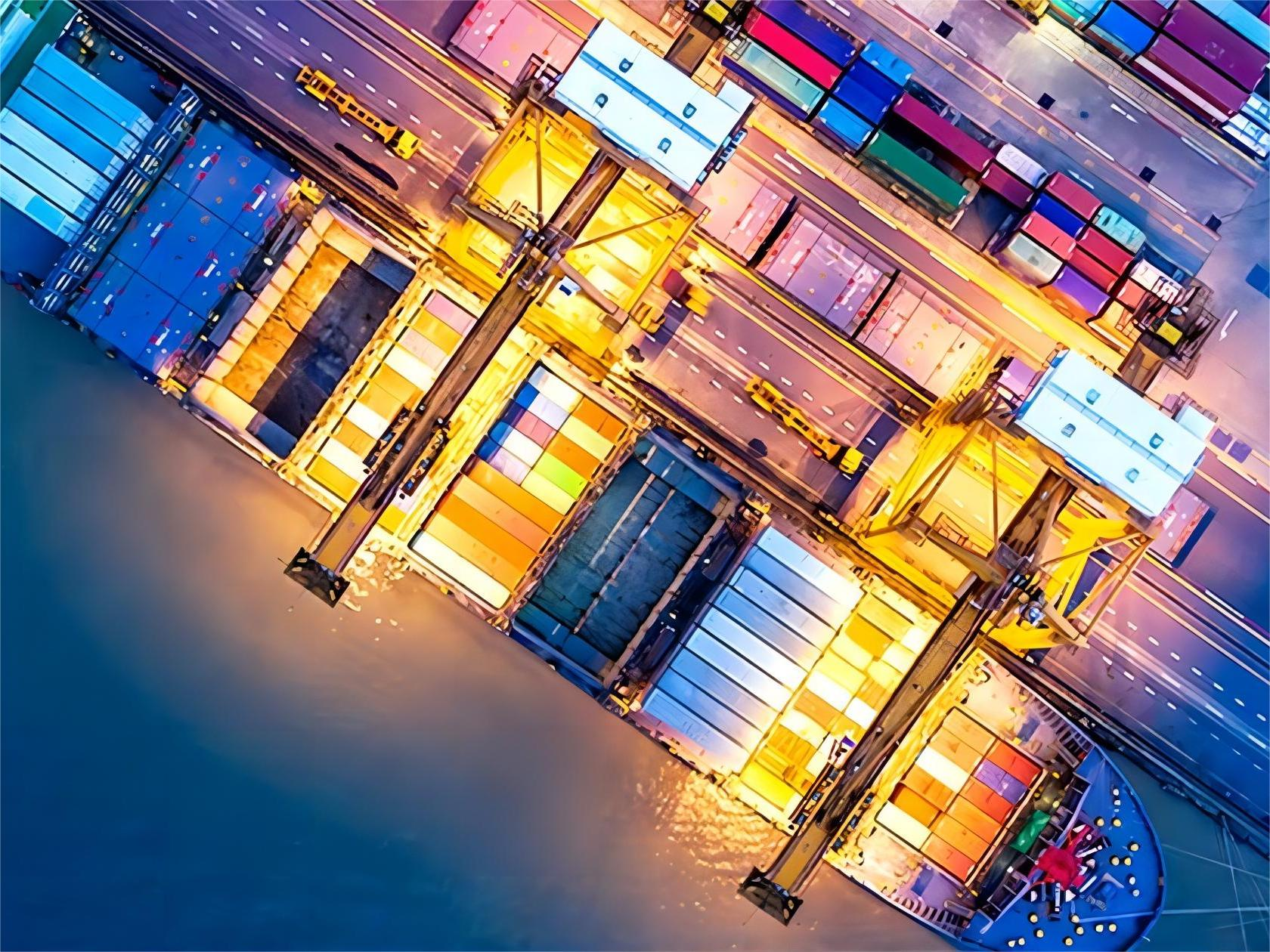
Moreover, the scale of these operations requires specialized terminals at major ports such as Shanghai, Ningbo-Zhoushan, and Guangzhou. These facilities utilize advanced automated cranes and conveyor systems to expedite the loading process. Consequently, shippers benefit from reduced port stay times and lower demurrage risks. Understanding the specific requirements for your cargo type is the first step in optimizing your supply chain for the current market environment.
How Does Bulk Cargo Shipping China Compare to Other Shipping Options?
Choosing the right transportation mode depends heavily on your volume, budget, and timeline requirements. While sea freight remains the dominant choice for bulk cargo shipping China, alternatives like rail freight offer a middle ground for certain Eurasian routes. Air freight is rarely used for bulk commodities due to extreme costs, yet it remains essential for high-value components or urgent machinery parts. Therefore, a side-by-side comparison is necessary to evaluate the trade-offs involved in each method.
In addition to speed and cost, environmental impact and infrastructure availability play significant roles in the decision-making process. For instance, rail transport via the New Silk Road has become more reliable in early 2026, providing a faster alternative to traditional maritime routes for land-locked destinations. Nevertheless, for the sheer volume of raw materials, nothing matches the cost-efficiency of a dedicated bulk carrier.
| Sea Freight | $1,500 – $6,000 | 14 – 40 Days | Large volumes, raw materials |
| Rail Freight | $3,000 – $5,500 | 15 – 22 Days | Mid-volume, land routes |
| Air Freight | $8,000 – $25,000 | 3 – 7 Days | Urgent, high-value items |
| Express | High Premium | 2 – 5 Days | Small samples, documents |

Which Option Should You Choose for Your Business?
Determining the best logistics strategy requires a clear assessment of your business priorities. If your primary goal is budget optimization, sea freight is the logical choice for bulk cargo shipping China. For shipments exceeding 15 CBM, Less than Container Load (LCL) becomes less efficient than Full Container Load (FCL) or breakbulk chartering. Conversely, if you are moving perishable goods or time-sensitive industrial components, the higher cost of air or rail might be justified.
Cargo type considerations also dictate the method; for example, heavy industrial boilers or wind turbine blades require specialized breakbulk vessels with heavy-lift capabilities. Volume thresholds are equally important, as switching from FCL to a chartered vessel can save up to 20 percent on freight costs once a certain tonnage is reached. Ultimately, a hybrid solution involving sea-air or rail-sea combinations can offer a strategic advantage in a volatile market.
Navigating Sea Freight and Vessel Chartering
Utilizing sea freight for bulk cargo shipping China often involves chartering a vessel rather than simply booking space on a liner. This process requires a charter party agreement, which defines the responsibilities of the shipowner and the charterer. Furthermore, shippers must choose between time charters and voyage charters based on their long-term needs. Indeed, the complexity of these contracts necessitates professional oversight to avoid hidden fees and legal disputes.
Port congestion and seasonal demand fluctuations significantly impact ocean freight rates in 2026. As of Q1 2026, rates have stabilized following previous disruptions, yet peak season surcharges still apply from August through October. To illustrate, booking your vessel at least 6-8 weeks in advance can help secure better rates and guaranteed equipment availability. Always work with a freight forwarder who has strong relationships with major carriers like COSCO and Maersk.
Freight Rates and Market Trends in 2026
Market data suggests that bulk cargo shipping China rates are influenced by fuel prices, global economic stability, and carrier capacity. Specifically, the introduction of carbon taxes on maritime fuel has led to a slight increase in base rates across all major routes. However, technological improvements in vessel efficiency are beginning to offset these costs. Shippers should monitor the Baltic Dry Index as a benchmark for dry bulk pricing trends.
According to industry benchmarks, the cost of shipping a 40HQ container from China to the US West Coast currently ranges between $2,800 and $3,800. Meanwhile, shipments to Europe are seeing slightly higher rates due to longer transit distances and canal fees. Therefore, maintaining a flexible shipping schedule can allow you to take advantage of lower spot market rates during off-peak periods.
| China to Europe | $1,800 – $2,500 | $3,000 – $4,200 | 28 – 35 Days |
| China to USA West | $1,500 – $2,200 | $2,800 – $3,800 | 14 – 18 Days |
| China to USA East | $2,500 – $3,500 | $4,500 – $6,000 | 30 – 35 Days |
| China to Australia | $800 – $1,200 | $1,400 – $2,000 | 12 – 18 Days |
Price Reference Disclaimer
Note: Freight rates are subject to change based on fuel costs, carrier capacity, and seasonal demand. Contact us for a current quote tailored to your specific shipment.
The Role of Customs Brokerage in Bulk Logistics
Managing customs brokerage is a critical component of bulk cargo shipping China that many businesses overlook. Large shipments attract higher scrutiny from customs officials regarding valuation, origin, and compliance with environmental standards. Consequently, any error in documentation can lead to expensive delays or even cargo seizure. For instance, ensuring that your Bill of Lading and Commercial Invoice are perfectly aligned is essential for a smooth clearance process.
Moreover, specialized bulk cargo often requires specific permits, such as phytosanitary certificates for agricultural products or hazardous material declarations for chemicals. Therefore, hiring a licensed broker who understands the local regulations in both China and the destination country is a wise investment. This proactive approach minimizes the risk of unexpected fines and ensures that your delivery schedule remains on track.
Regional Guide: Shipping to North America and Europe
Strategically planning your route to North America involves choosing between West Coast and East Coast ports. While West Coast ports like Los Angeles offer faster transit times, East Coast ports like Savannah may be more cost-effective for cargo destined for the Atlantic interior. Additionally, intermodal transport via rail is often used to move bulk goods from the coast to inland distribution centers.
Similarly, shipping to Europe requires navigating major hubs like Rotterdam, Hamburg, or Antwerp. These ports are equipped with massive bulk terminals capable of handling the world’s largest vessels. However, the choice of port should also consider the final delivery point and the availability of inland waterways or rail links. Indeed, a well-chosen entry port can reduce the total landed cost by up to 15 percent.
Implementing Door to Door Solutions for Bulk Cargo
Comprehensive door to door services simplify the logistical nightmare of coordinating multiple transport stages. This service covers everything from factory pickup in China to final delivery at your warehouse, including all port handling and customs formalities. Consequently, business owners can focus on their core operations while logistics experts manage the minute details of the journey.
Furthermore, door to door providers often offer integrated tracking systems that provide real-time visibility of your bulk cargo shipping China. This transparency is invaluable for managing inventory levels and meeting customer expectations. In addition, having a single point of contact reduces the communication gaps that often occur when dealing with multiple independent contractors. Ultimately, this end-to-end approach provides the highest level of security and reliability for large-scale international trade.
Real-World Case Studies in Bulk Logistics (2026)
Case Study 1: Steel Export to Germany
Route: Shanghai, China to Rotterdam, Netherlands
Cargo: Steel coils, 500 CBM, 1,200 metric tons
Method: Sea Freight (Breakbulk Vessel)
Carrier: Major bulk carrier
Cost Breakdown:
– Ocean Freight: $42,000
– Origin Charges: $2,500
– Destination Charges: $3,200
– Customs and Duties: $8,500
– Total Landed Cost: $56,200
Timeline:
– Booking to Loading: 7 days
– Sea Transit: 32 days
– Customs Clearance: 3 days
– Total Door-to-Door: 42 days
Key Insight: Using a breakbulk vessel instead of FCL saved the client 18 percent in total freight costs due to the high density of the cargo.
Case Study 2: Solar Energy Equipment to USA
Route: Shenzhen, China to Long Beach, USA
Cargo: Solar Panels and Mounting Hardware, 15 x 40HQ
Method: Sea Freight (FCL)
Carrier: COSCO
Cost Breakdown:
– Ocean Freight: $52,500
– Origin Charges: $1,800
– Destination Charges: $2,400
– Customs and Duties: $12,000
– Total Landed Cost: $68,700
Timeline:
– Booking to Loading: 5 days
– Sea Transit: 16 days
– Customs Clearance: 2 days
– Total Door-to-Door: 23 days
Key Insight: Direct routing to the West Coast and pre-clearing customs allowed the shipment to arrive 5 days ahead of the peak season deadline.
Final Thoughts on Bulk Cargo Shipping China
Mastering bulk cargo shipping China is an ongoing process that requires staying informed about market trends and regulatory changes. In 2026, the focus has shifted toward balancing cost-efficiency with sustainable practices and digital transparency. By understanding the various shipping methods, from sea freight to rail alternatives, you can make informed decisions that protect your bottom line. Furthermore, leveraging professional services for customs and door-to-door delivery ensures that your cargo reaches its destination safely and on time. Indeed, the right logistics strategy is the foundation of successful international trade in the modern era.