

Calculate Shipping From China: 2026 Guide | 5 Title Options: 1. Calculate Shipping From China: 2026 Freight Cost Guide 2
Navigating the complexities of global trade requires a clear understanding of international logistics costs. Specifically, businesses must accurately calculate shipping from china to maintain healthy profit margins and ensure timely delivery. Furthermore, the logistics landscape in 2026 has introduced new variables such as carbon taxes and fluctuating fuel surcharges that impact every shipment. This comprehensive guide provides the data and frameworks necessary to estimate your total landed costs with precision.
Why You Must Accurately Calculate Shipping From China
Inaccurate estimates often lead to unexpected expenses that erode your bottom line. Consequently, understanding every component of the freight quote is essential for sustainable growth. Many importers focus solely on the base freight rate while ignoring local charges and terminal fees.
Moreover, 2026 market intelligence suggests that port congestion and seasonal demand shifts can alter pricing by up to thirty percent within a single month. Therefore, a proactive approach to cost estimation allows for better financial planning. By identifying these costs early, you can choose the most efficient transport mode for your specific cargo requirements.
Specifically, the total landed cost includes the purchase price, freight, insurance, and customs duties. Without a complete breakdown, your retail pricing strategy might fail to cover the actual procurement expenses. Indeed, successful importers prioritize transparency in their logistics partnerships to avoid hidden surcharges.
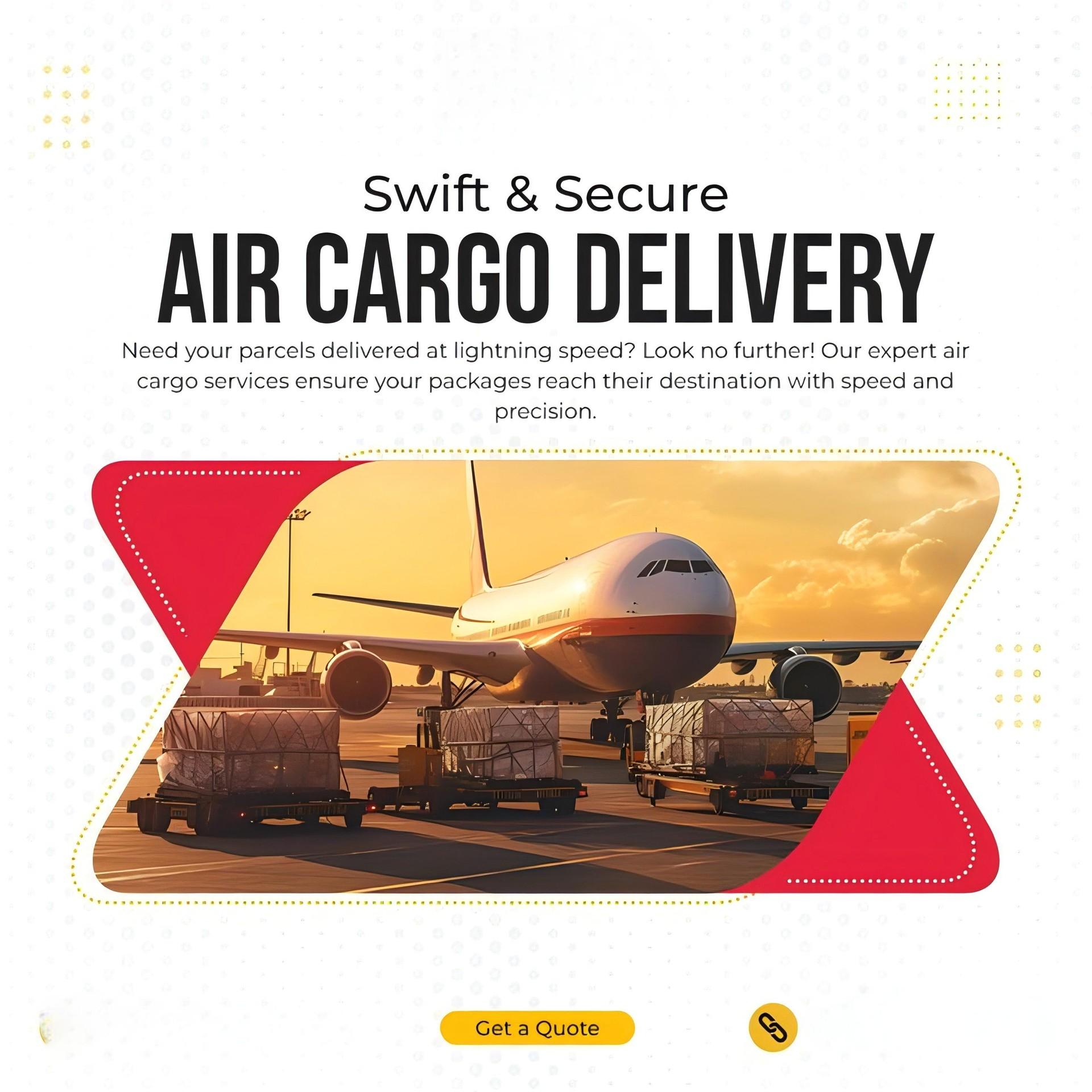
How to Calculate Shipping From China via Air Freight
When you choose air freight services, the calculation depends heavily on the chargeable weight. Carriers compare the actual physical weight against the volumetric weight and bill the higher of the two values. This ensures that bulky but light items pay their fair share of the aircraft’s limited space.
Specifically, you can determine volumetric weight by multiplying the length, width, and height of your boxes in centimeters and then dividing by 6,000. For instance, a shipment weighing 50 kilograms might have a volumetric weight of 75 kilograms if the boxes are large. Consequently, optimizing your packaging is a direct way to lower your air cargo expenses.
Additionally, air freight rates per kg often decrease as the total weight of the shipment increases. Most carriers offer weight breaks at 45kg, 100kg, 300kg, and 500kg. Using these tiers effectively can significantly reduce the unit cost of your high-priority shipments in 2026.
| Weight Tier | Average Rate per KG | Transit Time | Service Level |
|---|---|---|---|
| 45 – 100 kg | $6.50 – $9.00 | 5-7 Days | Standard Air |
| 101 – 300 kg | $5.00 – $7.50 | 5-7 Days | Standard Air |
| 301 – 500 kg | $4.20 – $6.00 | 4-6 Days | Priority Air |
| 500+ kg | $3.50 – $5.20 | 4-6 Days | Consolidated |
Estimating Sea Freight Costs for 2026 Shipments
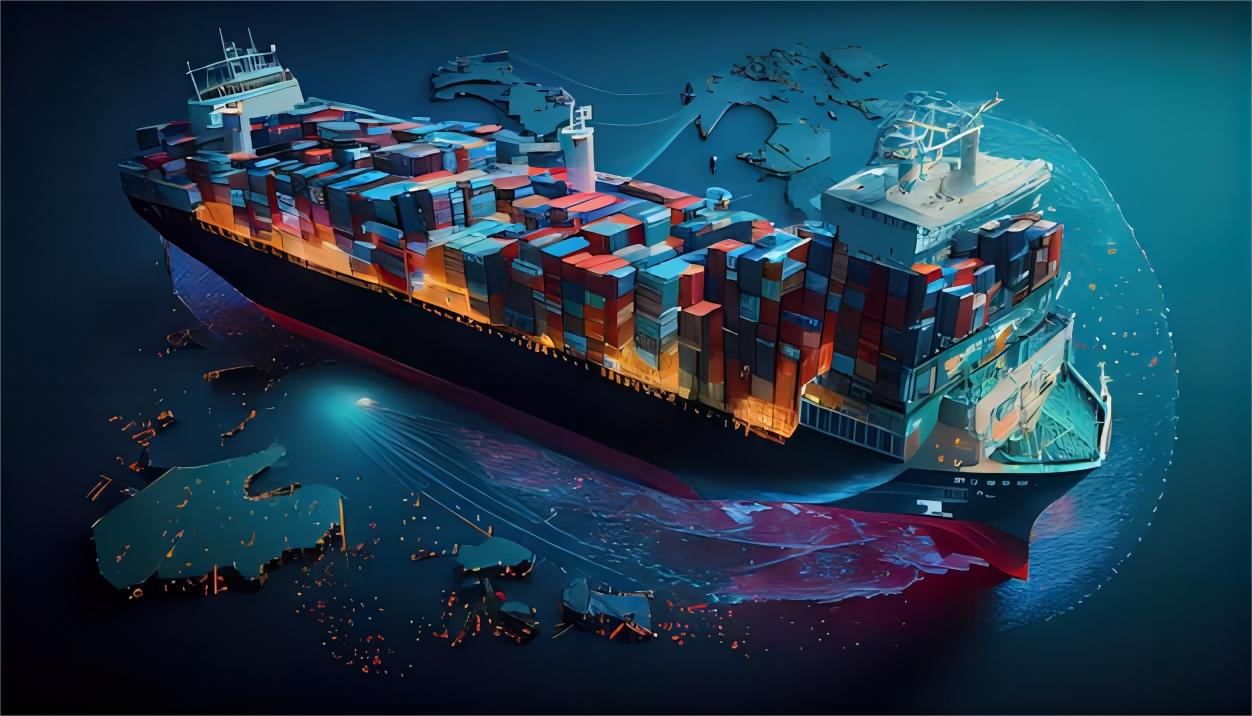
Ocean logistics remains the most cost-effective method for bulk commodities and large inventory orders. If you utilize sea freight, your primary choice lies between Full Container Load (FCL) and Less than Container Load (LCL). Specifically, LCL is calculated per cubic meter (CBM), while FCL is a flat rate per container regardless of weight.
Furthermore, for shipments exceeding 15 CBM, booking a full 20-foot container is usually more economical than paying for individual cubic meters in a shared container. As of early 2026, container shipping rates from China have stabilized, but fuel surcharges remain a variable factor. Therefore, always request a quote that includes the Bunker Adjustment Factor (BAF).
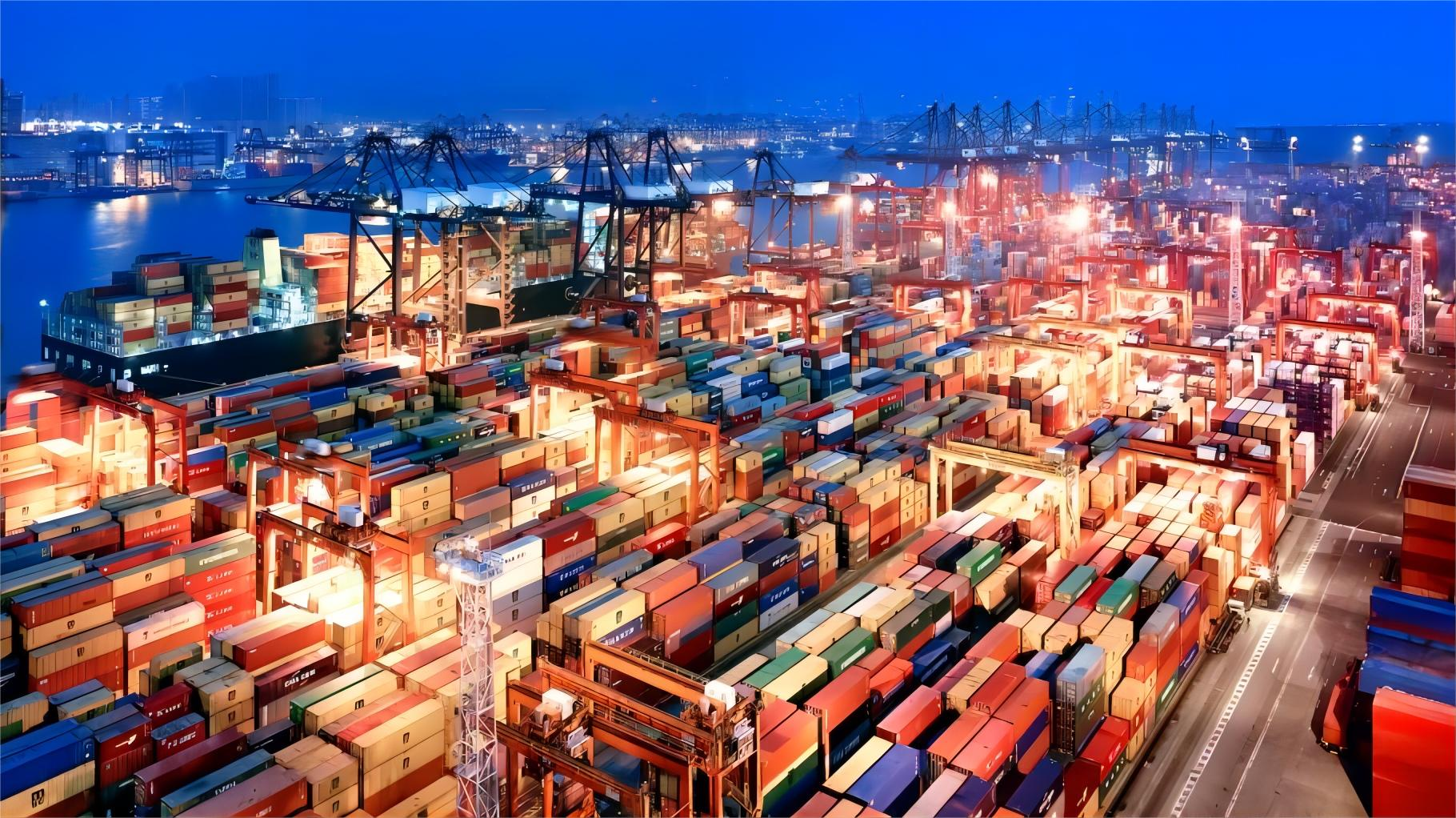
Meanwhile, port-to-port rates do not include the essential destination charges. You must account for Terminal Handling Charges (THC), documentation fees, and final trucking to your warehouse. These destination costs can sometimes exceed the ocean freight itself for smaller LCL shipments.
| Container Type | Capacity (CBM) | USA West Coast | Europe (Rotterdam) |
|---|---|---|---|
| 20GP (Standard) | 33 CBM | $1,800 – $2,500 | $2,100 – $2,800 |
| 40GP (Standard) | 67 CBM | $2,800 – $3,800 | $3,200 – $4,200 |
| 40HQ (High Cube) | 76 CBM | $3,000 – $4,200 | $3,500 – $4,800 |
How Does Sea Freight Compare to Other Shipping Options?
Choosing the right mode requires a balance between speed and budget. While sea freight offers the lowest cost for high volumes, it suffers from the longest transit times. In contrast, express services provide rapid delivery but at a significant premium that can impact the retail price of your goods.
Moreover, hybrid solutions like sea-air or rail-sea combinations have gained popularity in 2026. These methods allow importers to bypass port congestion while keeping costs lower than pure air freight. For example, shipping by sea to a hub and then flying the cargo to the final destination can save ten days compared to a full ocean route.
Consequently, a decision framework should consider the value of the goods and the urgency of the inventory. High-value electronics often justify air freight, whereas low-margin consumer goods require the economy of scale provided by ocean containers. Without a doubt, diversifying your shipping methods can protect your supply chain from localized disruptions.
| Method | Cost Level | Transit Time | Best For |
|---|---|---|---|
| Air Freight | Highest | 3-7 Days | Urgent, High-Value |
| Sea Freight | Lowest | 25-40 Days | Bulk, Heavy Cargo |
| Rail Freight | Medium | 15-22 Days | Inland Europe |
| Express | Premium | 2-5 Days | Samples, Small Parcels |
The Role of Rail Freight in Modern Logistics
For shipments destined for the European continent, rail freight solutions offer an excellent middle ground. This method balances the speed of air with the economy of sea transport. Specifically, it is particularly effective for heavy machinery or industrial components moving from inland Chinese hubs like Chengdu or Xi’an.
Furthermore, rail transit times have become more reliable in 2026 following infrastructure upgrades. Most rail routes to Central Europe now take between 18 and 22 days. Consequently, businesses can maintain leaner inventory levels compared to sea freight users without the massive expense of air transport.
Additionally, rail is considered a more environmentally friendly option than air freight. As carbon reporting becomes mandatory for many importers, the lower emission profile of rail transport provides a strategic advantage. Therefore, including rail in your logistics mix can support both your budget and your sustainability goals.
Understanding Customs Duties and Taxes
No calculation is complete without considering customs brokerage services and associated duties. Importers must identify the correct HS Code for their products to determine the applicable tax rate. For instance, a misclassification can lead to overpaying duties or facing heavy fines from customs authorities.
Additionally, remember to factor in Value Added Tax (VAT) and any anti-dumping duties that might apply to specific goods from China. In 2026, many regions have updated their trade policies, making it vital to consult with a professional broker. Indeed, the landed cost is only accurate when every tax and levy is included in the final sum.
Specifically, the calculation for duties is usually based on the CIF (Cost, Insurance, and Freight) value of the goods. This means you pay duty not just on the product price, but also on the cost of getting it to your country. Consequently, lowering your freight costs can also slightly reduce your total duty liability.
Shipping to Amazon FBA: Specialized Calculations
Sellers often require specialized Amazon FBA shipping to meet strict delivery windows. These costs usually include labeling, palletization, and final mile delivery to specific fulfillment centers. Therefore, calculating these expenses early prevents stock-outs and ensures competitive pricing on the marketplace.
Moreover, Amazon has specific requirements for how cargo is presented at their warehouses. If your shipment is not compliant, you may face rejection or additional handling fees. Specifically, many freight forwarders now offer all-in rates for FBA shipments that include these preparation services, simplifying the calculation process.
Consequently, successful Amazon sellers often use a per-unit cost model for their logistics. By dividing the total shipping and prep cost by the number of units, you can see exactly how much logistics eats into your margin. This level of detail is essential for high-volume sellers operating in 2026’s competitive e-commerce environment.

Realistic Case Studies: Calculating Total Costs
To illustrate how these factors come together, we have analyzed real-world scenarios from the first half of 2026. These examples demonstrate the difference between various modes and routes. Specifically, they highlight how hidden charges can impact the final invoice.
Case Study 1: Electronics to Los Angeles. A shipment of 500kg of high-end tablets was moved via air freight. The actual weight was 500kg, but the volumetric weight was 620kg. Consequently, the shipper paid the 600kg+ rate. Total landed cost included $3,100 for freight and $450 in customs fees.
Case Study 2: Furniture to Hamburg. An importer booked a 40HQ container for 65 CBM of home decor. Total ocean freight was $4,100. However, destination charges and trucking added another $1,200. The total door-to-door cost reached $5,300, excluding duties. This underscores the importance of calculating the full journey.
Case Study 1: Electronics via Air Freight
Route: Shenzhen, China to Los Angeles, USA
Cargo: Consumer Electronics, 2.5 CBM, 500 kg
Method: Air Freight (Standard)
Cost Breakdown: Freight ($3,250), Origin Fees ($150), Customs ($400), Delivery ($200)
Total Cost: $4,000
Transit Time: 6 Days
Key Insight: Using a consolidated air service saved 15% compared to express courier rates.
Case Study 2: Industrial Parts via Sea Freight
Route: Ningbo, China to Rotterdam, Netherlands
Cargo: Steel Components, 18 CBM (LCL)
Method: Sea Freight LCL
Cost Breakdown: Ocean Freight ($1,440), THC ($300), Documentation ($100), Customs ($250)
Total Cost: $2,090
Transit Time: 34 Days
Key Insight: At 18 CBM, LCL was still cheaper than a 20GP container for this specific heavy cargo.
Which Option Should You Choose?
Selecting the best shipping method depends on four primary factors: budget, speed, cargo volume, and product sensitivity. If your priority is the lowest possible cost and you have a flexible timeline, sea freight is the undisputed winner. However, if you are launching a new product or replenishing low stock, air freight’s speed justifies its cost.
Specifically, for shipments between 100kg and 500kg, you should always compare air freight with LCL sea freight. For shipments over 15 CBM, FCL sea freight becomes the most logical choice. Additionally, consider rail freight if you are shipping to Europe and need a balance of speed and economy.
Market data suggests that rates fluctuate seasonally. Specifically, August through October is the peak season where rates can increase by 20 percent. Therefore, planning your shipments during the off-peak months of March through May can lead to significant savings. Note: Freight rates are subject to change based on fuel costs, carrier capacity, and seasonal demand. Contact us for a current quote tailored to your specific shipment.
Final Thoughts on Shipping Calculations
To successfully calculate shipping from china, you must look beyond the initial price quote and consider the entire logistics chain. By accounting for volumetric weight, destination charges, and customs duties, you can avoid the common pitfalls that trap many importers. Furthermore, staying informed about 2026 market trends ensures that your business remains agile and competitive.
Whether you choose air, sea, or rail, the key to success lies in preparation and clear communication with your freight forwarder. Remember that the cheapest option is not always the best if it results in missed deadlines or damaged goods. Use the frameworks provided in this guide to make data-driven decisions that support your long-term business goals.

Start Your Shipment
Ready to optimize your supply chain and accurately calculate shipping from china for your next project? Our team of logistics experts is standing by to provide a detailed, transparent quote that covers every aspect of your journey from factory to front door. Visit our inquiry page to get started today. Send Inquiry: https://chinafreighthub.com/
Request Quote