

China Shipping Consultant: Expert Logistics Strategies for 2026
Navigating the complexities of international trade requires precision and deep local knowledge of the Asian market. A professional china shipping consultant helps businesses overcome logistical hurdles while ensuring cost-effective delivery across global markets. Consequently, choosing the right partner can significantly impact your bottom line and overall operational efficiency in the competitive landscape of 2026.
✦
What Does a China Shipping Consultant Actually Do?
Understanding the multifaceted role of a logistics expert is the first step toward optimizing your import business. These specialists act as a bridge between manufacturers in China and your destination warehouse, managing every detail of the transportation process. Moreover, they provide critical insights into carrier selection, route optimization, and risk mitigation strategies that are often invisible to the average importer.
Specifically, a consultant evaluates your cargo type and volume to determine the most efficient shipping method available. They negotiate rates with carriers to ensure you receive the most competitive pricing based on current market trends. Furthermore, they oversee the preparation of essential documentation, ensuring that all international trade regulations are strictly followed to prevent costly delays at the port.
Additionally, these experts provide real-time tracking and troubleshooting services during the transit period. If a shipment encounters port congestion or weather delays, the consultant identifies alternative solutions to keep your supply chain moving. Ultimately, their goal is to provide a seamless experience that minimizes transit time and maximizes your return on investment.
Why You Need Professional Guidance for China Logistics in 2026
Professional logistics management has become more critical than ever as global trade patterns continue to shift. As of early 2026, freight rates from China have stabilized following the disruptions of previous years, yet geopolitical factors still influence route availability. Consequently, having an expert who monitors these changes daily is a significant competitive advantage for modern businesses.
Notably, the integration of new technology in cargo handling and customs processing requires specialized knowledge to navigate effectively. Importers who rely on outdated methods often find themselves paying higher fees or facing unexpected compliance issues. Meanwhile, a consultant stays updated on the latest digital tools and regulatory changes, ensuring your shipments remain compliant and cost-effective.
Indeed, the complexity of modern supply chains demands a level of oversight that most small to medium-sized enterprises cannot manage internally. By outsourcing this expertise, you gain access to a network of reliable carriers and local agents who understand the nuances of Chinese port operations. This partnership allows you to scale your business without the overhead of a dedicated in-house logistics department.
How Does Sea Freight Compare to Other Shipping Options?
Objective analysis of various transportation modes is essential for making informed logistics decisions. While sea freight remains the most popular choice for large volumes due to its cost-effectiveness, it may not always be the best fit for time-sensitive goods. Therefore, comparing it against air and rail freight is necessary to balance budget and speed requirements.
In contrast to air transport, ocean shipping offers significantly lower costs per kilogram, making it ideal for heavy machinery or bulk consumer goods. However, the transit time is considerably longer, often requiring several weeks to reach distant ports in Europe or North America. Nevertheless, for businesses with well-planned inventory cycles, the savings provided by sea freight are substantial.
Furthermore, hybrid solutions like sea-air or rail-sea combinations have gained popularity in 2026 as middle-ground alternatives. These methods offer a balance between the speed of air and the economy of sea transport. By utilizing a china shipping consultant, you can determine if these alternative strategies are suitable for your specific cargo requirements and delivery schedules.
| Shipping Method | Cost Range | Transit Time | Best For |
|---|---|---|---|
| Sea Freight (FCL) | $2,500 – $5,500 | 25 – 45 Days | Large Bulk Shipments |
| Air Freight | $5.00 – $12.00/kg | 3 – 7 Days | High-Value/Urgent |
| Rail Freight | $1,500 – $3,000 | 15 – 22 Days | Inland Europe Routes |
| Express Service | $8.00 – $15.00/kg | 2 – 5 Days | Small Parcels/Samples |
Which Option Should You Choose? Decision Framework
Budget priority dictates that you should lean toward ocean transport, specifically Full Container Load (FCL) if you have enough volume. If your shipment is less than 15 cubic meters, Less than Container Load (LCL) is often the more economical choice despite the slightly longer handling time. Consequently, many importers utilize LCL to maintain a steady flow of inventory without the cost of a full container.
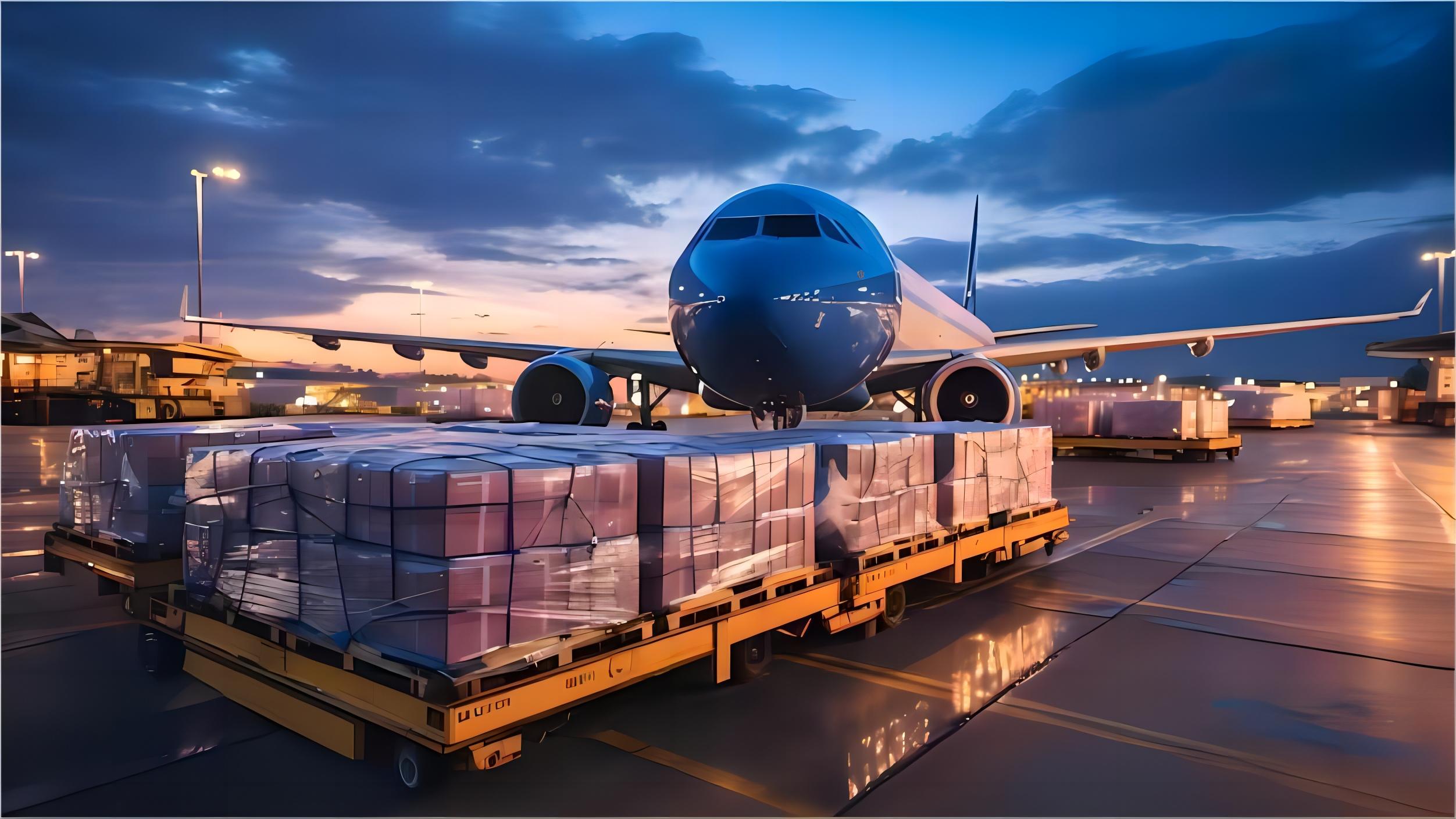
Speed priority requires a shift toward air freight or express services. For instance, if you are launching a new product or replenishing stock for a peak season, the higher cost of air transport is justified by the rapid delivery. Indeed, arriving in days rather than weeks can prevent lost sales and maintain your market position during high-demand periods.
Cargo type considerations also play a vital role in your final decision. Perishable goods or sensitive electronics often require the controlled environment and speed of air transport. On the other hand, durable goods like furniture or textiles are perfectly suited for the longer transit times of sea or rail freight. Always consult with your logistics partner to assess the specific needs of your products.
Optimized Solutions for Amazon Sellers and E-commerce
Managing the logistics for an online retail business involves unique challenges, particularly when dealing with strict fulfillment center requirements. A specialized Amazon FBA shipping strategy ensures that your products are labeled, packed, and delivered according to platform standards. This prevents the common issue of rejected shipments which can lead to significant delays and additional storage fees.
Additionally, e-commerce sellers must balance shipping costs with the need for fast delivery to maintain high customer ratings. Many successful sellers utilize a mix of shipping methods, using air freight for initial launches and sea freight for bulk restocks. This multi-modal approach allows for maximum flexibility and cost control throughout the product lifecycle.
Furthermore, your consultant can help you navigate the complexities of door-to-door delivery, which simplifies the entire process. By managing the shipment from the factory floor directly to the fulfillment center, you reduce the risk of handling errors and documentation mishaps. This level of service is particularly valuable for sellers who do not have their own warehouse facilities.
Case Studies: Real-World Logistics Success in 2026
Case Study 1: Electronics Distribution to Europe. Route: Shanghai, China to Hamburg, Germany. Cargo: High-end tablets, 12 CBM, 2,400 kg. Container: LCL. Shipping Details: Carrier: COSCO. Port of Loading: Shanghai. Port of Discharge: Hamburg. Route Type: Direct. Cost Breakdown: Ocean Freight: $1,450. Origin Charges: $350. Destination Charges: $420. Customs and Duties: $1,100. Total Landed Cost: $3,320. Timeline: Booking to Loading: 3 days. Sea Transit: 32 days. Customs Clearance: 2 days. Total Door-to-Door: 41 days. Key Insight: Consolidating multiple small orders into one LCL shipment saved the client 25 percent compared to individual express shipments.
Case Study 2: Peak Season Fashion Launch. Route: Shenzhen, China to Los Angeles, USA. Cargo: Seasonal apparel, 450 kg. Method: Air Freight. Shipping Details: Carrier: Cathay Cargo. Port of Loading: Shenzhen. Port of Discharge: LAX. Route Type: Direct. Cost Breakdown: Air Freight: $3,150. Origin/Destination Fees: $280. Customs Clearance: $150. Total Landed Cost: $3,580. Timeline: Booking to Loading: 1 day. Air Transit: 14 hours. Customs Clearance: 1 day. Total Door-to-Door: 4 days. Key Insight: Using air freight allowed the brand to hit their launch date despite production delays at the factory.
Case Study 3: Industrial Equipment to Australia. Route: Ningbo, China to Sydney, Australia. Cargo: Specialized machinery, 28 CBM. Container: 20GP. Shipping Details: Carrier: Maersk. Port of Loading: Ningbo. Port of Discharge: Sydney. Route Type: Direct. Cost Breakdown: Ocean Freight: $1,150. Origin Charges: $320. Destination Charges: $450. Customs and Duties: $2,100. Total Landed Cost: $4,020. Timeline: Booking to Loading: 4 days. Sea Transit: 18 days. Customs Clearance: 3 days. Total Door-to-Door: 28 days. Key Insight: Accurate HTS code classification by the consultant reduced estimated duties by 15 percent.

Navigating Customs and Compliance with Expert Support
Properly managing import regulations is perhaps the most critical task handled by a logistics professional. Engaging a customs brokerage service ensures that your goods are classified correctly and all duties are calculated accurately. Consequently, you avoid the risk of fines or lengthy inspections that can occur when documentation is incomplete or incorrect.
Specifically, the rules regarding trade with North America, Europe, and Australia differ significantly. A consultant who understands these regional variations can provide tailored advice on everything from VAT requirements to specific safety certifications. This regional expertise is invaluable for businesses expanding into new international markets.
Notably, the documentation process in 2026 has become increasingly digitized, requiring familiarity with electronic data interchange systems. Your consultant ensures that all digital filings are submitted on time and match the physical cargo. This attention to detail minimizes the likelihood of your shipment being flagged for manual review, which significantly speeds up the clearance process.
Current Market Trends and 2026 Pricing Benchmarks
Market data suggests that freight rates have reached a new equilibrium in 2026, though seasonal fluctuations remain a factor. For instance, rates typically increase by 15 to 25 percent during the peak season from August to October. Therefore, booking your shipments well in advance during these periods is a critical cost-saving strategy for any importer.
According to industry benchmarks, container availability at major Chinese ports like Shanghai and Ningbo remains high, which helps keep base rates stable. However, fuel surcharges can still impact the total cost of transportation depending on global energy prices. A china shipping consultant monitors these variables to provide you with the most accurate and up-to-date pricing forecasts.
Disclaimer: Note that freight rates are subject to change based on fuel costs, carrier capacity, and seasonal demand. Contact us for a current quote tailored to your specific shipment requirements and timeline.
| Route | 20GP Container | 40HQ Container | Transit Time |
|---|---|---|---|
| China to USA West | $1,800 – $2,400 | $3,000 – $3,900 | 14 – 18 Days |
| China to USA East | $2,800 – $3,600 | $4,800 – $6,200 | 30 – 35 Days |
| China to UK/Europe | $2,100 – $2,900 | $3,600 – $4,800 | 30 – 38 Days |
| China to Australia | $900 – $1,300 | $1,500 – $2,200 | 12 – 18 Days |
Final Thoughts on Partnering with a China Shipping Consultant
To summarize, the role of a china shipping consultant is indispensable for any business looking to succeed in the complex world of international trade. By providing expert guidance on carrier selection, customs compliance, and cost-saving strategies, these professionals allow you to focus on your core business goals. Whether you are shipping small parcels or managing large industrial projects, the right logistics partner ensures your cargo arrives safely and on time.
Ultimately, the investment in professional consulting services pays for itself through reduced shipping costs and minimized operational risks. As we move through 2026, staying ahead of logistics trends and regulatory changes will remain a top priority for successful importers. Secure your supply chain today by choosing a partner who understands the intricacies of the Chinese market and global transportation networks.
