

International Warehouse Service China: The Comprehensive 2026 Guide
Managing a global supply chain requires precision, especially when sourcing products from the world’s largest manufacturing hub. Selecting a reliable China Freight Hub partner ensures your inventory remains secure and accessible. An international warehouse service china offers the strategic flexibility needed to handle fluctuating market demands in 2026. Consequently, businesses can reduce transit times and improve customer satisfaction by centralizing their logistics operations near major production centers.

Why You Need an International Warehouse Service China in 2026
Global trade dynamics have shifted significantly as we enter 2026, making localized storage more critical than ever. Furthermore, the rise of cross-border e-commerce demands faster fulfillment cycles that only a local presence can provide. An international warehouse service china allows you to inspect goods before they leave the country, ensuring quality control at the source. Indeed, this proactive approach prevents costly returns and protects your brand reputation in competitive international markets.
Moreover, centralizing your inventory in China simplifies the complex task of managing multiple suppliers. Instead of receiving dozens of small shipments, you can consolidate items into a single, large delivery. This strategy significantly lowers your total landed cost while streamlining your documentation process. Accordingly, many successful importers now view China-based warehousing as a fundamental component of their global supply chain optimization.
Core Benefits of a Strategic China Fulfillment Center
Efficiency remains the primary driver for utilizing specialized storage facilities in major hubs like Shenzhen or Shanghai. Specifically, using sea freight for bulk shipments becomes much easier when your warehouse is located near a major seaport. You can store high volumes of stock and release them gradually based on real-time demand. Therefore, you avoid the high costs of maintaining large inventories in expensive destination markets like Europe or North America.
Additionally, modern facilities offer advanced inventory management systems that provide real-time visibility into your stock levels. You can track every SKU with precision, ensuring you never run out of popular items during peak seasons. Meanwhile, professional cargo handling services minimize the risk of damage during the initial stages of transit. Consequently, your products arrive at their final destination in pristine condition, ready for immediate sale or distribution.
How Does International Warehouse Service China Compare to Other Shipping Options?
Choosing the right logistics path involves balancing speed, cost, and reliability across different transport modes. While direct shipping from a factory might seem simple, it often lacks the flexibility of a dedicated warehouse solution. For instance, a warehouse allows for value-added services like labeling, kitting, and custom packaging before export. On the other hand, direct factory shipping usually restricts you to the manufacturer’s standard packaging and schedule.
As of early 2026, market data suggests that hybrid logistics models are becoming the industry standard. These models combine long-term storage with varied transport methods to optimize the delivery schedule. For example, you might use sea freight for your baseline inventory while relying on faster methods for urgent restocks. Without a doubt, having a central hub in China makes these transitions seamless and cost-effective.
| Shipping Method | Cost Range | Transit Time | Best For |
|---|---|---|---|
| Sea Freight | $1,500 – $4,500 per container | 18 – 35 Days | Bulk goods and large volumes |
| Air Freight | $4.50 – $9.00 per kg | 3 – 7 Days | High-value or urgent cargo |
| Rail Freight | $2,200 – $5,500 per container | 15 – 22 Days | Inland Europe destinations |
| Express Service | $8.00 – $15.00 per kg | 2 – 4 Days | Samples and small parcels |
Strategic Storage: FCL vs LCL and Consolidation Strategies
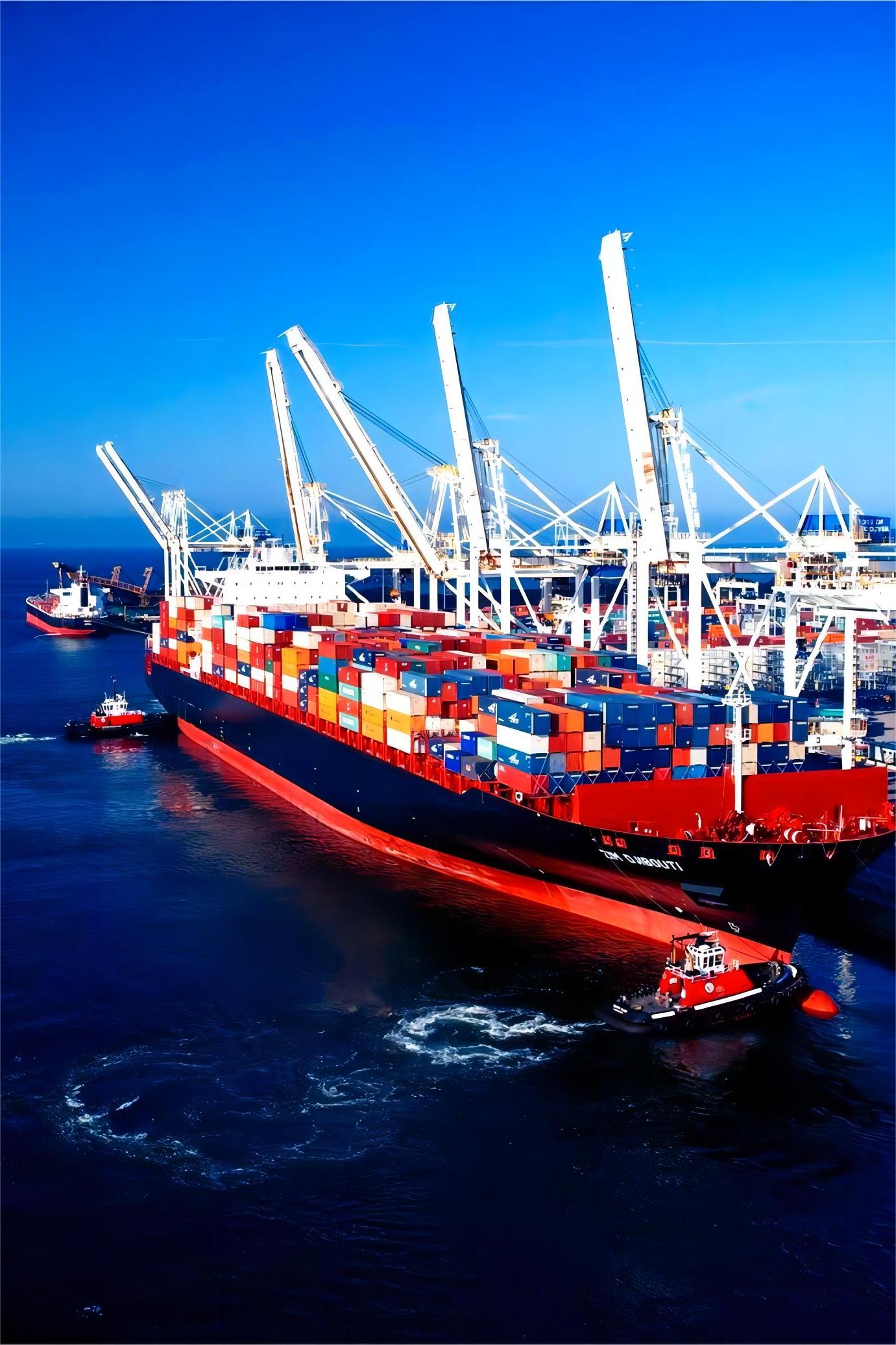
Understanding the difference between Full Container Load (FCL) and Less than Container Load (LCL) is vital for cost management. If you have enough cargo to fill a 20ft or 40ft container, FCL is generally the most economical choice. However, smaller businesses often benefit from LCL, where they share container space with other shippers. In this scenario, an international warehouse service china plays a crucial role by managing the consolidation process.
If you need to move smaller volumes quickly, air freight remains the fastest alternative for global distribution. Nevertheless, the costs can escalate quickly if your packaging is not optimized for weight and volume. A professional warehouse team can repack your goods to minimize dimensional weight, saving you significant amounts on shipping fees. Consequently, the value of a warehouse extends far beyond simple storage.
Key Features of Modern China Warehousing Facilities in 2026
Technological integration has transformed Chinese warehouses into highly efficient logistics engines. Most top-tier facilities now utilize AI-driven sorting and automated guided vehicles (AGVs) to speed up order processing. Furthermore, bonded warehouse services allow you to store goods without paying import duties until the items are actually sold. This improves your cash flow significantly, especially when dealing with high-value electronics or luxury goods.
For those targeting land-based routes to Central Asia or Europe, rail freight offers a middle ground between sea and air. Warehouses located near major rail terminals in cities like Chengdu or Xi’an provide specialized loading services for these long-distance journeys. In addition, these facilities often include climate-controlled sections for sensitive cargo. Therefore, you can ensure the integrity of your products regardless of the environmental conditions during transit.
Managing Customs and Documentation from the Warehouse
Navigating the complexities of international trade requires meticulous attention to documentation and local regulations. An integrated international warehouse service china often includes expert assistance with export licenses and certificates of origin. Moreover, if you are selling on major platforms, specialized Amazon FBA preparation services are essential. These services ensure your products meet strict labeling and packaging requirements before they even reach the fulfillment center.
Proper documentation prevents delays at the border and reduces the risk of expensive fines or cargo seizures. For instance, ensuring that your commercial invoice and packing list match perfectly is a basic but critical requirement. Additionally, a warehouse partner can help you navigate specific regional requirements for North America, Europe, or Australia. Consequently, your shipments move through customs smoothly, maintaining your delivery schedule and keeping customers happy.
| Document Type | Purpose | Required For | Issuer |
|---|---|---|---|
| Commercial Invoice | Value declaration | All Shipments | Seller/Exporter |
| Packing List | Detailed cargo breakdown | All Shipments | Warehouse/Seller |
| Bill of Lading | Title of goods | Sea/Rail Freight | Carrier |
| Certificate of Origin | Proof of manufacture | Preferential Tariffs | Chamber of Commerce |

Real Case Studies: Successful Global Distribution
Examining real-world examples helps illustrate the tangible benefits of a structured warehousing and shipping strategy. These cases reflect typical market conditions and pricing observed in early 2026. Note: Freight rates are subject to change based on fuel costs, carrier capacity, and seasonal demand. Contact us for a current quote tailored to your specific shipment.
Case Study 1: Electronics Distribution to North America. Route: Shenzhen to Los Angeles. Cargo: Consumer Electronics, 12 CBM, 2,500 kg. Container: LCL. Shipping Details: Major carrier, Port of Loading: Shenzhen, Port of Discharge: Los Angeles. Cost Breakdown: Ocean Freight: $1,450; Origin Charges: $350; Destination Charges: $550; Customs and Duties: $1,200; Total Landed Cost: $3,550. Timeline: Booking to Loading: 3 days; Sea Transit: 16 days; Customs Clearance: 2 days; Total Door-to-Door: 21 days. Key Insight: Consolidating multiple supplier orders at a Shenzhen warehouse reduced shipping costs by 25% compared to individual factory shipments.
Case Study 2: Fast-Fashion Logistics to Europe. Route: Ningbo to Hamburg. Cargo: Apparel, 65 CBM, 8,000 kg. Container: 40HQ. Shipping Details: MSC, Port of Loading: Ningbo, Port of Discharge: Hamburg. Cost Breakdown: Ocean Freight: $3,800; Origin Charges: $450; Destination Charges: $700; Customs and Duties: $2,100; Total Landed Cost: $7,050. Timeline: Booking to Loading: 5 days; Sea Transit: 32 days; Customs Clearance: 3 days; Total Door-to-Door: 40 days. Key Insight: Using a bonded warehouse in Ningbo allowed the client to defer duty payments until the peak shopping season began.
Which Option Should You Choose? Decision Framework
Determining the best logistics strategy depends heavily on your specific business priorities and cargo characteristics. If your primary goal is cost reduction for non-urgent goods, a warehouse-to-sea route is unbeatable. Conversely, if you are launching a new product with high market uncertainty, air freight provides the necessary speed to react to trends. Many businesses choose a door to door service to simplify the entire process from the China warehouse to their final customer.
Budget priority: Recommend sea freight for volumes over 2 CBM to maximize savings. Speed priority: Recommend air freight or express services for time-sensitive deliveries. Cargo type considerations: Use specialized bonded warehouses for high-value items to manage tax liabilities. Volume thresholds: Once you reach 15 CBM, compare the cost of a 20GP container against LCL rates, as FCL often becomes more secure and cost-effective at this point.

Mastering Global Logistics with China Warehousing
In conclusion, leveraging an international warehouse service china is no longer just an option but a necessity for scaling businesses. By centralizing your inventory, you gain better control over quality, costs, and delivery timelines. Whether you are shipping to North America, Europe, or Australia, a strategic warehouse partner provides the foundation for sustainable growth. Start optimizing your logistics today to stay ahead in the competitive landscape of 2026.
Ready to streamline your logistics?
Streamline your global logistics today with a professional international warehouse service china. Our expert team provides end-to-end support for storage, consolidation, and efficient shipping to any global destination. Visit China Freight Hub to request a personalized quote and optimize your supply chain for 2026 success.
Request Quote