

Shipping Company From China to UK: 2026 Logistics Guide
Finding a reliable shipping company from china to uk is the most critical step for businesses looking to optimize their international supply chain in 2026. Global trade dynamics have evolved significantly, making it essential to partner with a logistics provider that understands the latest UK customs regulations and port operations. This comprehensive guide provides the insights you need to navigate freight costs, transit times, and delivery strategies for your next shipment.
What Factors Should You Consider When Choosing a Shipping Company From China to UK?
Selecting a logistics partner requires careful evaluation of their operational capacity and regional expertise. Specifically, you should verify if the provider has a strong presence in major Chinese hubs like Shenzhen, Ningbo, and Shanghai. Moreover, a competent freight forwarder must demonstrate deep knowledge of the UK’s post-Brexit customs environment to ensure smooth clearance at ports like Felixstowe or Southampton.
Reliability often hinges on the company’s network of carriers and their ability to secure space during peak seasons. Consequently, businesses should prioritize companies that offer transparent tracking and proactive communication throughout the transit process. Additionally, checking for industry certifications and positive client testimonials can provide peace of mind before committing to a long-term partnership.
Cost-effectiveness is undoubtedly a priority, but the cheapest quote does not always represent the best value. For instance, a low-cost provider might lack comprehensive insurance or fail to provide adequate support when delays occur. Therefore, you should seek a balanced approach that combines competitive pricing with high-quality service and risk management.
How Does Sea Freight Compare to Other Shipping Options?
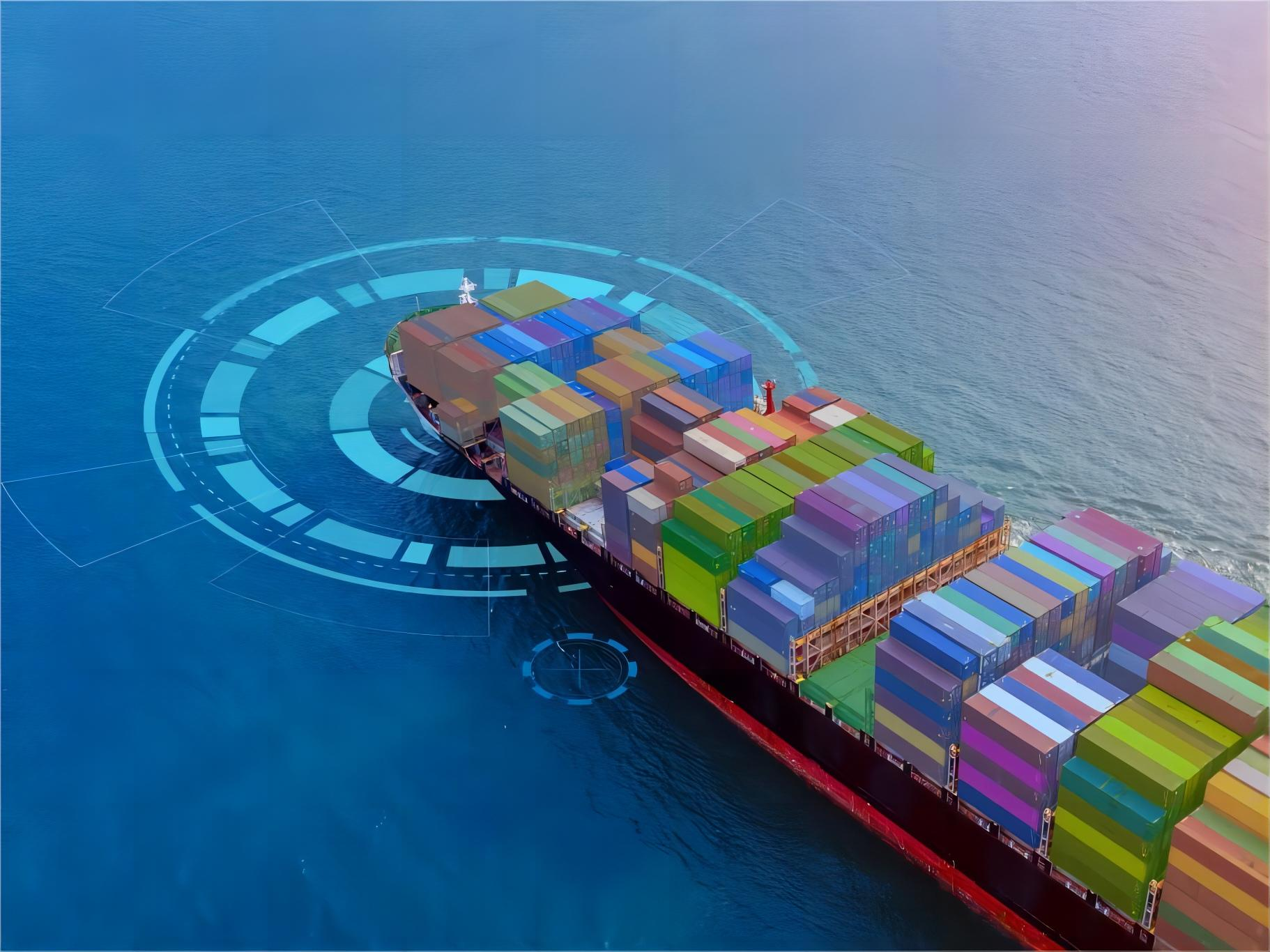
Sea freight remains the backbone of trade between China and the United Kingdom due to its immense capacity and lower cost per unit. While it is slower than other methods, it offers the most economical solution for large volumes of goods or heavy machinery. Indeed, most importers prefer sea freight for non-urgent shipments that require maximum budget efficiency.
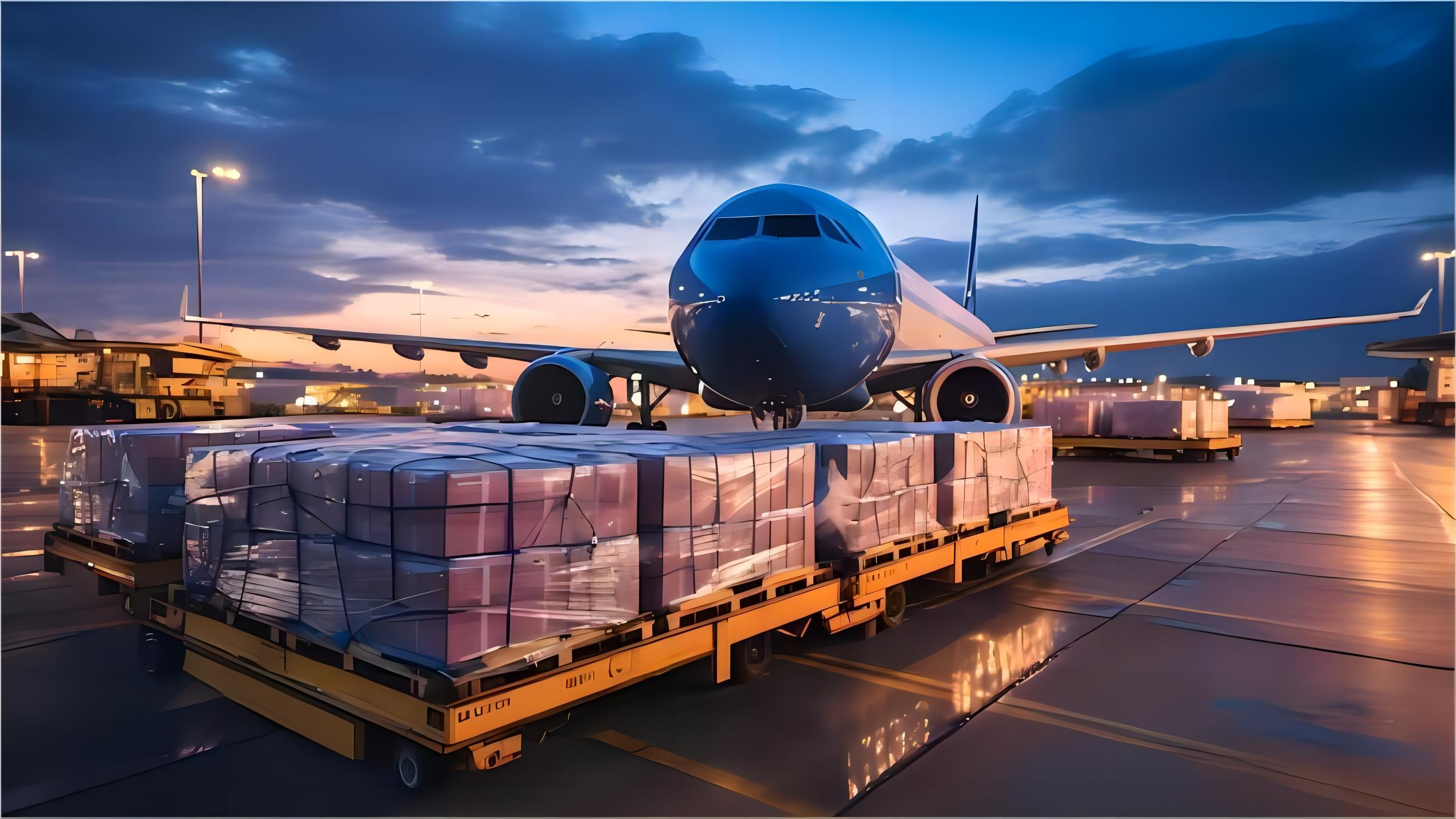
In contrast, air freight provides unmatched speed for high-value or perishable items that need to reach the UK market within days. However, the environmental impact and higher price point make it less suitable for bulk commodities. Meanwhile, rail freight has emerged as a middle-ground solution, offering faster transit than sea but at a lower cost than air.
Understanding these trade-offs is essential for maintaining a flexible logistics strategy. For example, some companies use a hybrid approach, utilizing sea freight for their core inventory and air freight for emergency restocks. As a result, they can manage costs while remaining responsive to market demand fluctuations in the UK.
| Shipping Method | Cost Range (2026) | Transit Time | Best For |
|---|---|---|---|
| Sea Freight (FCL) | $3,200 – $4,500 | 30 – 38 Days | Bulk Goods |
| Air Freight | $5.50 – $9.50/kg | 3 – 7 Days | Electronics |
| Rail Freight | $180 – $280/CBM | 18 – 25 Days | Medium Volume |
| Express Courier | $9.00 – $15.00/kg | 2 – 4 Days | Samples |
Which Option Should You Choose for Your UK Shipment?
Choosing the right method depends largely on your budget, cargo volume, and required delivery date. If your priority is keeping landed costs low, sea freight is the clear winner for shipments exceeding 15 cubic meters. On the other hand, if you are launching a new product and need it in London immediately, air freight is the superior choice despite the premium cost.
Volume thresholds often dictate the transition from Less than Container Load (LCL) to Full Container Load (FCL). Generally, if your cargo occupies more than 15 CBM, booking a 20ft container becomes more cost-effective than paying for individual cubic meters in a shared container. Furthermore, FCL shipments typically experience fewer delays because they do not require consolidation or deconsolidation at the warehouse.
Cargo type also plays a significant role in the decision-making process. For instance, hazardous materials or oversized equipment might face restrictions on rail or air routes, leaving sea freight as the only viable option. Consequently, you should consult with your logistics provider early in the planning stage to identify any potential regulatory hurdles.
Understanding Air Freight and Express Services
Modern businesses often rely on air freight to stay competitive in the fast-paced UK retail market. This method drastically reduces lead times, allowing companies to maintain lower inventory levels and improve cash flow. Additionally, air transport provides a higher level of security for sensitive items, reducing the risk of theft or damage during transit.
Express services are particularly useful for e-commerce sellers who need to send small parcels directly to customers. These services include door-to-door delivery and automated customs clearance, making them incredibly convenient for small-scale importers. Nevertheless, the cost can escalate quickly for heavier shipments, so it is vital to monitor weight and dimensions closely.
Market data from early 2026 suggests that air freight rates have stabilized, though they remain sensitive to fuel price fluctuations. Therefore, booking in advance and optimizing packaging to reduce volumetric weight are effective ways to save money. Without a doubt, air freight continues to be the preferred choice for the tech and fashion industries.
Can Rail Freight Save You Money on the China-UK Route?
The expansion of the New Silk Road has made rail freight an increasingly popular alternative for UK-bound cargo. This method is significantly faster than sea freight, often shaving two weeks off the total transit time. Moreover, it is much cheaper than air freight, providing a sustainable balance for mid-value goods like automotive parts and home appliances.
Rail routes typically transit through Central Asia and Europe before reaching the UK via the Eurotunnel or ferry connections. Consequently, this method is less affected by maritime congestion or Red Sea disruptions that sometimes plague sea routes. Indeed, many shippers now view rail as a vital component of a diversified and resilient supply chain.
However, rail freight availability can be limited by container shortages or geopolitical factors in transit countries. Shippers should also note that rail is best suited for FCL or large LCL shipments rather than small parcels. Accordingly, checking the latest schedule and route stability is recommended before finalizing a rail booking.

Navigating Customs Brokerage and UK Regulations
Importing goods into the UK requires strict adherence to HM Revenue and Customs (HMRC) guidelines and the latest trade agreements. Every shipment must have an EORI number, and the correct commodity codes must be applied to determine duty and VAT rates. Therefore, utilizing a professional customs brokerage is essential to avoid costly fines and shipment seizures.
Documentation accuracy is the most common reason for delays at the UK border. You must provide a commercial invoice, packing list, and bill of lading that all match perfectly in terms of descriptions and quantities. Furthermore, certain products may require additional licenses or certificates of origin, especially in the food, chemical, and electronics sectors.
Post-Brexit regulations have introduced new complexities for goods arriving from non-EU countries like China. As a result, businesses must stay informed about changing standards and potential trade barriers. Working with a shipping company that offers integrated customs support ensures that your paperwork is filed correctly and duties are paid promptly.
| Document Name | Purpose | Required By | Timing |
|---|---|---|---|
| Commercial Invoice | Valuation for Duty | HMRC | At Loading |
| Packing List | Inventory Verification | Port Authorities | At Loading |
| Bill of Lading | Title to Goods | Carrier | After Departure |
| EORI Number | Importer ID | UK Government | Before Shipping |
Door to Door Logistics and Amazon FBA Solutions
Many modern importers prefer a door to door service to simplify their operations. This comprehensive solution covers everything from factory pickup in China to final delivery at a UK warehouse or office. Consequently, it eliminates the need for the importer to manage multiple logistics providers and handle complex port transfers.
For e-commerce entrepreneurs, specialized Amazon FBA shipping services are indispensable. These providers ensure that cargo meets Amazon’s strict labeling and palletization requirements before it reaches the fulfillment center. Additionally, they often provide tax-prepaid (DDP) options, which simplify the accounting process for small business owners.
Implementing a door-to-door strategy often results in higher upfront quotes but lower total landed costs. For instance, you avoid unexpected storage fees and local trucking surcharges that often arise when managing segments individually. Therefore, this model is highly recommended for those seeking a hands-off approach to international trade.
How Much Does a Shipping Company From China to UK Cost in 2026?
Freight rates in 2026 are influenced by global fuel prices, seasonal demand, and carrier capacity management. For sea freight, a 20GP container currently ranges between $2,000 and $2,800, while a 40HQ container can cost up to $4,500 during peak months. Meanwhile, LCL rates typically hover around $80 to $120 per cubic meter depending on the origin port.
Air freight costs are more volatile, often changing weekly based on market conditions. Rates for 2026 generally stay between $5.00 and $10.00 per kilogram for standard cargo. However, express services can be significantly more expensive, especially for small shipments under 45kg. In contrast, rail freight offers a stable alternative with rates often locked in for longer periods.
Note: Freight rates are subject to change based on fuel costs, carrier capacity, and seasonal demand. Contact us for a current quote tailored to your specific shipment.
Real-World Case Studies for UK Shipments
Case Study 1: Electronics from Shenzhen to London
Route: Shenzhen, China to London, UK. Cargo: Consumer Electronics, 5 CBM, 1,200 kg. Container: LCL (Less than Container Load).
Shipping Details: Carrier: Major carrier via Singapore. Port of Loading: Shenzhen. Port of Discharge: Southampton. Route Type: Transshipment.
Cost Breakdown: Ocean Freight: $550. Origin Charges: $200. Destination Charges: $250. Customs and Duties: $450. Total Landed Cost: $1,450.
Timeline: Booking to Loading: 3 days. Sea Transit: 34 days. Customs Clearance: 2 days. Total Door-to-Door: 42 days.
Key Insight: Using LCL allowed the client to maintain stock levels without the high cost of a full container, despite the longer transit time.
Case Study 2: High-Fashion Apparel from Shanghai to Felixstowe
Route: Shanghai, China to Felixstowe, UK. Cargo: Designer Clothing, 68 CBM, 12,000 kg. Container: 40HQ (High Cube).
Shipping Details: Carrier: COSCO. Port of Loading: Shanghai. Port of Discharge: Felixstowe. Route Type: Direct.
Cost Breakdown: Ocean Freight: $4,100. Origin Charges: $350. Destination Charges: $400. Customs and Duties: $2,200. Total Landed Cost: $7,050.
Timeline: Booking to Loading: 5 days. Sea Transit: 31 days. Customs Clearance: 1 day. Total Door-to-Door: 39 days.
Key Insight: Direct routing minimized handling risks for high-value apparel and ensured the collection arrived in time for the seasonal launch.
Final Thoughts on UK Shipping Strategies
Navigating the complexities of international trade requires a strategic approach and a reliable partner. By choosing the right shipping company from china to uk, you can balance speed and cost while ensuring your goods arrive safely and on time. Whether you opt for the efficiency of sea freight, the speed of air transport, or the balance of rail, understanding the 2026 market landscape is your key to success.
Furthermore, focusing on accurate documentation and professional customs brokerage will prevent unnecessary delays and protect your profit margins. As global logistics continue to evolve, staying informed and flexible will allow your business to thrive in the competitive UK market. Start planning your next shipment today with a focus on long-term growth and operational excellence.
Ready to streamline your logistics?
Ready to streamline your supply chain with a trusted shipping company from china to uk? Contact our expert logistics team today for a customized freight quote and professional guidance on your next shipment. Visit China Freight Hub to get started.
Request Quote