

Shipping from China to Canada: 2026 Guide to Rates and Routes
“Shipping from China to Canada requires a sophisticated understanding of trans-Pacific logistics and evolving trade regulations in 2026. China Freight Hub provides the necessary expertise to navigate these complexities while ensuring your cargo arrives on schedule. This guide offers a detailed analysis of the most efficient transport methods, current pricing trends, and strategic advice for Canadian importers.”

What Are the Best Methods for Shipping from China to Canada?
❖Choosing the right transport mode is the most critical decision for any importer targeting the Canadian market. Consequently, you must evaluate the trade-offs between speed, volume, and budget to maintain a healthy supply chain.
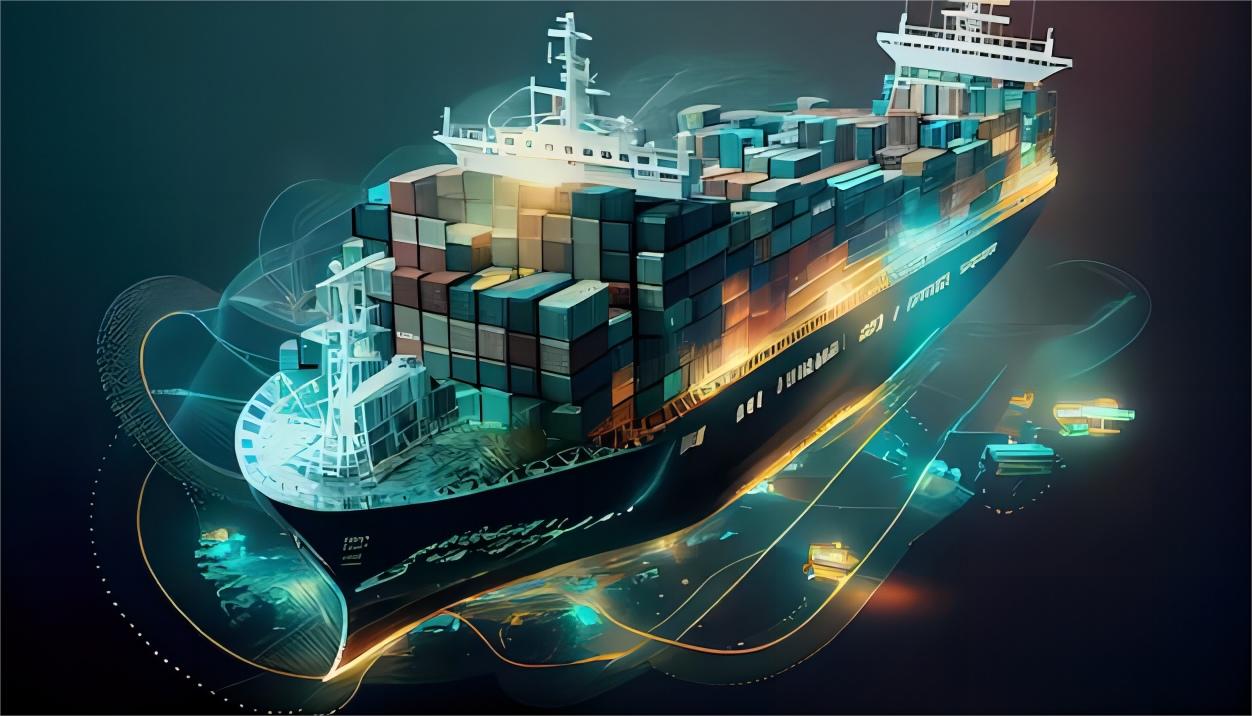
Sea freight remains the backbone of international trade for bulkier goods and large inventories. Specifically, sea freight offers the lowest cost per unit for high-volume shipments.
Air freight serves as the primary choice for high-value electronics or time-sensitive seasonal products. Although it commands a higher price, the speed of delivery often justifies the investment for urgent restocking needs.
Express services provide the ultimate convenience for small parcels and samples. These door-to-door solutions integrate customs clearance, making them ideal for e-commerce entrepreneurs and startup businesses.
| Shipping Method | Cost Range | Transit Time | Best For |
|---|---|---|---|
| Sea Freight (FCL) | $2,200 – $5,800 | 18 – 35 Days | Bulk inventory |
| Sea Freight (LCL) | $80 – $150 per CBM | 25 – 45 Days | Small business |
| Air Freight | $5.50 – $9.00 per kg | 3 – 7 Days | Urgent goods |
| Express Courier | $8.00 – $14.00 per kg | 2 – 5 Days | Samples |
Full Container Load vs Less than Container Load
Full Container Load (FCL) involves renting an entire 20-foot or 40-foot container for your exclusive use. This method typically results in faster transit times because the container does not need to be opened until it reaches your warehouse.
Less than Container Load (LCL) allows you to share space with other shippers, paying only for the volume you occupy. However, this process requires consolidation at the origin and deconsolidation at the destination, which can add several days to the timeline.
How Much Does Shipping from China to Canada Cost in 2026?
❖Freight rates in early 2026 have shown moderate volatility due to fluctuating fuel surcharges and port infrastructure developments. Moreover, seasonal demand spikes during the pre-Lunar New Year period can significantly impact your total landed cost.
Ocean freight for a 40HQ container from Shanghai to Vancouver currently averages between $2,800 and $3,500. In contrast, shipping to East Coast ports like Toronto or Montreal via the Panama Canal can cost between $4,500 and $6,000.
Air freight pricing remains sensitive to capacity levels and global jet fuel prices. Utilizing air freight during peak seasons like October through December often requires booking weeks in advance to secure competitive rates.
Note: Freight rates are subject to change based on fuel costs, carrier capacity, and seasonal demand. Contact us for a current quote tailored to your specific shipment.
How Does Sea Freight Compare to Other Shipping Options?
❖Analyzing the objective differences between transport modes helps in selecting the most profitable strategy for your business. Sea freight provides unparalleled capacity but lacks the agility of air transport.
While sea freight costs $2,500-3,800 for a 40HQ to the West Coast, air freight for the same volume would cost $18,000-28,000. Nevertheless, air freight arrives in less than a week, whereas sea transit takes nearly a month.
Direct routes to Vancouver or Prince Rupert usually cost 10-15% more than transshipment options. However, these direct services save approximately 5-8 days, which can be vital for maintaining inventory levels.
Hybrid solutions like sea-air combinations are gaining popularity in 2026 for mid-tier urgency. These strategies involve shipping by sea to a hub like Dubai or Singapore and then flying the cargo to Canada.
| Shipping Method | Cost Level | Speed | Limitations |
|---|---|---|---|
| Sea Freight | Very Low | Slow | Weather delays |
| Air Freight | High | Very Fast | Weight limits |
| Express | Very High | Instant | High cost |
| Sea-Air Hybrid | Moderate | Moderate | Complex handling |
Which Option Should You Choose for Your Business?
❖Budget priority dictates a heavy reliance on sea freight, specifically FCL for shipments over 15 cubic meters. If your primary goal is cost-saving, planning your production cycles 3 months in advance is essential.
Speed priority necessitates air freight or express services to meet tight deadlines. This approach is common for product launches or when stockouts threaten your market position on platforms like Amazon.
Cargo type considerations often force the choice of method regardless of cost. For example, hazardous materials or oversized machinery may only be eligible for specific sea freight carriers.
Volume thresholds suggest that for shipments under 100kg, express courier is usually the most economical choice. Conversely, shipments exceeding 500kg almost always benefit from standard air or sea freight arrangements.
Real-World Scenario Case Studies
❖Reviewing actual shipment data provides a realistic expectation of the logistics process in 2026. These examples illustrate how different variables affect the final delivery outcome.
Case Study 1: Electronics from Shenzhen to Vancouver. This shipment utilized a 20GP container for high-end consumer goods. The importer chose a direct route to minimize handling risks.
Case Study 2: Furniture from Ningbo to Toronto. A furniture retailer used a 40HQ container via the Panama Canal. This method balanced cost efficiency with the need for high-volume capacity.
Case Study 1: High-Tech Consumer Electronics
Route: Shenzhen, China to Vancouver, Canada. Cargo: Consumer electronics, 25 CBM, 4,200 kg. Container: 20GP. Carrier: Major carrier. Port of Loading: Shenzhen. Port of Discharge: Vancouver. Route Type: Direct.
Cost Breakdown: Ocean Freight: $2,150. Origin Charges: $450. Destination Charges: $620. Customs and Duties: $1,100. Total Landed Cost: $4,320.
Timeline: Booking to Loading: 4 days. Sea Transit: 15 days. Customs Clearance: 2 days. Total Door-to-Door: 21 days. Key Insight: Early booking allowed the shipper to secure a competitive rate before the Q3 peak season.
Case Study 2: Residential Furniture Inventory
Route: Ningbo, China to Toronto, Canada. Cargo: Home furniture, 68 CBM, 12,500 kg. Container: 40HQ. Carrier: COSCO. Port of Loading: Ningbo. Port of Discharge: Toronto (via Prince Rupert rail link). Route Type: Transshipment.
Cost Breakdown: Ocean Freight: $5,200. Origin Charges: $580. Destination Charges: $850. Customs and Duties: $2,400. Total Landed Cost: $9,030.
Timeline: Booking to Loading: 6 days. Sea Transit: 28 days. Customs Clearance: 3 days. Total Door-to-Door: 37 days. Key Insight: Using the Prince Rupert rail link saved 4 days compared to shipping through the Panama Canal.
Navigating Canadian Customs and Documentation
❖Clearing customs in Canada requires meticulous attention to detail and accurate paperwork. Consequently, hiring a professional customs brokerage service is highly recommended to avoid costly delays.
Essential documents include the Commercial Invoice, Packing List, and Bill of Lading. Furthermore, you must provide a Canada Customs Invoice (CCI) for shipments valued over 2,500 Canadian dollars.
Importers must also account for the Goods and Services Tax (GST), which is generally 5% of the duty-paid value. Some provinces may also require Provincial Sales Tax (PST) or Harmonized Sales Tax (HST) depending on the destination.
Accuracy in Harmonized System (HS) codes is vital for determining the correct duty rates. Incorrect classification can lead to audits, fines, or the seizure of your cargo by the Canada Border Services Agency (CBSA).
Shipping to Amazon FBA Canada from China
❖Selling on Amazon Canada requires adherence to strict delivery windows and packaging standards. Our Amazon FBA services streamline this process by handling labeling and palletization at our China warehouses.
Delivery to FBA centers in cities like Brampton, Milton, or Richmond requires appointment scheduling through the Carrier Central portal. Therefore, choosing a freight forwarder with experience in FBA logistics is paramount for success.
Most FBA sellers prefer DDP (Delivered Duty Paid) terms to simplify their operations. Under DDP, the forwarder handles all taxes and duties, allowing the seller to focus on marketing and sales growth.
Improperly labeled shipments can be rejected at the warehouse, leading to significant return shipping costs. Consequently, verify that your supplier understands Amazon specific requirements before the goods leave the factory.
Strategic Tips for Reducing Shipping Costs
❖Consolidating shipments is one of the most effective ways to lower your logistics expenses. By combining multiple orders into a single container, you reduce the per-unit cost of documentation and port fees.
Optimizing your packaging can also lead to substantial savings, especially for air freight where volume-weight calculations apply. Furthermore, using door to door services can eliminate hidden middleman fees.
Negotiating with multiple carriers allows you to leverage market competition for better rates. Meanwhile, maintaining a flexible delivery schedule can help you take advantage of off-peak discounts offered by shipping lines.
Investing in cargo insurance provides peace of mind and financial protection against unforeseen events. While it adds a small cost to the shipment, the security it offers during trans-Pacific transit is invaluable.
Mastering Your Logistics from China to Canada
Successfully managing shipping from China to Canada requires a blend of strategic planning and expert execution. By understanding the nuances of different freight methods and staying updated on market trends, you can significantly improve your profit margins.
Whether you prioritize the speed of air freight or the economy of sea freight, having a reliable partner is essential. China Freight Hub remains committed to providing transparent, efficient, and cost-effective shipping solutions for the Canadian market.

Ready to streamline your logistics?
Streamline your supply chain today with expert logistics support. Contact China Freight Hub to receive a customized quote for shipping from China to Canada and ensure your business remains competitive in 2026. Send an Inquiry to get started.
Request Quote