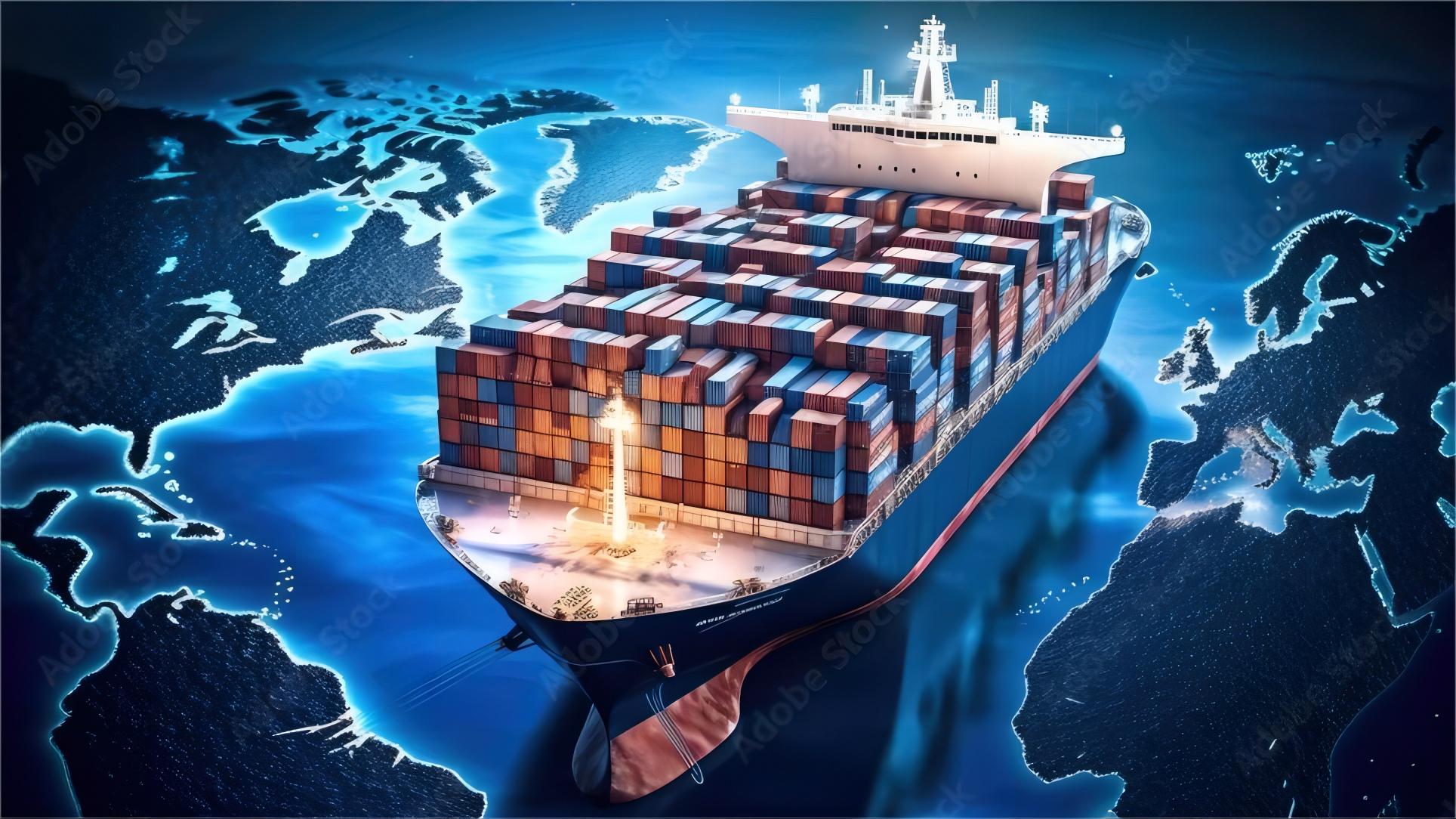

2026 Cargo Shipping Rates from China: The Complete Logistics Guide
Navigating cargo shipping rates from china requires a deep understanding of the current 2026 market dynamics and global trade shifts. China Freight Hub provides the essential expertise and carrier relationships needed to secure competitive pricing for your international shipments. Consequently, businesses that stay informed about these fluctuating costs can significantly improve their bottom line and delivery reliability.
✦
What Factors Influence Cargo Shipping Rates from China in 2026?
Market conditions in early 2026 have stabilized following the disruptions of previous years, yet several variables continue to dictate final pricing. Fuel surcharges remain a primary driver as carriers adjust to new environmental regulations and shifting oil prices. Furthermore, seasonal demand spikes during the Golden Week and before the Lunar New Year can cause rates to surge by 20 percent or more.

Capacity management by major ocean alliances also plays a critical role in determining the available space and subsequent costs. When carriers blank sailings to maintain price floors, importers often face higher spot rates and equipment shortages. Therefore, securing long-term contracts or working with an experienced freight forwarder is vital for budget stability.
Port congestion and labor availability at destination hubs like Los Angeles or Rotterdam can add unexpected surcharges to your total landed cost. Additionally, the type of cargo you ship, such as hazardous materials or oversized equipment, requires specialized handling that increases the base rate. Understanding these nuances allows for better financial planning and risk mitigation.
How Much Does Sea Freight Cost from China?
Importers often choose sea freight because it remains the most economical method for transporting large volumes of goods. For a standard 40HQ container from Shanghai to the US West Coast, rates currently range between 2,800 and 3,800 dollars depending on the carrier. Meanwhile, shipments to Europe typically command slightly higher prices due to longer transit times and canal fees.
Less than Container Load (LCL) options provide a flexible alternative for businesses that do not have enough goods to fill a whole unit. These rates are usually calculated per cubic meter (CBM), making it cost-effective for smaller inventories. However, you must account for consolidation and deconsolidation fees that can add to the total expense.
Market data suggests that Full Container Load (FCL) shipping offers the best value for shipments exceeding 15 CBM. By utilizing the entire space, you minimize the risk of damage and reduce the per-unit shipping cost significantly. Consequently, optimizing your order sizes to fit standard container dimensions is a proven strategy for lowering overall logistics expenses.
| Route | 20GP Container | 40HQ Container | Transit Time |
|---|---|---|---|
| China to USA West | $1,500 – $2,200 | $2,800 – $3,800 | 14-18 Days |
| China to USA East | $2,500 – $3,500 | $4,500 – $6,000 | 30-35 Days |
| China to Europe | $1,800 – $2,500 | $3,000 – $4,200 | 28-35 Days |
| China to Australia | $800 – $1,200 | $1,400 – $2,000 | 12-18 Days |
Is Air Freight a Viable Option for Your Cargo?
Speed is the primary advantage when you utilize air freight for your high-value or time-sensitive products. While the costs are substantially higher than ocean transport, the reduction in transit time can be critical for product launches or inventory replenishment. Indeed, most air shipments from China reach their global destinations within 3 to 7 business days.
Pricing for air cargo is determined by either actual weight or volumetric weight, whichever is greater. This means that lightweight but bulky items can be surprisingly expensive to ship via plane. Accordingly, smart packaging and vacuum sealing can help reduce the chargeable weight and save your business money on every shipment.
Moreover, the security and cargo handling standards in air transport are generally superior to other methods. This reduces the likelihood of theft or damage, which is particularly important for electronics and luxury goods. Nevertheless, you should always compare the urgent need for the product against the premium price of the flight.
How Does Rail Freight Compare to Other Shipping Options?
The expansion of the Iron Silk Road has made rail freight an increasingly popular middle-ground solution for China-Europe trade. It offers faster delivery than the sea but at a much lower price point than air transport. For instance, a shipment from Chengdu to Hamburg might take 15 to 18 days, providing a balanced logistics strategy.
Reliability is a standout feature of rail transport, as it is less susceptible to the weather delays that often plague ocean vessels. Furthermore, fixed schedules allow for precise supply chain planning and inventory management. In contrast, rail services are not available for routes to North America or Australia due to geographical constraints.
Selecting rail transport can also improve your company’s sustainability profile by reducing carbon emissions compared to air freight. As environmental regulations tighten in 2026, many businesses are shifting their cargo handling to rail to meet corporate social responsibility goals. Therefore, it serves as an excellent alternative for non-perishable goods that require moderate speed.
| Method | Cost Level | Transit Time | Best For |
|---|---|---|---|
| Sea Freight | Low | 30-45 Days | Bulk Goods |
| Air Freight | High | 3-7 Days | Urgent Items |
| Rail Freight | Medium | 15-20 Days | Mid-value Goods |
| Express | Very High | 2-5 Days | Small Samples |
What are the Benefits of Door to Door Delivery?
Managing multiple logistics providers can be a headache for many importers. Choosing a door to door service simplifies the entire process by providing a single point of contact from the factory to the warehouse. This comprehensive solution covers everything from local pickup in China to final delivery at your doorstep.
Transparency in pricing is another significant advantage of this service model. Instead of dealing with separate invoices for trucking, ocean freight, and customs clearance, you receive one all-inclusive quote. Consequently, this helps in accurately calculating your landed cost and setting appropriate retail prices for your products.
Moreover, the coordination between different stages of the journey is much smoother when one company manages the entire chain. This reduces the risk of communication gaps that often lead to delays or extra storage fees at the port. Indeed, many modern businesses prefer this hands-off approach to focus more on their core operations.
How Do Rates Vary by Destination Region?
Shipping routes to North America are among the busiest and most competitive in the world. Rates fluctuate based on whether you are shipping to the West Coast or the East Coast, with the latter requiring transit through the Panama Canal. Therefore, choosing the right port of entry can save you hundreds of dollars per container.
For those importing to Europe, the logistics landscape involves navigating various inland transport networks after the ship reaches port. Major hubs like Rotterdam and Hamburg offer excellent rail and road connections to the rest of the continent. Meanwhile, Mediterranean ports provide a faster entry point for southern European destinations.
The route to Australia is relatively shorter but subject to strict biosecurity and customs regulations. While ocean freight is the dominant method, the lack of rail options means that air freight is the only alternative for urgent cargo. Understanding these regional differences is essential for optimizing your global distribution network.
Real Case Studies: 2026 Shipping Scenarios
Case Study 1: Electronics to California
Route: Shenzhen, China to Los Angeles, USA. Cargo: Consumer Electronics, 12 CBM, 2,800 kg. Container: LCL. Shipping Details: Major carrier, Port of Loading: Shenzhen, Port of Discharge: Los Angeles. Route Type: Direct.
Cost Breakdown: Ocean Freight: $1,150. Origin Charges: $320. Destination Charges: $480. Customs and Duties: $250. Total Landed Cost: $2,200. Timeline: Booking to Loading: 3 days. Sea Transit: 16 days. Customs Clearance: 2 days. Total Door-to-Door: 21 days.
Key Insight: Utilizing a direct route saved 5 days of transit time compared to transshipment options, which was crucial for meeting a specific product launch date.
Case Study 2: Industrial Parts to Germany
Route: Chengdu, China to Hamburg, Germany. Cargo: Machine Parts, 40HQ Container. Shipping Method: Rail Freight. Port of Loading: Chengdu Railway Terminal. Port of Discharge: Hamburg Billwerder. Route Type: Direct Rail.
Cost Breakdown: Rail Freight: $4,500. Origin Charges: $400. Destination Charges: $550. Customs: $300. Total Landed Cost: $5,750. Timeline: Transit: 18 days. Total Door-to-Door: 24 days.
Key Insight: Rail freight provided a 40 percent cost saving compared to air freight while arriving 12 days faster than sea freight.
How Can You Save Money on Cargo Shipping Rates from China?
Consolidating your shipments is one of the most effective ways to lower your per-unit costs. By combining smaller orders into a single FCL shipment, you avoid the higher CBM rates associated with LCL. Additionally, optimizing your packaging to eliminate dead space ensures you are not paying to ship air.
Working with a professional customs brokerage can help you avoid costly fines and delays. They ensure all documentation is accurate and that you are using the correct HS codes to minimize duty payments. Furthermore, they can advise on trade agreements that might offer tax exemptions for your specific products.
Comparing quotes from multiple providers is another essential practice for any savvy importer. However, you should look beyond the base rate and consider the reliability and service quality of the forwarder. Sometimes, paying a slightly higher rate for a guaranteed space during peak season is more economical than facing a two-week delay.

Which Shipping Option Should You Choose?
Budget priority: If your primary goal is to minimize costs and your lead times are flexible, sea freight is the clear winner. This method is ideal for large, heavy items that do not lose value quickly over a month of transit. Consequently, it remains the backbone of most global supply chains.
Speed priority: When you have urgent deadlines or high-value goods with a short shelf life, air freight is necessary. The higher cost is offset by the ability to respond quickly to market demands and maintain low inventory levels. For instance, fashion and tech industries rely heavily on this method.
Hybrid solutions: For shipments that require a balance of speed and cost, rail freight or sea-air combinations offer a strategic middle ground. These options allow you to bypass port congestion while keeping your logistics budget under control. Always evaluate your specific cargo type and delivery requirements before making a final decision.
Final Thoughts on 2026 Shipping Costs
Understanding the complexities of cargo shipping rates from china is a continuous process that requires staying updated on market trends and regional variations. Whether you choose the speed of air or the economy of the sea, the key to success lies in careful planning and expert partnerships. By utilizing the strategies outlined in this guide, you can navigate the 2026 logistics landscape with confidence.
Note: Freight rates are subject to change based on fuel costs, carrier capacity, and seasonal demand. Contact us for a current quote tailored to your specific shipment.