

Logistics and Customs Clearance China: A Complete 2026 Guide
“Logistics and customs clearance China operations require meticulous planning and deep regulatory knowledge to succeed in the competitive 2026 global market. China Freight Hub provides the essential infrastructure and expertise needed to manage complex supply chains efficiently. Consequently, understanding the intersection of international transport and local compliance is the first step toward reducing overhead and ensuring timely delivery. This guide explores the modern landscape of Chinese exports, offering actionable insights for businesses of all sizes.”
What is Logistics and Customs Clearance China?
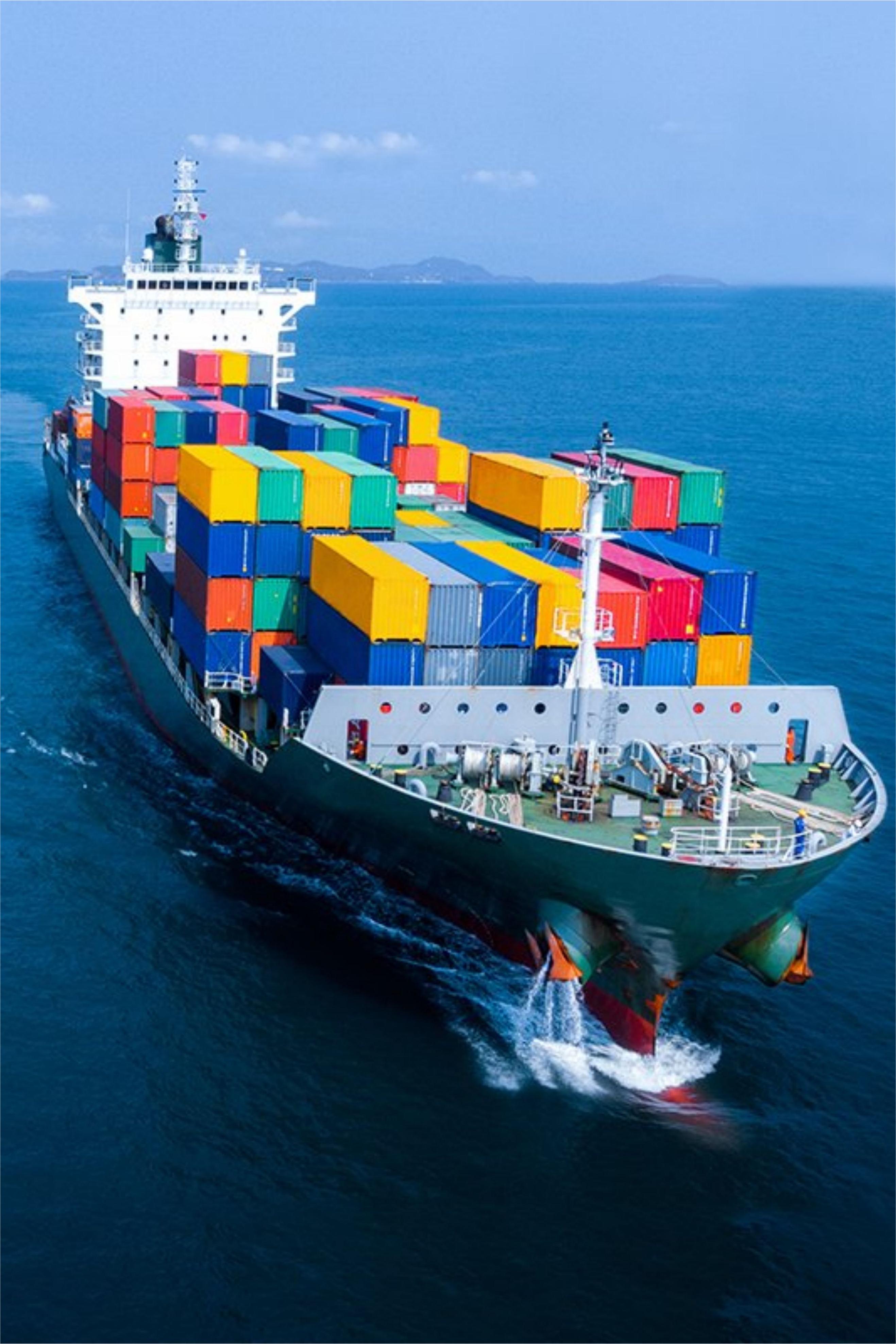
❖Modern logistics and customs clearance China processes involve the coordination of transport, storage, and legal documentation for goods leaving Chinese ports. Specifically, the logistics side focuses on the physical movement of cargo through various transport modes like sea or air. Meanwhile, customs clearance encompasses the submission of required paperwork to ensure compliance with both Chinese export laws and destination import regulations.
Effective management of these two pillars prevents costly delays at the border. Furthermore, the 2026 market demands higher levels of transparency and digitalization in reporting. Therefore, shippers must stay updated on the latest Harmonized System codes and tax policies to avoid penalties. Indeed, a well-structured logistics plan is the backbone of any successful international trade venture.
Choosing a reliable partner for customs brokerage can significantly simplify these complex requirements. Additionally, professional brokers handle the communication with authorities, ensuring that every declaration is accurate. Consequently, businesses can focus on their core operations while experts manage the intricacies of border control.
How Does Sea Freight Compare to Other Shipping Options?
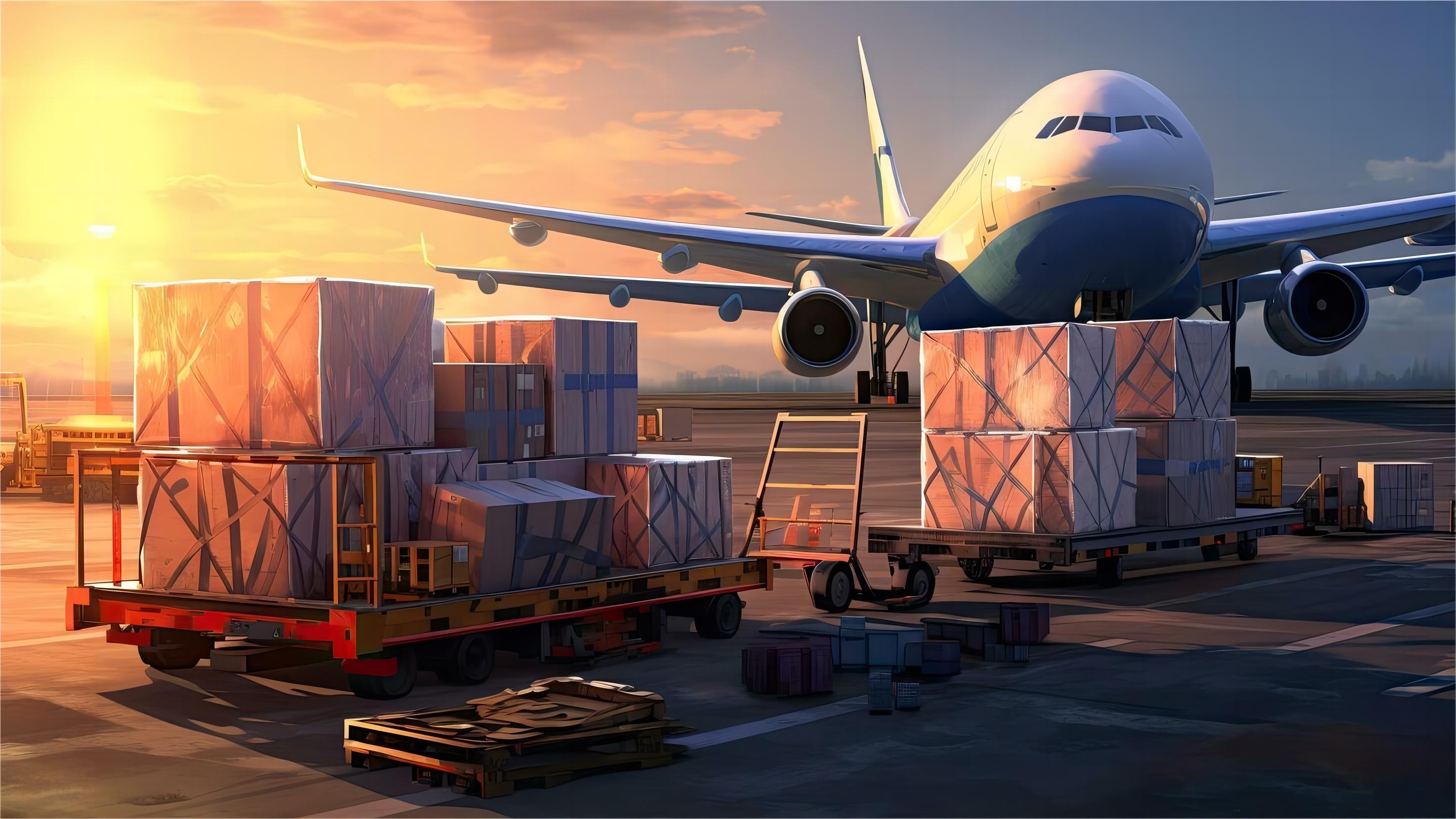
❖Selecting the right transport mode is a critical decision that impacts your entire supply chain budget and timeline. While sea freight remains the most popular choice for large volumes, alternatives like air and rail offer distinct advantages for specific scenarios. For instance, air freight provides unparalleled speed for high-value or perishable items. On the other hand, rail freight serves as a balanced middle ground for shipments destined for Europe.
Market data from early 2026 suggests that sea freight rates have stabilized, making it the most cost-effective solution for bulk commodities. Nevertheless, transit times are significantly longer compared to other methods. In contrast, air freight can cut delivery times from weeks to days, albeit at a much higher price point. Understanding these trade-offs is essential for optimizing your logistics strategy.
Hybrid solutions are also gaining traction in 2026 as companies seek to balance cost and speed. For example, sea-air combinations allow cargo to move by ship to a major hub before being flown to the final destination. Consequently, this approach saves money compared to pure air freight while remaining faster than standard ocean transit.
| Shipping Method | Cost Range | Transit Time | Best For |
|---|---|---|---|
| Sea Freight (FCL) | $2,500 – $5,500 | 25 – 45 Days | Large bulk shipments |
| Air Freight | $5.00 – $12.00/kg | 3 – 7 Days | Urgent high-value goods |
| Rail Freight | $1.50 – $3.00/kg | 15 – 22 Days | Mid-sized Europe cargo |
| Express Service | $8.00 – $20.00/kg | 2 – 5 Days | Small parcels and samples |
Essential Documentation for Logistics and Customs Clearance China
❖Accurate documentation is the foundation of successful logistics and customs clearance China operations. Without the correct paperwork, shipments can be detained indefinitely, leading to storage fees and lost revenue. Primarily, the Commercial Invoice and Packing List are the most basic requirements for every export. Moreover, the Bill of Lading serves as both a receipt for cargo and a contract of carriage.
Specific products may require additional certifications such as a Certificate of Origin or specialized permits for hazardous materials. Additionally, the 2026 regulatory environment emphasizes environmental compliance and sustainability reporting. Therefore, ensuring your documents reflect the correct HS codes and valuation is more important than ever. Indeed, even a small error in a declaration can trigger a full customs audit.
Utilizing a door to door service often includes the management of all these documents as part of the package. In addition, these providers offer end-to-end visibility, which helps in tracking the status of clearance in real-time. Consequently, this reduces the administrative burden on the importer and minimizes the risk of human error during the filing process.
Which Option Should You Choose? A Decision Framework
❖Determining the best shipping strategy depends on several factors, including budget, urgency, and cargo volume. If your priority is minimizing costs, sea freight is almost always the superior choice for shipments over 15 cubic meters. Conversely, if you are shipping small quantities, express service offers the convenience of fast delivery and simplified customs. Choosing the right path requires a clear understanding of your business priorities.
Volume thresholds often dictate when to switch from Less than Container Load (LCL) to Full Container Load (FCL). Typically, once a shipment exceeds 13-15 CBM, booking a 20GP container becomes more economical than paying for individual cubic meters. Furthermore, FCL shipments generally face fewer delays during customs clearance because the container does not need to be deconsolidated. Therefore, planning for larger, less frequent shipments can lead to significant savings.
Speed priority necessitates a move toward air or rail options. For shipments from China to Europe, rail freight provides a reliable alternative that is faster than sea but cheaper than air. Meanwhile, North American routes rely heavily on sea and air, with transit times varying based on West Coast or East Coast port selection. Ultimately, your choice should align with your customers’ expectations and your profit margins.
Logistics Trends and Market Outlook for 2026
❖As of Q1 2026, freight rates from China to global destinations have stabilized after the fluctuations of previous years. However, seasonal peaks still occur during the lead-up to the Lunar New Year and the Q4 holiday rush. During these periods, rates typically increase by 15-25% due to high demand and limited carrier capacity. Consequently, booking at least 3-4 weeks in advance is highly recommended to secure space.
Technological integration is another major trend shaping logistics and customs clearance China today. Many ports now utilize automated cargo handling and AI-driven customs screening to speed up processing times. Additionally, blockchain technology is being used to create immutable records of shipping documents, enhancing security and trust. Indeed, staying ahead of these technological shifts can provide a competitive advantage in the global market.
Sustainability is no longer optional in 2026, as new regulations require detailed carbon footprint reporting for international shipments. Many carriers are now offering ‘green shipping’ options using biofuels or electric-powered vessels. Furthermore, companies that prioritize eco-friendly logistics may benefit from tax incentives in certain jurisdictions. Therefore, incorporating sustainable practices into your supply chain is both an ethical and a financial consideration.
Case Study 1: Electronics from Shenzhen to USA
❖Route: Shenzhen, China to Los Angeles, USA. Cargo: Consumer Electronics, 18 CBM, 4,500 kg. Container: 20GP Full Container. Shipping Details: Major carrier, direct route from Yantian Port to Port of Los Angeles. This shipment took place in early 2026 during a period of steady demand.
Cost Breakdown: Ocean Freight: $2,100. Origin Charges: $450. Destination Charges: $600. Customs and Duties: $1,200. Total Landed Cost: $4,350. Timeline: Booking to Loading: 4 days. Sea Transit: 16 days. Customs Clearance: 2 days. Total Door-to-Door: 22 days. Key Insight: Choosing FCL over LCL for this 18 CBM shipment saved approximately $400 in handling fees and reduced the risk of damage.

Case Study 2: Industrial Parts from Shanghai to Germany
❖Route: Shanghai, China to Hamburg, Germany. Cargo: Industrial Machinery Parts, 5 CBM, 1,200 kg. Container: LCL (Less than Container Load). Shipping Details: Transshipment via Singapore using a major global carrier. This route is a standard for European industrial imports.
Cost Breakdown: Ocean Freight: $450. Origin Charges: $200. Destination Charges: $350. Customs and Duties: $850. Total Landed Cost: $1,850. Timeline: Booking to Loading: 5 days. Sea Transit: 34 days. Customs Clearance: 3 days. Total Door-to-Door: 42 days. Key Insight: While LCL was cost-effective, the transshipment added 7 days to the transit time compared to a direct call, which the client accepted to save on freight costs.
Realistic Pricing Reference for 2026
❖Industry benchmarks for 2026 indicate that freight rates have found a new baseline. For example, shipping a 40HQ container from China to the US West Coast currently ranges between $2,800 and $3,800 depending on the carrier. Meanwhile, routes to Europe are slightly higher due to the longer distance and canal transit fees. It is important to note that these figures are subject to change based on fuel surcharges and seasonal demand.
Note: Freight rates are subject to change based on fuel costs, carrier capacity, and seasonal demand. Contact us for a current quote tailored to your specific shipment.
| Route | 20GP Container | 40HQ Container | Transit Time |
|---|---|---|---|
| China to USA West | $1,600 – $2,300 | $2,900 – $3,900 | 14 – 18 Days |
| China to Europe | $1,900 – $2,600 | $3,100 – $4,300 | 28 – 35 Days |
| China to Australia | $900 – $1,300 | $1,500 – $2,100 | 12 – 18 Days |
| China to UK | $2,100 – $2,900 | $3,600 – $4,600 | 30 – 38 Days |
Final Thoughts on Logistics and Customs Clearance China
Mastering logistics and customs clearance China is a continuous process of adaptation and learning. By staying informed about 2026 market trends and regulatory changes, businesses can avoid common pitfalls and build more resilient supply chains. Furthermore, leveraging the expertise of professional freight forwarders ensures that your cargo moves efficiently across borders. Whether you are shipping small parcels or full containers, the right strategy will always prioritize a balance of cost, speed, and compliance. Start planning your next shipment today to secure the best rates and transit times available in the current market.
Ready to streamline your logistics?
Streamline your international trade with professional logistics and customs clearance China services. Contact China Freight Hub today to receive a personalized quote and optimize your 2026 shipping strategy. Send Inquiry: https://chinafreighthub.com/contact-us/
Request Quote