

Container Shipping from China: The Ultimate 2026 Logistics Guide
Navigating the complexities of global logistics requires a reliable partner to streamline your supply chain. If you are planning container shipping from china, understanding the current 2026 market dynamics is essential for success. Consequently, this guide provides actionable insights to help you optimize costs, select the best transport methods, and avoid common customs delays. Ultimately, our goal is to empower your business with the knowledge needed to make informed shipping decisions.
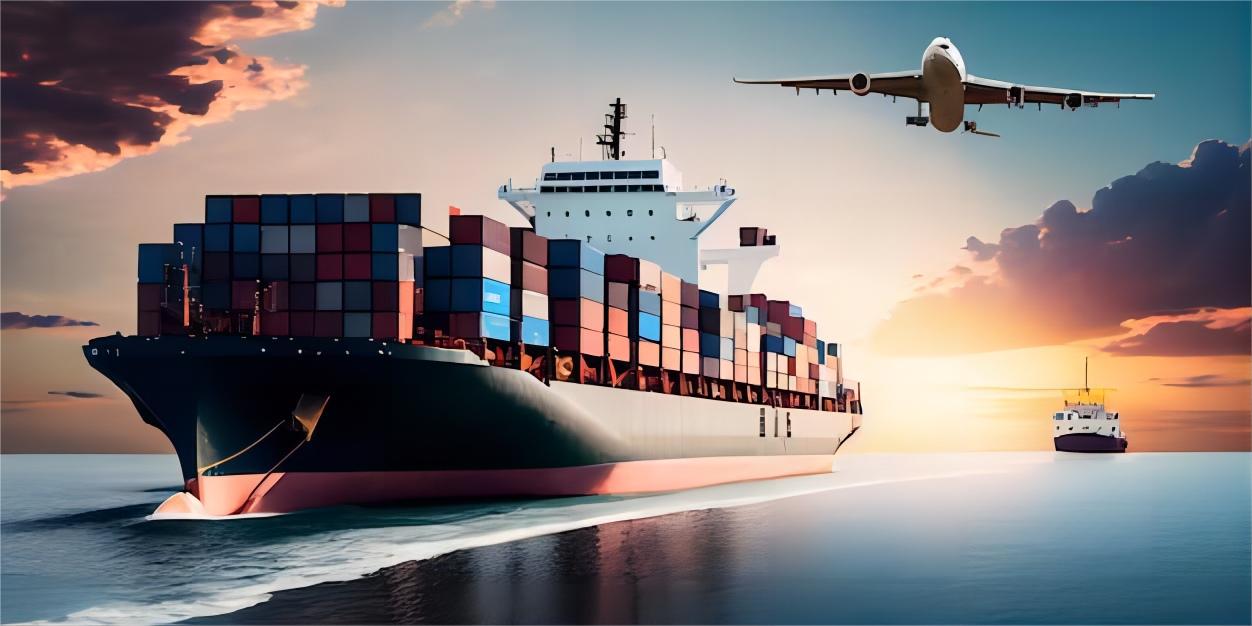
What Are the Key Container Shipping Options from China?
When planning your logistics strategy, choosing between Full Container Load (FCL) and Less than Container Load (LCL) is your first major decision. For instance, FCL secures an entire container for your exclusive use, which minimizes handling and potential damage. Therefore, this option is ideal for larger shipments that can fill a standard 20-foot or 40-foot container.
On the other hand, LCL consolidates your cargo with goods from other shippers in a shared container. Additionally, this method allows you to pay only for the volume you actually use, measured in cubic meters. However, LCL shipments often require more handling at consolidation hubs, which can slightly increase transit times.
Choosing the right method depends heavily on your cargo volume and budget. Without a doubt, utilizing sea freight services remains the most cost-effective method for transporting bulk merchandise globally. To summarize, FCL offers speed and security, while LCL provides flexibility for smaller inventory volumes.
How Does Container Shipping Compare to Other Shipping Options?
While ocean freight is the backbone of global trade, businesses must evaluate all transport modes to optimize their supply chains. For example, comparing ocean transport to air and rail options reveals significant trade-offs in speed, cost, and capacity. Therefore, understanding these differences helps you choose the most efficient method for your specific timeline.
Indeed, air freight offers unmatched speed, delivering shipments in just a few days. However, the cost of air transport is often five to ten times higher than ocean shipping, making it prohibitive for low-margin goods. Meanwhile, rail freight presents a balanced middle ground for landlocked routes, offering faster transit than sea at a lower cost than air.
To help you visualize these trade-offs, we have compiled a comprehensive comparison of the primary shipping methods available from China.
| Shipping Method | Cost & Transit | Best For | Limitations |
|---|---|---|---|
| Ocean FCL | $1,500-$4,500 / 14-35 Days | Bulk goods, large inventory | Slower transit times |
| Ocean LCL | $50-$150 per CBM / 18-40 Days | Small shipments, testing markets | Higher risk of handling |
| Air Freight | $4.50-$9.00 per kg / 3-7 Days | High-value, urgent cargo | Strict weight limits |
| Rail Freight | $2,500-$3,800 / 15-22 Days | Mid-value goods to Europe | Limited to rail networks |

Which Option Should You Choose?
Determining the best shipping strategy requires a clear decision framework based on your business priorities. For instance, if budget priority is your primary concern, ocean shipping is almost always the superior choice. Conversely, if speed priority dictates your operations due to stockouts, air transport becomes necessary despite the high costs.
Furthermore, cargo type considerations play a vital role in this selection process. Heavy machinery, bulk raw materials, and oversized items are naturally suited for full containers due to weight and safety requirements. In contrast, lightweight, high-value electronics are better suited for express air transport.
Additionally, you must evaluate volume thresholds for switching methods to maintain cost efficiency. Generally, once your shipment exceeds 15 cubic meters, switching from LCL to a dedicated 20-foot FCL container becomes more economical. If you are shipping to landlocked destinations, exploring rail freight can also yield significant savings.
Understanding the Costs of Container Shipping from China
Navigating international shipping costs requires a detailed look at the various fees that make up your total invoice. For example, ocean freight rates from china fluctuate based on seasonal demand, fuel surcharges, and global port congestion. Additionally, you must account for local port fees, export customs clearance, and destination delivery charges.
As of early 2026, the logistics market has stabilized, though peak season surcharges still apply during late summer and before the Lunar New Year. Consequently, planning your shipments well in advance can help you secure lower contract rates with carriers. To assist your budgeting, the table below outlines typical 2026 container shipping rates across major global trade lanes.
Please note that freight rates are subject to change based on fuel costs, carrier capacity, and seasonal demand. Therefore, we highly recommend contacting us for a current quote tailored to your specific shipment.
| Destination Route | 20GP Cost | 40HQ Cost | Average Transit |
|---|---|---|---|
| China to USA West Coast | $1,600 – $2,300 | $2,900 – $3,900 | 14 – 18 Days |
| China to USA East Coast | $2,600 – $3,600 | $4,600 – $6,100 | 30 – 35 Days |
| China to Europe (Rotterdam) | $1,900 – $2,600 | $3,100 – $4,300 | 28 – 35 Days |
| China to Australia (Sydney) | $850 – $1,250 | $1,450 – $2,100 | 12 – 18 Days |

Crucial Steps in the Customs Clearance Process
Successfully importing goods from China requires a thorough understanding of customs clearance in china and the destination country. For instance, missing or incorrect documentation can lead to severe port delays, demurrage fees, and even cargo seizure. Therefore, preparing your paperwork accurately is the most critical step in the entire supply chain.
Moreover, working with an experienced customs brokerage partner ensures compliance with complex import regulations. They will manage the submission of essential documents, including the Commercial Invoice, Bill of Lading, and Packing List. Consequently, this professional oversight minimizes the risk of costly clearance holds.
In addition, you must classify your products correctly using the Harmonized System (HS) codes. Indeed, incorrect HS codes can result in overpaying import duties or facing penalties for misdeclaration. To summarize, proactive preparation and professional compliance management are essential for seamless customs clearance.
Transit Times and Port Selections
Optimizing your delivery schedule depends heavily on selecting the right departure and arrival ports. For example, major Chinese ports like Shanghai, Ningbo, and Shenzhen offer numerous direct weekly sailings to global destinations. However, choosing a port closer to your supplier can significantly reduce domestic trucking costs.
Meanwhile, destination port selection is equally vital for minimizing inland transit times. If you are shipping to North America, utilizing West Coast ports like Los Angeles offers the fastest sea transit times. Conversely, shipping directly to East Coast ports like New York may take longer but avoids expensive transcontinental rail transport.
Furthermore, for e-commerce sellers, integrating your shipping with Amazon FBA logistics services streamlines the final delivery process. By coordinating your port of entry with the nearest fulfillment center, you can drastically reduce transit times. As a result, your inventory remains consistently stocked to meet customer demand.
Real-World Case Studies of Container Shipping from China
To illustrate how these logistics strategies work in practice, let us examine some real-world shipping scenarios. These case studies highlight the costs, timelines, and challenges faced by importers in early 2026.
Case Study 1: FCL Electronics Shipment to the United States +———————————————————+ | Route: Shenzhen, China -> Los Angeles, USA | Cargo: Consumer Electronics, 65 CBM, 14,000 kg | Container: 40HQ Container | | Shipping Details: | – Carrier/Service: COSCO Direct Service | – Port of Loading: Shenzhen Port | – Port of Discharge: Port of Los Angeles | – Route Type: Direct | | Cost Breakdown: | – Ocean Freight: $3,200 | – Origin Charges (THC, documentation): $350 | – Destination Charges: $450 | – Customs & Duties (estimated): $1,800 | – Total Landed Cost: $5,800 | | Timeline: | – Booking to Loading: 4 days | – Sea Transit: 15 days | – Customs Clearance: 2 days | – Total Door-to-Door: 21 days | | Key Insight: Based on early 2026 market rates, booking a direct COSCO service avoided transshipment delays and ensured the electronics arrived in time for the spring product launch. +———————————————————+
Case Study 2: LCL Furniture Shipment to Germany +———————————————————+ | Route: Ningbo, China -> Hamburg, Germany | Cargo: Eco-Friendly Wooden Furniture, 8 CBM, 2,400 kg | Container: LCL 8 CBM | | Shipping Details: | – Carrier/Service: Major Consolidator Service | – Port of Loading: Ningbo Port | – Port of Discharge: Port of Hamburg | – Route Type: Transshipment via Singapore | | Cost Breakdown: | – Ocean Freight: $720 | – Origin Charges (THC, documentation): $180 | – Destination Charges: $280 | – Customs & Duties (estimated): $650 | – Total Landed Cost: $1,830 | | Timeline: | – Booking to Loading: 6 days | – Sea Transit: 32 days | – Customs Clearance: 3 days | – Total Door-to-Door: 41 days | | Key Insight: Using LCL allowed the importer to test the European market without paying for a full container, though transshipment via Singapore added 6 days to the total transit time. +———————————————————+
How to Reduce Your Shipping Costs and Avoid Delays
Minimizing your international shipping costs requires a strategic approach to packaging and timing. For instance, optimizing your shipping container dimensions and packaging design ensures you utilize every cubic inch of space. Consequently, this reduces wasted volume and lowers your per-unit transport costs.
Additionally, scheduling your shipments during off-peak periods can yield substantial savings. For example, shipping during the late spring or early winter typically avoids the peak season surcharges that spike rates by 15-25%. Furthermore, negotiating long-term contracts with a reliable freight forwarder china provides price stability throughout the year.
Finally, ensuring all import documentation is complete and accurate prevents costly port storage fees. Indeed, clear communication with your supplier regarding packing standards and labeling is critical. To summarize, proactive planning and meticulous attention to detail are your best defenses against unexpected shipping expenses.
Final Thoughts on Shipping from China
In conclusion, mastering container shipping from china is vital for maintaining a competitive edge in today’s global marketplace. By carefully choosing between FCL and LCL, understanding customs requirements, and selecting optimal routes, you can significantly reduce transit times and costs. Partnering with an experienced logistics provider ensures your goods are handled with care from origin to destination.
Need a tailored shipping solution?
Ready to optimize your global supply chain with reliable container shipping from china? Contact China Freight Hub today to receive a competitive, tailored shipping quote that meets your specific timeline and budget. Send us your shipment details now to get started with our expert logistics team.