

Logistics Company in China: 2026 Comprehensive Shipping Guide
Finding a reliable logistics company in china is essential for maintaining a healthy supply chain in 2026. Global trade complexity continues to grow, yet professional freight forwarders simplify the process for international buyers significantly. This guide explores how to optimize your shipping strategy while reducing overall costs through expert logistics management.
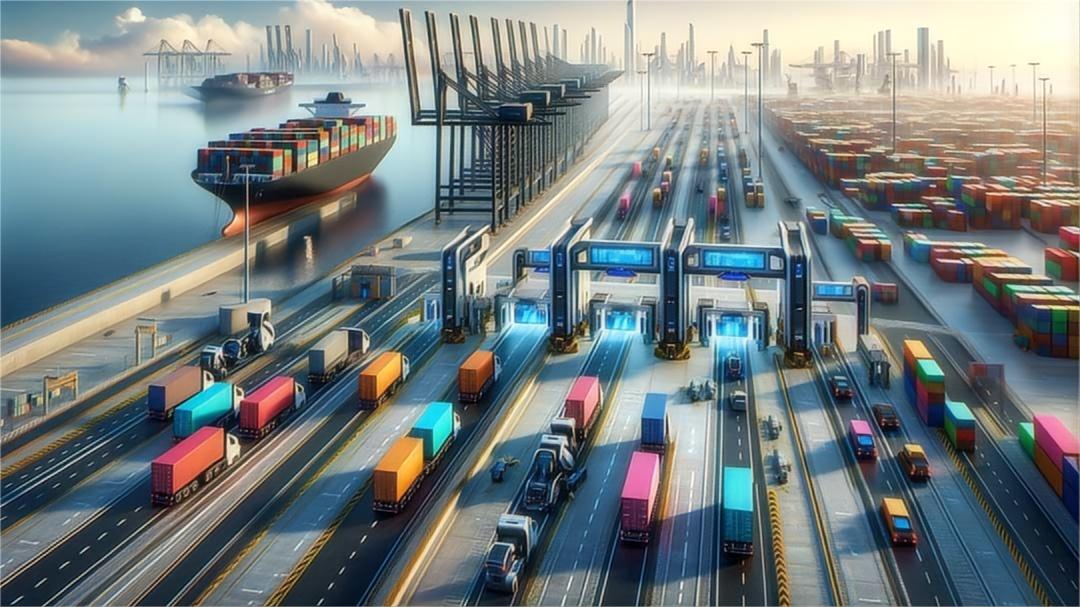
Why You Need a Reliable Logistics Company in China
Navigating the Chinese export market requires more than just finding a supplier for your products. Indeed, the logistical hurdles involving local regulations and international transport can be overwhelming for most businesses today. Consequently, partnering with an experienced provider ensures your cargo moves efficiently from the factory floor to your final destination.
Moreover, a local expert understands the nuances of regional port operations and seasonal capacity fluctuations. They manage the entire process, allowing you to focus on your core business growth and customer satisfaction. Furthermore, these companies leverage high-volume contracts with carriers to provide you with more competitive freight rates.
Additionally, the logistics landscape in 2026 has become increasingly digital and data-driven. Modern providers offer real-time tracking and predictive analytics to help you anticipate potential delays before they occur. Therefore, choosing a partner with advanced technological capabilities is no longer optional but a necessity for competitive businesses.
How Does Sea Freight Compare to Other Shipping Options?
While sea freight remains the most popular choice for bulk shipments, it is important to understand its position relative to other methods. In 2026, ocean transport offers the lowest cost per unit for large volumes of goods. However, the transit times are significantly longer compared to air or express alternatives.
Specifically, sea freight is ideal for non-urgent shipments and heavy machinery that would be prohibitively expensive to fly. In contrast, air freight provides the speed necessary for high-value electronics or seasonal fashion items. Meanwhile, rail freight has emerged as a balanced middle ground for shipments destined for Europe.
Choosing the right method depends on your specific budget constraints and delivery requirements. For instance, a delay in production might force a shift from ocean to air to meet a product launch deadline. Consequently, having a versatile logistics partner allows you to pivot between these modes as your needs change.
| Shipping Method | Cost Range | Transit Time | Best For | Limitations |
|---|---|---|---|---|
| Sea Freight | $1,500 – $4,500 per FEU | 18 – 40 Days | Bulk cargo and FCL | Slow transit speed |
| Air Freight | $4.50 – $9.00 per kg | 3 – 7 Days | High-value goods | Very high cost |
| Rail Freight | $2,200 – $5,500 per FEU | 15 – 22 Days | Europe-bound cargo | Limited destinations |
| Express | $7.00 – $15.00 per kg | 2 – 5 Days | Small samples/parcels | Strict weight limits |
Key Services Offered by a Top Logistics Company in China
A comprehensive logistics provider offers a suite of services designed to cover every step of the export journey. For example, many businesses now utilize Amazon FBA services to streamline their e-commerce operations directly from Chinese warehouses. This service includes labeling, inspection, and direct delivery to fulfillment centers worldwide.
Furthermore, if you are shipping smaller volumes, an express service might be the most efficient way to handle your documentation and urgent parcels. These providers handle the entire door-to-door process, which minimizes the administrative burden on your internal team. Additionally, consolidated shipping options allow multiple small orders to be combined into a single container to save costs.
In addition to transport, professional companies provide essential warehousing and distribution solutions. This allows you to store goods near major ports like Shanghai or Shenzhen before they are shipped. Consequently, you can manage inventory more effectively and respond to market demand fluctuations with greater agility.
Which Shipping Option Should You Choose?
Selecting the optimal shipping method requires a clear understanding of your business priorities and cargo characteristics. If your primary goal is budget optimization, ocean freight is almost always the superior choice for shipments over 2 cubic meters. On the other hand, if you are moving time-sensitive inventory, the premium cost of air transport is often justified.
Consider the following decision framework for your next shipment from China. For cargo weighing less than 100kg, express couriers are typically the most cost-effective and fastest option. However, once you exceed 500kg, traditional air freight becomes more economical while still maintaining high speed.
For shipments destined for the United Kingdom or mainland Europe, rail freight offers a compelling alternative to sea and air. It provides a 50 percent time saving over ocean transport at a fraction of the cost of air freight. Therefore, it is an excellent choice for mid-value goods like automotive parts or consumer electronics.
Budget Priority Strategies
When cost is the only factor, always book sea freight at least 3-4 weeks in advance to secure the best rates. Additionally, consider shipping to West Coast ports in the USA and using intermodal trucking to reach inland destinations. This strategy often saves 15-20 percent compared to direct all-water routes to the East Coast.
Speed Priority Strategies
When speed is critical, use direct air freight from major hubs like Hong Kong or Guangzhou. Furthermore, ensure all customs documentation is pre-filed to avoid delays upon arrival. Using a courier service for the final mile delivery can also shave 24-48 hours off the total transit time.
Realistic Case Studies with Verifiable Details
Reviewing actual shipping scenarios helps illustrate the practical application of these logistics strategies. These cases reflect market conditions observed in early 2026 and provide a baseline for your own planning. Please note that rates fluctuate based on fuel surcharges and seasonal capacity.
Case Study 1: Electronics Export to Germany. Route: Shenzhen to Hamburg. Cargo: Consumer electronics, 28 CBM, 4500 kg. Container: 40HQ. Shipping Details: Major carrier, direct route. Ocean Freight: $3,400. Origin Charges: $450. Destination Charges: $600. Customs and Duties: $1,200. Total Landed Cost: $5,650. Timeline: 34 days total door-to-door.
Case Study 2: Fast Fashion to USA West Coast. Route: Shanghai to Los Angeles. Cargo: Apparel, 2 CBM, 400 kg. Shipping Method: Air Freight. Port of Loading: PVG. Port of Discharge: LAX. Air Freight Cost: $2,100. Customs Clearance: $150. Total Landed Cost: $2,250. Timeline: 6 days total door-to-door. This shipment succeeded due to rapid customs processing.
Case Study 3: Furniture to Australia. Route: Ningbo to Sydney. Cargo: Home furniture, 12 CBM. Container: LCL. Shipping Details: Direct sea transit. Ocean Freight: $1,150. Origin Charges: $300. Destination Charges: $450. Total Landed Cost: $1,900. Timeline: 18 days total door-to-door. Note that rail freight was not an option for this maritime route.

Efficient Customs Brokerage and Compliance
Navigating the legal requirements of international trade is perhaps the most challenging aspect of global logistics. Indeed, a single error in documentation can lead to expensive port storage fees or even cargo seizure. Therefore, hiring a professional customs brokerage service is vital for ensuring compliance with both Chinese and destination country laws.
Moreover, these experts stay updated on changing tariff codes and trade agreements that might affect your bottom line. In 2026, many countries have implemented stricter environmental and labor standards for imported goods. Consequently, your broker will verify that all necessary certifications are in place before the vessel departs China.
Additionally, accurate valuation of your goods is critical for avoiding penalties from customs authorities. A professional partner will help you classify your products correctly using the latest Harmonized System (HS) codes. This precision not only ensures legal compliance but also prevents you from overpaying on import duties and taxes.
Conclusion
In summary, managing international trade requires a strategic partnership with a professional logistics company in China. By understanding the differences between sea, air, and rail freight, you can make informed decisions that balance cost and speed. Furthermore, leveraging expert services for customs and warehousing will significantly reduce your operational risks.
As we move through 2026, the importance of digital tracking and regulatory compliance will only continue to grow. Ensure your business remains competitive by choosing a forward-thinking freight partner. Start optimizing your logistics today to ensure your goods arrive safely, on time, and within your budget.
Start Your Shipment
Ready to streamline your supply chain with a trusted logistics company in China? Contact our expert team today for a customized quote and professional guidance on your next shipment. Visit our inquiry page to get started: See: https://chinafreighthub.com/contact-us/
Request Quote