

Cargo Shipping from China: Complete 2026 Logistics Guide
Cargo shipping from China remains the central nervous system of global trade as we move through 2026. Navigating the complexities of international logistics requires a strategic partner like China Freight Hub to ensure your goods arrive safely and on schedule. Businesses today face unique challenges, from fluctuating fuel surcharges to evolving customs regulations that demand expert attention. Consequently, understanding the nuances of different transport modes is essential for maintaining a healthy supply chain and maximizing profit margins. This guide provides a comprehensive analysis of the current shipping landscape, offering actionable insights for importers of all sizes.

The Evolution of Cargo Shipping from China in 2026
Market dynamics for cargo shipping from China have stabilized significantly following the volatility of the mid-2020s. Carriers have introduced more fuel-efficient vessels, which has helped moderate the impact of rising energy costs on freight rates. Moreover, the integration of blockchain technology in logistics tracking now provides unprecedented transparency for every milestone of the journey. Importers now expect real-time data at their fingertips, allowing them to adjust inventory levels dynamically based on actual transit progress.
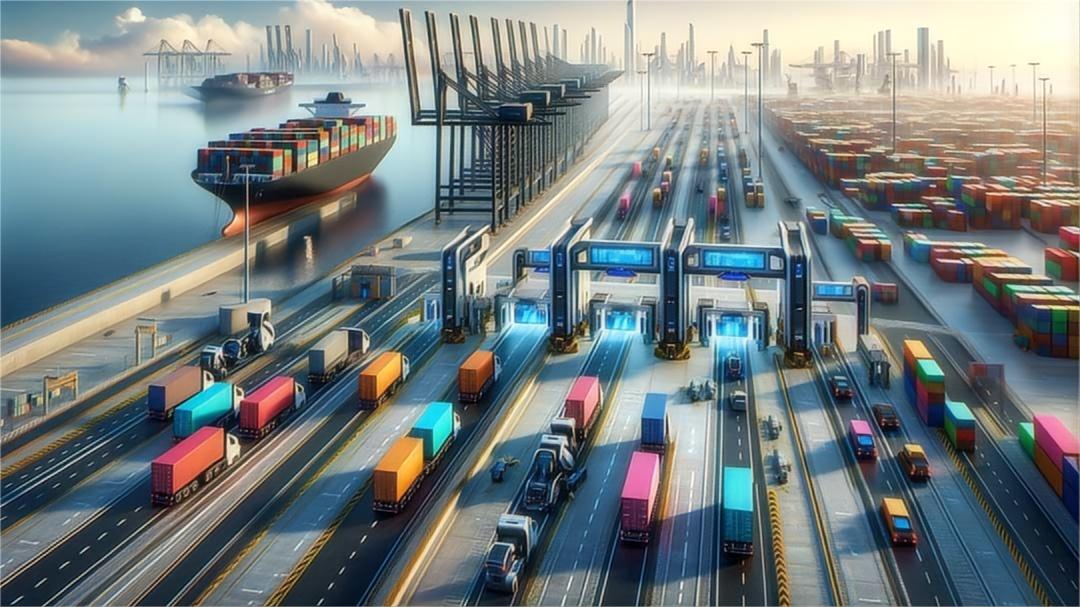
Furthermore, green logistics initiatives are no longer optional but a standard requirement for major global brands. Many shipping lines now offer carbon-offset programs and utilize liquefied natural gas as a primary fuel source to reduce the environmental footprint of global trade. Additionally, the expansion of automated ports in Shanghai and Ningbo has drastically reduced loading times, ensuring that vessels depart on strict schedules. Indeed, the efficiency of the Chinese infrastructure continues to set the benchmark for global logistics performance in 2026.
How to Select the Optimal Method for Cargo Shipping from China?
Selecting the right transport mode depends heavily on your specific budget, timeline, and the nature of your products. For instance, high-value electronics often travel via air to minimize time-to-market and reduce the risk of damage during long sea voyages. In contrast, bulky commodities like furniture or raw materials are almost exclusively moved through sea freight due to the significant cost advantages of ocean transport. Nevertheless, businesses must weigh the trade-offs between speed and expense carefully.
Rail transport has also emerged as a powerful middle ground for shipments destined for inland Eurasia. It offers a faster alternative to the ocean while remaining significantly cheaper than air transport, making it ideal for mid-range consumer goods. Consequently, many logistics managers now utilize a multi-modal approach to balance their shipping portfolios. By diversifying transport methods, companies can mitigate the risks associated with port congestion or sudden air capacity shortages.
What Are the Current Freight Rates for Cargo Shipping from China?
Current market data from Q1 2026 suggests that ocean freight rates have reached a sustainable equilibrium after several years of fluctuation. Specifically, a standard 40HQ container from Shenzhen to the US West Coast currently ranges between 2,800 and 3,800 dollars depending on the carrier and service level. Meanwhile, rates to Northern European ports like Rotterdam have seen a slight increase due to updated environmental levies. Notably, these prices are subject to seasonal spikes during the late summer peak season.
Air freight costs remain sensitive to jet fuel prices and available belly capacity on passenger flights. As of early 2026, typical rates for general cargo fluctuate between 4.50 and 7.00 dollars per kilogram for transpacific routes. Additionally, express services continue to command a premium for guaranteed delivery windows. Businesses should always request a current quote to account for the most recent fuel surcharges and carrier adjustments.
| Route | 20GP Container | 40HQ Container | Avg. Transit Time |
|---|---|---|---|
| China to USA West | $1,500 – $2,200 | $2,800 – $3,800 | 14-18 Days |
| China to Europe | $1,800 – $2,500 | $3,000 – $4,200 | 28-35 Days |
| China to Australia | $800 – $1,200 | $1,400 – $2,000 | 12-18 Days |
| China to UK | $2,000 – $2,800 | $3,500 – $4,500 | 30-38 Days |
Why Professional Customs Brokerage is Critical for Success?
Navigating the legal requirements of international trade is often the most challenging aspect of cargo shipping from China. Engaging a professional customs brokerage service ensures that all documentation is filed accurately and in compliance with local laws. For example, incorrect HTS code classification can lead to significant delays, heavy fines, or even the seizure of goods by authorities. Therefore, having experts handle the paperwork is an investment in supply chain security.
Moreover, customs regulations in 2026 have become more stringent regarding product safety and environmental standards. Brokers stay updated on these changing requirements, advising importers on necessary certifications before the goods even leave the factory. Consequently, this proactive approach prevents costly storage fees at the port of discharge. Indeed, a smooth clearance process is just as important as the physical transportation of the cargo itself.
How Does Sea Freight Compare to Other Shipping Options?
Ocean transport remains the most common choice for global trade due to its massive capacity and cost-efficiency. While air freight is undeniably faster, the cost per unit is often ten times higher than sea transport for high-volume shipments. Furthermore, rail freight provides a competitive alternative for landlocked regions, though it is not a viable option for island nations like Australia. As a result, shippers must evaluate each route based on geographical constraints and budget priorities.
Choosing between FCL and LCL is another critical decision within the ocean freight category. Full Container Load (FCL) offers better security and faster handling for large volumes, whereas Less than Container Load (LCL) allows smaller businesses to share space and costs. Specifically, for shipments under 15 cubic meters, LCL is typically the more economical choice. However, the consolidation and deconsolidation process for LCL can add 5 to 7 days to the total transit time.
| Method | Cost Range | Transit Time | Best For |
|---|---|---|---|
| Sea Freight | Lowest | 20-45 Days | Bulk Goods / FCL |
| Air Freight | Highest | 3-7 Days | Urgent / High Value |
| Rail Freight | Medium | 15-22 Days | Inland Europe Trade |
| Express | Premium | 2-5 Days | Samples / Small Parcels |
Which Option Should You Choose?
Decision-making in logistics should follow a clear framework based on your business priorities. If your primary goal is cost reduction and your lead times are flexible, sea freight is the logical choice. Conversely, if you are launching a new product or replenishing low stock, the speed of air freight justifies the higher expenditure. Understanding these thresholds helps in maintaining the balance between service levels and operational costs.
Hybrid solutions like sea-air combinations have also gained popularity in 2026. This strategy involves shipping goods by sea to a hub like Dubai and then flying them to the final destination, saving both time and money compared to pure modes. Additionally, for businesses selling on platforms like Amazon, utilizing specialized Amazon FBA shipping services can streamline the entire process. Ultimately, the best choice is one that aligns with your customer’s expectations and your company’s financial goals.
The Benefits of Integrated Door-to-Door Logistics
Managing multiple vendors for trucking, shipping, and customs can be an administrative nightmare for many importers. Opting for a door-to-door service simplifies the entire process by providing a single point of contact. This integrated approach ensures that the handoff between different transport stages is seamless and efficient. Consequently, the risk of communication breakdowns and unexpected delays is significantly reduced.
Furthermore, door-to-door solutions often include comprehensive insurance and final-mile delivery to your warehouse or retail location. This is particularly beneficial for shipments to North America, where inland drayage can be complex due to driver shortages and port congestion. By outsourcing the entire chain to a professional provider, you can focus on your core business activities while your cargo is handled by experts. Indeed, the peace of mind offered by end-to-end logistics is invaluable in today’s fast-paced market.
Real-World Case Studies in Global Trade
Examining real-world scenarios helps importers understand the practical application of different shipping strategies. These cases highlight the importance of planning and the impact of choosing the right transport mode. Note: Freight rates are subject to change based on fuel costs, carrier capacity, and seasonal demand. Contact us for a current quote tailored to your specific shipment.
+———————————————————+ | Case Study 1: Electronics Rollout | | Route: Shenzhen, China to Los Angeles, USA | | Cargo: Smart Home Devices, 12 CBM, 2,500 kg | | Container: LCL Shipment | | | | Shipping Details: | | – Carrier/Service: Major transpacific carrier | | – Port of Loading: Yantian (Shenzhen) | | – Port of Discharge: Los Angeles | | – Route Type: Direct | | | | Cost Breakdown: | | – Ocean Freight: $1,450 | | – Origin Charges: $350 | | – Destination Charges: $480 | | – Customs & Duties: $1,200 | | – Total Landed Cost: $3,480 | | | | Timeline: | | – Booking to Loading: 3 days | | – Sea Transit: 15 days | | – Customs Clearance: 2 days | | – Total Door-to-Door: 24 days | | | | Key Insight: Early booking during the Q1 lull saved the | | client 15% compared to peak season rates. | +———————————————————+
+———————————————————+ | Case Study 2: Industrial Machinery | | Route: Ningbo, China to Hamburg, Germany | | Cargo: CNC Equipment, 28 CBM, 8,000 kg | | Container: 40GP Full Container | | | | Shipping Details: | | – Carrier/Service: COSCO | | – Port of Loading: Ningbo | | – Port of Discharge: Hamburg | | – Route Type: Direct via Suez | | | | Cost Breakdown: | | – Ocean Freight: $3,400 | | – Origin Charges: $420 | | – Destination Charges: $550 | | – Customs & Duties: $2,800 | | – Total Landed Cost: $7,170 | | | | Timeline: | | – Booking to Loading: 5 days | | – Sea Transit: 32 days | | – Customs Clearance: 3 days | | – Total Door-to-Door: 45 days | | | | Key Insight: Using FCL prevented damage to sensitive | | calibration tools by avoiding multiple handlings. | +———————————————————+
Mastering Your Cargo Shipping from China Strategy
Successfully managing cargo shipping from China in 2026 requires a blend of strategic planning, market intelligence, and reliable partnerships. By understanding the differences between sea, air, and rail freight, you can make informed decisions that protect your bottom line. Moreover, prioritizing accurate documentation and professional customs clearance will prevent the most common causes of logistics delays.
As market conditions continue to evolve, staying adaptable is the key to long-term success in international trade. Whether you are shipping a single pallet or hundreds of containers, the principles of efficiency and transparency remain the same. Trusting your logistics to experts allows you to navigate the complexities of 2026 with confidence and ease.

Start Your Shipment
Streamline your global supply chain today with professional cargo shipping from China solutions. Our team provides transparent pricing and reliable schedules to help your business grow in 2026. Send Inquiry: https://chinafreighthub.com/
Request Quote