

Cheap Shipping from China to Netherlands: 2025 Cost Guide
Securing cheap shipping from China to Netherlands is a top priority for businesses aiming to maximize their profitability in the European market. Navigating international logistics requires a deep understanding of various transport modes and their associated costs. You can streamline your supply chain and reduce overhead by partnering with China Freight Hub for your next shipment.
What is the Cheapest Way to Ship from China to the Netherlands?
Determining the most cost-effective method depends heavily on your cargo volume and delivery timeline. For most large shipments, sea freight remains the undisputed leader in affordability. However, smaller parcels might benefit from different logistics strategies to avoid high minimum charges.
Moreover, the choice between LCL and FCL significantly impacts your total landed cost. Less than Container Load (LCL) allows you to pay only for the space you use. In contrast, Full Container Load (FCL) offers a lower per-unit cost if you have enough goods to fill a 20ft or 40ft container.
Additionally, businesses must consider the total transit time when calculating value. While a slower method might seem cheaper upfront, long delays can tie up capital in inventory. Therefore, balancing speed and cost is essential for maintaining a healthy cash flow.
Sea Freight: The Primary Choice for Cheap Shipping from China to Netherlands
Utilizing sea freight is the most common strategy for importers seeking the lowest possible rates. This method is ideal for bulky items, heavy machinery, or high-volume consumer goods. Consequently, it serves as the backbone of trade between Chinese manufacturing hubs and the Port of Rotterdam.
Furthermore, ocean transport offers the most stable pricing compared to the volatile air cargo market. While rates fluctuate based on seasonal demand, they generally remain a fraction of the cost of air transport. Indeed, for shipments exceeding 500kg, the savings are often too significant to ignore.
Nevertheless, you must account for longer lead times when planning your inventory. Sea transit typically takes between 30 and 45 days depending on the specific port of loading. Accordingly, early booking and meticulous scheduling are required to avoid stockouts.
| Container Type | Estimated Cost (USD) | Capacity (CBM) | Ideal For |
|---|---|---|---|
| 20ft GP | $1,800 – $2,500 | 33 CBM | Small business inventory |
| 40ft GP | $2,800 – $3,800 | 67 CBM | Large volume goods |
| 40ft HQ | $3,000 – $4,200 | 76 CBM | Bulky or light cargo |
| LCL (per CBM) | $50 – $90 | 1 – 15 CBM | Small shipments |
Rail Freight: The Middle Ground for European Logistics
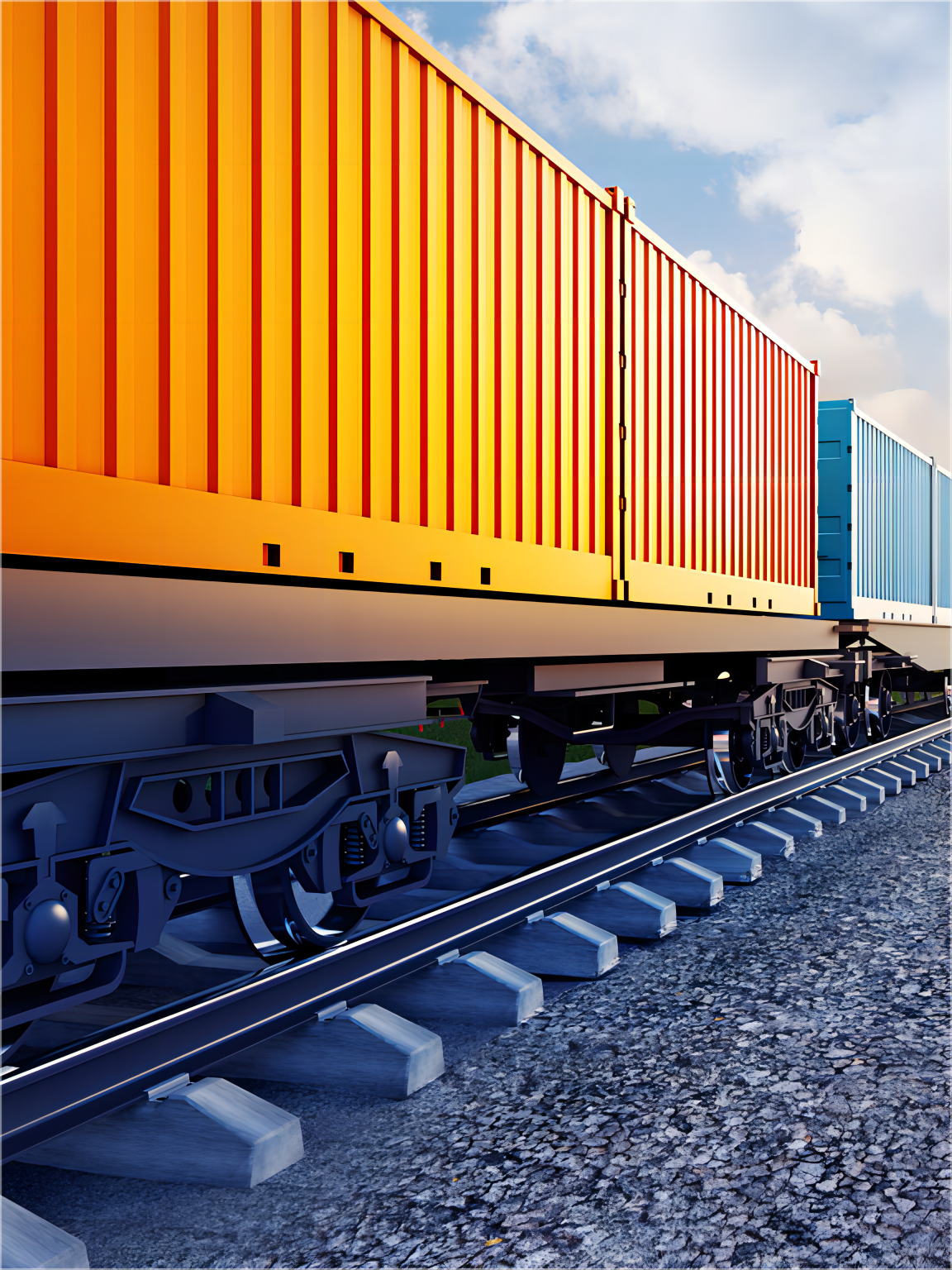
Choosing rail freight provides a compelling alternative for those who need faster delivery than sea but lower costs than air. This mode utilizes the extensive trans-Eurasian rail networks to connect Chinese cities like Chengdu or Xi’an directly to European hubs. As a result, it has become increasingly popular for electronics and automotive parts.
Specifically, rail transit times usually range from 15 to 22 days. This is significantly faster than the maritime route via the Suez Canal. Furthermore, rail transport is often considered more environmentally friendly than air or sea options, appealing to sustainable brands.
However, rail capacity can be limited during peak seasons or geopolitical shifts. Therefore, it is wise to monitor the market and book space at least two weeks in advance. Despite these challenges, rail remains a vital component of a diversified logistics strategy for shipping to Europe.
Air Freight: When Speed is More Important Than Low Cost
Opting for air freight is generally the most expensive route for shipping from China to the Netherlands. This method is reserved for high-value items, perishable goods, or urgent replacements. Consequently, the price per kilogram is much higher than other transport modes.
For instance, while sea freight might cost pennies per kilogram, air freight can range from $4 to $8 per kilogram depending on the season. Meanwhile, the transit time is reduced to just 3 to 7 days. For many businesses, the ability to respond quickly to market demand justifies the premium price.
Additionally, air transport offers enhanced security and a lower risk of damage during transit. For fragile electronics or luxury fashion, the reduced handling and shorter journey time provide peace of mind. Without a doubt, it is the best choice for time-sensitive cargo.
How Does Sea Freight Compare to Other Shipping Options?
Comparing different shipping methods objectively is crucial for selecting the right strategy for your business. Each mode has distinct advantages and limitations that affect your bottom line. For example, while sea freight is the cheapest, it requires the most significant investment in lead time and inventory management.
On the other hand, air freight offers unparalleled speed but can erode profit margins on low-margin products. Hybrid solutions, such as sea-air combinations, are sometimes available to bridge the gap. Nevertheless, for the majority of importers, the choice comes down to the volume and urgency of the shipment.
In addition, rail freight offers a unique balance that many companies are now exploiting to optimize their supply chains. By diversifying your shipping methods, you can mitigate risks associated with port congestion or air capacity shortages.
| Shipping Method | Cost Range | Transit Time | Best For | Limitations |
|---|---|---|---|---|
| Sea Freight | Lowest ($) | 30 – 45 Days | Bulk / Heavy Goods | Slowest Delivery |
| Rail Freight | Medium ($$) | 15 – 22 Days | Mid-value / Urgent | Route Availability |
| Air Freight | High ($$$) | 3 – 7 Days | High-value / Perishable | High Cost |
| Express | Highest ($$$$) | 2 – 5 Days | Documents / Samples | Expensive for Weight |

Which Option Should You Choose?
Budget Priority
If your primary goal is to minimize expenses, sea freight LCL or FCL is the recommended option. This is particularly true for shipments over 2 CBM or 500kg. By planning ahead, you can take advantage of lower rates and maintain your competitive pricing in the Dutch market.
Speed Priority
When time is of the essence, air freight or express services are the only viable solutions. These methods ensure that your products arrive in Amsterdam or Rotterdam within a week. While the cost is higher, the speed-to-market can provide a significant competitive advantage.
Balanced Priority
For businesses seeking a middle ground, rail freight offers a perfect compromise. It delivers goods twice as fast as sea freight while costing significantly less than air. This is often the best choice for seasonal inventory that needs to arrive quicker than a cargo ship can deliver.
Key Factors Affecting Shipping Costs in 2025
Several variables influence the final price you pay for cheap shipping from China to Netherlands. Fuel surcharges, often referred to as BAF (Bunker Adjustment Factor), can fluctuate monthly based on global oil prices. Consequently, the quote you receive today might differ from one provided next month.
Moreover, seasonal demand plays a massive role in rate hikes. During the peak season from August to October, rates typically increase by 15-25% as retailers prepare for the holidays. Similarly, the weeks leading up to Chinese New Year often see a surge in prices and a shortage of available space.
In addition, port congestion and labor strikes can lead to unexpected surcharges. While these are outside the control of the shipper, working with an experienced freight forwarder can help you navigate these disruptions. Indeed, proactive communication is key to avoiding costly delays.
Customs Clearance and Essential Documentation
Navigating the customs brokerage process is a critical step in international shipping. The Netherlands is known for its efficient customs procedures, but any error in documentation can lead to expensive storage fees. Therefore, ensuring all paperwork is accurate and complete is paramount.
Specifically, you will need a Commercial Invoice, a Packing List, and a Bill of Lading or Air Waybill. For certain goods, a Certificate of Origin or specific CE marking documentation may also be required. Accordingly, you should verify all requirements with your Dutch customs agent before the cargo departs China.
Furthermore, understanding the VAT and import duty structure in the Netherlands is essential for calculating your total landed cost. Most imports are subject to a 21% VAT, though various deferment schemes like Article 23 can help with cash flow. Consequently, professional advice in this area is highly beneficial.
Real-World Case Studies for Shipping to the Netherlands
Examining real-world examples helps to illustrate the practical application of different shipping strategies. These cases reflect typical scenarios encountered by importers in 2024 and early 2025. By learning from these examples, you can better anticipate the costs and timelines for your own shipments.
Case Study 1: Consumer Electronics via Sea Freight
Route: Shenzhen, China to Rotterdam, Netherlands. Cargo: 15 CBM of smartphone accessories, 3,200 kg. Container: LCL. Shipping Details: Major carrier via direct sea route. Cost Breakdown: Ocean Freight $950, Origin Charges $250, Destination Charges $400, Customs & Duties $1,200. Total Landed Cost: $2,800. Timeline: 38 days door-to-door. Key Insight: Choosing LCL saved the client over $1,500 compared to air freight while maintaining a steady supply chain.
Case Study 2: Fast Fashion via Rail Freight
Route: Xi’an, China to Tilburg, Netherlands. Cargo: 200 boxes of seasonal apparel, 2,500 kg. Container: 20GP (Full Container). Shipping Details: Trans-Eurasian rail link. Cost Breakdown: Rail Freight $2,100, Loading/Unloading $300, Customs Clearance $200. Total Landed Cost: $2,600. Timeline: 20 days door-to-door. Key Insight: Rail provided the necessary speed to hit the retail launch date without the extreme expense of air transport.
How to Reduce Your Shipping Expenses
Implementing cost-saving strategies can significantly lower your logistics budget over time. For example, consolidating multiple small orders into a single LCL or FCL shipment reduces the per-unit handling fees. Furthermore, optimizing your packaging to reduce dead space can lower your volumetric weight charges.
Additionally, negotiating with multiple freight forwarders allows you to compare quotes and find the best value. However, the cheapest price is not always the best if it comes with poor service or unreliable transit times. Therefore, look for a balance of reputation and competitive pricing.
Lastly, consider using door to door services to simplify the process and avoid hidden middleman fees. This comprehensive approach often provides better visibility and control over the entire shipping journey. In conclusion, staying informed and flexible is the best way to secure low rates.
Mastering Your Logistics Strategy
Finding cheap shipping from China to Netherlands requires a combination of strategic planning and market knowledge. By understanding the differences between sea, air, and rail freight, you can make informed decisions that benefit your bottom line. Remember that the cheapest option is defined by the total value it brings to your business, including speed and reliability.
As market conditions evolve in 2025, staying adaptable will be your greatest asset. Whether you are shipping small LCL loads or full containers, the right logistics partner can help you navigate challenges and find savings. Start optimizing your route today to ensure your goods arrive safely and affordably.

Ready to streamline your logistics?
Are you looking for the most reliable and cheap shipping from China to Netherlands? Our expert team is ready to provide you with a tailored logistics solution that fits your budget and timeline. Contact us today to receive a competitive quote and optimize your international supply chain. Visit our website to learn more about our comprehensive shipping services.
Request Quote