


China to Europe Shipping for Ecommerce Italy: The Ultimate 2025 Logistics Guide
China to europe shipping for ecommerce italy is a critical component for businesses looking to scale in the Mediterranean market. At China Freight Hub, we provide the expertise needed to navigate these complex international trade routes efficiently. Consequently, choosing the right logistics partner can significantly reduce your overhead while improving delivery speeds for your Italian customers.

Understanding the Logistics Landscape for Italy
Navigating the logistics corridor between East Asia and Southern Europe requires a deep understanding of current market trends and infrastructure. Italian ecommerce has seen exponential growth, leading to a higher demand for reliable import solutions from Chinese manufacturing hubs like Shenzhen and Ningbo.
Moreover, the geopolitical environment in 2025 has forced many shippers to reconsider traditional routes in favor of more stable alternatives. This shift means that businesses must stay informed about fluctuating freight rates and port congestion levels in major Italian gateways such as Genoa and Trieste.
Consequently, successful importers are those who diversify their shipping methods to balance cost and speed effectively. Indeed, the ability to adapt to supply chain disruptions is often what separates profitable ecommerce ventures from those that struggle with inventory stockouts.
Furthermore, environmental regulations in the European Union are increasingly influencing how goods are moved across borders. Therefore, staying compliant with both Italian customs and EU sustainability standards is no longer optional for serious international merchants.
Shipping Methods Overview for Ecommerce
Selecting the appropriate transport mode is the most significant decision you will make regarding your supply chain efficiency. Most ecommerce sellers rely on air freight when they need to restock high-value or seasonal items quickly.
In addition, express services provide the fastest possible transit, often delivering packages directly to the customer’s doorstep within a few days. However, these speeds come at a premium price point that may not be sustainable for low-margin products.
Rail freight has emerged as a middle-ground solution, offering faster transit than sea but at a significantly lower cost than air. Nevertheless, the availability of rail routes can be affected by regional stability and terminal capacity along the Silk Road corridors.
Ultimately, your choice depends on your specific product margins, inventory turnover rates, and the expectations of your Italian consumer base.
How Does Sea Freight Compare to Other Shipping Options?
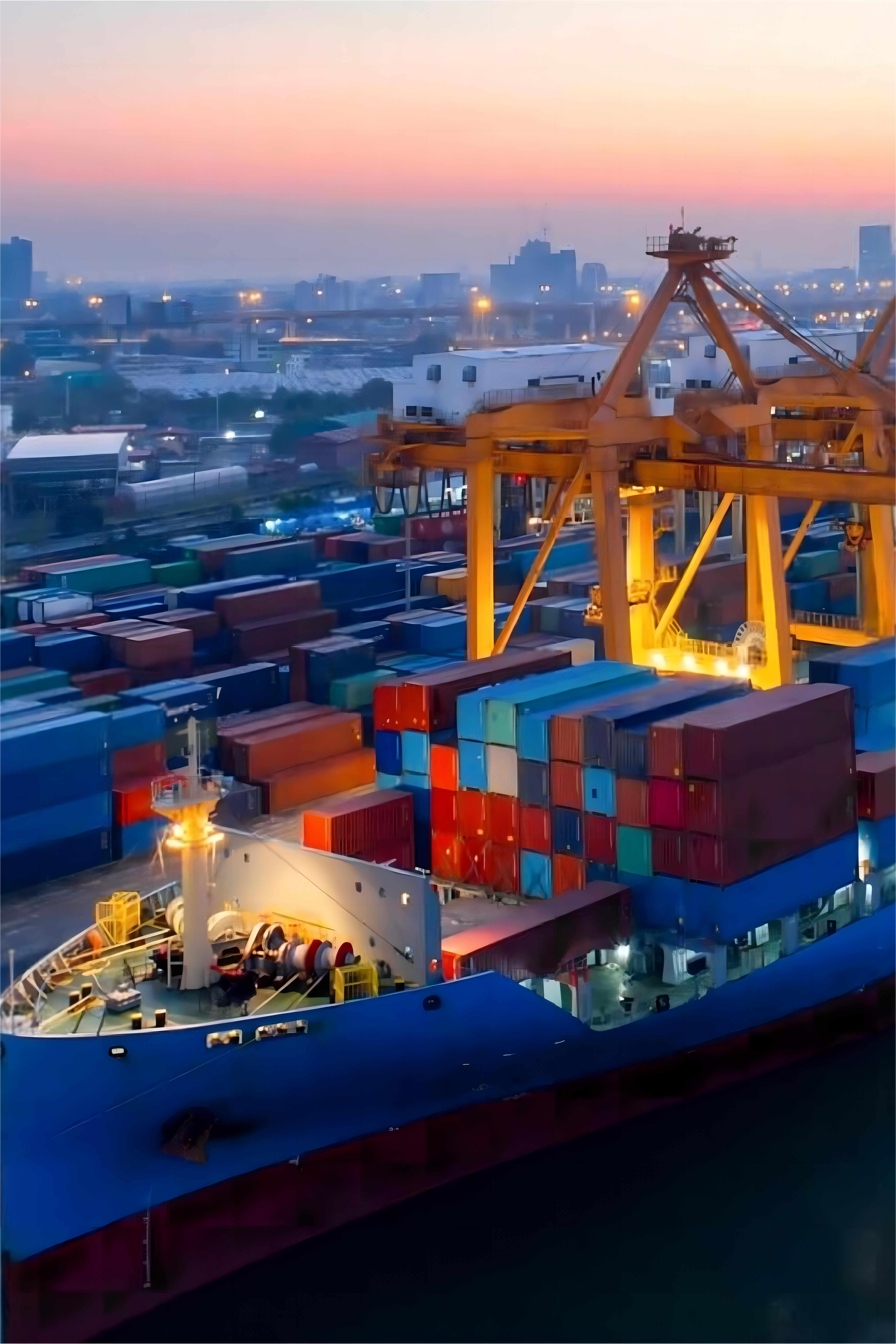
While sea freight remains the backbone of global trade, it is important to understand how it stacks up against more modern alternatives. For large volumes of goods, sea freight offers the lowest cost per unit, making it ideal for bulk ecommerce inventory.
On the other hand, the long transit times associated with ocean transport require meticulous planning and higher safety stock levels. For instance, a shipment from Shanghai to Naples can take upwards of 35 days depending on the carrier and route type.
In contrast, air and rail options provide much tighter delivery windows which can be crucial for maintaining high rankings on ecommerce platforms. To summarize, sea freight is for planning, while air and rail are for reacting to market demand.
| Shipping Method | Cost Range | Transit Time | Best For |
|---|---|---|---|
| Sea Freight (FCL) | $2,500 – $4,200 | 30-40 Days | Bulk Inventory |
| Air Freight | $5.50 – $9.00/kg | 5-8 Days | High-Value Goods |
| Rail Freight | $120 – $180/CBM | 18-24 Days | Mid-Size Batches |
| Express | $8.00 – $15.00/kg | 3-5 Days | Urgent Samples |

Cost Analysis and Pricing Trends for 2025
Freight rates from China to Europe have stabilized in early 2025 after the significant disruptions seen in previous years. Specifically, ocean freight for a 40HQ container currently ranges between $3,000 and $4,500 depending on the specific port of loading.
Additionally, fuel surcharges and peak season adjustments can add an extra 15% to 25% to your total landed cost during the busy months of August through October. Without a doubt, getting a current quote is essential as market conditions can change weekly based on carrier capacity.
As a result, many ecommerce businesses are now using hybrid solutions to mitigate price spikes and ensure consistent product availability. For example, shipping the bulk of inventory by sea while using air for small, frequent top-offs is a common strategy.
| Container Type | Average Rate | Capacity | Typical Usage |
|---|---|---|---|
| 20GP Container | $1,800 – $2,600 | 28 CBM | Small Bulk Orders |
| 40GP Container | $2,800 – $3,800 | 58 CBM | Standard Inventory |
| 40HQ Container | $3,200 – $4,500 | 68 CBM | Large Volume Stock |
| LCL (per CBM) | $60 – $110 | Flexible | Small Ecommerce |
Navigating Customs Clearance and VAT in Italy
Importing into Italy requires a thorough understanding of the Agenzia delle Dogane rules and European Union VAT requirements. Every shipment must be accompanied by a commercial invoice, packing list, and a Bill of Lading or Air Waybill.
Moreover, ecommerce sellers must ensure they have a valid EORI number to clear goods through Italian customs without unnecessary delays. Using a professional customs brokerage service can prevent costly errors and ensure that duties are calculated correctly.
Consequently, failing to provide accurate documentation can lead to cargo being held at the port, resulting in demurrage charges that eat into your profits. Indeed, the complexity of Italian tax laws makes expert guidance a valuable investment for any international seller.
Strategic Shipping for Amazon FBA Italy
For sellers using the Amazon FBA program, logistics requirements are even more stringent regarding labeling and packaging. Amazon has specific guidelines for palletization and box dimensions that must be met before goods are accepted at their fulfillment centers in Piacenza or Castel San Giovanni.
Furthermore, many successful sellers utilize prep centers in China to handle these requirements before the goods ever leave the country. This approach reduces the risk of rejection at the Amazon warehouse and streamlines the entire intake process.
Additionally, choosing a freight forwarder with experience in FBA deliveries ensures that your appointments are scheduled correctly within the Amazon Carrier Central system. Therefore, specialized FBA shipping routes are often the most efficient way to maintain your Prime status in Italy.
Real-World Case Studies: China to Italy Shipping
Case Study 1: Electronics Distribution. Route: Shenzhen to Milan. Cargo: Consumer electronics, 4 CBM, 950 kg. Shipping Method: Air Freight. Total Cost: $5,800. Transit Time: 6 days. Key Insight: Choosing air freight allowed the seller to capitalize on a viral social media trend before competitors could restock via sea.
Case Study 2: Home Decor Bulk Import. Route: Ningbo to Genoa. Cargo: Wooden furniture, 26 CBM (20GP). Shipping Method: Sea Freight. Total Cost: $2,450. Transit Time: 34 days. Key Insight: By using a full container, the importer reduced per-unit shipping costs by 40% compared to previous LCL shipments.
Case Study 3: Fashion Apparel Launch. Route: Shanghai to Verona. Cargo: High-end garments, 12 CBM. Shipping Method: Rail Freight. Total Cost: $1,900. Transit Time: 21 days. Key Insight: Rail provided the perfect balance between cost and speed for a seasonal collection launch that required a mid-range delivery window.
Which Shipping Method Should You Choose?
Determining the best option involves weighing your budget against your required delivery timeline. If your primary goal is cost reduction and you can afford to wait, sea freight is undoubtedly the most logical choice for your business.
However, if you are dealing with perishable goods or high-demand electronics, the speed of air or express services becomes a necessity. Meanwhile, rail freight continues to grow in popularity for those who need a reliable alternative to the volatility of ocean transit.
In addition, many businesses now opt for door to door solutions to simplify their operations. This service handles everything from the factory floor in China to your warehouse in Italy, allowing you to focus on marketing and sales rather than logistics minutiae.
Final Thoughts on Italy Ecommerce Logistics
Mastering china to europe shipping for ecommerce italy requires a strategic approach that balances cost, speed, and reliability. By understanding the various freight options and navigating customs with professional help, you can build a resilient supply chain that supports your business growth.
As market conditions continue to evolve in 2025, staying informed and flexible will remain your greatest competitive advantage. Whether you choose sea, air, or rail, the right logistics partner will ensure your goods arrive safely and on time for your Italian customers.

Ready to streamline your logistics?
Optimizing your china to europe shipping for ecommerce italy is the key to long-term success in the Italian market. Contact China Freight Hub today to receive a customized quote and streamline your international supply chain. Visit our website to learn more about our comprehensive logistics solutions.
Request Quote