

Marine Cargo Insurance China: The Ultimate 2026 Logistics Guide
Navigating the complexities of international trade requires more than just a reliable carrier to move your goods across the ocean. Protecting your investment with marine cargo insurance china ensures that unexpected losses do not derail your business operations or financial stability. Consequently, understanding the nuances of coverage is essential for every modern importer looking to mitigate risks in a volatile global market.
What is Marine Cargo Insurance China?
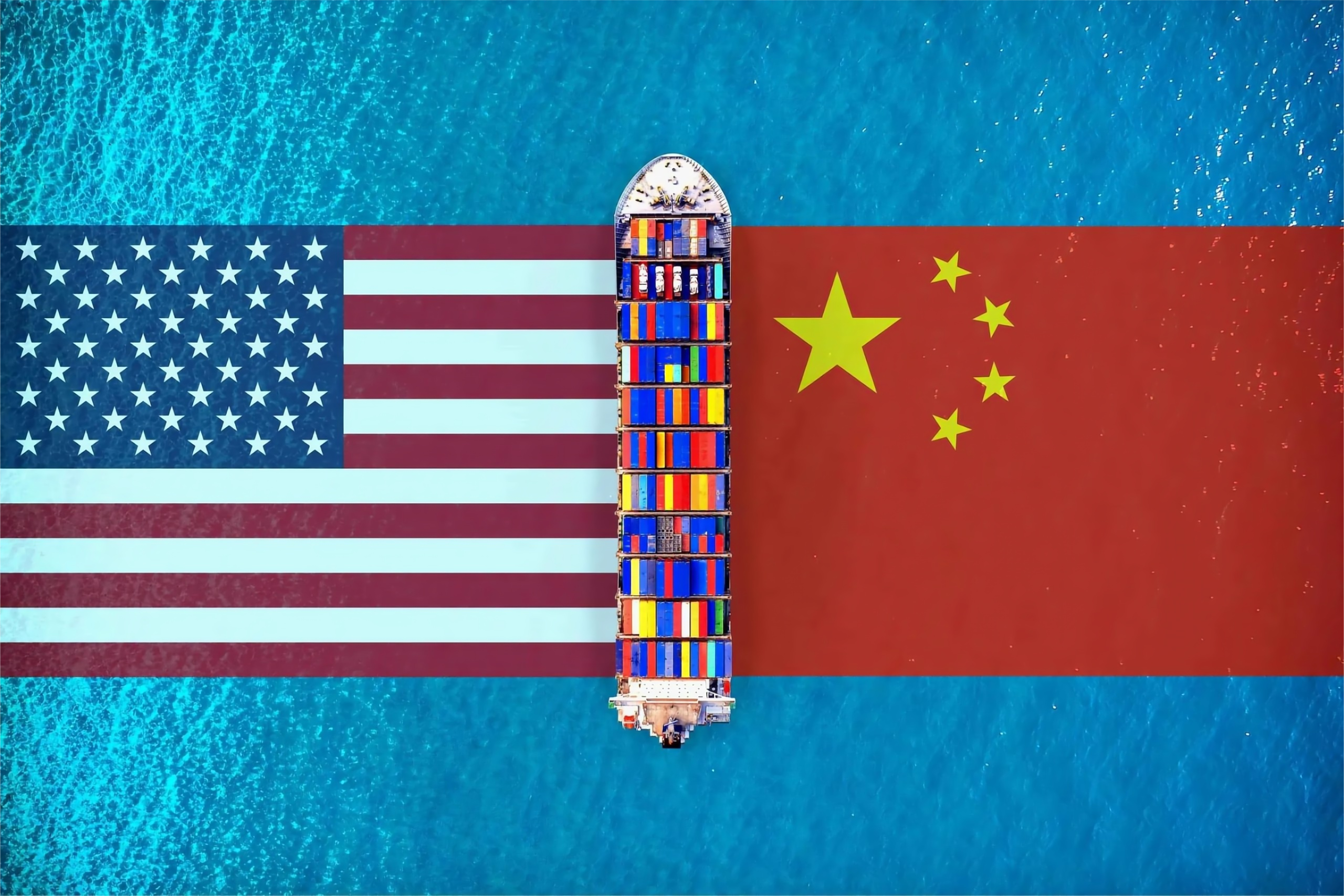
Marine cargo insurance china refers to a specialized insurance policy that protects goods against physical loss or damage while in transit between China and international destinations. Moreover, this coverage applies to various modes of transport, including sea, air, and land, providing a safety net for shippers and consignees alike. Indeed, the primary goal is to ensure that the financial value of the cargo is recovered if an accident, theft, or natural disaster occurs.
Furthermore, these policies are typically governed by international standards known as the Institute Cargo Clauses (ICC). Shippers often choose between different levels of protection, ranging from basic total loss coverage to comprehensive all-risk policies. Consequently, the choice of insurance impacts the overall security of the supply chain and the business’s ability to handle transit liability effectively.
Understanding these terms is vital because carriers only offer limited liability under international maritime law. For instance, the Hague-Visby Rules often limit a carrier’s payout to a small fraction of the actual cargo value. Therefore, purchasing a dedicated insurance policy is the only way to guarantee full reimbursement for high-value shipments.
Why You Need Marine Cargo Insurance China in 2026
Protecting your assets in 2026 is more critical than ever due to shifting geopolitical landscapes and increasing weather-related disruptions. As of Q1 2026, freight rates from China to Europe have stabilized, but the risk of maritime incidents remains a constant concern for global logistics managers. Specifically, port congestion and unpredictable transit times can lead to cargo spoilage or damage that standard carrier contracts do not cover.
Additionally, the rise of large-scale container ships has increased the potential impact of a single maritime accident. If a vessel experiences a fire or grounding, the principle of General Average may be declared, requiring all cargo owners to contribute to the loss. Notably, having a robust insurance policy covers these contributions, preventing unforeseen financial burdens on your company.
Moreover, international buyers often require proof of insurance before finalizing a purchase agreement. By securing comprehensive coverage, you demonstrate professional risk management and build trust with your global partners. Ultimately, insurance is not just a cost but a strategic investment in the continuity of your import-export business.
How Does Sea Freight Compare to Other Shipping Options?
Comparing different shipping methods is essential for optimizing your logistics strategy and insurance needs. While sea freight remains the most cost-effective solution for bulk commodities, it also carries the longest transit times and unique maritime risks. Conversely, air freight offers unmatched speed but at a significantly higher premium, making it suitable for high-value or perishable items.
Alternatively, rail freight provides a middle ground for shipments to Europe, balancing cost and speed effectively. However, each method requires a different approach to cargo protection and risk assessment. For example, rail shipments face different mechanical stresses compared to the humidity and salt-air challenges found in ocean transit.
Market data suggests that choosing the right method depends on your budget, cargo type, and urgency. Below is a detailed comparison of the primary shipping options available from China in 2026.
| Shipping Method | Cost Range | Transit Time | Best For | Limitations |
|---|---|---|---|---|
| Sea Freight (FCL) | $2,500 – $5,500 | 25 – 45 Days | Bulk & Heavy Goods | Slowest transit |
| Air Freight | $4.50 – $9.00/kg | 3 – 7 Days | High-value Electronics | High cost |
| Rail Freight | $1,800 – $3,200 | 15 – 22 Days | Mid-range machinery | Landlocked routes |
| Express Service | $8.00 – $15.00/kg | 2 – 4 Days | Samples & Documents | Volume limits |

Which Option Should You Choose?
Deciding on the best shipping and insurance strategy requires a clear framework based on your business priorities. If your primary goal is budget optimization, sea freight with a standard ICC (B) policy might suffice for non-fragile goods. However, if you are shipping sensitive components, an all-risk policy combined with air transport is often the safer choice.
Specifically, consider the following criteria when making your decision:
1. Budget priority: Recommend sea freight with basic insurance for cost savings.
2. Speed priority: Recommend air freight with comprehensive coverage for fast delivery.
3. Cargo type: Recommend specialized climate-controlled containers for perishables.
4. Volume thresholds: Shipments over 15 CBM usually benefit from Full Container Load (FCL) sea freight.
Naturally, hybrid solutions like sea-air combinations are gaining popularity in 2026. These solutions allow you to save on costs while still meeting tighter delivery schedules than traditional ocean routes. Always consult with a logistics expert to tailor a plan that fits your specific cargo profile.
Key Coverage Types for International Shipping
All Risk Coverage (ICC A)
All-risk insurance provides the most extensive protection for your goods, covering almost every cause of physical loss or damage. Indeed, this is the gold standard for marine cargo insurance china, protecting against theft, breakage, and water damage. Nevertheless, it typically excludes losses caused by inherent vice, improper packaging, or willful misconduct by the insured.
Named Perils Coverage (ICC B and C)
Named perils policies are more restrictive and only cover specific events listed in the contract. For instance, ICC (C) covers major incidents like vessel strandings, collisions, or fires. While these options are cheaper, they leave the shipper vulnerable to common risks like theft or partial damage during handling.
General Average Protection
General Average is a legal principle where all stakeholders in a sea venture share the losses resulting from a voluntary sacrifice of part of the ship or cargo to save the whole. Without insurance, your company could be liable for thousands of dollars to help cover the loss of other shippers’ goods. Consequently, ensuring your policy includes General Average protection is vital for ocean transit.
Essential Customs Documents for Insured Freight
Managing customs brokerage effectively is a prerequisite for successful insurance claims. If your documentation is incomplete or inaccurate, insurers may deny claims based on a lack of verifiable evidence. Therefore, maintaining a strict filing system for all shipping manifests and commercial invoices is a best practice for every importer.
Additionally, the Bill of Lading (BoL) serves as the primary contract between the shipper and the carrier. It must clearly state the condition of the goods at the time of loading to establish a baseline for potential damage claims. Furthermore, certificates of origin and packing lists are required to verify the contents and value of the shipment for both customs and insurance purposes.
Typical documentation requirements for 2026 shipments include the following items listed in the table below.
| Document Name | Primary Purpose | Required By | Notes |
|---|---|---|---|
| Commercial Invoice | Value verification | Customs & Insurer | Must match BoL |
| Bill of Lading | Title to goods | Carrier & Port | Original required |
| Packing List | Itemized contents | Customs Clearance | Detailed weight/dims |
| Insurance Certificate | Proof of coverage | Bank & Consignee | Includes policy # |
Real Case Studies: Successful Insured Shipments
Reviewing real-world examples helps illustrate the practical application of marine cargo insurance china in the 2026 market. These cases demonstrate how proper coverage and route selection impact the final landed cost and delivery timeline. Specifically, these scenarios reflect typical shipments to North America and Europe.
——————————————————— Case Study 1: Solar Panel Export to Europe Route: Ningbo, China to Rotterdam, Netherlands Cargo: Solar Panels, 68 CBM, 19,500 kg Container: 1 x 40HQ Shipping Details: – Carrier: Major Ocean Carrier – Port of Loading: Ningbo – Port of Discharge: Rotterdam – Route Type: Direct Cost Breakdown: – Ocean Freight: $3,850 – Origin Charges: $420 – Insurance Premium (All Risk): $185 – Customs & Duties: $1,200 – Total Landed Cost: $5,655 Timeline: – Booking to Loading: 4 days – Sea Transit: 32 days – Customs Clearance: 2 days – Total Door-to-Door: 38 days Key Insight: The all-risk insurance policy covered minor glass breakage during unloading, saving the client $2,400 in replacement costs. ———————————————————
——————————————————— Case Study 2: Electronics to the United States Route: Shenzhen, China to Los Angeles, USA Cargo: Consumer Electronics, 12 CBM, 3,200 kg Container: LCL (Less than Container Load) Shipping Details: – Carrier: Premium Sea Freight Service – Port of Loading: Shenzhen – Port of Discharge: Los Angeles – Route Type: Transshipment via Busan Cost Breakdown: – Ocean Freight: $1,150 – Origin Charges: $350 – Insurance Premium: $95 – Customs & Duties: $3,100 – Total Landed Cost: $4,695 Timeline: – Booking to Loading: 3 days – Sea Transit: 18 days – Customs Clearance: 3 days – Total Door-to-Door: 24 days Key Insight: Despite a 3-day delay in Busan, the shipment arrived intact. The insurance provided peace of mind during the transshipment phase. ———————————————————
Note: Freight rates are subject to change based on fuel costs, carrier capacity, and seasonal demand. Contact us for a current quote tailored to your specific shipment.

How to Calculate Marine Cargo Insurance China Costs
Calculating the premium for marine cargo insurance china involves a relatively simple formula based on the CIF value of the goods. CIF stands for Cost, Insurance, and Freight, representing the total value of the shipment including the shipping charges. Most insurers calculate the premium as a percentage of 110% of the CIF value to account for potential lost profits.
Specifically, the formula is: (Cargo Value + Freight Cost + 10%) x Premium Rate. Premium rates typically range from 0.05% to 0.50% depending on the cargo type, destination, and shipping method. For instance, high-risk items like glassware or fragile machinery will command a higher rate than durable goods like textiles.
Additionally, factors such as your claims history and the reputation of the carrier can influence the final quote. Consequently, maintaining a clean shipping record and using reputable logistics providers can help lower your annual insurance expenses. Always ensure you understand the deductible amount, which is the portion of the claim you must pay out of pocket.
Common Risks in the 2026 Supply Chain
Identifying common risks is the first step toward effective shipping risk management in the 2026 environment. While modern technology has improved vessel safety, human error and mechanical failure still account for a significant portion of cargo losses. Furthermore, the increasing frequency of extreme weather events in the Pacific and Atlantic oceans poses a constant threat to transit schedules.
Indeed, theft and piracy remain concerns in specific regions, particularly for high-value consumer goods. Additionally, improper stowage or inadequate packaging can lead to crushing or moisture damage inside the container. Therefore, shippers must balance the cost of high-quality packaging with the potential for damage during the long ocean voyage.
Finally, cyber risks are becoming a major factor in global logistics. Hackers targeting port systems or carrier databases can cause significant delays and data breaches. Ultimately, a comprehensive insurance policy should ideally address both physical and digital disruptions to ensure full supply chain resilience.
Final Thoughts on Cargo Protection
Summarizing the key takeaways, marine cargo insurance china is an indispensable tool for any importer seeking to minimize financial risk. Whether you are shipping bulk industrial parts or high-end electronics, the peace of mind provided by a robust policy is invaluable. Moreover, as global trade routes continue to evolve in 2026, staying informed about coverage options and market trends will give your business a competitive edge.
Indeed, the small cost of an insurance premium is a minor price to pay compared to the potential total loss of a container. By partnering with a reliable freight forwarder and choosing the right insurance coverage, you ensure that your goods arrive safely and your bottom line remains protected. Ultimately, proactive risk management is the hallmark of a successful international trade operation.
Start Your Shipment
Securing your business against the uncertainties of international trade is a vital step for long-term success. Our team at China Freight Hub provides expert guidance on marine cargo insurance china and comprehensive logistics solutions tailored to your needs. Visit our website today to request a customized quote and protect your next shipment from China. Learn more at https://chinafreighthub.com/ or contact us for a free consultation. Send Inquiry link: Visit https://chinafreighthub.com/contact-us/
Request Quote