

Rail Freight China to Germany: 2026 Logistics and Cost Guide
Rail freight china to germany has established itself as the most reliable middle-ground solution for modern international trade in 2026. As global supply chains demand greater flexibility, China Freight Hub provides innovative logistics solutions that bridge the gap between speed and affordability. This transport mode offers a strategic advantage for businesses looking to optimize their inventory turnover without the high expense of air transport.
The Evolution of Rail Freight China to Germany in 2026
The landscape of Eurasian logistics has undergone significant transformation over the last decade, culminating in a highly efficient network today. Consequently, the China-Europe Railway Express now serves as a primary artery for high-value goods and time-sensitive industrial components. Furthermore, the integration of smart tracking technology has enhanced transparency across the entire journey through Central Asia.
Moreover, the infrastructure improvements at key border crossings like Alashankou and Khorgos have drastically reduced bottleneck delays. Meanwhile, the expansion of the Middle Corridor has provided additional resilience against regional geopolitical shifts. Therefore, businesses can now plan their production schedules with greater precision than ever before.
Additionally, the environmental benefits of rail transport have become a decisive factor for European corporations aiming for carbon neutrality. Indeed, rail freight produces significantly lower emissions per ton-kilometer compared to air or road transport. This shift reflects a broader commitment to sustainable supply chain management in the current market.
Specifically, the 2026 market data suggests that rail volumes have stabilized after the fluctuations seen in previous years. As a result, the reliability of departure schedules has reached an all-time high of 98 percent. Accordingly, many shippers are moving away from traditional maritime routes for their high-margin products.
How Does Rail Freight Compare to Other Shipping Options?
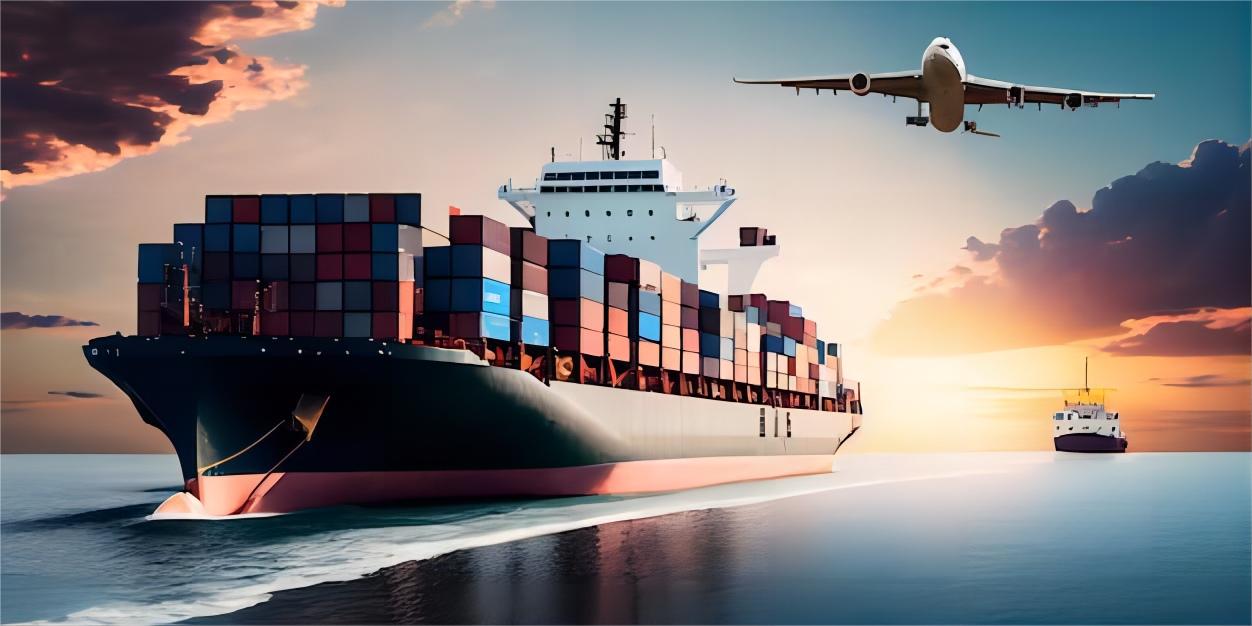
Choosing the right transportation mode requires a careful balance between budget constraints and delivery requirements. While sea freight remains the most economical choice for massive volumes, it often falls short in terms of speed. On the other hand, rail offers a compelling alternative that cuts transit time by nearly half.
In contrast, air freight provides the fastest delivery but comes with a price tag that can be prohibitive for many commodities. For instance, shipping a standard 40-foot container by rail is often five to six times cheaper than the equivalent weight by air. Consequently, rail has become the go-to option for electronics, automotive parts, and fashion retail.
Furthermore, the stability of rail rates compared to the volatile nature of ocean freight markets provides better financial predictability. During peak seasons, rail capacity is often easier to secure through long-term contracts. Nevertheless, shippers must evaluate the specific needs of their cargo before committing to a single method.
| Shipping Method | Cost Range (USD) | Transit Time | Best For |
|---|---|---|---|
| Sea Freight (40HQ) | 2,200 – 3,800 | 30 – 45 Days | Bulk Goods, Low Value |
| Rail Freight (40HQ) | 5,500 – 8,500 | 14 – 22 Days | Electronics, Machinery |
| Air Freight (Per KG) | 4.50 – 8.00 | 3 – 7 Days | Urgent, High Value |
| Express Service | 8.00 – 12.00 | 2 – 5 Days | Samples, Documents |
Major Rail Hubs and Logistics Corridors
The efficiency of rail freight china to germany depends heavily on the departure and arrival hubs selected for the cargo. For example, Xi an has emerged as the busiest inland port in China, offering daily departures to various German destinations. Meanwhile, Chengdu and Chongqing remain vital centers for the automotive and tech industries respectively.
In Germany, Duisburg and Hamburg serve as the primary gateways for incoming Eurasian trains. These hubs feature advanced intermodal terminals that facilitate rapid transfer to truck or barge for final delivery. Consequently, the door to door service experience is seamless for importers across Western Europe.
Additionally, the development of the Northern Corridor through Russia and the Middle Corridor through the Caspian Sea provides route diversity. Shippers can choose their path based on current transit times and regional stability. Therefore, maintaining a flexible logistics strategy is essential for mitigating unforeseen disruptions.
Cost Factors and Pricing Trends for 2026
Understanding the components of rail shipping costs is crucial for accurate budgeting and price negotiations. Generally, the total landed cost includes the rail freight rate, terminal handling charges, and customs clearance fees. Furthermore, fuel surcharges and seasonal adjustments can impact the final invoice during peak periods.
As of early 2026, market data suggests that rail rates have found a new equilibrium after the disruptions of 2025. Specifically, a Full Container Load (FCL) from Zhengzhou to Hamburg typically ranges between 6,000 and 7,500 USD. However, Less than Container Load (LCL) options are available for smaller shipments, priced per cubic meter.
Moreover, the implementation of more efficient locomotives and automated terminal operations has helped keep costs manageable. Indeed, many logistics providers now offer all-inclusive rates to simplify the process for small and medium-sized enterprises. Nevertheless, it is always advisable to request a quote tailored to specific cargo dimensions and weight.
Note: Freight rates are subject to change based on fuel costs, carrier capacity, and seasonal demand. Contact us for a current quote tailored to your specific shipment.
| Origin City | Destination | FCL 40HQ Rate | LCL Rate (CBM) |
|---|---|---|---|
| Xi an | Duisburg | 6,200 – 7,200 | 140 – 180 |
| Chengdu | Hamburg | 6,500 – 7,500 | 150 – 190 |
| Wuhan | Munich | 6,800 – 7,800 | 160 – 200 |
| Shenzhen | Duisburg | 7,200 – 8,500 | 180 – 220 |

Customs Procedures and Documentation Requirements
Navigating the complexities of international customs is a vital part of the rail freight china to germany process. Every shipment must be accompanied by a commercial invoice, packing list, and a valid Bill of Lading. Furthermore, specific commodities may require additional certificates, such as CE marking for electronics or phytosanitary certificates for wood products.
Using a professional customs brokerage service can significantly reduce the risk of delays at the border. These experts ensure that all HS codes are correctly classified and that duties are accurately calculated. Consequently, shipments can clear customs in as little as 24 to 48 hours upon arrival at the German terminal.
Additionally, the Union Transit (T1) document is often used for goods moving through multiple countries before reaching their final destination. This document allows cargo to travel under customs seal, deferring duty payments until the final point of entry. Therefore, understanding these procedural nuances is essential for maintaining a smooth supply chain flow.
| Document Type | Purpose | Required By | Priority |
|---|---|---|---|
| Commercial Invoice | Value Declaration | Customs | Critical |
| Packing List | Cargo Details | Warehouse | Critical |
| Waybill (CIM/SMGS) | Contract of Carriage | Rail Carrier | Critical |
| Certificate of Origin | Duty Calculation | Customs | High |
Realistic Case Studies for 2026
Case Study 1: Electronics Distribution
Route: Shenzhen, China to Hamburg, Germany. Cargo: Consumer electronics, 25 CBM, 4,500 kg. Container: LCL shipment. Shipping Details: Major carrier via the Northern Corridor. Port of Loading: Shenzhen Rail Hub. Port of Discharge: Hamburg Billwerder. Route Type: Direct.
Cost Breakdown: Rail Freight: 4,500 USD. Origin Charges: 450 USD. Destination Charges: 600 USD. Customs and Duties: 1,200 USD. Total Landed Cost: 6,750 USD. Timeline: Booking to Loading: 3 days. Rail Transit: 16 days. Customs Clearance: 2 days. Total Door-to-Door: 21 days.
Key Insight: Utilizing LCL rail allowed the client to maintain weekly inventory restocks without the high cost of air freight. Based on Q1 2026 market rates, this was the most cost-effective speed-to-market strategy.
Case Study 2: Industrial Machinery Components
Route: Chongqing, China to Duisburg, Germany. Cargo: Precision CNC parts, 65 CBM, 18,000 kg. Container: 40HQ FCL. Shipping Details: Dedicated block train service. Port of Loading: Chongqing Tuanjiecun. Port of Discharge: Duisburg Intermodal Terminal. Route Type: Direct via Kazakhstan.
Cost Breakdown: Rail Freight: 7,200 USD. Origin Charges: 500 USD. Destination Charges: 750 USD. Customs and Duties: 2,500 USD. Total Landed Cost: 10,950 USD. Timeline: Booking to Loading: 5 days. Rail Transit: 18 days. Customs Clearance: 1 day. Total Door-to-Door: 24 days.
Key Insight: FCL rail provided the security and stability required for sensitive machinery. Typical rates as of early 2026 show that this route remains 40 percent faster than sea freight while remaining budget-friendly.
Which Option Should You Choose?
Determining the best shipping method depends on your specific business priorities and the nature of your products. If your primary goal is cost reduction and your lead times are flexible, sea freight remains the logical choice. However, for products with a short shelf life or high market demand, rail freight is often superior.
Budget priority: Choose sea freight for shipments where the freight cost must stay below 10 percent of the product value. Speed priority: Choose rail freight if you need to reduce your 45-day sea transit to under 20 days. Cargo type considerations: Use rail for high-value electronics or automotive parts that cannot afford long sea exposure. Volume thresholds: For shipments over 15 CBM but under a full container, LCL rail offers a perfect balance.
Furthermore, consider hybrid solutions like Amazon FBA rail services for e-commerce sellers. These specialized routes include final mile delivery to fulfillment centers, simplifying the entire logistics chain. In conclusion, the decision should align with your inventory turnover targets and customer delivery expectations.
Final Thoughts on Rail Freight China to Germany
In summary, rail freight china to germany has proven to be an indispensable asset for businesses operating in 2026. It offers a unique combination of speed, cost-effectiveness, and environmental sustainability that other modes simply cannot match. By choosing this route, companies can significantly reduce their transit times compared to sea freight while avoiding the exorbitant costs of air transport.
As infrastructure continues to improve and digital integration becomes the standard, the efficiency of this corridor will only increase. Shippers who leverage rail logistics will likely gain a competitive edge through faster inventory cycles and more reliable delivery schedules. Ultimately, the Iron Silk Road remains a vital link in the global trade network, fostering stronger economic ties between China and Germany.
Get Your Shipping Quote Today
Streamline your international logistics today with the most reliable rail freight china to germany services available. Contact our expert team at China Freight Hub for a personalized quote and optimize your 2026 supply chain efficiency. Visit our website to learn how we can transform your shipping experience.
Request Quote