

Sea Freight China to Europe: 2026 Rates and Transit Guide
Optimizing sea freight china to europe is a critical priority for modern businesses seeking to balance cost-efficiency with reliable delivery schedules. China Freight Hub provides the expertise needed to navigate these complex international shipping routes with confidence and precision. This comprehensive guide examines the current 2026 market landscape to help you streamline your logistics operations effectively.
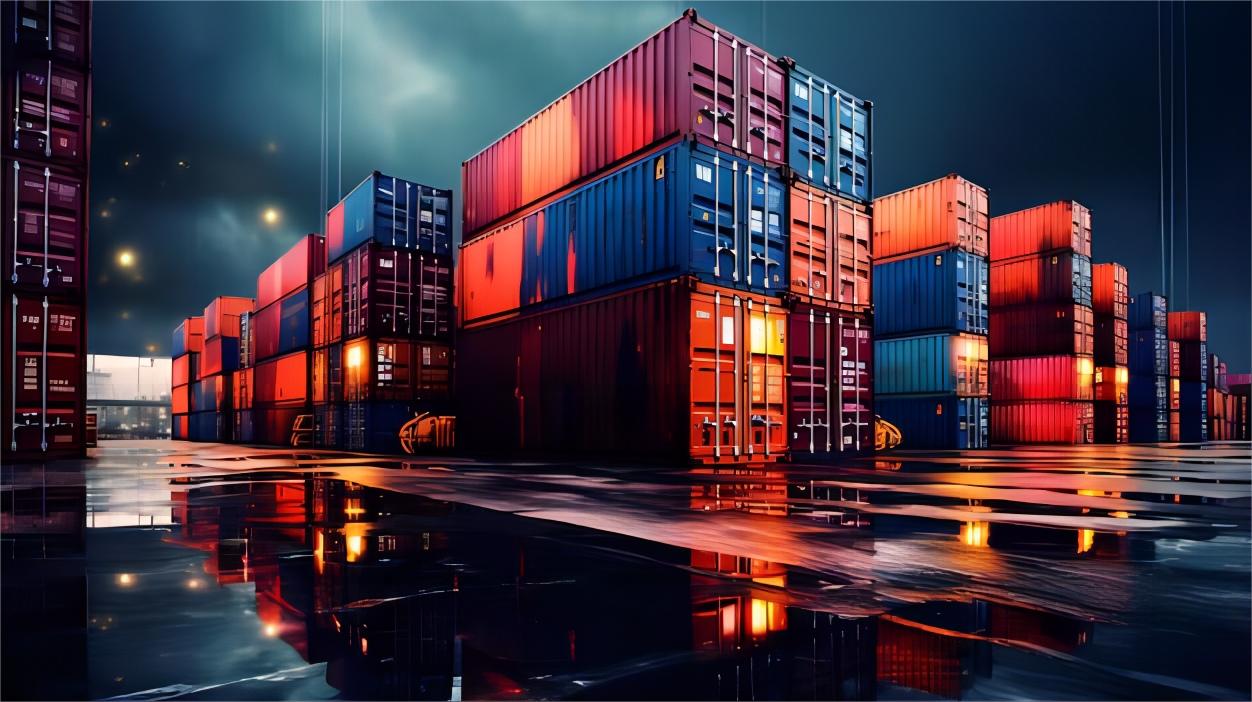
What is the Current State of Sea Freight China to Europe in 2026?
The maritime landscape in 2026 has reached a period of relative stability following the significant disruptions observed in previous years. Consequently, carriers have increased vessel capacity on major routes to meet the growing demand for consumer electronics and industrial machinery. Therefore, shippers can now access more predictable schedules and diverse routing options than in the early 2020s.
Moreover, the integration of green shipping technologies has begun to influence the cost structures of ocean transport. Many shipping lines now implement carbon surcharges to account for more sustainable fuel alternatives. Meanwhile, digital tracking systems have become standard across the industry, providing real-time visibility for every container in transit.
Understanding FCL vs LCL for Your Shipments
Choosing between Full Container Load and Less than Container Load is the first major decision for any importer. For instance, sea freight provides the flexibility to book an entire container or just a portion of one. Specifically, FCL is ideal for large volumes that can fill a 20ft or 40ft unit entirely.
On the other hand, LCL allows multiple shippers to share space within a single container. This approach is highly cost-effective for smaller consignments that do not justify the expense of a full box. However, LCL shipments often require more time for consolidation and deconsolidation at the ports of origin and destination.
| Feature | FCL (Full Container) | LCL (Shared Container) | Recommendation |
|---|---|---|---|
| Cost Structure | Flat rate per container | Priced per cubic meter | LCL for small loads |
| Security | Lower risk of damage | Higher handling risk | FCL for fragile goods |
| Transit Time | Faster (Direct) | Slower (Consolidation) | FCL for urgent cargo |
| Volume Limit | 15+ CBM | 1 to 15 CBM | LCL for samples |
How Long Does Sea Freight China to Europe Take?
Transit times for sea freight china to europe typically range from 30 to 45 days depending on the specific port pair. For example, a direct route from Shanghai to Rotterdam is generally faster than a transshipment route through secondary hubs. Additionally, weather conditions and port congestion can occasionally introduce minor delays into the delivery schedule.
Furthermore, the choice of carrier plays a significant role in determining the total duration of the voyage. Some premium services offer guaranteed arrival dates for an additional fee. Nevertheless, most businesses plan their inventory cycles around a standard six-week lead time to ensure consistent stock availability.
| Origin City | Destination Port | Average Days | Service Type |
|---|---|---|---|
| Shanghai | Rotterdam | 32-35 Days | Direct |
| Shenzhen | Hamburg | 30-34 Days | Direct |
| Ningbo | Felixstowe | 35-38 Days | Transshipment |
| Qingdao | Antwerp | 38-42 Days | Direct |

How Does Sea Freight Compare to Other Shipping Options?
While sea freight is the most economical choice, it is not always the most appropriate for every business scenario. For instance, rail freight offers a middle ground with transit times of 15 to 20 days. Consequently, rail is increasingly popular for automotive parts and high-value textiles that need faster delivery than ships.
In contrast, air freight remains the fastest method, delivering goods within 3 to 7 days. However, the costs associated with air transport are significantly higher, often making it prohibitive for bulky or low-margin products. Therefore, companies must weigh the benefits of speed against the impact on their overall profit margins.
| Method | Cost Range | Transit Time | Best For |
|---|---|---|---|
| Sea Freight | $2,000 – $4,200 | 30-45 Days | Bulk Goods |
| Rail Freight | $4,500 – $7,000 | 15-22 Days | Mid-value Cargo |
| Air Freight | $15,000+ | 3-7 Days | Urgent/High Value |
| Sea-Air | $8,000 – $12,000 | 18-25 Days | Balanced Needs |
Which Option Should You Choose?
Determining the right shipping strategy requires a clear understanding of your budget and timeline priorities. If cost reduction is your primary goal, sea freight is undoubtedly the superior choice for large-scale imports. Specifically, FCL shipping provides the lowest cost per unit for high-volume retailers.
Conversely, if you are launching a new product and need to test the market quickly, a hybrid sea-air solution might be more effective. Additionally, consider the nature of your cargo, as hazardous materials or oversized items may be restricted on certain transit modes. Ultimately, the best decision aligns with your specific supply chain requirements and customer expectations.
Essential Documentation and Customs Compliance
Navigating the legal requirements for European imports is a complex but necessary part of the logistics process. For example, a professional customs brokerage service can prevent costly delays and ensure all duties are paid correctly. Specifically, you will need a Bill of Lading, Commercial Invoice, and Packing List for every shipment.
Moreover, the European Union has implemented stricter environmental and safety standards for imported goods in 2026. Consequently, ensuring your products meet CE marking and REACH requirements is essential for smooth clearance. Furthermore, failing to provide accurate documentation can lead to significant fines or even the seizure of your cargo by port authorities.
Cost Management and 2026 Price Trends
Managing the total landed cost of your goods involves more than just calculating the ocean freight rate. Indeed, you must also account for port handling charges, local trucking fees, and potential storage costs. For instance, door to door services simplify this by providing an all-inclusive price for the entire journey.
Based on current market data, freight rates have stabilized in the range of $3,000 to $4,500 for a 40HQ container. However, these prices can fluctuate by 15-25% during the peak season from August to October. Therefore, booking your shipments at least 3-4 weeks in advance is highly recommended to secure the best possible rates.
| Container Type | Rate Range (USD) | Capacity | Ideal Cargo |
|---|---|---|---|
| 20GP | $1,800 – $2,500 | 33 CBM | Heavy/Dense |
| 40GP | $2,800 – $3,800 | 67 CBM | General Goods |
| 40HQ | $3,000 – $4,200 | 76 CBM | Light/Bulky |
| LCL | $50 – $90 | Per CBM | Small Batches |
Real-World Case Studies for China to Europe Logistics
Examining real-world examples provides valuable insights into the practical challenges and successes of international shipping. These cases reflect typical scenarios encountered by businesses in the current 2026 market. Consequently, they offer a benchmark for what you can expect regarding costs and timelines.
Case Study 1: Electronics from Shenzhen to Hamburg. A consumer electronics brand shipped 55 CBM of goods via FCL 40HQ. The ocean freight cost was $3,200, with a total transit time of 32 days from port to port. Key Insight: Early booking allowed the client to avoid a 10% peak season surcharge.
Case Study 2: Furniture from Ningbo to Rotterdam. A retailer imported 12 CBM of home office furniture using LCL service. The cost was $85 per CBM, totaling $1,020 for the ocean leg. Total door-to-door time was 48 days, including customs clearance and final delivery. Key Insight: LCL was 40% cheaper than booking a half-empty 20GP container.
Case Study 3: Industrial Parts from Shanghai to Felixstowe. A manufacturer required urgent delivery of replacement parts. They chose a premium direct sea freight service costing $3,800 for a 20GP. The cargo arrived in 34 days, and customs were cleared in 48 hours. Key Insight: Using a direct route minimized the risk of transshipment delays.

Strategic Tips for Optimizing Your Supply Chain
Improving your logistics efficiency often involves making small adjustments to your shipping habits. For example, consolidating multiple small orders into a single FCL shipment can significantly reduce your per-unit costs. Additionally, maintaining a strong relationship with a reliable freight forwarder ensures you receive priority space during busy periods.
In addition, consider the advantages of shipping to different geographic regions, such as Europe, to diversify your market reach. Furthermore, implementing automated inventory management systems can help you predict demand more accurately. Ultimately, proactive planning is the most effective way to mitigate the risks associated with global sea freight.
Final Thoughts on Shipping from China to Europe
Mastering sea freight china to europe is an ongoing process that requires staying informed about market trends and logistics best practices. By understanding the differences between FCL and LCL, monitoring transit times, and preparing accurate documentation, you can ensure your goods arrive safely and on schedule. Moreover, leveraging the expertise of a professional freight forwarder like China Freight Hub provides a significant advantage in the competitive European market.
As we move through 2026, the focus on sustainability and digital transparency will continue to shape the industry. Therefore, businesses that adapt to these changes and plan their shipments strategically will be best positioned for long-term success. Remember that while cost is important, reliability and service quality are equally vital components of a successful global supply chain.
Start Your Shipment
Streamline your international logistics today with a customized quote for sea freight china to europe. Contact our expert team at China Freight Hub to discover how we can optimize your shipping costs and transit times for 2026. Visit our website to Send Inquiry and receive a professional consultation tailored to your business needs.
Request Quote